CBD (Cannabidiol): 10 Benefits, Side Effects & 10 Precautions
Explore the evidence-based benefits of CBD for epilepsy, anxiety, sleep, and more, plus side effects and safety precautions you should know.
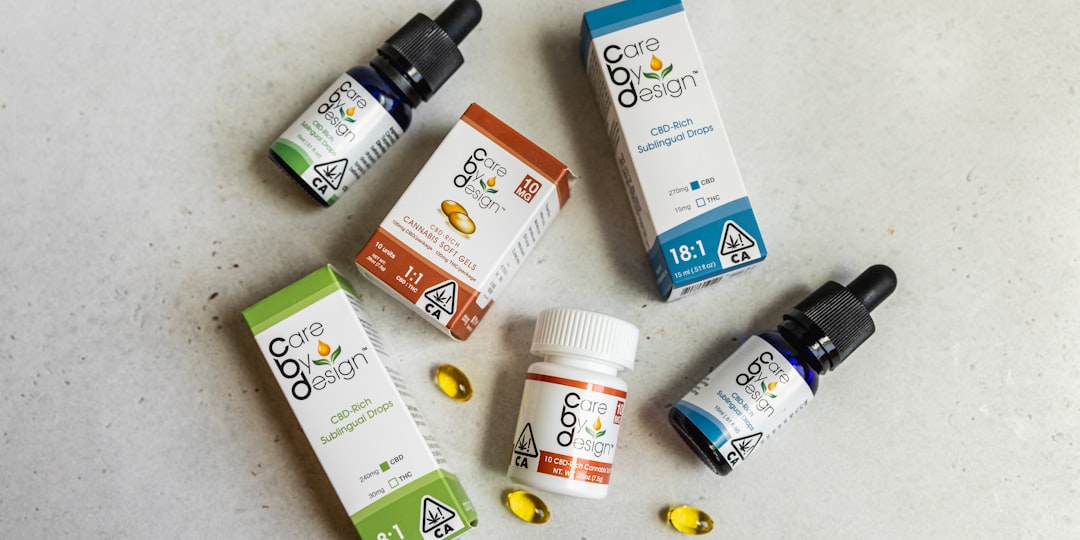
Medical cannabis has become increasingly common in many countries, but confusion persists about what CBD actually does and whether it lives up to its reputation. Unlike the cannabis plant’s other famous compound, THC, cannabidiol (CBD) does not produce a high or lead to dependence. People use it hoping for therapeutic benefits without the psychoactive effects.
CBD products come in many forms: oils, tinctures, gummies, capsules, topical creams, and drinks. The CBD market has grown rapidly over the past decade, with products marketed for everything from chronic pain to acne. But what does the research actually show? This article looks at the clinical evidence for CBD’s purported benefits, its known side effects, and safety considerations worth knowing about.
What is CBD?
Cannabidiol (CBD) is one of over 100 chemical compounds called cannabinoids found in the Cannabis sativa plant. The plant contains two main varieties: marijuana (high THC, low CBD) and hemp (low THC, high CBD). Most commercial CBD products derive from hemp because it contains less than 0.3% THC.
CBD interacts with the body’s endocannabinoid system, a complex network of receptors that influences sleep, mood, appetite, pain perception, and immune function. Unlike THC, which binds directly to cannabinoid receptors to produce its psychoactive effects, CBD works through more indirect mechanisms that researchers are still working to fully understand.
The U.S. Food and Drug Administration (FDA) has approved one CBD-based medication, Epidiolex, for treating certain types of epilepsy. Beyond this, most CBD products sold commercially are not regulated as medicines, which means their quality and labelling can be inconsistent.
Proven and potential benefits of CBD
1. Treatment for specific epilepsy syndromes
The strongest evidence for CBD exists in treating rare, severe forms of childhood epilepsy. Dravet syndrome and Lennox-Gastaut syndrome often do not respond well to standard anti-seizure medications.
Clinical trials found that pharmaceutical-grade CBD (Epidiolex) reduced seizure frequency in patients with these conditions. A meta-analysis of three randomised controlled trials involving 359 patients with Dravet syndrome showed that CBD adjunctive therapy at 10-20 mg/kg daily significantly reduced convulsive seizures compared to placebo [1].
For Lennox-Gastaut syndrome, similar results emerged from two trials with 396 participants. Patients receiving CBD had fewer drop seizures (sudden loss of muscle tone causing falls) compared to the placebo group [2].
This remains the only FDA-approved use for CBD, though it requires a prescription and careful medical supervision.
2. May help with insomnia
Sleep problems affect roughly a third of adults at some point. CBD has gained popularity as a sleep aid, though the evidence remains mixed.
A systematic review of 34 studies found that CBD, either alone or combined with equal amounts of THC, may help relieve insomnia symptoms [3]. Some smaller studies suggest CBD might help people fall asleep faster and stay asleep longer, particularly at higher doses.
The studies reviewed were generally of low quality, and CBD’s effects on sleep likely depend on dosage, timing, and individual factors. The evidence simply isn’t strong enough yet to say whether it works.
3. Potential anxiety reduction
Many people use CBD for anxiety, and there is some preliminary evidence supporting this use. A small randomised controlled trial in patients with social anxiety disorder found that a 300 mg dose of CBD reduced anxiety during a simulated public speaking test compared to placebo.
Research in patients with post-traumatic stress disorder (PTSD) has shown mixed results. One trial of 33 PTSD patients found that oral CBD at 300 mg reduced anxiety and cognitive impairment when recalling traumatic events, though only in patients with non-sexual trauma [4].
The evidence is not yet strong enough to recommend CBD as a first-line treatment for anxiety disorders, but ongoing research may clarify its role.
4. May support skin conditions like psoriasis
Psoriasis is a chronic inflammatory skin condition affecting 2-3% of the population. It causes red, scaly patches that can be painful and itchy.
One randomised controlled trial of 51 people with psoriasis found that topical CBD treatment over 12 weeks significantly improved the severity of skin lesions compared to placebo [5]. The CBD group also had more lesions that cleared completely.
One small study isn’t enough to draw conclusions. Whether CBD creams actually work for psoriasis remains an open question.
5. Limited evidence for Parkinson’s disease
Parkinson’s disease causes progressive loss of movement control, along with tremors, stiffness, and balance problems. It can also affect mood and quality of life.
A small double-blind study of 21 Parkinson’s patients without dementia found that CBD improved quality of life measures compared to placebo [6]. However, there was no significant improvement in motor symptoms or any measurable neuroprotective effect.
This suggests CBD might help with some non-motor aspects of Parkinson’s, but it should not be considered a treatment for the disease itself.
6. Possible cardiovascular effects
Laboratory and animal studies have suggested CBD might have beneficial effects on the cardiovascular system. A review of 22 studies found that while CBD did not significantly affect blood pressure or heart rate under resting conditions, it did appear to lower these measures during stressful situations [7].
The same review noted potential benefits in animal models of ischaemia-reperfusion injury (damage from restricted blood flow). However, human evidence remains insufficient to draw conclusions about CBD’s cardiovascular benefits.
7. Uncertain effects on inflammatory bowel disease
People with ulcerative colitis and Crohn’s disease sometimes turn to CBD hoping to reduce inflammation and symptoms. A Cochrane review examined two randomised controlled trials involving 92 participants with active ulcerative colitis [8].
The review concluded that there simply wasn’t enough data to say whether CBD helps. The studies were too small and their quality too poor.
8. Limited evidence for schizophrenia
Some researchers have investigated whether CBD might help with symptoms of schizophrenia, given its interaction with brain receptors involved in the condition.
A systematic review of three randomised controlled trials found no statistically significant difference between CBD and standard antipsychotic medication (amisulpride) or placebo in overall efficacy [9]. No meaningful data on cognitive effects were available.
At present, there is insufficient evidence to support using CBD for schizophrenia.
9. No benefit shown for COVID-19
During the pandemic, researchers tested whether CBD might help patients with mild to moderate COVID-19. A randomised controlled trial of 105 patients receiving standard care found that adding oral CBD at 300 mg daily did not alter clinical progression or significantly reduce symptom duration compared to placebo [10].
10. Variable effects on chronic pain
Many people use CBD for chronic pain, though high-quality evidence specifically for CBD (as opposed to medical cannabis containing THC) remains limited. The endocannabinoid system plays a role in pain perception, providing theoretical support for CBD’s potential.
Some studies suggest topical CBD may help with localised pain from conditions like arthritis, while oral CBD might help with neuropathic pain. However, most pain research involves whole-plant cannabis preparations rather than isolated CBD.
Side effects of CBD
Studies generally find CBD well tolerated at appropriate doses, without evidence of abuse potential or significant toxicity. However, side effects do occur and include [11]:
Common side effects:
- Tiredness and drowsiness
- Diarrhoea
- Dry mouth
- Reduced appetite
- Mild headache
- Dizziness
Less common side effects:
- Low blood pressure
- Changes in weight
- Irritability or mood changes
- Sleep disturbances (paradoxically, at some doses)
- Elevated liver enzymes
Rare but serious concerns:
- Suicidal thoughts (particularly in patients also taking anti-epileptic drugs)
- Allergic reactions
- Increased intraocular pressure
The FDA has warned that CBD products may cause liver injury, especially at high doses or when combined with certain medications.
Safety precautions and contraindications
CBD is not suitable for everyone. Here are the groups who should avoid it or use particular caution:
Pregnant and breastfeeding women should avoid CBD entirely. Effects on foetal development and nursing infants are unknown, and the FDA advises against use during pregnancy.
People with liver disease or those taking medications that affect the liver need to be careful. CBD can increase liver enzyme levels. Combining it with hepatotoxic drugs like paracetamol, certain antibiotics, or antifungal medications raises the risk of liver damage.
Anyone taking prescription medications should consult their doctor first. CBD inhibits cytochrome P450 enzymes responsible for metabolising over 60% of prescription drugs, which means it can increase or decrease the effects of blood thinners, immunosuppressants, sedatives, and many others.
People taking valproate face particular risk. Combining CBD with this anti-epileptic drug can cause liver damage, and the risk increases with higher doses [12].
Those with low blood pressure or taking antihypertensive medications should be cautious, as CBD may lower blood pressure further.
Parkinson’s patients may find that high doses worsen their tremors and motor symptoms.
People with compromised immune systems (HIV/AIDS, diabetes, Down syndrome) or those taking immunosuppressants should talk to their doctor before use, as CBD may suppress immune function.
Anyone subject to drug testing should know that some CBD products contain trace amounts of THC that may trigger positive results [13]. Buy only from sources that provide third-party testing certificates.
Children under 2 years should not use CBD due to unknown safety.
People with kidney disease should consult a healthcare professional before use, as safety data are limited.
CBD oil versus hemp seed oil
These two products are often confused but are quite different:
CBD oil is extracted from the flowers, leaves, and stems of the hemp plant, which contain cannabidiol. It is used for potential therapeutic effects.
Hemp seed oil comes from hemp seeds, which contain no significant CBD or THC. It is a nutritional oil rich in omega-3 and omega-6 fatty acids, similar to other seed oils like flaxseed or sunflower oil. Hemp seed oil has no psychoactive properties and provides no cannabinoid benefits.
When shopping for CBD products, check the label carefully. Some products labelled “hemp oil” may actually be hemp seed oil with no CBD content.
Legal status
CBD’s legal status varies considerably by jurisdiction. In the United States, hemp-derived CBD products containing less than 0.3% THC are federally legal, though individual states may have additional restrictions. Marijuana-derived CBD remains illegal federally and in many states.
In the United Kingdom, CBD is legal provided it contains no more than 1 mg of controlled cannabinoids per product. Products must be sold as food supplements rather than medicines unless they have obtained a marketing authorisation.
Regulations continue to evolve, so check current laws in your jurisdiction before purchasing or travelling with CBD products.
What we actually know
CBD genuinely works for certain severe forms of childhood epilepsy. The FDA approved Epidiolex based on solid trial data. For everything else? The evidence ranges from weak to non-existent.
While CBD appears reasonably safe for most adults, it does interact with many medications and can cause side effects. The quality and labelling of commercial CBD products vary widely, making it difficult to know exactly what you are getting.
If you are considering CBD, speak with a healthcare professional first, particularly if you take other medications or have underlying health conditions. For conditions like anxiety, insomnia, or chronic pain, established treatments with stronger evidence may be more appropriate starting points.
Related reading
- 12 Benefits and Side Effects of Melatonin - another popular sleep supplement
- 5 Alternative Therapies to Improve Insomnia - non-pharmaceutical approaches to sleep problems
- Overactive Bladder - a condition some people explore CBD for
References
-
Villa C, et al. Cannabinoids for the treatment of Dravet syndrome: A systematic review. Epilepsy Behav. 2020;103:106832. PubMed
-
Devinsky O, et al. Cannabidiol in patients with treatment-resistant epilepsy: an open-label interventional trial. Lancet Neurol. 2016;15(3):270-278. PubMed
-
Suraev AS, et al. Cannabinoid therapies in the management of sleep disorders: A systematic review of preclinical and clinical studies. Sleep Med Rev. 2020;53:101339. PubMed
-
de Aquino JP, et al. Cannabidiol for the treatment of PTSD: A randomized controlled trial. J Clin Psychiatry. 2022;83(3):21m14116. PubMed
-
Jastrząb A, et al. Cannabidiol for the treatment of psoriasis vulgaris: A randomized, double-blind, placebo-controlled study. J Am Acad Dermatol. 2022;87(1):227-229. PubMed
-
Chagas MH, et al. Effects of cannabidiol in the treatment of patients with Parkinson’s disease: an exploratory double-blind trial. J Psychopharmacol. 2014;28(11):1088-1098. PubMed
-
Sultan SR, et al. A Systematic Review and Meta-Analysis of the Haemodynamic Effects of Cannabidiol. Front Pharmacol. 2017;8:81. PubMed
-
Kafil TS, et al. Cannabis for the treatment of ulcerative colitis. Cochrane Database Syst Rev. 2018;11(11):CD012954. PubMed
-
Chesney E, et al. Cannabidiol (CBD) use in psychiatric disorders: A systematic review. Psychiatry Res. 2020;290:113092. PubMed
-
Crippa JAS, et al. Efficacy of cannabidiol in COVID-19: A randomized controlled trial. Drug Alcohol Depend. 2021;227:109009. PubMed
-
Huestis MA, et al. Cannabidiol Adverse Effects and Toxicity. Curr Neuropharmacol. 2019;17(10):974-989. PubMed
-
Gaston TE, et al. Interactions between cannabidiol and commonly used antiepileptic drugs. Epilepsia. 2017;58(9):1586-1592. PubMed
-
Spindle TR, et al. Cannabinoid Content of Products Labeled as Cannabidiol Extracts. JAMA. 2020;324(18):1894-1896. ScienceDaily
Medical Disclaimer: The information provided is for educational purposes only and should not be considered as medical advice. Always consult with a qualified healthcare professional before making any changes to your diet, supplement regimen, or treatment plan.
Was this article helpful?