Curcumin: 33 Benefits, Side Effects and 11 Contraindications
An honest look at what curcumin can and cannot do, based on clinical research. Includes dosage guidance and who should avoid it.
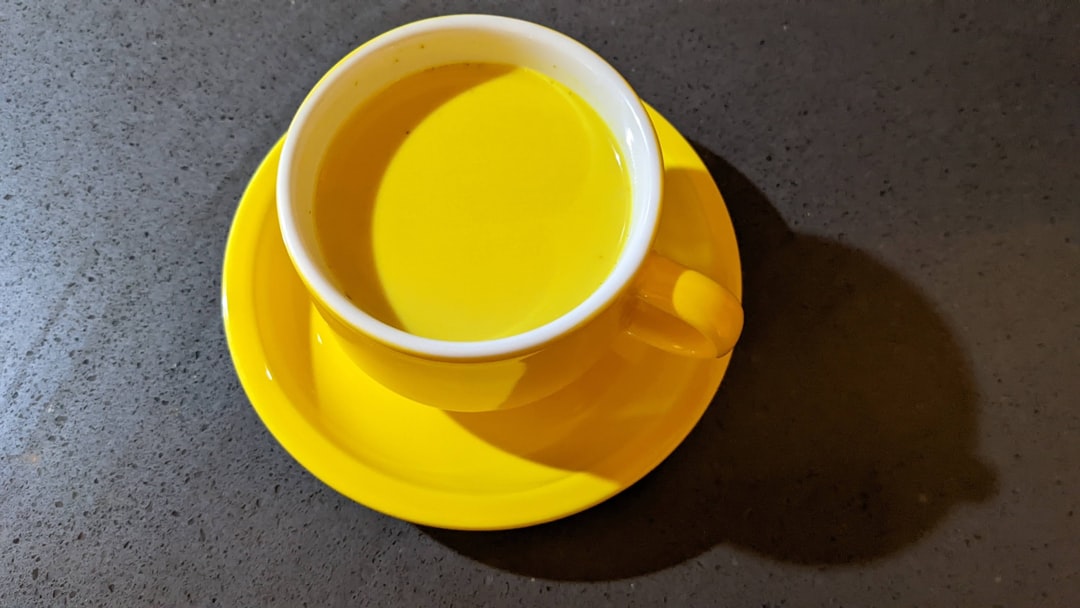
Curcumin is the main active compound in turmeric, the spice that gives curry its yellow colour. Turmeric has been used in traditional Indian and Chinese medicine for over 4,000 years to treat inflammatory conditions, liver problems, skin diseases and wounds.
I should be upfront: curcumin research is genuinely messy. There are thousands of studies, but many are small, short-term, or done in test tubes rather than humans. I’ve gone through the clinical evidence to separate what actually holds up from what’s mostly speculation.
What is curcumin?
Curcumin is a polyphenol compound first isolated in 1815 by Vogel and Pelletier. Its chemical structure was determined in 1913. Turmeric root contains about 3-5% curcuminoids by weight, with curcumin being the most active.
The absorption problem is real. Animal studies show only about 1% of oral curcumin actually gets into the bloodstream [1]. Modern formulations try to fix this by combining curcumin with lecithin, piperine (black pepper extract), or phospholipids. Whether these increased absorption rates translate to better clinical outcomes is still being studied.
Benefits with reasonable evidence
Osteoarthritis pain
This is probably curcumin’s strongest use case. A meta-analysis of 7 trials with 797 people with knee osteoarthritis found that curcumin (180mg to 2g daily for 4-16 weeks) reduced pain and improved quality of life compared to placebo [2]. Compared to ibuprofen, curcumin was slightly less effective for pain relief but people needed fewer rescue medications.
If you have knee arthritis and want to try something alongside standard treatment, curcumin is reasonable to consider.
Exercise-induced muscle soreness
A meta-analysis of 9 trials with 379 participants found curcumin reduced creatine kinase levels and muscle soreness after exercise [3]. The effect held regardless of dose, exercise type, or training status.
Migraines
An 8-week trial of 44 women with migraines found 1,000mg daily curcumin reduced headache severity and duration compared to placebo [4]. Small study, but the results were consistent.
Allergic rhinitis
A study of 241 people with chronic allergic rhinitis found 500mg daily curcumin reduced nasal symptoms including sneezing, itching, and congestion [5]. The mechanism appears to involve modulating immune signalling molecules.
Blood lipids in metabolic syndrome
A meta-analysis of 16 trials found turmeric and curcumin reduced triglycerides, total cholesterol and LDL cholesterol while increasing HDL [6]. Effects were more pronounced with doses over 300mg daily for more than 8 weeks.
Mouth ulcers
A review of 8 studies with 439 people with recurrent mouth ulcers found curcumin reduced pain and ulcer size as effectively as the anti-inflammatory drug triamcinolone [7].
Inflammation markers
Multiple meta-analyses show oral curcumin reduces C-reactive protein, TNF-alpha and interleukin-6 [8-10]. Whether this translates to meaningful clinical outcomes depends on the condition.
Oxidative stress markers
A meta-analysis of 17 trials found curcumin reduced malondialdehyde (a marker of oxidative damage) and increased protective enzymes like superoxide dismutase [11].
Benefits with moderate evidence
Diabetic blood sugar control
A meta-analysis of 4 trials with 453 people with type 2 diabetes found curcumin improved insulin resistance and glycaemic control [12]. The evidence is promising but the studies varied considerably in how they were designed.
Diabetic nephropathy
A meta-analysis of 5 trials with 290 people found curcumin improved serum creatinine, total cholesterol, systolic blood pressure and fasting glucose [13]. It didn’t help blood urea nitrogen, proteinuria or diastolic blood pressure.
Vascular endothelial function
A meta-analysis of 5 trials with 192 participants found curcumin improved flow-mediated dilation of the brachial artery, a measure of blood vessel function [14].
Non-alcoholic fatty liver disease
A meta-analysis of 4 trials with 229 people found curcumin reduced LDL cholesterol, triglycerides, fasting glucose, insulin resistance, body weight and AST liver enzyme levels [15]. No significant effect on total cholesterol, HDL, HbA1c or ALT.
Polycystic ovary syndrome
A meta-analysis of 3 trials with 168 women found curcumin (500-1500mg daily for 6-12 weeks) improved fasting glucose, insulin levels, insulin resistance and total cholesterol [16]. Sample size is small.
Depression
A review of 6 trials found curcumin helped with depressive symptoms [17]. I’d treat this cautiously though. The quality of the trials was mixed, and effect sizes weren’t dramatic.
Brain-derived neurotrophic factor
A meta-analysis of 4 trials found curcumin (200-1820mg daily for 8-12 weeks) increased serum BDNF levels [18]. BDNF is associated with neurological health, but whether raising it with supplements translates to meaningful brain protection is unclear.
Health-related quality of life
A meta-analysis of 10 trials with 730 participants found curcumin improved general quality of life measures [19]. The effect was stronger with highly bioavailable formulations and treatment periods under 5 months.
Benefits with limited evidence
Periodontitis
A review of 14 trials suggested curcumin as an adjunct to scaling and root planing reduced probing depth and improved clinical attachment [20]. The studies were heterogeneous.
Oral submucosal fibrosis
A review of 6 trials with 298 people found curcumin relieved symptoms, particularly pain and burning [21].
Cancer treatment support
A review of 22 studies noted oral curcumin may enhance chemotherapy and radiotherapy effectiveness while reducing side effects [22]. Most evidence is preliminary. I wouldn’t use curcumin instead of conventional cancer treatment, but it might be worth discussing with an oncologist as an adjunct.
Blood pressure
Overall, curcumin doesn’t significantly affect blood pressure according to a meta-analysis of 11 trials [23]. However, subgroup analysis showed possible systolic blood pressure reduction with supplementation for 12 weeks or longer.
Irritable bowel syndrome
A meta-analysis of 3 trials with 326 people found curcumin might help IBS symptoms, but the results weren’t statistically significant [24]. The condition referred to as irritable bowel syndrome often overlaps with bladder symptoms.
Ulcerative colitis
A meta-analysis of 3 trials found curcumin as an add-on therapy didn’t significantly improve remission rates or clinical response [25]. Current evidence doesn’t support using curcumin for ulcerative colitis.
Weight loss
A meta-analysis of 11 trials with 876 overweight and obese people found curcumin reduced body weight by about 1.14kg and BMI by 0.48 kg/m² but didn’t affect waist circumference [26]. Modest effects at best.
Functional dyspepsia
A randomised study found 87% of people with dyspepsia who took turmeric for 7 days reported improvement compared to 53% in the control group [27]. Old study (1989), but interesting.
Sarcopenia prevention
A controlled experiment with 86 elderly people over 3 months found curcumin combined with exercise and dietary changes improved grip strength, walking ability, and other measures [28]. The combination approach makes it hard to isolate curcumin’s contribution.
Premenstrual syndrome
A study of 70 women found curcumin (100mg twice daily) before and after menstruation improved PMS severity [29].
Alzheimer’s disease
Despite positive results in animal studies and mechanistic plausibility (anti-inflammatory, antioxidant, anti-amyloid properties), human studies haven’t shown expected results [30]. This may be due to poor absorption, blood-brain barrier penetration issues, or inadequate dosing duration.
Osteopenia
A preliminary 24-week study of 57 elderly people with low bone density found curcumin combined with diet and exercise improved bone density measurements [31]. Too small to draw conclusions.
What about cancer prevention?
Curcumin inhibits tumour growth through multiple pathways in lab studies, including inducing apoptosis, inhibiting angiogenesis and modulating cell signalling [32, 33]. It shows theoretical potential against multiple myeloma, pancreatic cancer, lung cancer, breast cancer, and others [34].
The catch? Nearly all this research is from animal experiments or cell cultures. Human studies on cancer prevention are lacking. I wouldn’t take curcumin expecting it to prevent cancer, though it’s plausible it might have modest protective effects as part of an overall healthy diet.
Side effects
Curcumin is generally well-tolerated at recommended doses. Reported side effects include:
- Gastrointestinal upset
- Nausea
- Diarrhoea
- Dizziness
- Headache
- Skin rash
A Phase I trial found 8g of curcumin daily for 3 months was tolerated without toxic reactions [35]. That’s a high dose and shouldn’t be taken as a recommendation.
Who should avoid curcumin
- Pregnant or breastfeeding women - Safety data is insufficient
- Children - Not enough research
- People with liver or kidney dysfunction - Clearance may be impaired
- Those taking tamoxifen - May affect the drug’s efficacy [36]
- People prone to kidney stones - May increase urinary oxalate [37]
- People with iron deficiency or anaemia - High doses may inhibit iron absorption [38]
- Those with gallbladder disease - May worsen symptoms
- People with peptic ulcers or gastro-oesophageal reflux - May irritate the stomach
- Diabetics on medication - May enhance hypoglycaemic effects
- Those on anticoagulants - Curcumin has blood-thinning properties that may increase bleeding risk with warfarin, clopidogrel or aspirin
- Anyone having surgery - Stop at least 2 weeks before due to anticoagulant effects
There have been case reports of acute liver injury when curcumin was combined with other medications [39]. If you take prescription drugs, discuss curcumin with your doctor first.
The absorption problem
Plain curcumin has poor bioavailability. Various formulations claim to improve this:
- Piperine (black pepper extract) - Increases absorption by inhibiting drug metabolism
- Lecithin/phospholipid complexes - Brand names like Meriva
- Nano-formulations - Reduce particle size
Whether improved absorption translates to better clinical outcomes isn’t always demonstrated. Higher blood levels don’t automatically mean better results.
My take
Curcumin has genuine anti-inflammatory and antioxidant properties that show up consistently in research. The strongest evidence is for osteoarthritis pain relief and exercise recovery. For metabolic conditions like diabetes, fatty liver and high cholesterol, the evidence is promising but not definitive.
I wouldn’t recommend curcumin as a replacement for proven medical treatments. But as a supplement alongside standard care, it’s reasonable to try for joint pain, muscle soreness, or general anti-inflammatory support. Just watch for drug interactions and don’t expect miracles.
Related reading
- 13 Benefits and Side Effects of CoQ10
- 12 Benefits and Side Effects of Resveratrol
- Fish Oil: 28 Benefits and Side Effects
References
- Anand P, et al. Bioavailability of curcumin: problems and promises. Mol Pharm. 2007;4(6):807-18. PMID: 17999464
- Daily JW, et al. Efficacy of turmeric extracts and curcumin for alleviating the symptoms of joint arthritis. J Med Food. 2016;19(8):717-29. PMID: 28470851
- Fernández-Lázaro D, et al. Modulation of exercise-induced muscle damage, inflammation, and oxidative markers by curcumin supplementation. Nutrients. 2020;12(2):501. PMID: 33174301
- Parohan M, et al. The effect of curcumin on migraine frequency and duration. Nutr Neurosci. 2022;25(8):1761-1768. PMID: 35070194
- Wu S, et al. Curcumin alleviates symptoms of perennial allergic rhinitis. Ann Allergy Asthma Immunol. 2016;117(5):507-513. PMID: 27789120
- Qin S, et al. Efficacy and safety of turmeric and curcumin in lowering blood lipids in patients with metabolic syndrome. Phytother Res. 2019;33(4):985-995. PMID: 31212316
- Normando AGC, et al. Effects of turmeric and curcumin on oral mucositis. Phytother Res. 2020;34(6):1318-1329. PMID: 32893718
- Sahebkar A. Are curcuminoids effective C-reactive protein-lowering agents in clinical practice? Phytother Res. 2014;28(5):633-42. PMID: 23922235
- Sahebkar A, et al. Effect of curcuminoids on oxidative stress. J Funct Foods. 2016;27:407-416. PMID: 27392742
- Derosa G, et al. Anti-inflammatory effects of curcumin. J Biol Regul Homeost Agents. 2016;30(1):125-32. PMID: 27025786
- Ashtary-Larky D, et al. Effects of curcumin on oxidative stress parameters. Phytother Res. 2020;34(4):869-879. PMID: 31724938
- Altobelli E, et al. Curcumin and Type 2 Diabetes: A systematic review. Int J Mol Sci. 2021;22(14):7276. PMID: 34298939
- Bazzano T, et al. Curcumin and diabetic nephropathy. Biomed Pharmacother. 2021;142:111992. PMID: PMC8660194
- Ashtary-Larky D, et al. The effects of curcumin supplementation on vascular endothelial function. Pharmacol Res. 2020;155:104672. PMID: 32101871
- Rahmani S, et al. Treatment of nonalcoholic fatty liver disease with curcumin. Phytother Res. 2016;30(9):1540-8. PMID: 30446932
- Tabrizi R, et al. The effects of curcumin on polycystic ovary syndrome. J Ovarian Res. 2021;14(1):47. PMID: 33669954
- Fusar-Poli L, et al. Curcumin for depression. Crit Rev Food Sci Nutr. 2020;60(15):2643-2653. PMID: 33418373
- Sarraf P, et al. Effect of curcumin supplementation on serum brain-derived neurotrophic factor. Nutr Neurosci. 2021;24(7):498-510. PMID: 31279955
- Naeini F, et al. Effects of curcumin on health-related quality of life. Complement Ther Med. 2020;54:102522. PMID: 33038707
- Leme KA, et al. Adjunctive use of curcumin in periodontal treatment. Clin Oral Investig. 2021;25(4):2207-2219. PMID: 33781908
- Yadav M, et al. Efficacy of curcumin in the management of oral submucous fibrosis. J Clin Diagn Res. 2019;13(2):ZE01-ZE06. PMID: 30745280
- Giordano A, Tommonaro G. Curcumin and Cancer. Nutrients. 2019;11(10):2376. PMID: 32838749
- Hadi A, et al. Efficacy of curcumin/turmeric on blood pressure. J Clin Hypertens. 2019;21(10):1561-1569. PMID: 31647981
- Ng QX, et al. A systematic review of the clinical use of curcumin for irritable bowel syndrome. J Clin Med. 2018;7(10):298. PMID: PMC6210149
- Chandan S, et al. Curcumin use in ulcerative colitis. Ann Gastroenterol. 2020;33(2):111-117. PMID: 30424514
- Mousavi SM, et al. The effects of curcumin supplementation on body weight. Crit Rev Food Sci Nutr. 2020;60(1):171-183. PMID: 30373373
- Thamlikitkul V, et al. Randomized double blind study of Curcuma domestica Val. for dyspepsia. J Med Assoc Thai. 1989;72(11):613-20. PMID: 2699615
- Franceschi F, et al. A novel phospholipid delivery system of curcumin (Meriva) preserves muscular mass in healthy aging subjects. Eur Rev Med Pharmacol Sci. 2016;20(4):762-6. PMID: 26957282
- Khayat S, et al. Curcumin attenuates severity of premenstrual syndrome symptoms. Complement Ther Med. 2015;23(3):318-24. PMID: 26051565
- Goozee KG, et al. Examining the potential clinical value of curcumin in the prevention and diagnosis of Alzheimer’s disease. Br J Nutr. 2016;115(3):449-65. PMID: 26652155
- Riva A, et al. A curcumin-phospholipid complex to prevent osteopenia. Panminerva Med. 2017;59(2):171-176. PMID: 28429336
- Tomeh MA, et al. A review of curcumin and its derivatives as anticancer agents. Int J Mol Sci. 2019;20(5):1033. PMID: PMC5386596
- Shanmugam MK, et al. The multifaceted role of curcumin in cancer prevention and treatment. Molecules. 2015;20(2):2728-69. PMID: PMC3396881
- Hatcher H, et al. Curcumin: from ancient medicine to current clinical trials. Cell Mol Life Sci. 2008;65(11):1631-52. PMID: 19826768
- Cheng AL, et al. Phase I clinical trial of curcumin. Anticancer Res. 2001;21(4B):2895-900. PMID: 11712783
- Hussaarts KGAM, et al. Impact of curcumin on tamoxifen pharmacokinetics. Cancers (Basel). 2019;11(3):403. PMID: 30909366
- Tang M, et al. Effect of cinnamon and turmeric on urinary oxalate excretion. Am J Clin Nutr. 2008;87(5):1262-7. PMID: 18469248
- Smith TJ, et al. Iron bioavailability from curcumin-containing rice. Eur J Clin Nutr. 2007;61(5):674-82. PMID: PMC2615657
- Lombardi N, et al. Acute liver injury following turmeric use. Phytomedicine. 2020;72:153237. PMID: PMC6855017
Medical Disclaimer: The information provided is for educational purposes only and should not be considered as medical advice. Always consult with a qualified healthcare professional before making any changes to your diet, supplement regimen, or treatment plan.
Was this article helpful?