4 Supplements That May Help With Diabetes Management
Chromium, vitamin D, probiotics, and zinc show promise for blood sugar control. A review of 28+ clinical trials on what actually works.
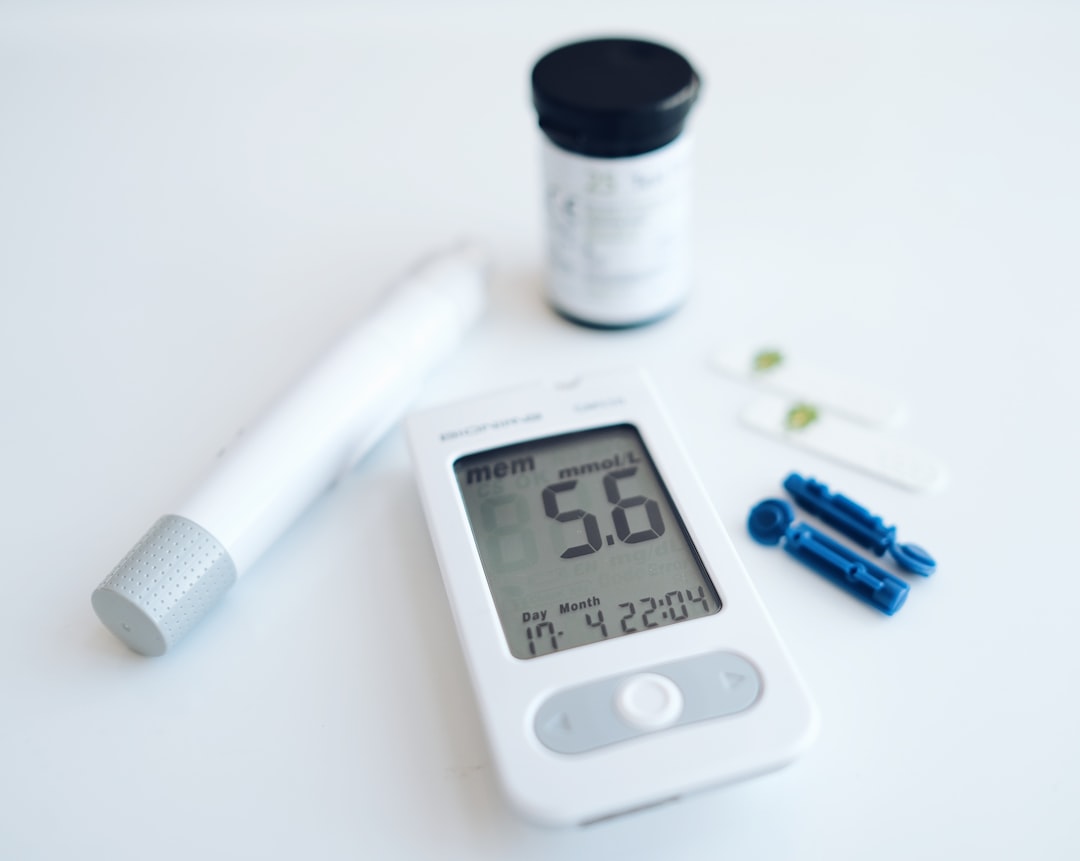
Diabetes affects roughly 537 million adults worldwide according to the International Diabetes Federation, and that number keeps climbing. By 2030, projections suggest over 640 million people will be living with the condition. Given these figures, I’m not surprised that people are searching for any edge they can get in managing their blood sugar, including dietary supplements.
Before we go further, I want to be clear about something: supplements are not a replacement for proper medical treatment. If you have diabetes, you need to work with your doctor on medication, diet, and lifestyle changes. What I’m covering here are supplements that might offer some additional benefit as part of an overall management strategy. The research on most of these is promising but not conclusive, and I’ll try to be honest about where the evidence is strong and where it’s not.
What is Diabetes?
Diabetes is fundamentally a metabolic disorder involving how your body handles blood sugar. About 90% of cases are type 2 diabetes, where the problem isn’t that your body can’t make insulin, but that your cells have become resistant to it. Your pancreas produces insulin, but your cells don’t respond properly, so glucose builds up in your bloodstream instead of being used for energy.
Over time, high blood sugar damages blood vessels and nerves throughout the body. This leads to the complications that make diabetes dangerous: kidney disease, nerve damage (neuropathy), foot problems that can lead to amputation, stroke, heart attack, vision loss, and increased susceptibility to infections including urinary tract infections. People with long-standing diabetes may also develop bladder dysfunction due to nerve damage affecting bladder control.
The NHS estimates that diabetes and its complications cost the UK’s National Health Service around 10% of its entire budget. That’s a staggering figure that reflects just how serious and widespread the consequences of this disease are.
Supplements With Research Supporting Blood Sugar Benefits
The four supplements below have accumulated enough clinical trial data to merit discussion. I’m not saying they definitely work or that everyone should take them. I’m saying the research is interesting enough to pay attention to.
1. Chromium
Chromium is a trace mineral your body uses in very small amounts. It forms part of a protein called chromodulin, which appears to enhance insulin’s ability to do its job. Different studies have found that insulin receptor activity can vary several-fold depending on chromium status, which suggests this mineral plays a meaningful role in glucose metabolism.
Natural food sources include whole grains, broccoli, green beans, nuts, and some meats. However, chromium content in food varies considerably depending on soil conditions where plants were grown.
What the research shows: A systematic review and meta-analysis published in 2020 examined 28 randomised controlled trials involving people with diabetes 1. The trials used chromium supplements at doses ranging from 50 to 1000 micrograms daily for periods of 4 to 25 weeks.
The findings were reasonably consistent. Chromium supplementation significantly reduced:
- Fasting blood glucose (FPG)
- Insulin levels
- Glycated haemoglobin (HbA1c), the measure of long-term blood sugar control
- HOMA-IR, a measure of insulin resistance
Interestingly, the benefits appeared regardless of dose. People taking 200 micrograms or less per day saw similar improvements to those taking higher doses, which suggests you probably don’t need mega-doses. The effects were most pronounced with longer interventions of 12 weeks or more.
My honest assessment: The evidence for chromium is actually reasonably solid by supplement standards. Multiple trials, consistent direction of effect, plausible biological mechanism. The main limitation is that most studies are relatively small. I’d be curious to see a large, definitive trial, but what we have is encouraging. If you’re considering chromium, the research suggests you don’t need expensive high-dose products. A standard 200 microgram supplement taken consistently for several months appears to be effective.
For more detail on chromium, including safety considerations, see our comprehensive chromium article.
2. Vitamin D
Vitamin D has received enormous research attention over the past two decades, and diabetes is one of many conditions where it shows potential benefit. Your body makes vitamin D when sunlight hits your skin, but many people don’t get enough sun exposure, particularly those living in northern latitudes or spending most of their time indoors.
Vitamin D deficiency, defined as blood levels below 50 nmol/L, has become remarkably common. Some estimates suggest over a billion people worldwide have inadequate vitamin D status 2.
What the research shows: A large observational review pooling data from 71 studies found that vitamin D status correlates negatively with blood glucose levels. Put simply, people with lower vitamin D tend to have higher blood sugar, regardless of whether they have diagnosed diabetes. The same analysis found that vitamin D deficiency increases the risk of developing type 2 diabetes 2.
That’s observational data, though. Correlation isn’t causation. More compelling are the intervention trials. A meta-analysis of 28 randomised controlled trials found that vitamin D supplementation (averaging about 3500 IU daily for 6 months) improved HbA1c and fasting blood glucose while reducing insulin resistance in people who were pre-diabetic or at high risk 3.
Another meta-analysis focused specifically on people who already had type 2 diabetes found that vitamin D supplementation significantly improved insulin resistance (HOMA-IR) 4. The effect was particularly strong in:
- Non-obese individuals
- People who were vitamin D deficient at baseline
- Those with relatively good baseline blood sugar control
- Those taking higher doses (2000 IU daily or more)
The catch: Vitamin D supplementation seems to help most when someone is actually deficient. If your vitamin D levels are already adequate, adding more may not provide much benefit. This makes sense biologically. You’re correcting a deficiency, not enhancing a normal system.
The NHS recommends that everyone in the UK consider taking a vitamin D supplement during autumn and winter when sunlight is insufficient for adequate synthesis 5. For people with diabetes or at risk of developing it, there may be additional reason to ensure adequate vitamin D status.
For a deeper look at vitamin D research, see our vitamin D benefits and side effects article.
3. Probiotics
The gut microbiome, that collection of trillions of bacteria living in your intestines, has emerged as a major player in metabolic health. Research over the past fifteen years has repeatedly found differences between the gut bacteria of people with type 2 diabetes and those without. The question is whether changing the microbiome through probiotic supplementation can actually improve diabetes outcomes.
What the research shows: A systematic review and meta-analysis published in 2020 examined 28 randomised controlled trials involving 1,947 participants with either pre-diabetes or type 2 diabetes 6. The researchers wanted to know if probiotic supplements could reduce fasting blood glucose.
The answer was yes, both in the short term and long term. Probiotics outperformed placebo at reducing baseline fasting glucose across the included trials.
More interesting were the subgroup findings. Probiotics appeared particularly effective when:
- Baseline fasting glucose was above 130 mg/dL (indicating poor control)
- Participants were NOT already receiving insulin therapy
That last point is worth thinking about. Probiotics seemed to help most in people who weren’t on insulin, suggesting they might be particularly useful earlier in the disease process or as an adjunct to oral medications.
As a bonus, the same analysis found that probiotics helped lower serum cholesterol, which matters because cardiovascular disease is the leading cause of death in people with diabetes.
Reality check: The probiotic field is complicated because different bacterial strains do different things. A supplement containing Lactobacillus acidophilus may have completely different effects than one containing Bifidobacterium longum. Most studies use multi-strain products, making it hard to know exactly which bacteria are responsible for the benefits observed. If you try probiotics for blood sugar management, I’d suggest looking for products that contain strains specifically tested in diabetes research.
4. Zinc
Zinc is the second most abundant trace mineral in your body after iron. It’s essential for hundreds of enzymatic reactions, protein folding, and gene expression. You get zinc from foods like beef, poultry, seafood (especially oysters), and fortified cereals. People with malnutrition, alcoholism, inflammatory bowel disease, or malabsorption syndromes are at higher risk of deficiency.
What makes zinc relevant to diabetes? The mineral appears to play a role in insulin storage and secretion in the pancreas. Zinc also seems to improve how insulin receptors respond to the hormone 7.
What the research shows: A systematic review and meta-analysis published in 2019 pooled data from 32 randomised placebo-controlled trials involving 1,700 participants who either had diabetes or were at high risk 7.
Zinc supplementation produced statistically significant reductions in:
- Fasting blood glucose
- Two-hour postprandial (after-meal) blood glucose
- Fasting insulin
- HOMA-IR (insulin resistance)
- HbA1c
- High-sensitivity C-reactive protein (an inflammation marker)
Subgroup analysis showed that the fasting glucose reduction was most pronounced in people who already had diabetes (rather than those at risk) and in those using inorganic zinc supplements (like zinc sulphate) rather than organic forms.
Worth noting: The inflammation finding is interesting because chronic low-grade inflammation appears to contribute to insulin resistance. If zinc reduces inflammation while also directly improving insulin sensitivity, that’s potentially a dual mechanism of benefit.
Putting This in Perspective
I want to be realistic about what these supplements can and cannot do. None of them will control diabetes on their own. If your HbA1c is 10%, adding chromium or probiotics isn’t going to bring it down to normal. These are adjunct therapies that might provide modest additional benefit on top of proper medical care.
That said, “modest” doesn’t mean worthless. If you can reduce your HbA1c by 0.3% through supplementation, that’s meaningful over time. Every bit of improvement in blood sugar control reduces the risk of complications.
Here’s my practical takeaway from reviewing this research:
-
Get tested first. Before supplementing with vitamin D or zinc, consider getting your levels checked. If you’re deficient, supplementation is more likely to help.
-
Don’t expect miracles. These supplements aren’t going to replace metformin or lifestyle changes. They’re extras.
-
Give them time. The chromium research suggests benefits are most apparent after 12+ weeks of consistent use. One bottle won’t tell you much.
-
Talk to your GP. This is particularly important if you’re on diabetes medications. Some supplements can interact with drugs or affect blood sugar in ways that might require medication adjustment.
-
Focus on the fundamentals first. Diet, exercise, and weight management have far more evidence behind them than any supplement. If you’re not doing those consistently, that’s where to start.
Who Should Be Cautious
Pregnant or breastfeeding women should discuss any supplements with their healthcare provider. People with kidney disease need to be careful with zinc and potentially other minerals. Anyone on blood thinners or multiple medications should check for interactions.
Chromium picolinate specifically has raised some theoretical concerns about DNA damage at very high doses in laboratory studies, though this hasn’t been demonstrated in humans at normal supplemental doses. The European Food Safety Authority has set an upper limit for chromium intake, so don’t assume more is better.
Final Thoughts
The research on chromium, vitamin D, probiotics, and zinc for diabetes management is genuinely encouraging. These aren’t miracle cures, but they’re not snake oil either. Each has multiple randomised controlled trials showing benefit, plausible mechanisms of action, and a reasonable safety profile at standard doses.
If you have type 2 diabetes or pre-diabetes and you’re already doing the basics right, discussing these supplements with your doctor might be worthwhile. They’re not going to transform your metabolic health overnight, but they might contribute to better outcomes over time. And in a chronic condition like diabetes, small sustained improvements add up.
References
-
Yin RV, Phung OJ. Effect of chromium supplementation on glycemic control and lipid profile in patients with type 2 diabetes mellitus: a meta-analysis of randomized controlled trials. Clin Nutr ESPEN. 2020;38:23-32. PubMed
-
Rafiq S, Jeppesen PB. Body Mass Index, Vitamin D, and Type 2 Diabetes: A Systematic Review and Meta-Analysis. Nutrients. 2018;10(9):1182. PubMed
-
Poolsup N, et al. Effect of vitamin D supplementation on insulin resistance and glycaemic control in prediabetes: a systematic review and meta-analysis. Diabet Med. 2016;33(3):290-299. PubMed
-
Li X, et al. The Effect of Vitamin D Supplementation on Glycemic Control in Type 2 Diabetes Patients: A Systematic Review and Meta-Analysis. Nutrients. 2018;10(3):375. PubMed
-
NHS. Vitamin D. NHS website. NHS Vitamin D Guide
-
Rittiphairoj T, et al. Probiotics Contribute to Glycemic Control in Patients with Type 2 Diabetes Mellitus: A Systematic Review and Meta-Analysis. Adv Nutr. 2021;12(3):722-734. PubMed
-
Wang X, et al. Zinc supplementation improves glycemic control for diabetes prevention and management: a systematic review and meta-analysis of randomized controlled trials. Am J Clin Nutr. 2019;110(1):76-90. PubMed
Medical Disclaimer: The information provided is for educational purposes only and should not be considered as medical advice. Always consult with a qualified healthcare professional before making any changes to your diet, supplement regimen, or treatment plan.
Was this article helpful?