3 supplements for osteoarthritis: glucosamine, curcumin, and type II collagen
What does the clinical evidence actually say about glucosamine, curcumin, and type II collagen for osteoarthritis? An honest look at the research.
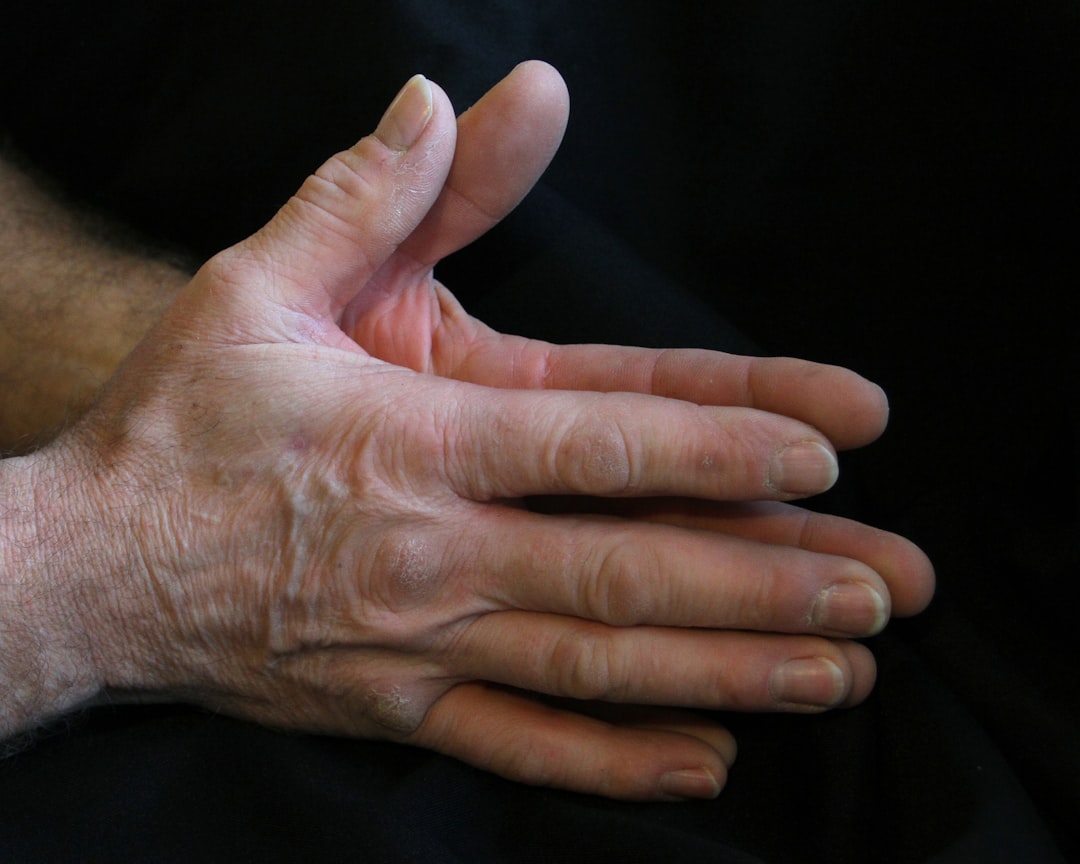
If you’ve got osteoarthritis, you’ve probably been told about glucosamine. Your doctor might have mentioned it. Your pharmacist almost certainly has a shelf full of it. Your neighbour with the dodgy knee swears by it. But does it actually work?
That’s the question I want to tackle here. Not just for glucosamine, but for the three supplements that come up most often in conversations about osteoarthritis: glucosamine, curcumin (from turmeric), and type II collagen. What does the clinical research actually show? Where’s the evidence strong, and where is it thin?
I’ll be honest upfront: the picture is messier than the supplement marketing would have you believe. But there are some genuine findings worth knowing about.
What is osteoarthritis?
First, some background. Osteoarthritis is the most common form of arthritis, affecting somewhere between 5% and 15% of the world’s population [1]. The NHS estimates that around 10 million people in the UK have arthritis, with osteoarthritis being the most prevalent type [2].
The basic problem is cartilage breakdown. The smooth, rubbery tissue that cushions your joints gradually wears away, leading to bone rubbing against bone. This causes pain, stiffness, and reduced mobility. The process involves an imbalance between the building up and breaking down of cartilage tissue, with the balance tipped toward destruction.
The most commonly affected joints are the knees, hips, hands (particularly the base of the thumb), and spine. Most people over 65 show radiological signs of osteoarthritis on X-rays, though many don’t have symptoms [1].
There are two main categories:
Primary osteoarthritis develops without an obvious cause, though risk factors include age, obesity, genetics, and repetitive joint use from occupation or sport.
Secondary osteoarthritis follows some other condition or event: previous joint injury, inflammatory arthritis like rheumatoid arthritis, infections, or metabolic conditions like haemochromatosis.
The point of supplements isn’t to cure osteoarthritis. Nothing does that yet. The question is whether they can reduce pain, slow cartilage loss, or improve joint function enough to be worth taking.
1. Glucosamine
Glucosamine is the supplement everyone asks about first. Walk into any pharmacy or health food shop and you’ll find entire sections devoted to it, often combined with chondroitin and methylsulfonylmethane (MSM).
Glucosamine is an amino sugar that your body uses to build glycosaminoglycans, components of cartilage and the fluid that lubricates joints. The theory is that supplementing with glucosamine provides raw materials for cartilage repair.
What the research shows
The evidence on glucosamine is genuinely mixed, and the disagreements between studies are notable.
A 2015 Cochrane review looked at 43 randomised controlled trials involving over 9,000 participants [3]. For pain relief compared to placebo, glucosamine showed a small benefit. The review concluded that glucosamine sulphate (specifically the crystalline form, often called the Rotta formulation after the original manufacturer) was superior to glucosamine hydrochloride.
However, a large trial called GAIT (Glucosamine/Chondroitin Arthritis Intervention Trial), involving 1,583 patients, found that glucosamine alone didn’t outperform placebo for overall pain relief, though a subgroup with moderate-to-severe pain showed some benefit when glucosamine was combined with chondroitin [4].
What about slowing cartilage loss? This is where things get interesting. Some trials using crystalline glucosamine sulphate at 1,500 mg daily showed reduced joint space narrowing over 3 years compared to placebo [5]. But other trials haven’t replicated this finding.
The Mayo Clinic summarises glucosamine as having “modest” evidence for knee osteoarthritis, noting that studies have shown mixed results [6].
My honest take
Glucosamine might help with pain. The effect size is small, roughly equivalent to paracetamol. It seems more likely to help if you use glucosamine sulphate rather than hydrochloride, and the evidence is strongest for knee osteoarthritis specifically.
Will it rebuild your cartilage? The evidence for disease modification is weaker. I wouldn’t take glucosamine expecting it to reverse joint damage.
The safety profile is good. Side effects are uncommon and usually limited to mild digestive upset. If you have shellfish allergies, check the source, as many glucosamine supplements are derived from shellfish shells. There’s also a theoretical concern about glucosamine affecting blood sugar control, so people with diabetes should monitor their levels.
If you want to try it, give it 2-3 months at 1,500 mg daily of glucosamine sulphate. If you don’t notice any difference by then, it’s probably not working for you.
Glucosamine dosage and forms
The standard dose in research is 1,500 mg daily, either as a single dose or split into three 500 mg doses. Glucosamine sulphate appears more effective than glucosamine hydrochloride in trials, though the reasons aren’t entirely clear.
Combination products with chondroitin are popular. Some evidence suggests the combination may work better than either alone, particularly in the GAIT subgroup analysis, but this finding needs more replication.
2. Curcumin
Curcumin is the active compound in turmeric, the yellow spice that gives curry its colour. Turmeric has been used in traditional medicine systems across Asia for centuries, and in recent decades curcumin has attracted considerable research attention.
Unlike glucosamine, curcumin isn’t a building block for cartilage. Its proposed mechanism is anti-inflammatory. Osteoarthritis involves chronic low-grade inflammation in the joint, and curcumin appears to inhibit several inflammatory pathways in laboratory studies.
The absorption problem
Here’s the catch with curcumin: your body barely absorbs it. Standard turmeric or curcumin powder passes through your digestive system with minimal uptake into the bloodstream. This has led to various formulation strategies to improve bioavailability.
These include:
- Adding piperine (from black pepper), which inhibits liver enzymes that break down curcumin
- Phytosome formulations that bind curcumin to phospholipids
- Nanoparticle formulations
- Micelle and emulsion technologies
Different products use different approaches, and they’re not all equivalent. The enhanced formulations can achieve blood levels 10-30 times higher than standard curcumin [7].
Clinical evidence for osteoarthritis
Several randomised trials have tested curcumin for knee osteoarthritis. A 2016 meta-analysis pooled results from 8 trials involving 606 participants [8]. The analysis found that curcumin significantly reduced pain scores compared to placebo. Some trials also showed improvements in physical function.
One notable trial compared a specific curcumin formulation (Meriva, a phytosome product) to a standard anti-inflammatory drug (nimesulide) over 8 weeks [9]. Pain scores improved by similar amounts in both groups, though the curcumin group had fewer side effects.
Another trial compared curcumin to ibuprofen in 367 patients with knee osteoarthritis [10]. After 4 weeks, pain relief was similar between the groups, but patients taking curcumin reported less stomach discomfort.
What I think about the evidence
The research on curcumin for osteoarthritis is more consistent than I expected. Multiple trials show meaningful pain reduction. Whether curcumin is as effective as standard anti-inflammatory drugs isn’t settled, but the trials suggesting equivalence are interesting.
The advantage curcumin has over NSAIDs is safety. Drugs like ibuprofen cause stomach problems, kidney issues, and cardiovascular concerns with long-term use. Curcumin appears much gentler, though it’s not without considerations (see safety section below).
The disadvantage is that you need to pay attention to formulation. A cheap turmeric powder supplement probably won’t achieve the blood levels used in positive trials. Look for products that specify enhanced bioavailability.
Safety and interactions
Curcumin is generally well tolerated. High doses can cause digestive upset, including nausea and diarrhoea.
There are some important interactions to know about. Curcumin may enhance the effects of blood-thinning medications like warfarin and aspirin, potentially increasing bleeding risk. If you’re on these medications, check with your doctor before taking curcumin.
People with gallbladder disease should avoid curcumin, as it may stimulate bile production.
There’s also a theoretical concern about curcumin reducing iron absorption, which could be relevant for people with anaemia.
For more detailed information, see our full article on curcumin benefits and side effects.
3. Type II collagen
Collagen supplements have exploded in popularity, often marketed for skin health and anti-ageing. But a specific form, undenatured type II collagen (UC-II), has been studied specifically for joint health through a completely different mechanism than the other supplements here.
How type II collagen works
The theory behind UC-II is not about providing building materials for cartilage. Instead, it’s about training your immune system.
In osteoarthritis, the immune system sometimes attacks damaged cartilage, contributing to inflammation and further breakdown. UC-II is thought to work through “oral tolerance,” a process where exposing the immune system to small amounts of a protein through the gut teaches it not to attack that protein elsewhere in the body [11].
This mechanism requires that the collagen remains “undenatured,” meaning its structure hasn’t been destroyed by heat or chemical processing. Hydrolysed collagen (the type in most collagen supplements) has been broken down into smaller peptides and works differently, if it works at all.
The research on UC-II
A 90-day trial compared UC-II (40 mg daily) to a combination of glucosamine and chondroitin in 52 patients with knee osteoarthritis [12]. The UC-II group showed greater improvement in pain scores and physical function, though both groups improved.
Another trial with 191 participants found that UC-II significantly improved knee pain and function compared to placebo after 180 days [13]. The improvements were modest but statistically significant.
A systematic review in 2017 concluded that UC-II shows “promising evidence” for osteoarthritis, though the authors noted the small number of trials and called for more research [11].
My assessment
The UC-II research is intriguing but still limited. The number of trials is small, and the mechanism is quite different from anything else in this space. I find the oral tolerance concept scientifically plausible, but the clinical database isn’t yet robust enough to be confident about the effects.
If you want to try it, look specifically for undenatured type II collagen (often listed as UC-II or UC-II®). The standard dose in research is 40 mg daily. This is very different from the grams of hydrolysed collagen in typical collagen supplements.
For more on collagen supplements, see our article on collagen benefits and side effects.
Comparing the three supplements
Here’s my honest ranking based on the current evidence:
Curcumin has the most consistent positive results, particularly for pain relief. The anti-inflammatory mechanism is well-characterised, and the safety profile is good. The main issue is ensuring you get a bioavailable formulation.
Glucosamine has the largest research base, but the results are mixed. It seems to help some people and not others. The safety profile is excellent. Worth trying, but don’t expect dramatic results.
UC-II has the smallest evidence base but an interesting mechanism. The trials that exist are positive, but there aren’t enough of them yet. Consider it experimental.
None of these is a substitute for the core recommendations for osteoarthritis management: maintaining a healthy weight, staying physically active, and using appropriate pain management when needed.
Other supplements for osteoarthritis
Several other supplements have been studied for osteoarthritis, though the evidence is generally weaker:
Boswellia (frankincense) has anti-inflammatory properties and some positive trials for knee osteoarthritis.
Fish oil omega-3 fatty acids have general anti-inflammatory effects, though the evidence specifically for osteoarthritis is limited.
Green-lipped mussel extract contains omega-3 fatty acids and other compounds with anti-inflammatory properties.
MSM (methylsulfonylmethane) is often combined with glucosamine. Some trials show modest benefits, but the evidence is thin.
Common questions about osteoarthritis
Is surgery necessary for knee osteoarthritis?
Most people with osteoarthritis don’t need surgery. Joint replacement is reserved for severe cases where conservative treatments have failed and pain or disability significantly affects quality of life.
Does weather affect osteoarthritis?
Many people report that their joints ache more in cold or damp weather. The research on this is mixed. Weather doesn’t cause osteoarthritis, but barometric pressure changes may affect joint fluid pressure or pain perception in some people.
If my parent has osteoarthritis, will I get it?
Genetics do play a role, particularly for hand and hip osteoarthritis. But lifestyle factors, particularly body weight and physical activity, have substantial effects on whether and when osteoarthritis develops. Having a family history increases risk but doesn’t make osteoarthritis inevitable.
How much extra stress does weight put on knees?
Every extra pound of body weight adds roughly 2-4 pounds of pressure on the knee joint during walking. Losing weight is one of the most effective things you can do for knee osteoarthritis.
Is osteoarthritis just part of getting old?
No. While osteoarthritis is more common with age, it’s not an inevitable part of ageing. Many older people have no significant joint problems. Joint injury, obesity, certain occupations, and genetics all affect risk independently of age.
Practical recommendations
If you’re considering supplements for osteoarthritis:
-
Get a proper diagnosis first. Joint pain has many causes. Make sure you’re actually dealing with osteoarthritis before spending money on supplements targeting it.
-
Don’t neglect the basics. Weight management, appropriate exercise (including strength training for the muscles around affected joints), and good posture matter more than any supplement.
-
Set realistic expectations. Even the best-supported supplements offer modest benefits. They’re not going to eliminate pain or restore damaged cartilage.
-
Give supplements adequate time. Most trials run for at least 8-12 weeks. Don’t expect overnight results.
-
Pay attention to formulation. For curcumin, look for enhanced bioavailability products. For collagen, look for undenatured type II specifically.
-
Tell your doctor what you’re taking. Some supplements interact with medications, particularly blood thinners.
References
-
Hunter DJ, Bierma-Zeinstra S. Osteoarthritis. Lancet. 2019;393(10182):1745-1759. doi:10.1016/S0140-6736(19)30417-9
-
NHS. Arthritis. https://www.nhs.uk/conditions/arthritis/
-
Towheed T, Maxwell L, Anastassiades TP, et al. Glucosamine therapy for treating osteoarthritis. Cochrane Database Syst Rev. 2005;(2):CD002946. doi:10.1002/14651858.CD002946.pub2
-
Clegg DO, Reda DJ, Harris CL, et al. Glucosamine, chondroitin sulfate, and the two in combination for painful knee osteoarthritis. N Engl J Med. 2006;354(8):795-808. doi:10.1056/NEJMoa052771
-
Reginster JY, Deroisy R, Rovati LC, et al. Long-term effects of glucosamine sulphate on osteoarthritis progression: a randomised, placebo-controlled clinical trial. Lancet. 2001;357(9252):251-256. doi:10.1016/S0140-6736(00)03610-2
-
Mayo Clinic. Glucosamine. https://www.mayoclinic.org/drugs-supplements-glucosamine/art-20362874
-
Prasad S, Tyagi AK, Aggarwal BB. Recent developments in delivery, bioavailability, absorption and metabolism of curcumin: the golden pigment from golden spice. Cancer Res Treat. 2014;46(1):2-18. doi:10.4143/crt.2014.46.1.2
-
Daily JW, Yang M, Park S. Efficacy of Turmeric Extracts and Curcumin for Alleviating the Symptoms of Joint Arthritis: A Systematic Review and Meta-Analysis of Randomized Clinical Trials. J Med Food. 2016;19(8):717-729. doi:10.1089/jmf.2016.3705
-
Belcaro G, Cesarone MR, Dugall M, et al. Efficacy and safety of Meriva®, a curcumin-phosphatidylcholine complex, during extended administration in osteoarthritis patients. Altern Med Rev. 2010;15(4):337-344.
-
Kuptniratsaikul V, Dajpratham P, Taechaarpornkul W, et al. Efficacy and safety of Curcuma domestica extracts compared with ibuprofen in patients with knee osteoarthritis: a multicenter study. Clin Interv Aging. 2014;9:451-458. doi:10.2147/CIA.S58535
-
Lugo JP, Saiber ZM, Lau FC, et al. Undenatured type II collagen (UC-II®) for joint support: a randomized, double-blind, placebo-controlled study in healthy volunteers. J Int Soc Sports Nutr. 2013;10(1):48. doi:10.1186/1550-2783-10-48
-
Crowley DC, Lau FC, Sharma P, et al. Safety and efficacy of undenatured type II collagen in the treatment of osteoarthritis of the knee: a clinical trial. Int J Med Sci. 2009;6(6):312-321. doi:10.7150/ijms.6.312
-
Lugo JP, Saiber ZM, Yenber EN, et al. Efficacy and tolerability of an undenatured type II collagen supplement in modulating knee osteoarthritis symptoms: a multicenter randomized, double-blind, placebo-controlled study. Nutr J. 2016;15:14. doi:10.1186/s12937-016-0130-8
Related reading
Medical Disclaimer: The information provided is for educational purposes only and should not be considered as medical advice. Always consult with a qualified healthcare professional before making any changes to your diet, supplement regimen, or treatment plan.
Was this article helpful?