Acai berries: 4 potential benefits, side effects, and 4 precautions
Acai berries are rich in anthocyanins and polyphenols. Here's what the clinical research actually shows about their benefits.
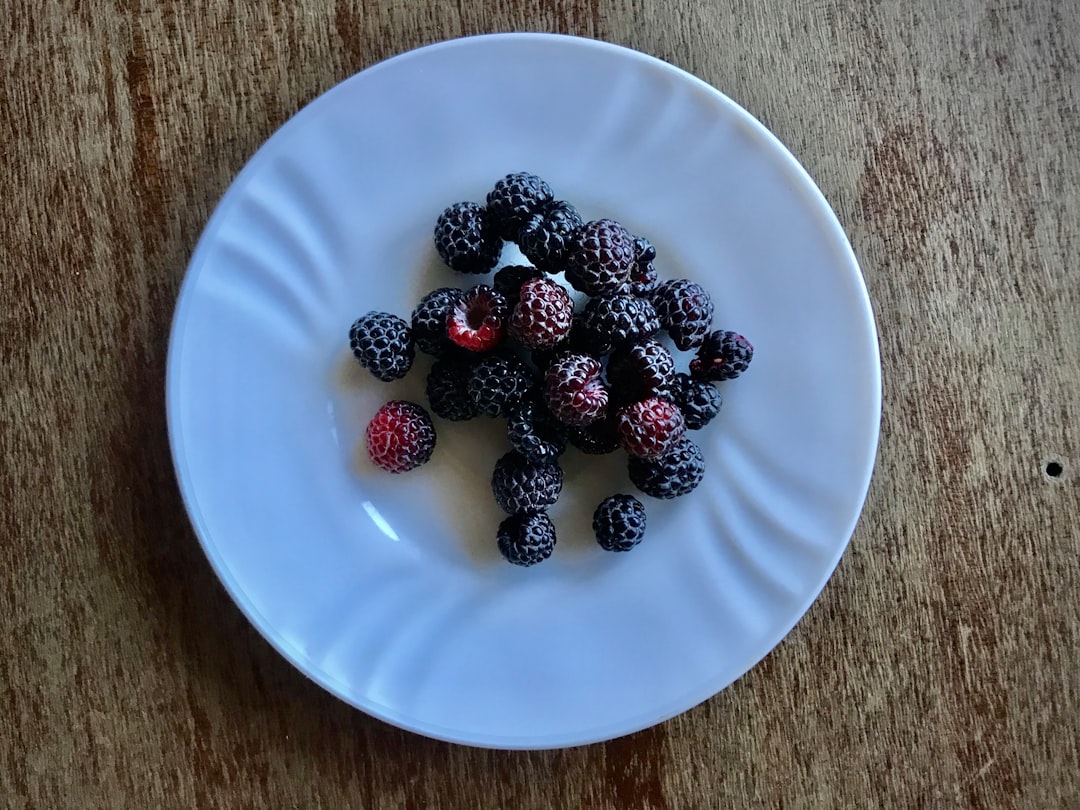
Acai berries have become something of a health food phenomenon over the past two decades. Walk into any smoothie bar or health food shop, and you’ll likely find acai bowls, acai powder, and acai supplements prominently displayed. The marketing tends to be enthusiastic, often calling acai a “superfood” with remarkable health properties.
But what does the actual clinical research show? I’ve gone through the available studies to separate fact from marketing hype. The short answer: acai does have some interesting properties, but the human research is limited, and most of the dramatic claims remain unproven.
What is acai?
Acai (pronounced ah-sah-EE) comes from the acai palm tree (Euterpe oleracea), native to the floodplains of the Amazon basin in Central and South America. The small, dark purple berries have been a dietary staple for indigenous populations in the region for centuries.
The fruit is unusual in its composition. About 80% of the berry is actually an inedible seed, with only a thin layer of flesh and skin providing the edible portion. This outer layer is where the nutrients concentrate.
Acai berries are genuinely rich in anthocyanins, the pigments that give them their deep purple colour. They also contain other polyphenols including epicatechins, catechins, and various flavonoids. These compounds have antioxidant properties in laboratory settings [1].
Traditional uses in the Amazon region include treatments for fever, pain, inflammation, and anaemia. Whether these traditional applications hold up under scientific scrutiny is a different question.
One practical issue with acai is that the fresh berries spoil rapidly after harvest. This means most people outside South America consume acai in processed forms: freeze-dried powder, juice, puree, or supplements. The processing may affect the nutrient content, though freeze-drying appears to preserve most of the anthocyanins [2].
What does the research actually show?
1. Antioxidant effects
This is probably the most studied aspect of acai, though “studied” requires some qualification. Most of the antioxidant research has been done in test tubes and animal models, not humans.
In laboratory comparisons, acai does show higher antioxidant capacity than several other anthocyanin-rich fruits including blueberries and blackberries [3]. The main compounds responsible appear to be cyanidin-3-glucoside and cyanidin-3-rutinoside.
The relevant question is whether eating acai translates to meaningful antioxidant benefits inside the human body. Here the evidence becomes thinner.
One study followed 35 healthy women who consumed acai puree for four weeks. The researchers found increases in catalase activity (an antioxidant enzyme) and total antioxidant capacity in blood samples, along with reduced markers of protein oxidation [4].
That sounds promising, but 35 participants isn’t a large sample, and the study lacked a placebo control group. We can’t rule out that the improvements came from simply eating more fruit, or from expectation effects.
My honest take: acai likely has antioxidant properties when consumed, but whether this provides health benefits beyond what you’d get from any other anthocyanin-rich berry remains unclear. Blueberries, blackberries, and cranberries are cheaper and more readily available options with similar compounds.
2. Metabolic parameters
Metabolic syndrome is a cluster of conditions including central obesity, elevated blood pressure, high blood sugar, and abnormal cholesterol levels. Having metabolic syndrome substantially increases your risk of type 2 diabetes and cardiovascular disease.
The research here is preliminary. One open-label study gave acai puree to 10 overweight adults (BMI 25-30) for one month. Compared to their baseline measurements, participants showed reductions in fasting blood glucose, insulin levels, total cholesterol, and LDL cholesterol. Postprandial blood sugar spikes were also smaller after meals [5].
Ten participants. No control group. One month. This is pilot study territory, not evidence you should change your diet based on.
The improvements might have occurred because participants were consuming more fibre and polyphenols, or because they modified other aspects of their diet during the study, or simply due to natural variation in these measurements. Without a placebo-controlled design, we can’t draw conclusions.
I wouldn’t take acai expecting it to manage your metabolic health. The standard interventions for metabolic syndrome include weight loss, exercise, and dietary changes that are better supported by research.
3. Cardiovascular function
Cardiovascular disease remains the leading cause of death globally. Anthocyanin-rich foods have been proposed to support vascular health, and acai has been examined in this context.
A randomised, double-blind controlled trial gave acai smoothies to 23 healthy men and measured vascular function using flow-mediated dilation (FMD) of the brachial artery. This measures how well blood vessels relax in response to increased blood flow [6].
The acai group showed improved FMD compared to the control group. However, there were no significant changes in blood pressure, heart rate, or blood glucose response after meals.
Twenty-three participants is still a small study, and the subjects were healthy young men, not people with cardiovascular risk factors. Whether acai would benefit people who actually need cardiovascular support is unknown.
The mechanisms proposed involve nitric oxide signalling and reduced oxidative stress on blood vessel walls. These effects have been demonstrated with other polyphenol-rich foods as well, including cocoa, red wine, and resveratrol supplements.
My interpretation: the cardiovascular effects are plausible given acai’s polyphenol content, but the clinical evidence is too limited to recommend acai specifically for heart health. If you enjoy acai as part of a varied diet rich in fruits and vegetables, that’s reasonable. Buying acai supplements hoping to prevent heart disease is not well supported.
4. Non-alcoholic fatty liver disease
Non-alcoholic fatty liver disease (NAFLD) has become increasingly common, affecting an estimated 70-80% of obese individuals. It ranges from simple fat accumulation in liver cells to more serious inflammation (steatohepatitis) that can progress to cirrhosis.
The connection between acai and fatty liver has been explored in animal research. Rats fed acai showed improvements in liver enzyme levels (ALT, alkaline phosphatase), reduced fat accumulation in liver cells, and increased antioxidant markers [7].
Animal studies can suggest directions for research, but they don’t establish human benefits. The metabolism of polyphenols differs between species, doses are difficult to translate, and rats aren’t people.
I haven’t found human trials specifically examining acai for NAFLD. Until such research exists, this remains a speculative application.
The established treatments for fatty liver disease involve weight loss (even modest reductions of 5-7% body weight help), exercise, and dietary modifications. These have actual evidence behind them.
Other claimed benefits
You’ll find acai marketed for weight loss, cancer prevention, anti-ageing, improved skin health, enhanced athletic performance, and cognitive function. The evidence for these claims ranges from weak to non-existent.
Weight loss: No convincing human research supports acai as a weight loss aid. Several products marketed for weight loss using acai have faced regulatory action for making unsubstantiated claims.
Cancer: Some test tube studies show acai extracts can inhibit cancer cell growth. This is a long way from demonstrating any benefit in living humans. Many substances kill cancer cells in a petri dish but don’t work as cancer treatments.
Cognitive function: Animal studies suggest potential neuroprotective effects, but human research is lacking.
Skin health and anti-ageing: Mostly marketing. The antioxidants in acai could theoretically support skin health, but the same is true of many other fruits.
Side effects
Acai berries are a food, and moderate consumption appears safe for most people. The available human studies haven’t reported significant adverse effects [8].
However, most people consume processed acai products rather than fresh berries. These products may include additional ingredients, and quality control varies.
Reported side effects from acai products include:
- Digestive issues: bloating, gas, nausea, constipation, or diarrhoea
- Allergic reactions: possible in people allergic to palm family plants
One unusual concern: raw acai juice and pulp in South America have occasionally been linked to Chagas disease transmission. This parasitic infection occurs when the food is contaminated with triatomine bugs or their faeces during processing in unhygienic conditions. This isn’t a concern with commercially processed products sold outside the region, which undergo pasteurisation and quality controls [9].
Acai may affect MRI scan results. One case report described dark discolouration of urine and interference with gadolinium-based contrast agents after high acai consumption. If you’re scheduled for an MRI with contrast, mention any substantial acai intake to your radiologist.
Safety precautions and contraindications
1. Kidney disease and high potassium
Acai berries contain substantial amounts of potassium. People with kidney disease who need to follow a low-potassium diet should be cautious about acai consumption. Check with your nephrologist or dietitian before adding acai products to your diet.
2. Blood sugar medication interactions
The limited research suggests acai may have blood sugar-lowering effects. If you take diabetes medications, particularly insulin or sulfonylureas, adding high-dose acai supplements could theoretically increase hypoglycaemia risk. Monitor your blood sugar more closely if you start consuming significant amounts of acai.
This is more of a theoretical concern than an established interaction, but caution is warranted. The articles on diabetes management may provide additional context.
3. Pregnancy and breastfeeding
The safety of acai during pregnancy and breastfeeding hasn’t been established through clinical research. Occasional consumption of acai as food is probably fine, but concentrated supplements should be avoided due to unknown safety.
The general principle with supplements during pregnancy is to avoid anything without established safety data unless there’s a clear medical reason to use it.
4. Chemotherapy interactions
Some laboratory research suggests acai compounds might interfere with certain chemotherapy drugs. The clinical significance of this is unclear, but people undergoing cancer treatment should discuss any supplements with their oncology team before using them.
This precaution applies to most antioxidant supplements during chemotherapy, not just acai. The concern is that antioxidants might protect cancer cells from treatment-induced oxidative damage.
Practical considerations
If you enjoy acai and want to include it in your diet, a few points worth considering:
Form matters: Freeze-dried powder retains more of the original nutrients than heat-processed products. Acai bowls at smoothie bars often contain substantial added sugar, which may offset any benefits from the acai itself.
Realistic expectations: Acai is a nutritious fruit with interesting compounds, not a miracle food. Any benefits are likely subtle and require long-term consumption as part of an overall healthy diet.
Cost: Acai products are typically expensive compared to locally available berries with similar anthocyanin content. Blueberries, blackberries, and cherries are nutritionally comparable and often more affordable.
Supplements vs food: The research that does exist has mostly used acai puree or juice, not concentrated supplements. Whether high-dose acai supplements provide additional benefits or introduce new risks is unknown.
The bottom line
Acai berries are a legitimate source of anthocyanins and polyphenols with demonstrable antioxidant activity. The human research is limited but suggests possible benefits for antioxidant status, metabolic parameters, and vascular function.
The enthusiasm in marketing has outpaced the scientific evidence. Claims about dramatic health transformations from acai are not supported by the available research.
If you enjoy acai as part of a varied diet rich in fruits, vegetables, and other whole foods, that’s perfectly reasonable. Buying expensive acai supplements hoping to prevent or treat specific conditions is less well supported.
The healthiest approach is probably to view acai as one option among many anthocyanin-rich berries, all of which can contribute to a nutritious diet, rather than as a unique superfood requiring special attention.
Related reading
- Cranberries: 7 benefits and side effects
- Resveratrol: 12 benefits and precautions
- Vitamin C: benefits, side effects, and contraindications
References
-
Schauss AG, et al. Antioxidant capacity and other bioactivities of the freeze-dried Amazonian palm berry, Euterpe oleracea Mart. (acai). J Agric Food Chem. 2006;54(22):8604-10.
-
Heinrich M, et al. Acai (Euterpe oleracea Mart.) - A phytochemical and pharmacological assessment of the species’ health claims. Phytochem Lett. 2011;4(1):10-21.
-
Poulose SM, et al. Anthocyanin-rich acai (Euterpe oleracea Mart.) fruit pulp fractions attenuate inflammatory stress signaling in mouse brain BV-2 microglial cells. J Agric Food Chem. 2012;60(4):1084-93.
-
Barbosa PO, et al. Acai (Euterpe oleracea Mart.) pulp dietary intake improves cellular antioxidant enzymes and biomarkers of serum in healthy women. Nutrition. 2016;32(6):674-80.
-
Udani JK, et al. Effects of acai (Euterpe oleracea Mart.) berry preparation on metabolic parameters in a healthy overweight population: a pilot study. Nutr J. 2011;10:45.
-
Alqurashi RM, et al. Consumption of a flavonoid-rich acai meal is associated with acute improvements in vascular function and a reduction in total oxidative status in healthy overweight men. Am J Clin Nutr. 2016;104(5):1227-35.
-
de Souza MO, et al. The hypocholesterolemic activity of acai (Euterpe oleracea Mart.) is mediated by the enhanced expression of the ATP-binding cassette, subfamily G transporters 5 and 8 and low-density lipoprotein receptor genes in the rat. Nutr Res. 2012;32(12):976-84.
-
National Center for Complementary and Integrative Health. Acai. NCCIH. https://www.nccih.nih.gov/health/acai
-
Coura JR, Borges-Pereira J. Chagas disease: 100 years after its discovery. A systemic review. Acta Trop. 2010;115(1-2):5-13.
Medical Disclaimer: The information provided is for educational purposes only and should not be considered as medical advice. Always consult with a qualified healthcare professional before making any changes to your diet, supplement regimen, or treatment plan.
Was this article helpful?