Bee pollen: 4 potential benefits, side effects, and safety precautions
Bee pollen may help with chronic prostatitis and wound healing. Review of what the clinical research shows, plus side effects and safety precautions.
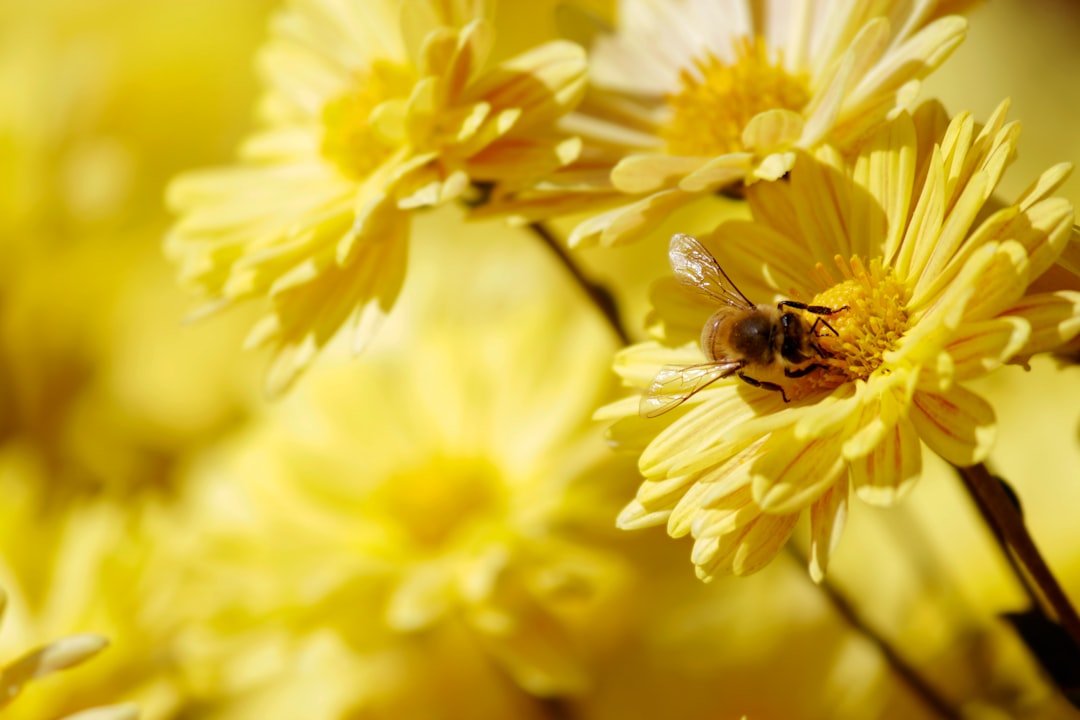
Bee pollen is one of those supplements that sounds more impressive than the evidence supports. Walk into any health food shop and you’ll find granules, tablets, and capsules claiming benefits for everything from athletic performance to prostate health to wound healing. But what does the research actually show?
I’ve gone through the available clinical studies on bee pollen, and the picture is mixed. There’s some genuinely interesting preliminary research, particularly for chronic prostatitis, but most health claims remain unproven. If you’re thinking about trying bee pollen, here’s an honest look at what we know and what we don’t.
What is bee pollen?
Bee pollen starts as the male reproductive cells of flowering plants. When bees visit flowers to collect nectar, pollen grains stick to their fuzzy bodies. Back at the hive, bees pack this pollen into pellets using nectar, enzymes, and secretions, then store it in honeycomb cells. The result is a compact food source that sustains bee colonies through winter and serves as the primary protein source for developing larvae.
Humans have collected bee pollen for thousands of years. Ancient Egyptian texts mention it, Greek physicians wrote about its medicinal properties, and traditional Chinese medicine has used it for centuries. Modern interest focuses on its unusually dense nutritional profile: bee pollen contains amino acids, vitamins (including several B vitamins), minerals, fatty acids, and various plant compounds including flavonoids and phenolic acids.1
The composition varies considerably depending on which plants the bees visited, the geographic region, climate conditions, and how the pollen was collected and stored. This variability is one reason research results are difficult to compare across studies. Bee pollen from Spanish heather fields has a different chemical makeup from pollen collected in Chinese rapeseed farms or Brazilian eucalyptus groves.
Potential benefits: what the research shows
1. Chronic prostatitis symptoms
This is where bee pollen has the strongest clinical evidence, though “strongest” is relative. Chronic prostatitis affects roughly 10-15% of men at some point, causing pelvic pain, urinary difficulties, and sometimes sexual dysfunction. It’s notoriously difficult to treat, which is partly why alternative approaches like bee pollen have attracted research attention.
A six-month study involving 90 men with chronic prostatitis compared a standardised bee pollen extract (called Cernilton) against a placebo. The pollen extract group showed improvements in urinary symptoms, including better urine flow rates and reduced urgency. Laboratory markers of inflammation also improved, with lower white blood cell counts in prostatic secretions.2
Another trial tested the same pollen extract in men with chronic prostatitis who hadn’t responded to standard antibiotic treatment. After three months, 78% of the pollen group reported symptom improvement compared to 41% in the placebo group. Pain scores dropped, and quality of life measures improved.3
My honest take: These results are genuinely interesting. The effect sizes are moderate rather than dramatic, but for a condition with limited treatment options, even modest improvements matter. The catch is that most positive studies used Cernilton, a specific pharmaceutical-grade pollen extract, not the loose granules you’d buy at a health food shop. Whether generic bee pollen supplements produce similar benefits is unknown.
2. Menopausal symptoms in breast cancer treatment
Hormonal therapies like tamoxifen are standard treatment for certain breast cancers, but they can trigger severe menopausal symptoms. Hot flashes, mood changes, and vaginal dryness are common, and standard hormone replacement therapy isn’t safe for these patients.
A small randomised trial tested a pollen and honey combination in 46 women experiencing menopausal symptoms from breast cancer treatment. Participants who took the pollen mixture reported fewer hot flashes and improved quality of life compared to those taking a placebo. The effects were modest but statistically significant.4
The mechanism isn’t entirely clear. Bee pollen doesn’t contain significant phytoestrogens, so it’s unlikely to work through hormonal pathways. Researchers have speculated that the anti-inflammatory or antioxidant properties might play a role, but this is speculative.
One study isn’t enough to draw firm conclusions. The sample size was small, the trial design had limitations, and the results haven’t been replicated. I wouldn’t recommend bee pollen as a first-line treatment for menopausal symptoms, but for women who’ve tried other options without success and whose oncologists approve, it might be worth considering.
3. Wound healing
Animal studies have found that topical bee pollen preparations can accelerate wound healing. In one experiment, wounds treated with bee pollen cream healed faster than untreated wounds, with better collagen formation and less bacterial colonisation.5
The mechanism makes theoretical sense. Bee pollen contains flavonoids and phenolic acids with established antibacterial and anti-inflammatory properties. These compounds might help prevent infection while reducing the inflammation that can slow healing.
The catch: virtually all wound healing research on bee pollen has been done in animals. Human clinical trials are scarce, and the studies that exist are small and often poorly controlled. Extrapolating from rat wounds to human burns or surgical incisions requires caution.
I wouldn’t dismiss this potential benefit entirely. Honey, a related bee product, has well-documented wound healing properties and is used in medical-grade dressings. Bee pollen might have similar potential. But until human trials provide clearer evidence, treating wounds with bee pollen products remains experimental.
4. Athletic performance
This is where the marketing outpaces the evidence by miles. Walk into any sports nutrition shop and you’ll find bee pollen marketed as a natural performance enhancer. The claims typically cite its protein and vitamin content.
The clinical evidence is thin. One small study gave pollen extract to 20 athletes for six weeks and found no improvement in exercise performance, strength, or endurance. What the researchers did notice was fewer upper respiratory infections during the training period, possibly due to immune-modulating effects.6
A more recent trial found similar results: no performance enhancement, but possible reductions in exercise-induced inflammation markers.
My interpretation: bee pollen isn’t going to make you run faster or lift more weight. Any potential benefits are probably indirect, related to immune function or recovery rather than direct performance enhancement. Athletes looking for proven ergogenic aids should look elsewhere. But if you’re interested in general health support during heavy training periods, the immune-related findings are at least worth noting.
What the evidence doesn’t support
Several purported benefits of bee pollen lack meaningful clinical support:
Weight loss: Some manufacturers market bee pollen as a metabolism booster or appetite suppressant. I’ve found no credible human trials supporting these claims. The caloric content of bee pollen supplements is negligible, so any weight loss effects would need to come from metabolic changes, for which there’s no evidence.
Allergy treatment: There’s a persistent belief that consuming local bee pollen can desensitise you to seasonal allergies. The logic sounds reasonable, but controlled studies haven’t confirmed it. Interestingly, bee pollen can actually trigger allergic reactions in sensitive individuals rather than preventing them.
Liver protection: Animal studies have found some hepatoprotective effects, but human evidence is lacking.
Side effects and allergic reactions
Bee pollen is generally well-tolerated when used at recommended doses for up to 90 days. Most people experience no adverse effects.
The major safety concern is allergic reactions. Bee pollen is, after all, a collection of plant pollens, and people with pollen allergies or allergic asthma may react. Symptoms can range from mild (itching, hives, digestive upset) to severe (throat swelling, difficulty breathing, anaphylaxis).
If you have a history of reactions to bee products like honey, royal jelly, or propolis, bee pollen is probably not for you. Even if you’ve never had issues with bee products before, starting with a small dose and watching for reactions is sensible.
Reported side effects in clinical trials have been mild and uncommon, including:
- Digestive discomfort (nausea, stomach upset)
- Diarrhoea
- Skin itching or rash
- Headache
If you experience any signs of an allergic reaction, particularly difficulty breathing, facial swelling, or widespread hives, stop taking bee pollen immediately and seek medical attention.
Safety precautions and who should avoid bee pollen
Pregnant and breastfeeding women: There’s insufficient safety data for these groups. The precautionary approach is to avoid bee pollen during pregnancy and while nursing.
Children: Safety in young children hasn’t been established. I’d recommend avoiding bee pollen supplements for children unless specifically advised by a healthcare provider.
People with liver or kidney disease: Limited data on how bee pollen is metabolised means caution is warranted in people with compromised liver or kidney function.
Those taking blood thinners: Bee pollen may have mild anticoagulant effects. If you’re on warfarin, aspirin, or other blood-thinning medications, discuss with your doctor before starting bee pollen.
Allergy sufferers: As mentioned above, people with pollen allergies, allergic asthma, or previous reactions to bee products should avoid bee pollen.
Quality and contamination concerns
Not all bee pollen supplements are equal, and quality control is a genuine issue. Bee pollen can potentially be contaminated with:
- Pesticides and herbicides from agricultural areas
- Heavy metals from polluted environments
- Mycotoxins (fungal toxins) if improperly stored
- Bacteria from unsanitary handling
The composition also varies dramatically based on geographic origin and plant sources. A “bee pollen” supplement from one manufacturer might have little in common chemically with another product bearing the same name.
If you decide to try bee pollen, choose products from reputable manufacturers who test for contaminants. Look for brands that specify the pollen’s geographic origin and ideally provide certificates of analysis.
For chronic prostatitis specifically, the clinical evidence uses standardised pharmaceutical extracts like Cernilton rather than generic supplements. If you’re trying bee pollen for prostate symptoms, a standardised product may be worth the additional cost.
Dosage
Clinical studies have used various doses, making firm recommendations difficult:
- For chronic prostatitis: 125-250 mg of standardised pollen extract (Cernilton) three times daily
- For general supplementation: 3-5 grams of pollen granules daily is commonly suggested, though not well-validated
Most studies lasted three to six months, so longer-term safety data is limited.
The bottom line
Bee pollen is genuinely interesting from a nutritional standpoint. It’s one of the most nutrient-dense natural substances known, and preliminary research suggests potential benefits for certain conditions, particularly chronic prostatitis.
That said, the clinical evidence is limited. Most studies are small, short-term, and use standardised extracts that may not reflect typical supplements. The dramatic health claims found on many bee pollen products far exceed what the research supports.
If you have chronic prostatitis and haven’t responded well to standard treatments, discussing bee pollen extract with your urologist is reasonable. The evidence isn’t overwhelming, but it’s stronger than for most alternative therapies, and the safety profile appears acceptable.
For other conditions, including athletic performance, weight loss, general wellness, or allergy prevention, I’d be more sceptical. The evidence simply isn’t there yet. Bee pollen probably won’t harm you (assuming no allergies), but whether it helps for anything other than prostate symptoms remains an open question.
Related reading
- Royal jelly: benefits, side effects, and 7 contraindications
- Propolis: effects, side effects, and 4 precautions
- Honey: 7 functions, side effects, and 4 precautions
References
Footnotes
-
Komosinska-Vassev K, et al. Bee pollen: chemical composition and therapeutic application. Evid Based Complement Alternat Med. 2015;2015:297425. PubMed ↩
-
Rugendorff EW, et al. Results of treatment with pollen extract (Cernilton N) in chronic prostatitis and prostatodynia. Br J Urol. 1993;71(4):433-8. PubMed ↩
-
Wagenlehner FM, et al. A pollen extract (Cernilton) in patients with inflammatory chronic prostatitis-chronic pelvic pain syndrome: a multicentre, randomised, prospective, double-blind, placebo-controlled phase 3 study. Eur Urol. 2009;56(3):544-51. PubMed ↩
-
Münstedt K, et al. Bee pollen and honey for the alleviation of hot flushes and other menopausal symptoms in breast cancer patients. Mol Clin Oncol. 2015;3(4):869-874. PubMed ↩
-
El-Guendouz S, et al. Chemical characterization and biological properties of Royal jelly samples from the Mediterranean area. Nat Prod Res. 2020;34(18):2605-2609. PubMed ↩
-
Maughan RJ, Evans SP. Effects of pollen extract upon adolescent swimmers. Br J Sports Med. 1982;16(3):142-5. PubMed ↩
Medical Disclaimer: The information provided is for educational purposes only and should not be considered as medical advice. Always consult with a qualified healthcare professional before making any changes to your diet, supplement regimen, or treatment plan.
Was this article helpful?