Chondroitin: 4 potential benefits, side effects, and 7 precautions
Chondroitin sulphate is widely used for joint health. We examine the clinical evidence for osteoarthritis, bladder conditions, and cancer prevention.
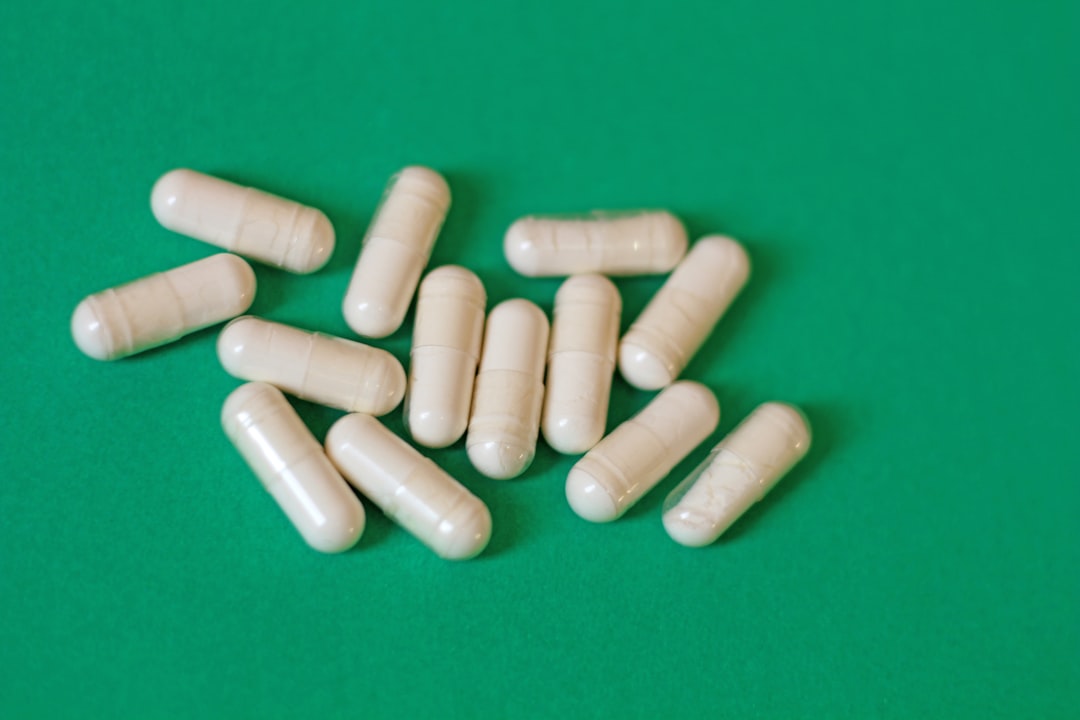
Chondroitin sulphate is one of those supplements you’ll find in nearly every pharmacy, usually sitting next to glucosamine. The two are often sold together, sometimes combined in a single pill. But does chondroitin actually do anything useful?
I’ve gone through the clinical research to see what we actually know. The short answer is that there’s reasonable evidence for some uses, particularly osteoarthritis and certain bladder conditions, but it’s not a miracle cure for anything.
What is chondroitin?
Chondroitin sulphate is a naturally occurring component of cartilage, the tough, flexible tissue that cushions your joints. It belongs to a family of molecules called glycosaminoglycans, which help give cartilage its ability to resist compression and bounce back under load.
Your body makes its own chondroitin, but production tends to decline with age. The supplement form is typically derived from animal cartilage, usually from cows, pigs, or sharks. Some manufacturers now produce it through bacterial fermentation.
At the molecular level, chondroitin appears to do several things: it provides structural support to cartilage, holds water within the tissue (which helps with shock absorption), and may have anti-inflammatory effects. Whether taking it orally translates these properties into meaningful clinical benefits is the real question.
What are the proven benefits of chondroitin?
1. Osteoarthritis
This is where most of the research has focused, and it’s the main reason people take chondroitin.
Osteoarthritis is the most common form of arthritis, particularly affecting weight-bearing joints like knees and hips. It’s characterised by progressive breakdown of cartilage, along with changes to the underlying bone. The result is pain, stiffness, and sometimes visible joint deformity.
A 2019 meta-analysis examined 18 randomised, placebo-controlled trials involving 3,791 patients with osteoarthritis [1]. Overall, chondroitin significantly reduced pain and improved joint function compared to placebo. However, the results weren’t consistent across all studies.
When the researchers looked specifically at trials with lower risk of bias, they found that pharmaceutical-grade chondroitin showed more reliable benefits for pain relief and functional improvement. This matters because supplement quality varies enormously. A pharmaceutical-grade product from a reputable source is likely to contain what the label says; a cheaper supplement from an unknown manufacturer might not.
Another meta-analysis from the same year (also 18 trials) found a small to moderate effect on pain reduction, but little effect on joint space narrowing (a measure of cartilage loss) and no effect on cartilage volume [2].
My honest take: chondroitin probably does help with osteoarthritis symptoms, at least for some people. But the effects are modest, and you shouldn’t expect it to reverse joint damage or stop the disease progressing. If you’re going to try it, use a pharmaceutical-grade product and give it at least 2-3 months before deciding whether it’s working.
It’s worth noting that chondroitin is often combined with glucosamine, another popular joint supplement. Some studies suggest the combination might work better than either alone, though the evidence here isn’t definitive either.
2. Reduced risk of colorectal cancer
This finding surprised me, but it’s based on decent epidemiological data.
Two large prospective cohort studies looked at glucosamine and chondroitin use in relation to colorectal cancer risk [3]. Glucosamine alone wasn’t associated with any change in cancer risk. But the combination of glucosamine plus chondroitin was associated with a 23% lower risk of colorectal cancer.
This protective association held up regardless of how long the follow-up period was, whether participants were male or female, whether they used aspirin, their body mass index, or their physical activity levels.
The catch: this is observational data, not a randomised trial. People who take supplements might differ from those who don’t in ways that affect cancer risk. They might eat better, exercise more, or be more health-conscious generally. So while the association is interesting, it doesn’t prove that chondroitin prevents cancer.
Nobody’s running large randomised trials to test this, so we’re unlikely to get definitive answers. If you’re already taking chondroitin for joint health, this is a potential bonus. But I wouldn’t take it specifically for cancer prevention based on current evidence.
3. Recurrent urinary tract infections
Nearly half of all women experience a urinary tract infection at some point. For some, UTIs keep coming back: more than six episodes in two months, or more than twelve in a year.
Standard treatment involves antibiotics, but repeated antibiotic use has obvious drawbacks. Researchers have explored whether restoring the bladder lining might help prevent recurrence.
A meta-analysis of four studies examined intravesical instillation (placing a solution directly into the bladder via catheter) of hyaluronic acid alone or combined with chondroitin sulphate in women with recurrent bacterial cystitis [4]. Both treatments significantly reduced:
- Rate of UTI recurrence
- Mean time to next UTI
- Pelvic pain scores
- Urgency and frequency symptoms
The theory is that chondroitin and hyaluronic acid help rebuild the glycosaminoglycan layer that lines the bladder, which may be deficient in women with recurrent infections.
The limitation: these studies were small, and intravesical instillation requires clinical visits and catheterisation. It’s not something you can do at home with oral supplements. The evidence applies specifically to this direct-to-bladder delivery method.
4. Interstitial cystitis and painful bladder syndrome
Interstitial cystitis (sometimes called painful bladder syndrome) is a chronic condition characterised by bladder pain, frequent urination, and nocturia without an obvious cause like bacterial infection.
In the US, women are affected about nine times more often than men. The exact cause remains unclear, but theories include dysfunction of the bladder lining, chronic inflammation, and nerve hypersensitivity.
A systematic review and meta-analysis examined 10 studies involving 390 patients with interstitial cystitis who received intravesical instillation of hyaluronic acid or hyaluronic acid plus chondroitin sulphate [5]. The treatment improved:
- Pain symptoms
- Quality of life measures
- Bladder capacity
- Voided volume
Again, this involves direct bladder instillation rather than oral supplements. For people with this difficult-to-treat condition, it represents a reasonable option, though the evidence base is limited by small sample sizes and short follow-up periods.
What about oral chondroitin for bladder conditions?
Oral chondroitin is sometimes promoted for bladder health, but I should be clear: the bladder studies I’ve described above used intravesical instillation, not oral supplements. Whether taking chondroitin by mouth provides any benefit to the bladder is genuinely unclear.
The idea has some biological plausibility. Chondroitin is a glycosaminoglycan, and the bladder lining contains glycosaminoglycans. In theory, oral supplementation might support that layer. But I haven’t found convincing clinical trials demonstrating this for oral administration.
If you’re considering chondroitin specifically for bladder symptoms, discuss intravesical therapy with a urologist rather than assuming oral supplements will work the same way.
Are there any side effects of chondroitin?
According to the NHS, chondroitin is generally considered safe for most healthy adults [6]. Studies lasting up to six years haven’t identified serious safety concerns with oral use.
Reported side effects tend to be mild and gastrointestinal:
- Bloating
- Nausea
- Diarrhoea or constipation
- Stomach discomfort
Less commonly reported effects include:
- Headache
- Eyelid or leg swelling
- Hair loss
- Skin rash
- Heart rhythm changes (rare)
Most people tolerate chondroitin without problems, but individual responses vary.
Safety precautions (7 contraindications)
1. Pregnancy and breastfeeding
There isn’t enough research to know whether chondroitin is safe during pregnancy or breastfeeding. Avoid it or consult your doctor.
2. Asthma
Some reports suggest chondroitin might worsen asthma symptoms in certain individuals. If you have asthma, be cautious and monitor for any changes if you decide to take it.
3. Bleeding disorders or upcoming surgery
Chondroitin may have mild blood-thinning effects. If you have a bleeding disorder or scheduled surgery, discuss with your doctor.
4. Prostate cancer history
Early research found higher concentrations of chondroitin sulphate in tissues surrounding prostate cancer correlated with higher recurrence and spread rates [7]. However, subsequent research hasn’t found that taking chondroitin supplements increases prostate cancer risk [8]. Still, if you have a history of prostate cancer, it’s reasonable to discuss this with your oncologist before starting supplementation.
5. Anticoagulant medications
If you’re taking warfarin or other blood thinners, chondroitin might increase the risk of bleeding and bruising. Your medication’s effectiveness might also be affected. Consult your doctor before combining them.
6. Allergies
Chondroitin supplements are often derived from animal cartilage (cows, pigs, sharks). If you have allergies to these sources, you might react to the supplement. Some people experience allergic reactions including difficulty breathing, facial swelling, and rash. If this happens, stop taking the supplement and seek medical help immediately.
7. Liver disease
There’s at least one documented case of drug-induced liver injury in a patient with mild, undiagnosed autoimmune hepatitis who was taking chondroitin [9]. If you have chronic liver disease or a history of liver problems, discuss with your doctor before use.
How to use chondroitin
Typical doses in clinical studies range from 800 to 1,200 mg daily, often divided into two or three doses. For osteoarthritis, many studies used 1,200 mg daily.
Effects aren’t immediate. Most studies suggest it takes at least 4-8 weeks to see benefits, and some trials lasted several months before meaningful differences appeared.
Quality matters significantly. Look for pharmaceutical-grade products or those with third-party testing verification. The supplement industry isn’t tightly regulated, and product quality varies widely.
Chondroitin is often combined with glucosamine in commercial products. This combination has been studied, though whether it works better than either supplement alone remains debated.
Comparing chondroitin to other joint supplements
Several supplements are marketed for joint health. Here’s how chondroitin compares:
Glucosamine: Often taken alongside chondroitin. Similar level of evidence for osteoarthritis symptoms. Some researchers think the combination works better than either alone.
MSM (methylsulfonylmethane): Less studied than chondroitin. Some evidence for pain relief in osteoarthritis, but fewer high-quality trials.
Curcumin: The active compound in turmeric. Growing evidence for anti-inflammatory effects. May work through different mechanisms than chondroitin.
Boswellia: Also called frankincense extract. Some positive trials for osteoarthritis pain.
Fish oil: Anti-inflammatory effects but evidence for joint-specific benefits is mixed.
None of these supplements is dramatically effective. If you’re dealing with significant joint pain or functional limitations, medical treatment and physical therapy should be your first priorities.
The bottom line
Chondroitin sulphate has reasonable evidence supporting modest benefits for osteoarthritis symptoms. The effects aren’t dramatic, but for some people, it may help reduce pain and improve function.
For bladder conditions like recurrent UTIs and interstitial cystitis, intravesical (direct bladder) instillation of hyaluronic acid plus chondroitin shows promise, but this is a clinical procedure, not something achieved with oral supplements.
The association with reduced colorectal cancer risk is intriguing but based on observational data.
If you’re considering chondroitin for joint health, use a quality product, take it consistently for at least two months before judging results, and maintain realistic expectations. It’s a supplement, not a cure.
Related reading
- Glucosamine: 5 benefits, side effects, and 11 contraindications
- 3 supplements for osteoarthritis: what the research actually shows
- Cat’s claw: 3 potential benefits, side effects, and 12 contraindications
References
-
Zhu X, Sang L, Wu D, Rong J, Jiang L. Effectiveness and safety of glucosamine and chondroitin for the treatment of osteoarthritis: a meta-analysis of randomized controlled trials. J Orthop Surg Res. 2018;13(1):170. https://pubmed.ncbi.nlm.nih.gov/30879253/
-
Singh JA, Noorbaloochi S, MacDonald R, Maxwell LJ. Chondroitin for osteoarthritis. Cochrane Database Syst Rev. 2015;1(1):CD005614. https://pubmed.ncbi.nlm.nih.gov/30859538/
-
Kantor ED, Zhang X, Wu K, Signorello LB, Chan AT, Fuchs CS, Giovannucci EL. Use of glucosamine and chondroitin supplements in relation to risk of colorectal cancer: Results from the Nurses’ Health Study and Health Professionals Follow-up Study. Int J Cancer. 2016;139(9):1949-57. https://www.ncbi.nlm.nih.gov/pmc/articles/PMC4990485/
-
Madersbacher H, van Ophoven A, van Kerrebroeck PE. GAG layer replenishment therapy for chronic forms of cystitis with intravesical glycosaminoglycans—a review. Neurourol Urodyn. 2013;32(1):9-18. https://pubmed.ncbi.nlm.nih.gov/23129247/
-
Pyo JS, Cho WJ. Systematic Review and Meta-Analysis of Intravesical Hyaluronic Acid and Hyaluronic Acid/Chondroitin Sulfate Instillation for Interstitial Cystitis/Painful Bladder Syndrome. Cell Physiol Biochem. 2016;39(4):1618-1625. https://pubmed.ncbi.nlm.nih.gov/27627755/
-
NHS. Glucosamine. https://www.nhs.uk/medicines/glucosamine/
-
Ricciardelli C, Mayne K, Sykes PJ, Raymond WA, McCaul K, Marshall VR, Horsfall DJ. Elevated levels of versican but not decorin predict disease progression in early-stage prostate cancer. Clin Cancer Res. 1998;4(4):963-71. https://pubmed.ncbi.nlm.nih.gov/6200616/
-
Brasky TM, Lampe JW, Slatore CG, White E. Use of glucosamine and chondroitin and lung cancer risk in the VITamins And Lifestyle (VITAL) cohort. Cancer Causes Control. 2011;22(9):1333-42. https://www.ncbi.nlm.nih.gov/pmc/articles/PMC3100666/
-
Cerda C, Bruguera M, Parés A. Hepatotoxicity associated with glucosamine and chondroitin sulfate in patients with chronic liver disease. World J Gastroenterol. 2020;26(15):1751-1755. https://www.ncbi.nlm.nih.gov/pmc/articles/PMC6983763/
Medical Disclaimer: The information provided is for educational purposes only and should not be considered as medical advice. Always consult with a qualified healthcare professional before making any changes to your diet, supplement regimen, or treatment plan.
Was this article helpful?