Moringa: 4 Benefits, Side Effects & 5 Precautions
Moringa is promoted as a nutrient-dense superfood, but what does the clinical evidence actually show? Here's an honest look at the research.
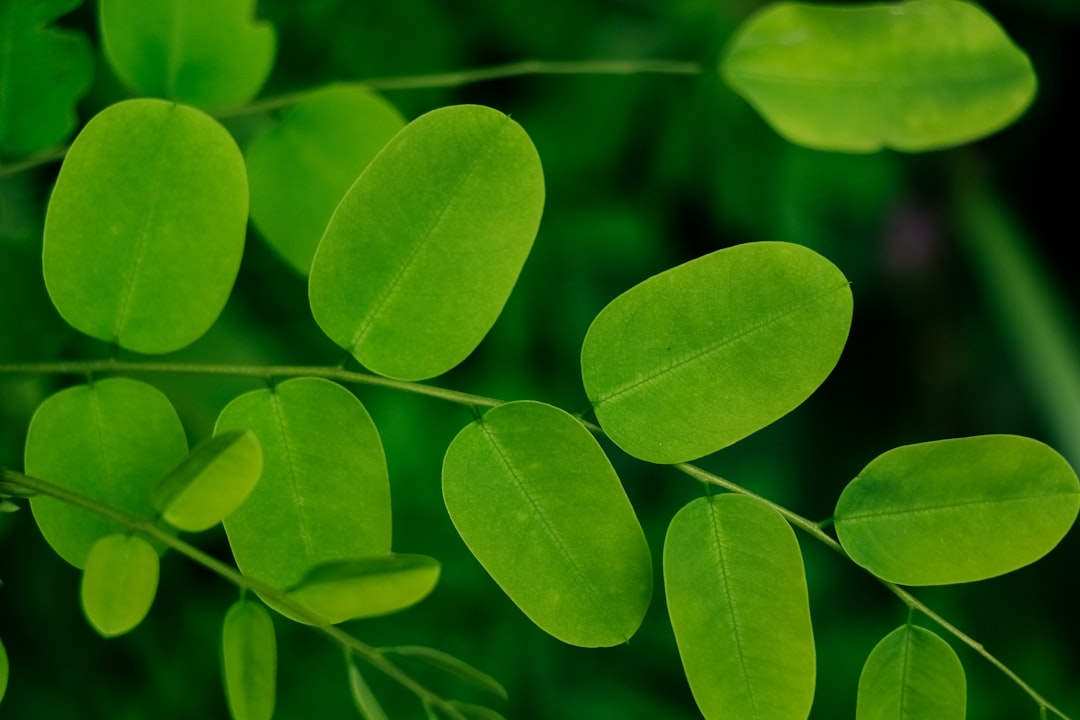
Moringa oleifera goes by many names: drumstick tree, horseradish tree, ben oil tree, and the rather grandiose “miracle tree”. The plant originates from the Indian subcontinent but now grows throughout tropical and subtropical regions worldwide. Nearly every part of the plant gets used for something: leaves for food and supplements, seeds for water purification, oil for cosmetics and fuel, flowers for honey production.
The supplement industry has latched onto moringa with enthusiasm, marketing it as a nutrient powerhouse with dozens of health benefits. But I’ve learned to be sceptical of “superfood” claims. Let me walk through what the clinical research actually shows.
What is moringa?
Moringa belongs to the Moringaceae family and grows as a fast-growing deciduous tree reaching 10 to 12 metres tall. The leaves, which are the part most commonly used in supplements, contain measurable amounts of vitamin A, vitamin C, and various minerals including iron, potassium, calcium, and magnesium.
Laboratory analyses have identified various plant compounds in moringa, including flavonoids, phenolic acids, and glucosinolates. These compounds show antioxidant activity in test tubes, which has fuelled speculation about potential health benefits. However, test-tube findings don’t necessarily translate to human bodies, where absorption, metabolism, and tissue distribution all come into play.
There are about 13 species of moringa, but Moringa oleifera is the one you’ll find in supplements and the one that researchers have studied most. The leaves can be eaten fresh, cooked, or dried and powdered for capsules.
What are the claimed benefits of moringa?
The internet is awash with claims about moringa treating everything from diabetes to cancer to erectile dysfunction. I’ve reviewed the clinical evidence for the main claims, and the picture is decidedly more modest than the marketing suggests.
1. Blood sugar control in type 2 diabetes
This is probably the most commonly cited benefit, and I wish I could report stronger evidence.
Type 2 diabetes involves problems with blood sugar regulation, leading to chronically elevated glucose levels. Over time, this can damage blood vessels and nerves, contributing to complications affecting the eyes, kidneys, heart, and limbs. Finding safe, effective ways to improve blood sugar control matters.
A randomised, placebo-controlled trial from 2017 tested moringa leaf capsules in 32 patients with previously untreated type 2 diabetes [1]. After four weeks, the researchers found no improvement in fasting blood glucose or HbA1c (a marker of long-term blood sugar control) compared to placebo.
That’s not the result moringa proponents were hoping for. A few other small studies have shown modest effects, but the quality of evidence remains poor overall. The Mayo Clinic’s review notes that while moringa shows promise in preliminary research, there isn’t enough evidence to recommend it for diabetes management.
My assessment: I wouldn’t take moringa expecting it to help with blood sugar. If you have diabetes, proven interventions like diet, exercise, and medication remain the foundation of treatment.
2. Liver protection
The liver handles an enormous workload: metabolising drugs, processing nutrients, producing bile, storing vitamins, and filtering toxins from the blood. Given this vulnerability to damage, researchers have tested many plant extracts for liver-protective effects.
One animal study found that moringa extract (from flowers or leaves) reduced markers of liver damage caused by drug injection [2]. The researchers observed lower levels of liver enzymes in the blood, which typically rise when liver cells are damaged.
But here’s the limitation: this was an animal study using an artificially induced liver injury. Rodent livers don’t always behave like human livers, and drug-induced injury in a lab setting doesn’t necessarily reflect conditions like fatty liver disease or hepatitis in humans.
I couldn’t find well-designed human trials specifically testing moringa for liver protection. Animal data is a starting point, not a conclusion.
My assessment: The liver protection claim lacks human evidence. Interesting laboratory finding, but nothing to act on yet.
3. Metabolic syndrome improvement
Metabolic syndrome is a cluster of risk factors: abdominal obesity, elevated blood pressure, high triglycerides, low HDL cholesterol, and impaired fasting glucose. Having three or more of these increases the risk of heart disease and type 2 diabetes. The International Diabetes Federation estimates roughly 25% of the global population meets the criteria for metabolic syndrome.
An animal study tested moringa leaf powder in rats and found improvements in glucose tolerance, triglyceride levels, and waist circumference [3]. This is consistent with the plant’s proposed effects on metabolism.
The problem is the same as before: animal data doesn’t predict human outcomes reliably. Rats metabolise compounds differently, they eat standardised diets, and they’re genetically identical within study groups. Human metabolic syndrome develops over years of complex dietary and lifestyle factors.
My assessment: No human clinical trials support using moringa for metabolic syndrome. The animal findings are hypothesis-generating at best.
4. Antioxidant capacity
This is where moringa has slightly better human evidence, though I’d temper expectations.
Oxidative stress occurs when reactive oxygen species (free radicals) overwhelm the body’s antioxidant defences. This imbalance contributes to aging and various chronic diseases. Many plant foods contain compounds that can neutralise free radicals in laboratory tests.
A study of 20 healthy adults tested moringa leaf extract and measured various markers of antioxidant status [4]. The participants showed improved plasma iron-reducing capacity (FRAP), increased total antioxidant capacity (TEAC), and reduced malondialdehyde (MDA, a marker of oxidative damage).
This is better evidence than the previous claims because it’s actually human data. However, 20 participants is a tiny sample, and improved antioxidant markers don’t necessarily translate to disease prevention or treatment. The body has complex feedback mechanisms, and simply boosting one antioxidant pathway doesn’t guarantee better health outcomes.
For context, many foods improve these same markers. Berries, leafy greens, spirulina, and astaxanthin all show antioxidant effects in human studies.
My assessment: Moringa probably does have antioxidant activity in humans, but so do many other foods and supplements. This isn’t unique.
What are the side effects of moringa?
The leaves and pods of moringa appear safe when consumed in food amounts. The leaves are eaten as vegetables in many countries, particularly in South Asia and parts of Africa, without reports of widespread problems.
Supplements concentrate the plant material, which could theoretically cause issues at higher doses, though serious adverse events seem rare in the clinical literature.
The roots and bark are a different matter. These contain compounds including spirochin and pterygospermin that may be toxic. Most supplements use only the leaves, but it’s worth checking labels.
Common reported side effects at higher supplement doses include:
- Digestive upset (nausea, diarrhoea)
- Heartburn
- Lower blood pressure (problematic if already low or on medication)
Safety precautions (5 contraindications)
1. Pregnancy
Animal studies have found that moringa can cause uterine contractions and may increase miscarriage risk [5]. Until human safety data exists, pregnant women should avoid moringa supplements entirely. This isn’t being overly cautious; it’s basic precaution given the animal findings.
2. Breastfeeding
Some human studies suggest moringa increases breast milk production [6], which sounds positive. However, the safety for nursing infants hasn’t been established. Compounds from the mother’s diet do pass into breast milk, and we don’t know whether moringa constituents are safe for newborns. I’d avoid it until better data exists.
3. Impaired liver or kidney function
Given the lack of pharmacokinetic data on how moringa compounds are metabolised and excreted, people with compromised liver or kidney function should be cautious. These organs handle processing and elimination of plant compounds, and impaired function could lead to accumulation.
4. Diabetes medications
Moringa may have mild blood sugar-lowering effects (even though the clinical trial mentioned earlier was negative). If you take insulin, metformin, or other glucose-lowering drugs, adding moringa could theoretically increase hypoglycaemia risk. Monitor blood sugar closely if you decide to try it, and discuss with your doctor.
5. Drug interactions via cytochrome P450
Moringa extracts have been shown to affect cytochrome P450 enzymes in laboratory studies. These enzymes metabolise many common medications, so interference could either increase drug levels (risking toxicity) or decrease them (reducing effectiveness).
Drugs that may be affected include:
- Blood thinners (warfarin)
- Anti-inflammatory drugs (celecoxib, diclofenac, ibuprofen)
- Statins (fluvastatin)
- Diabetes medications (glipizide)
- Blood pressure medications (losartan, irbesartan)
- Antiseizure drugs (phenytoin)
- Antidepressants (amitriptyline)
- Immunotherapy drugs (tamoxifen)
If you take any regular medications, check with a pharmacist before adding moringa.
The bottom line
Moringa is genuinely nutritious as a food. The leaves contain vitamins, minerals, and plant compounds with antioxidant activity. In regions where it grows, it’s a valuable addition to diets that might otherwise lack diverse vegetables.
As a supplement for specific health conditions? The evidence is thin. The diabetes trial was negative. The liver and metabolic syndrome claims rest entirely on animal data. The antioxidant evidence is real but unremarkable compared to other options.
I’m not saying moringa is useless, but I am saying the “miracle tree” marketing far exceeds what the science supports. If you want to try moringa supplements, they’re probably safe for most healthy adults who aren’t pregnant, breastfeeding, or taking medications that might interact. Just don’t expect miracles.
Related reading
References
-
Taweerutchana R, et al. Effect of Moringa oleifera leaf capsules on glycemic control in therapy-naïve type 2 diabetes patients: a randomized placebo-controlled study. Evid Based Complement Alternat Med. 2017;2017:6581390. PubMed
-
Sharifudin SA, et al. Therapeutic potential of Moringa oleifera extracts against acetaminophen-induced hepatotoxicity in rats. Pharm Biol. 2013;51(1):44-53. PubMed
-
Owolabi LO, et al. Effect of Moringa oleifera on metabolic syndrome in Wistar rats. J Med Food. 2018;21(10):1084-1092. PubMed
-
Kou X, et al. Nutraceutical or pharmacological potential of Moringa oleifera Lam. Nutrients. 2018;10(3):343. PubMed
-
Sethi N, et al. Antifertility and teratogenic activity of Moringa oleifera in rats. Indian J Med Res. 1988;87:538-547. PubMed
-
Estrella MC, et al. A double-blind, randomized controlled trial on the use of malunggay (Moringa oleifera) for augmentation of the volume of breastmilk among non-nursing mothers of preterm infants. Philipp J Pediatr. 2000;49:3-6. PubMed
-
Mayo Clinic. Moringa. mayoclinic.org
Medical Disclaimer: The information provided is for educational purposes only and should not be considered as medical advice. Always consult with a qualified healthcare professional before making any changes to your diet, supplement regimen, or treatment plan.
Was this article helpful?