4 Smart Ways to Use Turmeric Powder for Better Absorption
Practical methods to use turmeric powder in cooking and drinks, plus three evidence-based techniques to improve curcumin absorption.
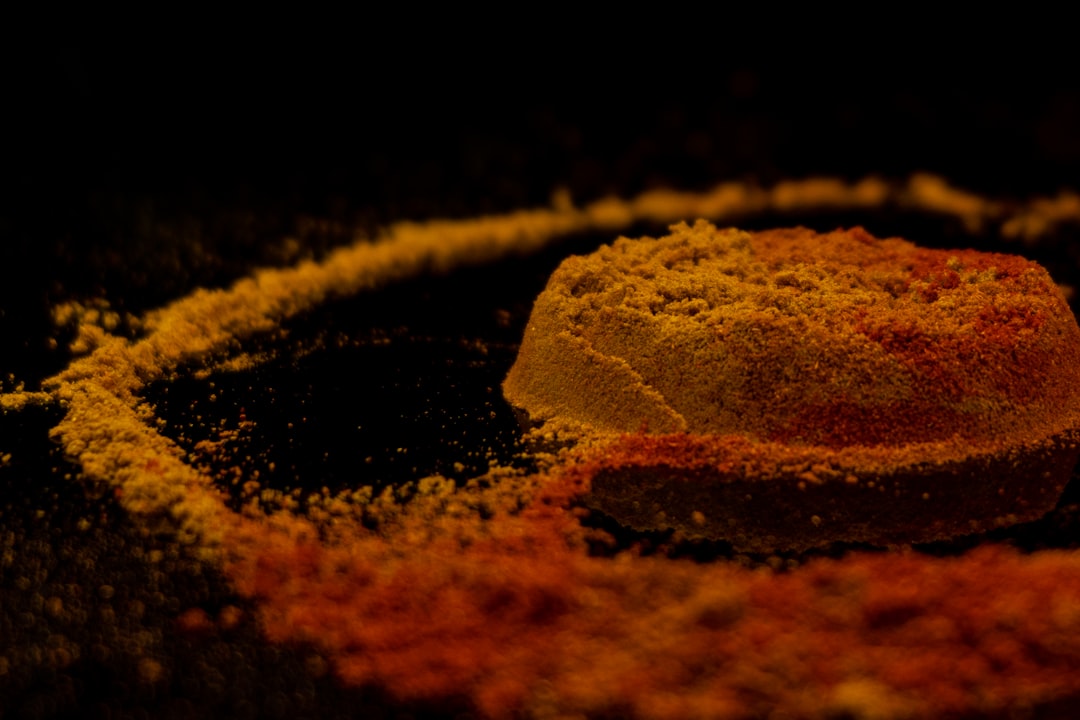
Turmeric has become one of the most talked-about healthy foods in recent years. It originated in Indian Vedic culture thousands of years ago, where its distinctive golden colour, earthy aroma and medicinal properties made it central to cooking, traditional medicine and religious ceremonies.
Over the past century, turmeric spread globally through trade routes, and about 130 different varieties have evolved in various climates. The common turmeric powder you buy in shops comes from drying and grinding the underground rhizome (root) of the Curcuma longa plant.
What’s actually in turmeric powder?
Turmeric contains over 100 identified chemical compounds, including water, carbohydrates, protein, fibre, and volatile oils. But the compounds that get all the attention are the curcuminoids, particularly curcumin, which gives turmeric its yellow colour and is responsible for most of its biological activity.
Standard turmeric powder contains roughly 3% curcumin by weight [1]. This means that a typical teaspoon (about 3 grams) of turmeric powder contains around 90mg of curcumin. That’s not nothing, but it’s considerably less than what’s used in most clinical studies (which typically range from 500mg to 2,000mg of curcumin daily).
The volatile oils in turmeric, particularly turmerone and ar-turmerone, contribute to its distinctive smell and may have their own biological effects, though these have been studied far less than curcumin [2].
The absorption problem (and why it matters)
Here’s the awkward truth about turmeric: most of the curcumin you swallow never actually reaches your bloodstream.
Human and animal studies consistently show that oral curcumin has poor bioavailability. Somewhere between 40% and 85% of the dose passes straight through your digestive system without being absorbed [3]. The curcumin that does get absorbed is rapidly metabolised by your liver and eliminated.
This isn’t just a theoretical concern. If curcumin can’t get into your blood, it can’t reach your tissues, and it can’t do whatever it might otherwise do. So improving absorption is actually important if you want culinary turmeric use to have any meaningful effect beyond seasoning your food.
Three evidence-based ways to improve absorption
1. Add black pepper
This is the best-studied method. Black pepper contains piperine, a compound that inhibits the liver enzymes responsible for breaking down curcumin. One widely-cited study found that adding piperine increased curcumin bioavailability by 2,000% compared to curcumin alone [4].
In practical terms: a pinch of black pepper added to your turmeric dish is probably enough. You don’t need much; the study that showed the 2,000% increase used just 20mg of piperine alongside 2g of curcumin.
2. Add fat
Curcumin is fat-soluble, which means it dissolves in oil rather than water. Consuming turmeric with a source of fat helps it pass through your intestinal wall and into your bloodstream.
Good options include olive oil, coconut oil, full-fat milk, ghee, or the natural fats in meat or fish. One study found that combining curcumin with oil increased its absorption in rats by a factor of seven to eight compared to curcumin in water [5].
3. Heat it
Heating turmeric increases the solubility of curcumin in water by about 12-fold, according to laboratory studies [6]. This makes sense when you think about it: hot liquids dissolve more substances than cold liquids.
This is why golden milk (turmeric heated in milk) and turmeric tea may deliver curcumin more effectively than simply sprinkling raw turmeric powder on cold food. The heat helps the curcumin disperse and become more available for absorption.
Combining all three approaches (fat, heat, and black pepper) gives you the best chance of actually absorbing a meaningful amount of curcumin from culinary turmeric.
Precautions before using turmeric regularly
Turmeric is generally safe as a culinary spice at the amounts used in cooking. But there are a few situations where you should be cautious:
If you run hot and dry: In traditional medicine systems, turmeric is considered warming. People who already tend towards irritability, dry mouth, constipation, or mouth ulcers may find these worsen with regular turmeric use. This isn’t based on clinical trials, but it’s worth paying attention to if you notice these patterns.
If you’re pregnant or have a history of miscarriage: Turmeric may stimulate uterine contractions. At normal culinary doses, this is unlikely to cause problems, but therapeutic doses (concentrated curcumin supplements) are generally not recommended during pregnancy [7].
If you have gallstones: Turmeric promotes bile secretion and can cause gallbladder contractions. For most people, this is harmless or even beneficial. But if you have gallstones, this could potentially trigger pain [8]. If you have gallbladder issues, check with your doctor before using turmeric therapeutically.
If you’re on blood-thinning medication: Curcumin may have mild antiplatelet effects. This is unlikely to matter at culinary doses, but if you’re taking warfarin, aspirin, or other anticoagulants, be aware of this and mention your turmeric use to your doctor [9].
Four practical ways to use turmeric powder
1. Turmeric latte (golden milk)
Golden milk has become popular in cafes, but it’s easy to make at home and far cheaper. The combination of milk fat, heat, and optional black pepper addresses all three absorption factors.
Ingredients:
- 1 teaspoon turmeric powder (or 3cm of fresh turmeric root, sliced)
- ½ teaspoon ground cinnamon
- 1 slice of fresh ginger (or ¼ teaspoon ginger powder)
- 1 teaspoon honey or maple syrup (optional)
- 500ml milk (dairy or plant-based; oat milk and coconut milk work well)
- A pinch of black pepper
Method: Add all ingredients to a blender and blend until smooth. Pour into a small saucepan and heat gently until warm but not boiling. Strain if using fresh turmeric or ginger, or drink as is. A sprinkle of cinnamon on top improves the presentation.
The warmth of this drink makes it a good alternative to coffee or tea in the evening, as it contains no caffeine.
2. Turmeric tea with goji berries
This variation pairs turmeric with goji berries (wolfberries), which are rich in vitamin A precursors and have been used in Chinese traditional medicine for eye health. The coconut oil provides fat for absorption.
Ingredients:
- 1 teaspoon turmeric powder (or 3cm fresh turmeric, peeled and sliced)
- 1 teaspoon coconut oil
- 1 slice fresh ginger (or ¼ teaspoon ginger powder)
- 1 teaspoon dried goji berries
- 300ml boiling water
- 1 teaspoon honey (optional)
- A pinch of black pepper
Method: Place the turmeric, coconut oil, ginger, goji berries and black pepper in a mug. Pour over boiling water and stir well. Let steep for 5 minutes. Add honey if desired.
The coconut oil will float on top initially but will disperse as you stir. This is a lighter option than golden milk if you want something less filling.
3. Turmeric cake
This Persian-influenced cake incorporates turmeric in a subtler way. The oil and coconut provide fat for absorption, and the baking heat helps disperse the curcumin throughout the batter.
Ingredients:
- 250g self-raising flour (or 250g plain flour mixed with 2 teaspoons baking powder and ¼ teaspoon salt)
- 150g sugar
- 1 teaspoon turmeric powder
- 150g desiccated coconut
- A pinch of salt
- 180ml vegetable oil or melted butter
- 60ml coconut milk or regular milk
- 15g mixed nuts for decoration (pine nuts, cashews, or pistachios)
Method: Preheat your oven to 175°C (350°F). Grease a baking tin with oil or butter to prevent sticking.
In a large bowl, mix the flour, sugar, turmeric, coconut and salt. Add the oil and milk, and stir gently until just combined. Don’t overmix.
Pour into the prepared tin and smooth the top. Scatter nuts evenly over the surface. Bake for approximately 45 minutes, or until a skewer inserted in the centre comes out clean.
Let cool for 15 minutes before cutting. The turmeric gives the cake a subtle golden colour and slightly earthy flavour that pairs well with the coconut sweetness.
4. Turmeric rice
Turmeric rice is common throughout Asia and the Middle East. It’s one of the simplest ways to incorporate turmeric into everyday meals, and the fat from butter or ghee aids absorption.
Ingredients:
- 200g long-grain rice (basmati works well)
- 400ml water or chicken stock
- 1 teaspoon butter or ghee
- 1 teaspoon turmeric powder
- Half an onion, finely diced
- A pinch of black pepper
Method: Melt the butter in a saucepan over medium heat. Add the onion and cook until softened (about 3-4 minutes). Add the turmeric and black pepper and stir for 30 seconds until fragrant.
Add the rice and stir to coat in the turmeric mixture. Pour in the water or stock. Bring to a boil, then immediately reduce heat to low, cover with a tight-fitting lid, and cook for 15 minutes without lifting the lid.
Remove from heat and let sit, covered, for another 5 minutes. Fluff with a fork before serving.
This pairs well with curries, grilled meat, or roasted vegetables. The black pepper is barely noticeable but contributes to curcumin absorption.
How to choose quality turmeric powder
Not all turmeric powder is equal. Some products have been found to contain excessive heavy metals, particularly lead, which can accumulate in the body and damage the nervous system over time [10]. Others are adulterated with starch, wheat flour, or synthetic colourants to bulk out the product or enhance the colour.
When buying turmeric:
- Choose brands with third-party testing or certification for purity
- Look for products that specify curcumin content (if you care about therapeutic use)
- Buy from reputable suppliers with clear labelling
- Organic certification doesn’t guarantee purity but does indicate some level of oversight
- If the price seems too good to be true, it probably is
If you’re serious about the potential health benefits of curcumin rather than just using turmeric as a culinary spice, you might consider curcumin supplements, which contain higher concentrations of the active compound and often include absorption-enhancing ingredients like piperine or phospholipids.
The bottom line
Turmeric is a versatile spice that adds colour, flavour and potentially some health benefits to food. The active compound curcumin has genuine biological effects, though most clinical research uses concentrated supplements rather than culinary turmeric.
If you want to get more out of your turmeric use:
- Combine it with fat (oil, milk, butter)
- Heat it
- Add black pepper
These three steps genuinely improve absorption based on the available evidence. The four recipes above incorporate these principles while tasting good enough to make regularly.
For people with chronic inflammatory conditions, digestive issues, or those interested in general wellness, adding turmeric to your cooking is a reasonable, low-risk approach. Just don’t expect culinary doses to match what you’d get from supplements, and be aware of the precautions mentioned above.
Related reading
- Curcumin: 33 benefits, side effects and 11 contraindications
- 3 benefits and side effects of boswellia
- Osteoarthritis and natural remedies
References
- Tayyem RF, et al. Curcumin content of turmeric and curry powders. Nutr Cancer. 2006;55(2):126-131.
- Yue GG, et al. Immunostimulatory activities of polysaccharide extract isolated from Curcuma longa. Int J Biol Macromol. 2010;47(3):342-347.
- Anand P, et al. Bioavailability of curcumin: problems and promises. Mol Pharm. 2007;4(6):807-818.
- Shoba G, et al. Influence of piperine on the pharmacokinetics of curcumin in animals and human volunteers. Planta Med. 1998;64(4):353-356.
- Jager R, et al. Comparative absorption of curcumin formulations. Nutr J. 2014;13:11.
- Kurien BT, et al. Improving the solubility and pharmacological efficacy of curcumin by heat treatment. Assay Drug Dev Technol. 2007;5(4):567-576.
- NHS. Herbal medicines in pregnancy. Available at: https://www.nhs.uk/pregnancy/keeping-well/medicines/
- Rasyid A, Lelo A. The effect of curcumin and placebo on human gall-bladder function: an ultrasound study. Aliment Pharmacol Ther. 1999;13(2):245-249.
- Shah BH, et al. Inhibitory effect of curcumin on platelet aggregation. Thromb Haemost. 1999;82(4):1355-1356.
- Forsyth JE, et al. Turmeric means “yellow” in Bengali: Lead chromate pigments added to turmeric threaten public health across Bangladesh. Environ Res. 2019;179(Pt A):108722.
Medical Disclaimer: The information provided is for educational purposes only and should not be considered as medical advice. Always consult with a qualified healthcare professional before making any changes to your diet, supplement regimen, or treatment plan.
Was this article helpful?