Betaine: 5 Benefits, Side Effects & 3 Precautions
Betaine (TMG) may lower homocysteine and reduce body fat, though evidence for athletic performance is mixed. Learn about dosing and safety.
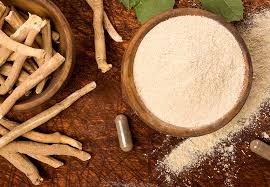
Betaine was first isolated from sugar beets in the 19th century, which is where its name comes from. It turns up naturally in wheat bran, spinach, quinoa, and shellfish. Your body can also make small amounts from choline, though dietary intake is the main source for most people.
I should clarify something upfront: there are two forms of betaine supplements on the market, and they do completely different things. The first is trimethylglycine (TMG), sometimes called “betaine anhydrous”, which is what this article covers. The second is betaine hydrochloride (betaine HCl), a stomach acid supplement. Despite sharing a name, they have different chemical properties and uses. If you’re looking at a supplement bottle, check which one you’re actually buying.
What does betaine do in the body?
Betaine has two main functions, and understanding them helps make sense of the research.
Methyl donor
Your body constantly shuffles methyl groups (a carbon atom with three hydrogens attached) between molecules. This process, called methylation, affects DNA regulation, neurotransmitter production, and the metabolism of various amino acids. Betaine donates methyl groups to convert homocysteine back into methionine, which matters because elevated homocysteine is associated with cardiovascular problems.
This methylation pathway also connects to the production of creatine, carnitine, taurine, and SAMe. The relationships are complicated, but the short version is that betaine sits in the middle of several metabolic pathways.
Osmoprotectant
Cells need to regulate their internal water balance. When conditions get hypertonic (more solutes outside than inside), water wants to leave the cell. Betaine accumulates inside cells and helps maintain fluid balance without disrupting normal cellular functions. This is why betaine concentrations are particularly high in kidney cells, which regularly deal with osmotic stress.
What does the research actually show?
I’ve gone through the clinical evidence. The picture is mixed, which shouldn’t surprise anyone who follows supplement research.
1. Lowering homocysteine
This is where betaine has its strongest evidence. A 2021 systematic review and meta-analysis found that betaine supplementation reliably reduces homocysteine levels [1]. The effect is dose-dependent, with daily doses under 4g showing the most favourable profile.
Why does homocysteine matter? Elevated homocysteine (hyperhomocysteinaemia) damages blood vessel walls and affects clotting. Observational studies consistently link high homocysteine to cardiovascular disease, including heart attacks and strokes.
Here’s the catch: while betaine clearly lowers homocysteine, we don’t have large randomised trials proving this translates to fewer heart attacks. The logic is reasonable, but the direct evidence isn’t there yet. Homocysteine-lowering with B vitamins hasn’t shown consistent cardiovascular benefits in trials, which raises questions about whether homocysteine is a causal factor or just a marker.
One practical note from the research: doses of 4g or more per day can increase total cholesterol and LDL cholesterol. Doses under 4g appear to lower homocysteine without this trade-off, which is why lower doses are generally recommended.
2. Reducing body fat
A 2019 meta-analysis looked at six randomised controlled trials involving 195 participants [2]. Betaine supplementation (2-9.9g daily for 10 days to 24 weeks) reduced total body fat mass and body fat percentage.
Before getting excited: no changes in body weight or BMI were observed. The sample sizes were small. And the mechanisms aren’t entirely clear. Some researchers think betaine affects lipid metabolism through its role in methylation; others suggest effects on muscle protein synthesis that might shift body composition.
My honest assessment: the effect on body composition is probably real but modest. This isn’t a weight loss supplement. If you’re already exercising and eating well, betaine might provide a small additional benefit. If you’re not doing those things, betaine won’t compensate.
3. Athletic performance
This is where the supplement industry gets most excited about betaine, and it’s also where the evidence is weakest.
A 2017 systematic review examined seven randomised controlled trials [3]. Only two showed positive effects on muscle strength or power output. The remaining five found no significant changes.
The theory is plausible: betaine might support creatine synthesis, and creatine does improve high-intensity exercise performance. But the clinical trials haven’t consistently shown this translating to meaningful performance gains.
I wouldn’t take betaine expecting to lift heavier or run faster. If you’re an athlete considering it, the potential upside is small, and the evidence doesn’t justify high doses.
4. Cancer risk
A 2018 meta-analysis of 28 observational studies found that higher blood betaine levels were associated with lower cancer incidence, particularly colorectal cancer [4].
I need to be clear about what this does and doesn’t mean. Observational studies show correlation, not causation. People with higher betaine levels might also have other protective factors (better diets, different genetic profiles, other lifestyle factors). We don’t have randomised trials showing that betaine supplementation prevents cancer.
The biological rationale involves methylation and DNA stability, which is at least plausible. But “associated with lower rates in observational studies” is a long way from “taking betaine supplements will reduce your cancer risk”.
5. Dry mouth (xerostomia)
This one is more niche. A 2011 randomised controlled trial with 105 participants found that a mouthwash containing betaine helped improve dry mouth symptoms [5].
Dry mouth sounds minor but significantly affects quality of life. It makes eating, speaking, and swallowing difficult. Saliva also protects teeth and fights oral infections. Causes include medication side effects (many common drugs cause dry mouth), ageing, Sjogren’s syndrome, diabetes, and cancer treatments.
The study found improvement with betaine-containing mouthwash specifically, not oral betaine supplements. This is a topical application where betaine’s osmoprotectant properties might help maintain moisture in oral tissues.
Limited evidence, but if you have chronic dry mouth, a betaine mouthwash might be worth trying alongside other interventions.
Side effects
For most healthy adults, betaine at standard doses (1.5-3g daily) appears safe. Reported side effects are uncommon but include:
- Gastrointestinal symptoms: nausea, diarrhoea, stomach discomfort
- Reduced appetite in some people
- Fishy body odour in those with certain genetic variants (see contraindications below)
- Occasional reports of irritability or sleep disturbances
The gastrointestinal effects typically occur at higher doses or when starting supplementation. Taking betaine with food may help.
Safety precautions and contraindications
1. Pregnancy and breastfeeding
There isn’t enough safety data for pregnant or breastfeeding women. The prudent approach is to avoid supplementation during these periods unless specifically recommended by a healthcare provider.
2. Trimethylaminuria risk
Some people have variants in the FMO3 gene that affect how they metabolise trimethylamine, a betaine metabolite [6]. In these individuals, betaine supplementation can cause a strong fishy body odour (trimethylaminuria or “fish odour syndrome”).
If you notice a persistent fishy smell after starting betaine, stop taking it. The condition is genetic and affects roughly 1 in 40,000 people severely, though milder variants are more common.
3. Cholesterol concerns
Betaine can increase total cholesterol and LDL cholesterol, particularly at doses of 4g or more daily used for more than 6 weeks [7]. If you have existing dyslipidaemia or cardiovascular risk factors, discuss betaine supplementation with your doctor and monitor your lipid levels.
Lower doses (under 4g daily) appear less likely to affect cholesterol, but individual responses vary.
Practical considerations
Dosing: Most studies use 1.5-6g daily. For general supplementation, 1.5-3g daily is reasonable. Higher doses (4-6g) are sometimes used therapeutically for homocystinuria but require medical supervision due to cholesterol effects.
Timing: Betaine can be taken with or without food. If you experience stomach upset, try taking it with meals.
Duration: The studies showing benefits typically ran for several weeks to months. This isn’t a supplement where you’d expect immediate effects.
Drug interactions: Betaine may interact with medications metabolised through methylation pathways. If you’re taking medications for liver disease, epilepsy, or Parkinson’s disease, consult your healthcare provider before starting betaine.
The bottom line
Betaine has decent evidence for lowering homocysteine and modest evidence for improving body composition. The athletic performance claims are overstated given the mixed trial results. The cancer association is observational and shouldn’t be the basis for supplementation decisions.
If you have elevated homocysteine levels and want to address them nutritionally, betaine at 2-3g daily is a reasonable option. For general health, eating betaine-rich foods (beets, spinach, quinoa, wheat products) is probably sufficient.
I wouldn’t recommend betaine as a primary supplement for most people. It’s not harmful at standard doses, but the benefits for healthy individuals are modest at best.
Related reading
- The effects and side effects of taurine
- Benefits and side effects of creatine
- L-carnitine: what the research shows
References
-
Arabi SM, Sedaghat A, Ehsani AH, et al. The effect of betaine supplementation on homocysteine concentrations: a systematic review and meta-analysis of randomised controlled trials. J Hum Nutr Diet. 2021;34(5):856-867. PubMed
-
Gao X, Wang Y, Randell E, et al. Higher dietary choline and betaine intakes are associated with better body composition in the adult population of Newfoundland, Canada. PLoS One. 2016;11(5):e0155403. PMC
-
Cholewa JM, Wyszczelska-Rokiel M, Glowacki R, et al. Effects of betaine on body composition, performance, and homocysteine thiolactone. J Int Soc Sports Nutr. 2013;10(1):39. PubMed
-
Zhao G, He F, Wu C, et al. Betaine in inflammation: mechanistic aspects and applications. Front Immunol. 2018;9:1070. PubMed
-
Ship JA, McCutcheon JA, Spivakovsky S, Kerr AR. Safety and effectiveness of topical dry mouth products containing olive oil, betaine, and xylitol in reducing xerostomia for polypharmacy-induced dry mouth. J Oral Rehabil. 2007;34(10):724-732. PubMed
-
Mackay RJ, McEntyre CJ, Henderson C, Lever M, George PM. Trimethylaminuria: causes and diagnosis of a socially distressing condition. Clin Biochem Rev. 2011;32(1):33-43. PMC
-
Schwab U, Torronen A, Toppinen L, et al. Betaine supplementation decreases plasma homocysteine concentrations but does not affect body weight, body composition, or resting energy expenditure in human subjects. Am J Clin Nutr. 2002;76(5):961-967. PubMed
Medical Disclaimer: The information provided is for educational purposes only and should not be considered as medical advice. Always consult with a qualified healthcare professional before making any changes to your diet, supplement regimen, or treatment plan.
Was this article helpful?