L-Theanine: 5 Benefits, Side Effects & 3 Precautions
L-theanine is a calming amino acid found in tea. Learn about its effects on anxiety, sleep, and stress, plus safety precautions.
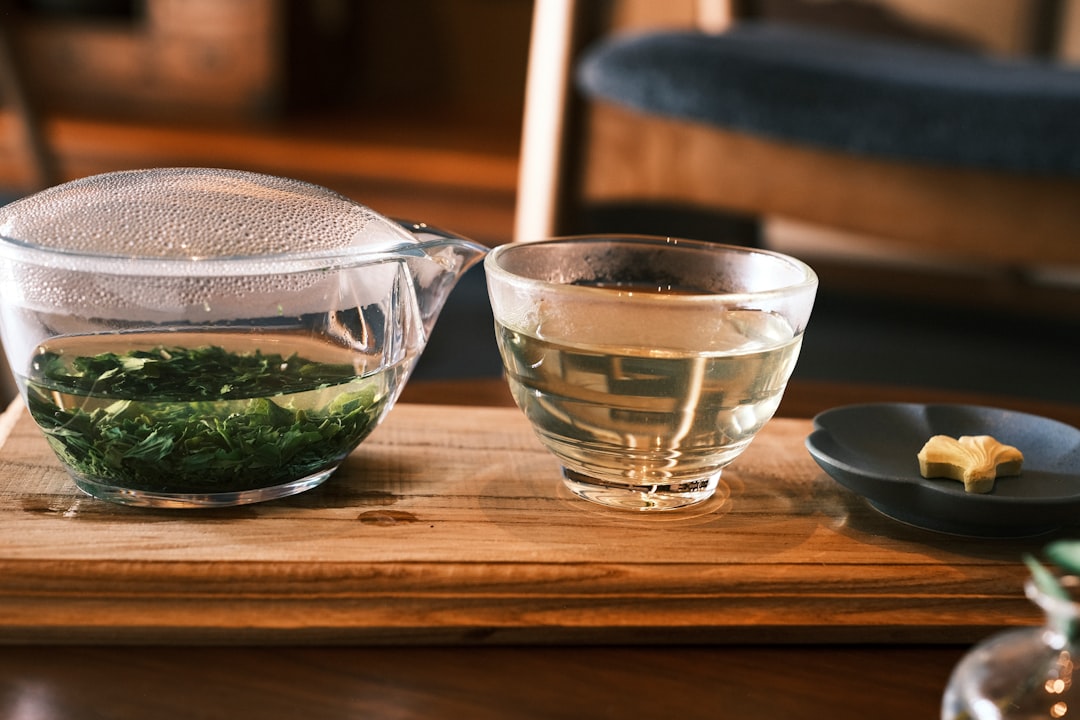
If you’ve ever wondered why a cup of green tea feels different from coffee, even when both contain caffeine, L-theanine is a big part of the answer. This amino acid, found almost exclusively in tea leaves, has an unusual ability to promote calmness without causing drowsiness. It’s the reason tea drinkers often describe their caffeine experience as “alert but not jittery.”
L-theanine has attracted considerable interest from researchers looking at anxiety, sleep quality, and cognitive performance. But as with most supplements, the evidence is mixed, and the dosages used in studies often differ substantially from what you’d get from drinking tea.
What is L-theanine?
L-theanine (sometimes written as L-Theanine or simply theanine) is a non-protein amino acid first isolated from green tea leaves in 1949 by Japanese scientists. Chemically, it resembles glutamate, one of the brain’s primary excitatory neurotransmitters, though L-theanine appears to have the opposite effect, promoting relaxation rather than stimulation.
Tea plants synthesise L-theanine in their roots, then transport it to the leaves where it accumulates. The compound gives tea its characteristic umami flavour and helps balance the bitterness of caffeine and astringency of tannins. A typical cup of green tea contains roughly 25mg of L-theanine, though this varies considerably depending on the tea variety, growing conditions, and brewing method. Shade-grown teas like gyokuro and matcha contain substantially more, sometimes exceeding 40mg per serving [1].
L-theanine crosses the blood-brain barrier and reaches peak concentration in the brain within about 30 minutes of ingestion [2]. Once there, it appears to influence several neurotransmitter systems, including GABA, dopamine, and serotonin, though researchers are still working out the precise mechanisms.
Potential benefits of L-theanine
1. May help with generalised anxiety disorder
Generalised anxiety disorder (GAD) affects roughly 3-6% of adults, causing persistent worry that interferes with daily life. Standard treatments include cognitive behavioural therapy and medications like SSRIs, but many people seek complementary approaches, either due to side effects from medications or personal preference.
A randomised controlled trial involving 46 patients with DSM-5 diagnosed generalised anxiety disorder tested L-theanine (450-900mg daily) as an add-on to existing treatment over 10 weeks. The results were somewhat disappointing for the primary outcome: L-theanine didn’t significantly reduce anxiety scores on the Hamilton Anxiety Scale compared to placebo [3].
However, participants taking L-theanine did report better sleep satisfaction and milder insomnia symptoms. This is worth noting because sleep problems and anxiety often occur together, and improving one can sometimes help the other.
I should be honest here: this is a single study with a small sample size. The evidence isn’t strong enough to recommend L-theanine as a treatment for clinical anxiety disorders. But for people with mild, everyday anxiety who are interested in trying it alongside other approaches, the safety profile is reassuring.
2. Shows promise for depression symptoms
Depression remains one of the most common mental health conditions worldwide, affecting roughly 5% of adults. While effective treatments exist, many people experience only partial relief from standard antidepressants, leading researchers to explore adjunctive treatments.
An open-label study followed 20 patients with major depressive disorder who added L-theanine to their existing treatment regimen for 8 weeks. The researchers observed improvements across several domains: depressive symptoms, anxiety levels, sleep quality, and cognitive function [4].
The potential mechanism involves L-theanine’s effects on inhibitory neurotransmitters. It appears to increase levels of GABA, glycine, and possibly glutamate in certain brain regions, which could help explain its calming effects [4].
Two important caveats: first, open-label studies lack placebo controls, so some improvement could reflect placebo effects or the natural course of the illness. Second, 20 participants is quite small. Larger, placebo-controlled trials would provide much stronger evidence.
3. Can reduce subjective stress responses
Feeling stressed isn’t the same as having an anxiety disorder, but chronic stress takes a real toll on health. It’s associated with cardiovascular problems, weakened immune function, and various psychological issues. Finding ways to buffer stress responses could have meaningful health benefits.
A randomised, double-blind, placebo-controlled crossover trial tested L-theanine in 34 healthy adults who completed a cognitively demanding “multitasking stressor” test. Those who consumed an L-theanine-containing beverage beforehand showed reduced stress responses and lower salivary cortisol (a biological marker of stress) compared to the placebo condition [5].
Interestingly, the study also found increased alpha brain wave activity in participants with higher baseline anxiety traits. Alpha waves are associated with a state of wakeful relaxation, the kind you might experience during meditation or while gazing at a pleasant view. However, this brain wave change wasn’t directly correlated with the stress-reduction effects, so the relationship between these findings remains unclear.
4. May benefit people with schizophrenia
Schizophrenia is a chronic condition characterised by positive symptoms (hallucinations, delusions), negative symptoms (emotional flatness, social withdrawal), and cognitive impairment. Anxiety is also common in people with schizophrenia and significantly affects quality of life.
A double-blind, randomised, placebo-controlled study examined L-theanine as an add-on treatment in 60 patients with schizophrenia or schizoaffective disorder who were already taking antipsychotic medications. After 8 weeks, those receiving L-theanine (400mg daily) showed improvements in anxiety levels, positive symptoms, and overall symptoms compared to placebo, as measured by the Positive and Negative Syndrome Scale [6].
This is genuinely interesting because treatments for the anxiety that accompanies schizophrenia are limited. Benzodiazepines carry addiction risks, and some alternatives interact problematically with antipsychotics. L-theanine’s safety profile makes it an appealing option to investigate further.
That said, this remains a single study, and the improvements, while statistically significant, were modest. Anyone with schizophrenia should discuss any supplements with their psychiatrist before trying them.
5. Combined with cystine, may reduce cold incidence
This one surprised me when I first encountered it. L-theanine combined with L-cystine (another amino acid) has been investigated for immune function.
A randomised, double-blind, placebo-controlled trial involving 176 healthy men took supplements containing both L-theanine and L-cystine for 35 days during cold season. The supplement group had fewer cold episodes and fewer fevers than the placebo group [7]. However, for those who did catch colds, the duration wasn’t significantly shorter.
The proposed mechanism involves enhanced immune cell function, particularly natural killer cells and T-cells, though I’ll admit the connection between these amino acids and cold prevention isn’t entirely intuitive to me. More research would help clarify whether this effect is real and clinically meaningful.
Side effects of L-theanine
L-theanine has a good safety profile based on available evidence. Short-term use at standard supplement doses (typically 100-400mg daily) appears well tolerated in most people.
Animal studies using very high doses found no signs of toxicity [8]. Human trials have generally reported minimal side effects, with most studies describing L-theanine as safe and well tolerated.
Some people report mild side effects including:
- Headaches
- Dizziness
- Gastrointestinal discomfort
These appear uncommon and typically mild. The relaxing effects of L-theanine could theoretically cause excessive drowsiness in sensitive individuals, particularly when combined with other sedating substances.
Safety precautions and contraindications
1. Pregnancy and breastfeeding
There simply isn’t enough research to know whether L-theanine is safe during pregnancy or while breastfeeding. Green tea consumption in moderation is generally considered acceptable during pregnancy (keeping caffeine intake reasonable), but concentrated L-theanine supplements are a different matter. The standard advice applies: avoid supplements without adequate safety data unless specifically recommended by your healthcare provider.
2. Blood pressure medications
L-theanine may have mild blood pressure-lowering effects. While this could theoretically be beneficial for some people, it raises concerns about interactions with antihypertensive medications. The combination could potentially cause blood pressure to drop too low, leading to dizziness or fainting.
Medications in this category include ACE inhibitors (captopril, enalapril), ARBs (losartan, valsartan), calcium channel blockers (diltiazem, amlodipine), and diuretics (hydrochlorothiazide, furosemide). If you take any blood pressure medication, discuss L-theanine with your doctor before using it.
3. Stimulant medications
L-theanine’s calming effects work in the opposite direction to stimulant drugs. Taking both together could theoretically reduce the effectiveness of stimulants, which might be problematic if you’re taking them for a medical condition like ADHD.
Relevant medications include prescription stimulants (amphetamine, methylphenidate) and over-the-counter stimulants used in cold and allergy medications (pseudoephedrine, epinephrine). Some people actually like combining L-theanine with caffeine to “smooth out” the stimulant effects, but this is recreational use rather than medical treatment.
How L-theanine compares to similar supplements
If you’re interested in natural approaches to relaxation and stress management, you might also consider:
- GABA supplements work on similar neurotransmitter systems, though questions remain about how well supplemental GABA crosses the blood-brain barrier
- Melatonin is better suited for sleep timing issues rather than anxiety
- Valerian has a longer history of traditional use for sleep and anxiety
- CBD (cannabidiol) has preliminary evidence for anxiety and sleep, though it works through different mechanisms involving the endocannabinoid system
- St John’s Wort is better studied for depression but has more drug interactions
For sleep-related issues, you might also want to read about insomnia therapies that don’t involve supplements at all.
Practical considerations
L-theanine supplements typically come in doses of 100-200mg per capsule. Study doses have ranged from 200-900mg daily, often split into multiple doses. For stress and relaxation, most research has used 200-400mg.
You can also get L-theanine from tea, though the amounts are lower and vary considerably. Green tea, particularly high-quality shade-grown varieties, contains the most. Black tea contains less due to oxidation during processing.
Regarding bladder health specifically, L-theanine’s potential to reduce stress and promote sleep could indirectly benefit conditions where anxiety plays a role. Stress is known to worsen symptoms of overactive bladder and interstitial cystitis, so anything that genuinely reduces stress could theoretically help. But this is speculation rather than established science.
Summary
L-theanine is an interesting compound with a reasonable safety profile and some preliminary evidence supporting benefits for stress, anxiety, and sleep. The research isn’t strong enough to make definitive claims, but it’s not mere wishful thinking either.
For people who enjoy tea and want to maximise their L-theanine intake naturally, opting for high-quality green tea, especially shade-grown varieties, makes sense. For those considering supplements, starting with lower doses (100-200mg) and seeing how you respond seems prudent.
As always, supplements aren’t a substitute for evidence-based treatments for diagnosed conditions. If you have generalised anxiety disorder, depression, or schizophrenia, work with a healthcare professional to develop an appropriate treatment plan. L-theanine might have a place as a complementary approach, but it shouldn’t replace proven treatments.
Related reading
- GABA supplements: benefits and side effects
- Alternative therapies for insomnia
- Caffeine: what you need to know
References
-
Vuong QV, Bowyer MC, Roach PD. L-Theanine: properties, synthesis and isolation from tea. J Sci Food Agric. 2011;91(11):1931-1939. https://pubmed.ncbi.nlm.nih.gov/21735448/
-
Yokogoshi H, Kobayashi M, Mochizuki M, Terashima T. Effect of theanine, r-glutamylethylamide, on brain monoamines and striatal dopamine release in conscious rats. Neurochem Res. 1998;23(5):667-673. https://pubmed.ncbi.nlm.nih.gov/9566605/
-
Sarris J, et al. L-theanine in the adjunctive treatment of generalized anxiety disorder: A double-blind, randomised, placebo-controlled trial. J Psychiatr Res. 2019;110:31-37. https://pubmed.ncbi.nlm.nih.gov/30580081/
-
Hidese S, et al. Effects of chronic L-theanine administration in patients with major depressive disorder: an open-label study. Acta Neuropsychiatr. 2017;29(2):72-79. https://pubmed.ncbi.nlm.nih.gov/27396868/
-
White DJ, et al. Anti-stress, behavioural and magnetoencephalography effects of an L-theanine-based nutrient drink: a randomised, double-blind, placebo-controlled, crossover trial. Nutrients. 2016;8(1):53. https://www.ncbi.nlm.nih.gov/pmc/articles/PMC4728665/
-
Ritsner MS, et al. L-theanine relieves positive, activation, and anxiety symptoms in patients with schizophrenia and schizoaffective disorder: an 8-week, randomized, double-blind, placebo-controlled, 2-center study. J Clin Psychiatry. 2011;72(1):34-42. https://pubmed.ncbi.nlm.nih.gov/21208586/
-
Kurihara S, et al. Effect of oral intake of L-cystine and L-theanine on the immune system. J Vet Med Sci. 2007;69(12):1263-1270. https://www.ncbi.nlm.nih.gov/pmc/articles/PMC3275984/
-
Borzelleca JF, et al. Safety evaluation of L-theanine. Food Chem Toxicol. 2006;44(7):1158-1166. https://pubmed.ncbi.nlm.nih.gov/16759779/
-
NHS. Herbal medicines. https://www.nhs.uk/conditions/herbal-medicines/
-
Mayo Clinic. L-theanine. https://www.mayoclinic.org/drugs-supplements-theanine/art-20362974
Medical Disclaimer: The information provided is for educational purposes only and should not be considered as medical advice. Always consult with a qualified healthcare professional before making any changes to your diet, supplement regimen, or treatment plan.
Was this article helpful?