Olive Oil: 5 Benefits, Side Effects & Precautions
Olive oil may help prevent pressure ulcers, support heart health, and regulate blood sugar. Learn what research actually shows about this Mediterranean staple.
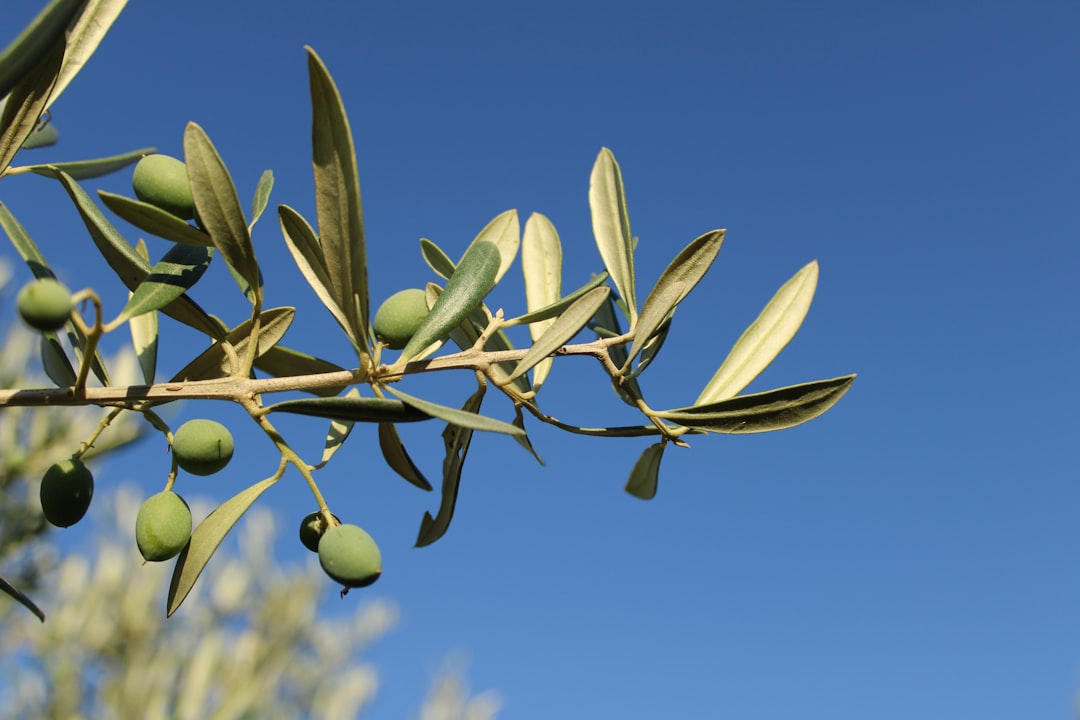
Olive oil gained its reputation as a “healthy fat” largely because of research into Mediterranean eating patterns. Back in the 1960s and 70s, scientists noticed that populations around the Mediterranean Sea had surprisingly low rates of heart disease despite eating plenty of fat. The fat they were eating, it turned out, came primarily from olives.
The oil pressed from olives contains mostly monounsaturated fatty acids (oleic acid makes up about 73% of it), along with various plant compounds like polyphenols, tocopherols (vitamin E), and squalene. These compounds give olive oil its characteristic taste and colour, and they’re also what researchers believe might be responsible for its health effects.
But here’s the thing: not all olive oil is created equal. Extra virgin olive oil (EVOO) is made by mechanically pressing olives without heat or chemicals, which preserves more of those beneficial compounds. Refined olive oil, on the other hand, has been processed in ways that strip out many of these substances. Most of the research showing health benefits has used virgin or extra virgin varieties.
What does the research actually show?
1. Preventing pressure ulcers
This one might surprise people. Pressure ulcers (sometimes called bedsores) develop when skin and underlying tissue get damaged from prolonged pressure, usually in people who can’t move easily on their own. They’re a genuine problem in hospitals and care facilities, affecting around 12-13% of patients in acute care settings.
A 2022 systematic review looked at four randomised controlled trials involving 1,601 people at risk of developing pressure ulcers [1]. The researchers found that applying olive oil to the skin appeared to reduce the incidence of these ulcers. There were also hints that it might delay ulcer development and even shorten hospital stays, though these findings were less certain.
Why might rubbing olive oil on skin help? The leading theory is that it improves skin hydration and creates a protective barrier. Dry skin is an independent risk factor for pressure ulcers, and keeping skin supple makes it more resistant to friction and shear forces.
I should note that the evidence here, while promising, comes from a relatively small number of studies. Current clinical guidelines already recommend keeping skin moisturised as part of pressure ulcer prevention, and olive oil appears to be a reasonable option for this purpose.
2. Heart health
The connection between olive oil and cardiovascular health is probably the most studied area, and the evidence is fairly compelling.
A large meta-analysis published in 2014 pooled data from 32 cohort studies involving over 841,000 participants [2]. People who consumed more monounsaturated fatty acids, particularly from virgin olive oil, had lower rates of all-cause mortality, cardiovascular events, and stroke.
The NHS acknowledges olive oil’s potential cardiovascular benefits, noting that replacing saturated fats with unsaturated fats (including those in olive oil) can help maintain healthy cholesterol levels [3]. The polyphenols in virgin olive oil appear to have antioxidant and anti-inflammatory effects that may protect blood vessel walls from damage.
What’s interesting is that the benefits seem to come not just from the monounsaturated fat content, but from the complete package of compounds in extra virgin olive oil. Refined olive oil, which has fewer polyphenols, may not offer the same advantages.
For what it’s worth, the Mediterranean diet as a whole has stronger evidence behind it than olive oil in isolation. The PREDIMED trial, one of the largest dietary intervention studies ever conducted, found that a Mediterranean diet supplemented with extra virgin olive oil reduced cardiovascular events by about 30% compared to a low-fat diet [4]. But separating the effects of olive oil from other components of that diet (fish, vegetables, nuts, moderate wine consumption) is genuinely difficult.
3. Diabetes prevention and blood sugar management
This is the surprising one mentioned in the title, and it’s worth explaining why.
Most people think of olive oil as a heart-healthy food. What’s less well-known is the growing body of research suggesting it might help with blood sugar regulation too.
A 2017 meta-analysis combined data from four cohort studies and 29 randomised controlled trials [5]. Compared to those who consumed the least olive oil, people who consumed more had roughly 16% lower risk of developing type 2 diabetes. In people who already had type 2 diabetes, olive oil supplementation was associated with reductions in HbA1c (a marker of long-term blood sugar control) and fasting blood glucose levels.
The mechanisms aren’t entirely clear, but researchers have proposed several possibilities. Olive oil’s polyphenols may improve insulin sensitivity. The oleic acid content might help regulate glucose metabolism. And there’s evidence that olive oil consumption is associated with lower post-meal blood sugar spikes compared to other fats.
This matters because diabetic bladder dysfunction is one of the lesser-known complications of poorly controlled diabetes. When blood sugar remains elevated over years, it can damage the nerves that control bladder function, leading to problems with urgency, incomplete emptying, and even urinary retention. Managing blood sugar through diet is one way to reduce these risks.
4. Cancer risk reduction
The data here comes primarily from observational studies, so we need to be cautious about drawing causal conclusions.
A systematic review and meta-analysis from 2011 looked at 19 case-control studies involving around 13,800 cancer cases [6]. People with the highest olive oil intake had roughly 34% lower risk of various cancers compared to those with the lowest intake. The strongest associations were seen for breast cancer and cancers of the digestive system (colorectal, oral cavity, throat, oesophagus, and pancreas).
The proposed mechanisms include the antioxidant and anti-inflammatory effects of olive oil polyphenols, which could theoretically help prevent the cellular damage that leads to cancer. Some laboratory studies have shown that oleocanthal, a compound unique to extra virgin olive oil, has anti-cancer properties in cell cultures.
However, I want to be honest about the limitations. These are observational studies, meaning they can show associations but not prove that olive oil directly prevents cancer. People who eat lots of olive oil tend to follow Mediterranean-style diets, exercise more, and have other healthy habits. Teasing apart which factor is actually responsible for the lower cancer rates is virtually impossible from this type of data.
Randomised controlled trials examining olive oil and cancer prevention are lacking, partly because cancer develops over decades and such studies would be enormously expensive and difficult to run.
5. Blood lipid regulation
The effects of olive oil on cholesterol levels are more modest than you might expect from the popular press coverage.
A 2018 meta-analysis examined 27 randomised controlled studies involving 1,089 participants [7]. Compared to other vegetable oils, olive oil was more effective at raising HDL cholesterol (the “good” kind). However, the effects on total cholesterol, LDL cholesterol (“bad” cholesterol), and triglycerides were less impressive.
The benefits appeared more pronounced in studies lasting longer than 30 days, suggesting that consistent consumption over time matters more than occasional use.
This is worth putting in context. If you’re hoping to dramatically improve your cholesterol numbers by switching to olive oil, you might be disappointed. The effects are real but relatively small. Olive oil is probably best thought of as part of an overall healthy dietary pattern rather than a magic bullet for cardiovascular health.
Side effects and safety
Olive oil is remarkably safe for most people when consumed in normal dietary amounts. The European Food Safety Authority considers intakes of up to about 20 grams of polyphenol-rich olive oil per day (roughly 1.5 tablespoons) to be safe and potentially beneficial [8].
That said, there are a few things to keep in mind.
Digestive effects: Consuming large amounts of any oil can cause digestive upset, including diarrhoea. This is simply because fat is difficult to digest in excess. Stick to reasonable serving sizes.
Skin reactions: When applied topically, olive oil can occasionally cause contact dermatitis or delayed allergic reactions in sensitive individuals. If you’re planning to use it for skin care, test it on a small area first.
Calorie density: Olive oil is still fat, and fat is calorie-dense. One tablespoon contains about 120 calories. If you’re watching your weight, it’s worth keeping track of how much you’re using.
Contraindications and drug interactions
The polyphenols in olive oil may have mild blood sugar-lowering and blood pressure-lowering effects. While this is generally beneficial, it could theoretically cause problems for people already taking medications for these conditions.
Diabetes medications: If you’re taking drugs like glimepiride (Amaryl), glibenclamide (DiaBeta), pioglitazone (Actos), or rosiglitazone (Avandia), adding significant amounts of olive oil to your diet might enhance their blood sugar-lowering effects. This could increase the risk of hypoglycaemia. It’s not a reason to avoid olive oil entirely, but it is worth monitoring your blood sugar levels and discussing with your doctor if you’re making major dietary changes.
Blood pressure medications: Similar considerations apply if you’re taking ACE inhibitors like captopril (Capoten) or enalapril (Vasotec), angiotensin receptor blockers like losartan (Cozaar) or valsartan (Diovan), calcium channel blockers like diltiazem (Cardizem) or amlodipine (Norvasc), or diuretics like hydrochlorothiazide or furosemide (Lasix). The combination of medication plus olive oil’s potential blood pressure effects might cause your pressure to drop too low in some cases.
Blood thinners: Some research suggests olive oil might have mild antiplatelet effects. If you’re taking blood thinners like warfarin, it’s worth mentioning your olive oil consumption to your healthcare provider, though there’s no strong evidence of clinically significant interactions.
Which type should you choose?
For maximum health benefits, extra virgin olive oil is the clear winner. It contains the highest levels of polyphenols and other beneficial compounds because it undergoes minimal processing.
Look for oils in dark glass bottles (light degrades the compounds), check for a harvest date (fresher is better), and store it in a cool, dark place. Despite what you might have heard, extra virgin olive oil is actually fine for cooking at moderate temperatures. Its smoke point is around 190-215°C (374-420°F), which covers most home cooking situations. The polyphenols may even help protect the oil from oxidation during heating.
Regular (refined) olive oil is cheaper but has fewer of the compounds that appear to be responsible for health benefits. It’s not harmful, but you’re essentially just getting the fat without the extras.
The bottom line
Olive oil, particularly the extra virgin variety, appears to offer genuine health benefits when consumed as part of a balanced diet. The evidence is strongest for cardiovascular effects and reasonably good for blood sugar management. The potential benefits for pressure ulcer prevention and cancer risk reduction are intriguing but less certain.
That said, olive oil isn’t a miracle cure. It works best as one component of an overall healthy eating pattern that includes plenty of vegetables, whole grains, fish, and legumes. No single food can compensate for an otherwise poor diet.
Related reading
- Benefits and side effects of fish oil
- Benefits and side effects of coconut oil
- Benefits and side effects of vitamin E
References
-
López-Navas MJ, et al. Effectiveness of olive oil for pressure ulcer prevention: A systematic review and meta-analysis. J Tissue Viability. 2022;31(4):615-621. https://pubmed.ncbi.nlm.nih.gov/36429639/
-
Schwingshackl L, Hoffmann G. Monounsaturated fatty acids, olive oil and health status: a systematic review and meta-analysis of cohort studies. Lipids Health Dis. 2014;13:154. https://www.ncbi.nlm.nih.gov/pmc/articles/PMC4198773/
-
NHS. Fat: the facts. https://www.nhs.uk/live-well/eat-well/food-types/different-fats-nutrition/
-
Estruch R, et al. Primary Prevention of Cardiovascular Disease with a Mediterranean Diet Supplemented with Extra-Virgin Olive Oil or Nuts. N Engl J Med. 2018;378(25):e34.
-
Schwingshackl L, et al. Olive oil in the prevention and management of type 2 diabetes mellitus: a systematic review and meta-analysis of cohort studies and intervention trials. Nutr Diabetes. 2017;7(4):e262. https://www.ncbi.nlm.nih.gov/pubmed/28394365
-
Psaltopoulou T, et al. Olive oil intake is inversely related to cancer prevalence: a systematic review and a meta-analysis of 13,800 patients and 23,340 controls in 19 observational studies. Lipids Health Dis. 2011;10:127. https://www.ncbi.nlm.nih.gov/pmc/articles/PMC3199852/
-
Ghobadi S, et al. Comparison of blood lipid-lowering effects of olive oil and other plant oils: A systematic review and meta-analysis of 27 randomized placebo-controlled clinical trials. Crit Rev Food Sci Nutr. 2019;59(13):2110-2124. https://www.ncbi.nlm.nih.gov/pubmed/29420053
-
EFSA Panel on Dietetic Products, Nutrition and Allergies. Scientific Opinion on the substantiation of health claims related to polyphenols in olive and protection of LDL particles from oxidative damage. EFSA Journal. 2011;9(4):2033.
Medical Disclaimer: The information provided is for educational purposes only and should not be considered as medical advice. Always consult with a qualified healthcare professional before making any changes to your diet, supplement regimen, or treatment plan.
Was this article helpful?