Best Drinks for Bladder Health: What to Sip and What to Skip
Discover the best drinks for bladder health, from herbal teas to pear juice, plus which beverages to avoid for better urinary health.
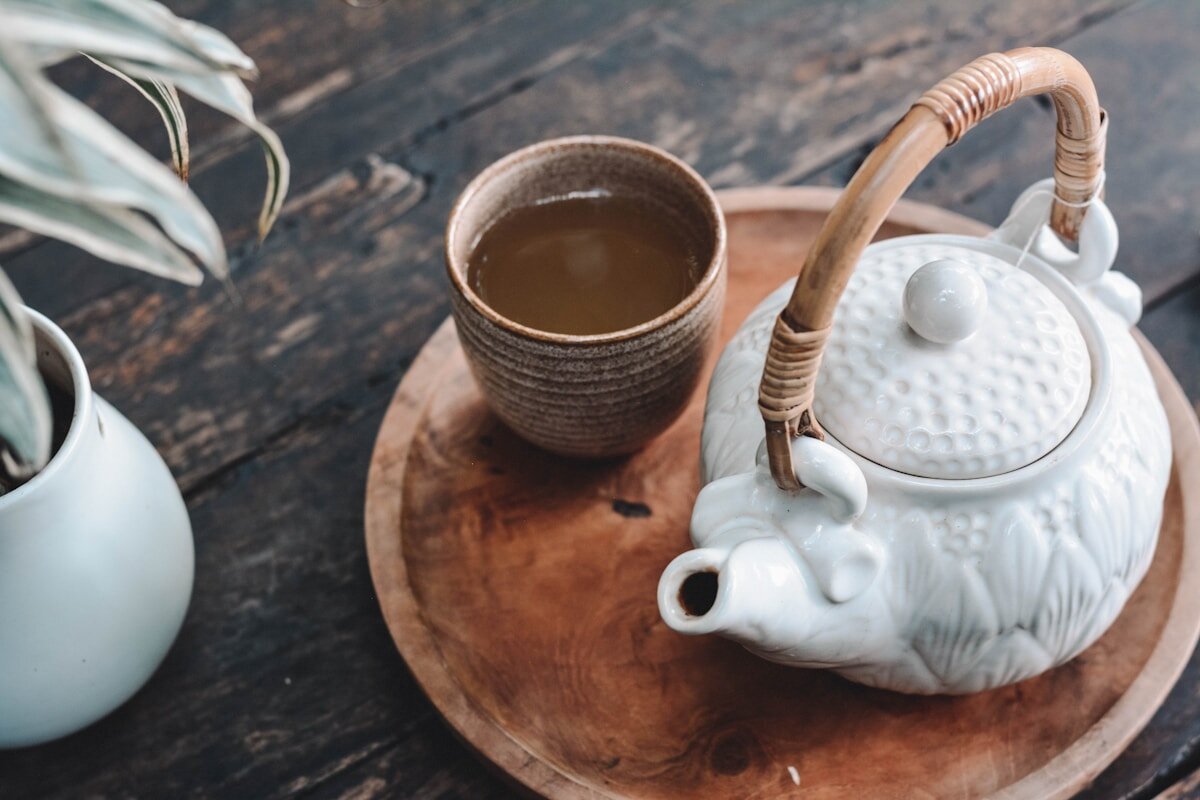
What you drink affects your bladder health more than most people realize. I’ve read through the research on drinks for bladder health and the picture is pretty clear: some beverages genuinely help, others reliably make things worse, and the “eight glasses a day” rule doesn’t apply to everyone the same way.
If you’re dealing with overactive bladder, interstitial cystitis, or recurrent UTIs, your drink choices matter even more. Here’s what the evidence actually says.
1. Water: The Single Best Drink for Your Bladder
This isn’t exciting, but water is the most important beverage for bladder health. A well-designed clinical trial published in JAMA Internal Medicine followed 140 women prone to UTIs who were drinking less than 1.5 liters of water daily. When they added an extra 1.5 liters per day, their UTI episodes dropped by 48%, and the time between infections nearly doubled 1.
That’s a big effect from something so simple. More water means more frequent urination, which flushes bacteria out before they can establish an infection.
But here’s the thing. The advice gets complicated if you have overactive bladder rather than UTIs. A systematic review in the Journal of Urology found that people with OAB who reduced their fluid intake by about 25% saw meaningful improvements in urgency, frequency, and nocturia 2. The researchers also noted that the old “eight glasses a day” recommendation is not actually evidence-based for most people.
How much water should you actually drink? It depends on your situation:
- For UTI prevention: Aim for 2.5 to 3 liters of total fluid per day, based on the JAMA trial above.
- For overactive bladder: You may benefit from drinking less if you’re currently overdoing it. Talk to your doctor about finding the right amount.
- For everyone else: Drink enough that your urine is pale yellow, not dark and not completely clear. That’s honestly the best guide.
2. Chamomile Tea: A Top Drink for Bladder Health
Chamomile tea is caffeine-free, which immediately puts it in a better position than coffee or black tea for bladder health. Beyond that, chamomile has anti-inflammatory properties that have been studied for various conditions, and it appears to increase levels of hippurate and glycine in urine, both of which are associated with antibacterial activity 3.
For people with painful bladder syndrome or interstitial cystitis, the soothing properties of chamomile make it a reasonable choice. It won’t cure anything, but it’s unlikely to irritate your bladder the way caffeinated drinks do.
For more on chamomile’s properties, see our chamomile article.
My take: Chamomile tea is a solid default hot drink if you’re trying to reduce caffeine. The direct evidence for bladder-specific benefits is modest, but the absence of bladder irritants makes it a smart swap. If you have OAB, see our detailed guide on chamomile tea for overactive bladder.
3. Marshmallow Root Tea
Marshmallow root (Althaea officinalis) has been used for centuries to soothe irritated mucous membranes. The science behind this isn’t just folklore. A laboratory study published in the Journal of Ethnopharmacology showed that marshmallow root polysaccharides stimulate epithelial cell viability and proliferation at concentrations as low as 1-10 mcg/mL 4.
Why does that matter for your bladder? The bladder lining (urothelium) is made of epithelial cells. In conditions like interstitial cystitis, this lining becomes damaged. Marshmallow root’s ability to support epithelial tissue regeneration and produce a mucilaginous coating gives it a reasonable theoretical basis for bladder support.
Worth noting: The evidence here is from cell studies, not clinical trials in humans. The lab data supports the mechanism, but we don’t have randomized trials proving it works as a tea for bladder health. Still, it’s caffeine-free, non-acidic, and unlikely to cause problems.
4. Green Tea (With a Caveat)
Green tea sits in an interesting position. It does contain caffeine, which is generally a bladder irritant. But it also contains catechins with genuine antimicrobial properties against the bacteria that cause most UTIs.
A study in Frontiers in Microbiology tested green tea extract against 80 E. coli strains isolated from UTI patients and found that 99% of the strains were susceptible. The key compound, epigallocatechin (EGC), is actually excreted in urine at potentially therapeutic concentrations 5.
Even more promising, a randomized clinical trial found that green tea capsules taken alongside antibiotics produced a statistically significant improvement in cystitis symptoms within just three days, compared to antibiotics alone 6.
A separate trial in men with lower urinary tract symptoms showed a green and black tea extract reduced symptom scores by 34.5% over 12 weeks 7.
The caveat: If you have overactive bladder, the caffeine in green tea may offset these benefits. Decaffeinated green tea retains most of the catechins without the bladder-irritating caffeine.
5. Pear Juice
Pear juice doesn’t have published clinical trials behind it for bladder health specifically, but it’s one of the best drinks for bladder health in practice. I want to be upfront about that. But it appears consistently on lists of bladder-friendly beverages from urologists and IC/BPS specialists, and for good reason: it’s one of the least acidic fruit juices available.
Acidity is a major factor in bladder irritation. Studies on dietary triggers in IC/BPS patients found that 90-96% reported certain foods and beverages worsening their symptoms, with acidic drinks near the top of the list 8 9. Pear juice sidesteps this problem entirely.
My take: If you want a fruit juice that won’t bother your bladder, pear juice is probably your best option. Apple juice is another reasonable choice. Just watch the sugar content in commercial brands.
6. Cranberry Juice (Unsweetened)
Cranberries deserve mention because the evidence for UTI prevention is genuinely solid. A 2023 Cochrane review of 50 trials involving nearly 9,000 participants found that cranberry products reduced UTI risk by about 30% 10. The effect was strongest in women with recurrent UTIs and in children. The active compounds, proanthocyanidins (PACs), prevent bacteria from sticking to the bladder wall.
The catch: Most commercial cranberry juice cocktails are loaded with sugar and contain very little actual cranberry. You want unsweetened cranberry juice, which admittedly tastes quite tart. Cranberry supplements standardized for PAC content are another option. For the full picture, see our cranberry article.
A warning for IC patients: Despite cranberry’s benefits for UTI prevention, its acidity can irritate the bladder if you have interstitial cystitis or painful bladder syndrome.
Drinks to Avoid for Better Bladder Health
Now for the other side. Choosing the best drinks for bladder health also means knowing which ones to limit. These beverages are consistently identified as bladder irritants in the research.
Coffee and Caffeinated Drinks
Caffeine is a well-documented bladder irritant. A study measuring its direct effects found that caffeine decreased the volume at which people first felt the urge to urinate and increased both urgency and frequency 11. If you have overactive bladder or urge incontinence, caffeine is probably making things worse.
You don’t need to quit coffee entirely. Some people tolerate a cup or two fine. But if you’re having bladder symptoms and drinking multiple cups daily, cutting back is worth trying.
Alcohol
Alcohol increases urine production and directly irritates the bladder lining. Research from the NHANES dataset confirmed that high ethanol levels decrease the bladder muscle’s ability to contract properly, impairing voiding 12. In surveys of IC/BPS patients, alcoholic beverages consistently rank among the top irritants 8.
Citrus Juice
Orange juice, grapefruit juice, lemonade, and other citrus drinks are highly acidic. In a study of 598 IC/BPS patients, citrus fruits and juices were among the most common symptom triggers 9.
Even without IC, citrus juice acidity can contribute to dysuria (painful urination) in some people. Switching to pear or apple juice is a simple fix.
Carbonated Drinks and Artificial Sweeteners
Sodas combine carbonation, caffeine, sugar or artificial sweeteners, and acidity. Artificially sweetened drinks aren’t much better, as artificial sweeteners themselves appear on lists of bladder irritants reported by patients 8.
Tips for Staying Hydrated While Protecting Bladder Health
Here are some practical strategies for getting the bladder health benefits of good hydration without the downsides:
Spread your intake throughout the day. Sipping steadily is easier on your bladder than drinking large amounts at once.
Front-load your fluids. Drink more in the morning and afternoon, then taper off in the evening. This is especially helpful if nocturia (waking up to urinate at night) is a problem.
Use urine color as your guide. Pale straw color means you’re well hydrated. Dark yellow means you need more. Completely clear means you may be overdoing it.
Try elimination and reintroduction. If you suspect a certain drink bothers your bladder, cut it out for two weeks, then reintroduce it. Not everyone reacts to the same triggers.
Keep a bladder diary. Track what you drink alongside your urinary symptoms. This is genuinely useful for identifying patterns you might miss otherwise.
Consider coconut water. It provides electrolytes without caffeine, carbonation, or significant acidity.
When to See a Doctor
Choosing the right drinks for bladder health can help manage symptoms, but it’s not a substitute for medical care. See a doctor if you have:
- Blood in your urine (hematuria)
- Persistent pain or burning during urination (dysuria)
- Frequent urination that disrupts your daily life
- Sudden changes in urinary habits
- Difficulty emptying your bladder (urinary retention)
- Recurrent infections despite preventive measures
Frequently Asked Questions
What is the single best drink for bladder health?
Plain water. The research is clear that adequate hydration flushes bacteria from the urinary tract and keeps urine dilute enough to minimize irritation. A 2018 clinical trial showed that increasing water intake by 1.5 liters daily cut UTI episodes in half 1.
Can chamomile tea actually help with bladder problems?
Chamomile tea is caffeine-free and has anti-inflammatory properties, which makes it a good choice for people with sensitive bladders. It increases urinary hippurate and glycine, which are linked to antibacterial activity. It won’t cure a bladder condition, but it’s a safe, soothing option. See our chamomile guide for details.
Is it safe to drink green tea if I have overactive bladder?
Green tea has antimicrobial catechins that benefit urinary health, but it also contains caffeine, which can trigger urgency and frequency. Decaffeinated green tea is a better option if you have OAB, since you retain most of the catechins without the bladder-irritating caffeine.
How much water should I drink if I have bladder problems?
It depends on your specific condition. For UTI prevention, aim for 2.5 to 3 liters per day. For overactive bladder, reducing fluid intake by about 25% from excessive levels may actually improve symptoms. Use your urine color as a guide: pale yellow is the goal.
Does cranberry juice really prevent UTIs?
Yes, there is strong evidence. A 2023 Cochrane review of 50 trials found cranberry products reduced UTI risk by 30%, particularly in women with recurrent infections 10. But you need unsweetened cranberry juice or standardized supplements. Most commercial cranberry cocktails contain too much sugar and too little active compounds to be effective.
Why does coffee make me need to urinate so often?
Caffeine decreases the threshold at which your bladder signals the urge to void, meaning you feel the need to go at a lower volume than usual. It also acts as a mild diuretic, increasing urine production. Both effects together can significantly increase frequency and urgency.
Summary
Your bladder health responds directly to what you pour into your body. The research on the best drinks for bladder health supports a few straightforward choices:
- Water remains the foundation. Adequate hydration prevents infections and dilutes irritants, though people with overactive bladder shouldn’t overdo it.
- Herbal teas like chamomile and marshmallow root are safe, soothing, caffeine-free alternatives to coffee and black tea.
- Green tea (preferably decaf) offers antimicrobial benefits but watch the caffeine.
- Pear juice gives you a low-acid fruit juice option that won’t bother most bladders.
- Cranberry juice (unsweetened) has real evidence behind it for UTI prevention.
On the flip side, coffee, alcohol, citrus juice, and carbonated drinks are the most common bladder irritants and worth reducing if you have symptoms.
The best approach to bladder health is personal. Keep a bladder diary, experiment with what works, and talk to your doctor if symptoms persist.
References
- Effect of Increased Daily Water Intake in Premenopausal Women With Recurrent Urinary Tract Infections - JAMA Internal Medicine (2018)
- Is it Safe to Reduce Water Intake in the Overactive Bladder Population? A Systematic Review - Journal of Urology (2018)
- Chamomile tea: metabolomic and antibacterial effects - Journal of Agricultural and Food Chemistry (2005)
- Aqueous extracts and polysaccharides from Marshmallow roots and stimulation of cell physiology of human epithelial cells - Journal of Ethnopharmacology (2010)
- Green tea as an effective antimicrobial for urinary tract infections caused by Escherichia coli - Frontiers in Microbiology (2013)
- Green tea as an adjunctive therapy for treatment of acute uncomplicated cystitis in women - Complementary Therapies in Clinical Practice (2019)
- A green and black tea extract benefits urological health in men with lower urinary tract symptoms - Therapeutic Advances in Urology (2014)
- Effect of comestibles on symptoms of interstitial cystitis - Journal of Urology (2007)
- Dietary consumption triggers in interstitial cystitis/bladder pain syndrome patients - Female Pelvic Medicine & Reconstructive Surgery (2011)
- Cranberries for preventing urinary tract infections - Cochrane Database of Systematic Reviews (2023)
- Effect of caffeine on bladder function in patients with overactive bladder symptoms - Urology Annals (2011)
- Relationship between alcohol use and overactive bladder disease - Frontiers in Public Health (2024)
Medical Disclaimer: The information provided is for educational purposes only and should not be considered as medical advice. Always consult with a qualified healthcare professional before making any changes to your diet, supplement regimen, or treatment plan.
Was this article helpful?