7-Day Bladder-Friendly Meal Plan With Easy Recipes
Follow this 7-day bladder-friendly meal plan with breakfast, lunch, and dinner recipes. Includes a shopping list and hydration tips for OAB and IC.
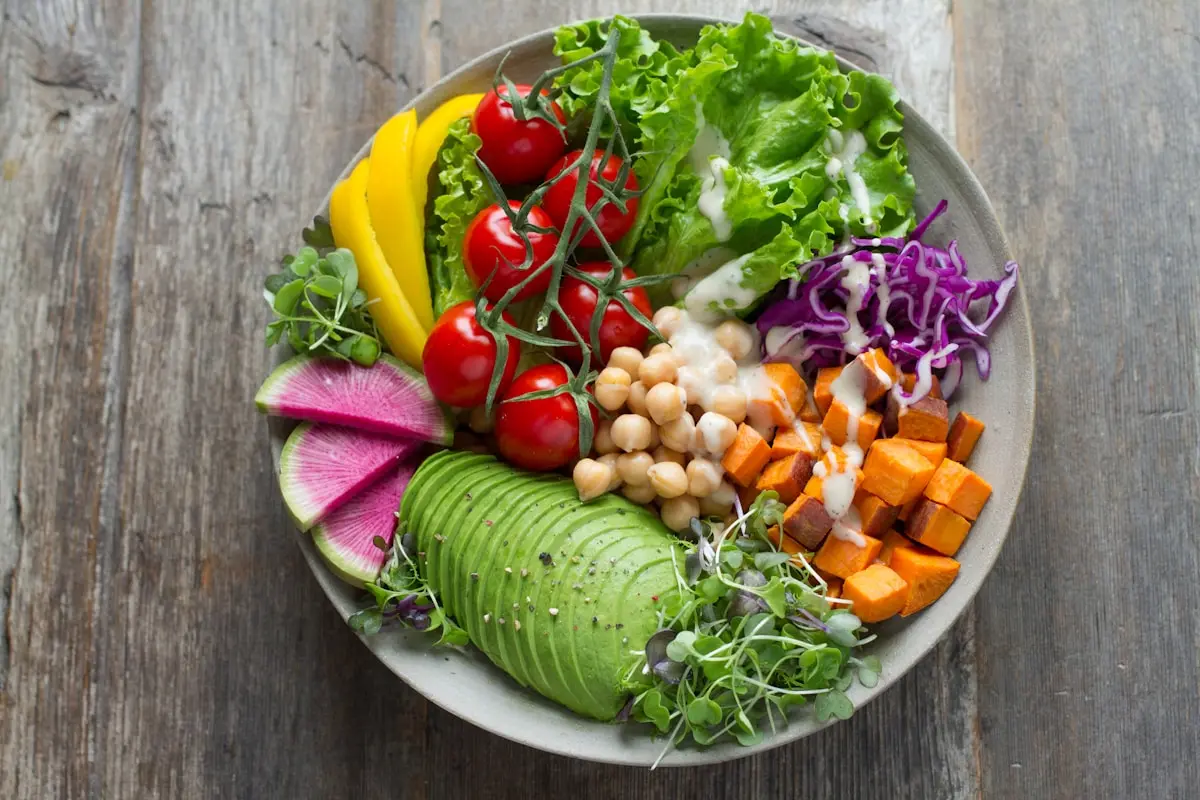
If you’ve been told to “eat better for your bladder” but nobody told you what that actually looks like on a plate, you’re not alone. Most diet advice for bladder conditions stops at a list of foods to avoid. That’s not very helpful when you’re standing in the kitchen at 6pm trying to figure out dinner.
This bladder-friendly meal plan gives you a full week of breakfasts, lunches, dinners, and snacks. Every meal avoids the most common bladder irritants while still tasting good and keeping you well nourished. I’ve based the food choices on published research about diet and bladder health, particularly a 2022 study that found higher adherence to Mediterranean-style eating patterns was linked to significantly lower overactive bladder severity scores 1.
Whether you’re managing interstitial cystitis, overactive bladder, recurrent UTIs, or just want to take better care of your urinary system, this plan gives you somewhere to start. It’s not a medical treatment. It’s a practical eating guide built around what the evidence says works.
I’ve also included a meal prep guide, a full shopping list, a hydration schedule, and substitution tips for different conditions. You won’t need to figure everything out yourself.
Why a Bladder-Friendly Meal Plan Actually Works
The evidence for dietary management of bladder conditions is stronger than many people realize. A large cross-sectional analysis of over 29,000 adults from the NHANES database (2005-2020) found that people with the highest diet quality scores had 28% lower odds of developing overactive bladder compared to those with the poorest diets 2. The researchers identified a clear dose-response relationship: the better the overall diet, the lower the OAB risk.
For people with interstitial cystitis, the connection between food and symptoms is even more direct. A survey of 598 IC/BPS patients found that 95.8% reported certain foods and beverages affected their symptoms 3. The top triggers were citrus fruits, tomatoes, coffee, tea, carbonated and alcoholic beverages, spicy foods, and artificial sweeteners. That’s a long list, and it explains why so many people with IC feel like they can’t eat anything.
But avoidance alone isn’t a strategy. You also need to know what you can eat. That’s where this meal plan comes in.
A randomized controlled trial published in Urology tested exactly this approach. Patients who followed a structured elimination diet (removing tomatoes, tomato products, soy, spices, citrus, and high-potassium foods) saw significant symptom improvement within 3 months, and those improvements held for at least a year 4. The intensive diet group did meaningfully better than the control group across all measured outcomes.
A separate pilot study from 2022 tried an anti-inflammatory diet for IC/BPS patients. The plant-based, low saturated fat eating plan lessened symptoms and improved quality of life 8. The study used a randomized crossover design, and both the numbers and the patients’ own reports supported the approach.
There’s also interesting research on flavonoids. An analysis of 13,063 U.S. adults found that diets rich in anthocyanidins (found in blueberries, blackberries, and other deeply coloured fruits) were associated with reduced OAB risk 9. This gives a scientific basis for including berries in a bladder-friendly meal plan, not just because they’re low-acid but because their specific compounds may actively protect bladder function.
The dietary pattern that keeps showing up across these studies is Mediterranean-style eating: rich in vegetables, lean proteins, whole grains, olive oil, nuts, and berries, with limited processed foods and known irritants. That’s exactly what this meal plan delivers.
Quick Reference: What to Eat and What to Skip
Before jumping into the plan, here’s a detailed snapshot of bladder-friendly foods versus common triggers. For a deeper look at triggers, see our full guide to foods that irritate the bladder.
Bladder-Friendly Foods
Lean proteins: Chicken, turkey, fish (salmon, cod, trout), eggs. These provide the protein you need without the acidity found in cured or processed meats. Poultry in particular showed up in one analysis as being associated with reduced OAB risk.
Low-acid fruits: Pears, bananas, blueberries, watermelon, coconut. Pears are considered one of the safest fruit choices by the Interstitial Cystitis Association. Blueberries bring antioxidants and flavonoids that may actively support bladder health. Bananas provide potassium without the acidity of citrus.
Vegetables: Broccoli, carrots, cucumbers, sweet potatoes, spinach, green beans, cauliflower, zucchini, asparagus, mushrooms, parsnips, kale. Most non-acidic vegetables are well tolerated. Sweet potatoes are a standout because they’re filling, versatile, and packed with beta-carotene. Cucumbers are about 96% water, so they contribute to hydration too.
Whole grains and legumes: Oats, brown rice, quinoa, wild rice, whole grain bread, lentils. These provide fibre, which matters because constipation can put pressure on the bladder and worsen symptoms like urgency and frequency 10. Keeping your bowel regular takes pressure off your bladder.
Healthy fats: Olive oil, almonds, pumpkin seeds, walnuts, sunflower seeds, avocado. Olive oil is a staple of the Mediterranean diet pattern linked to lower OAB severity. Pumpkin seeds have been specifically studied for urinary symptoms and showed benefit in people with overactive bladder.
Herbs and mild spices: Basil, thyme, rosemary, dill, parsley, oregano, cumin (mild amounts). These add real flavour without irritating the bladder. Many people switching to a bladder-friendly diet worry food will taste bland. It won’t, if you use herbs generously.
Common Bladder Irritants to Avoid
Coffee and caffeinated tea: Caffeine is a known bladder irritant and mild diuretic. A systematic review of 8 studies confirmed that caffeine reduction was statistically effective for reducing urgency symptoms 6. Even one cup per day can be a trigger for some people.
Citrus fruits and juices: Oranges, lemons, grapefruit, and their juices are highly acidic. They consistently appear near the top of trigger food lists in IC/BPS research.
Tomatoes and tomato-based sauces: This includes pasta sauce, ketchup, salsa, and pizza sauce. The 1-year dietary trial that showed lasting IC/BPS improvement specifically eliminated tomatoes 4.
Spicy foods: Chilli, hot sauce, cayenne pepper, wasabi, and spicy curries. These irritate the bladder lining in many people. If you enjoy bold flavours, lean on fresh herbs instead.
Carbonated drinks: Including sparkling water and soft drinks. The carbonation itself may irritate the bladder, separate from any caffeine or sugar content.
Alcohol: Beer, wine, and spirits are all bladder irritants. Alcohol is also a diuretic, increasing urine production and potentially worsening nocturia.
Artificial sweeteners: Aspartame, saccharin, and other artificial sweeteners appeared as triggers in the large IC/BPS survey 3. Honey and small amounts of real sugar are generally better tolerated.
Vinegar and pickled foods: The acidity in vinegar-based dressings, pickles, and fermented condiments can trigger symptoms. Use olive oil-based dressings instead.
The 7-Day Bladder-Friendly Meal Plan
This plan feeds one person and provides roughly 1,800-2,200 calories per day. Adjust portions to your needs. Each day includes a note about why certain foods were chosen and any prep tips.
Day 1: Monday
- Breakfast: Oatmeal with blueberries, a drizzle of honey, and pumpkin seeds
- Lunch: Grilled chicken breast over mixed greens with cucumber, shredded carrot, and olive oil dressing
- Snack: Pear slices with almond butter
- Dinner: Baked salmon with roasted sweet potato and steamed broccoli
Day 1 notes: This is a straightforward day to ease into the plan. The salmon provides omega-3 fatty acids, which have anti-inflammatory properties that may benefit the bladder lining. Oatmeal with blueberries is a reliable breakfast because the antioxidant compounds in blueberries (anthocyanidins) have been linked to lower OAB risk 9.
Day 2: Tuesday
- Breakfast: Scrambled eggs with spinach on whole grain toast
- Lunch: Turkey and avocado wrap with lettuce in a whole wheat tortilla
- Snack: Greek yoghurt with a handful of almonds
- Dinner: Herb-roasted chicken thighs with quinoa and green beans (see full recipe below)
Day 2 notes: Greek yoghurt provides probiotics, and there’s growing evidence that gut health directly affects bladder function. The herb-roasted chicken is one of the simplest recipes in the plan and works well as leftovers the next day.
Day 3: Wednesday
- Breakfast: Banana smoothie with oats, milk, and a tablespoon of peanut butter
- Lunch: Carrot and lentil soup with crusty bread (see full recipe below)
- Snack: Cucumber sticks with cottage cheese
- Dinner: Pan-fried cod with brown rice and roasted cauliflower
Day 3 notes: The lentil soup makes 4 servings, so you’ll have leftovers for Thursday or Friday lunch. Cod is a mild white fish that almost nobody reacts to. If you find that cow’s milk in the smoothie bothers you, oat milk is a good swap.
Day 4: Thursday
- Breakfast: Bircher muesli with grated pear and sunflower seeds (prepare the night before)
- Lunch: Chicken and vegetable stir-fry with a mild herb and garlic sauce over rice
- Snack: Rice cakes with cream cheese and a few blueberries
- Dinner: Turkey meatballs with zucchini noodles and basil pesto (see full recipe below)
Day 4 notes: Bircher muesli takes 2 minutes to prep the night before and keeps in the fridge for up to 3 days. It’s a good option for busy mornings. The turkey meatballs are a family-friendly dinner that non-bladder-diet family members will enjoy too.
Day 5: Friday
- Breakfast: Poached eggs on sweet potato rounds
- Lunch: Tuna salad with olive oil, mixed greens, and diced cucumber
- Snack: A small handful of walnuts with fresh blueberries
- Dinner: Roasted chicken breast with mashed potato and steamed carrots
Day 5 notes: Sweet potato rounds are just sweet potatoes sliced into 1cm discs and toasted. They’re a bladder-friendly alternative to bread. For the tuna salad, use olive oil instead of a vinegar-based dressing. Tinned tuna in spring water or olive oil works fine.
Day 6: Saturday
- Breakfast: Oat pancakes topped with warm pear compote (see full recipe below)
- Lunch: Fish tacos with shredded cabbage in corn tortillas (see full recipe below)
- Snack: Pumpkin seed and oat trail mix
- Dinner: Herb-crusted lamb chops with roasted root vegetables (parsnip, carrot, sweet potato)
Day 6 notes: Saturday is a good day for slightly more ambitious cooking. The oat pancakes are a weekend treat that feel indulgent without any bladder irritants. The fish tacos use a simple cumin and herb seasoning instead of hot sauce or salsa.
Day 7: Sunday
- Breakfast: Veggie omelette with mushrooms, spinach, and fresh herbs
- Lunch: Chicken and vegetable soup with whole grain bread (see full recipe below)
- Snack: Banana with a tablespoon of peanut butter
- Dinner: Baked trout with wild rice and steamed asparagus
Day 7 notes: The chicken soup is a batch recipe that makes 4-6 servings. Freeze the extra portions in single-serve containers for quick lunches during the following week. This is the easiest way to maintain the bladder-friendly meal plan without cooking every single day.
Bladder-Friendly Recipes
Here are 6 complete recipes from the meal plan. Each one is designed to be simple, use common ingredients, and avoid known bladder irritants.
1. Herb-Roasted Chicken Thighs with Quinoa
Prep time: 10 minutes | Cook time: 35 minutes | Serves: 2
Ingredients:
- 4 bone-in chicken thighs
- 1 cup quinoa
- 200g green beans, trimmed
- 2 tablespoons olive oil
- 1 teaspoon dried thyme
- 1 teaspoon dried rosemary
- Salt and pepper to taste
Method:
- Preheat oven to 200°C (400°F). Rub chicken thighs with olive oil, thyme, rosemary, salt, and pepper.
- Place on a baking tray and roast for 30-35 minutes until the skin is golden and juices run clear.
- Cook quinoa according to packet instructions. Steam green beans for 4-5 minutes until tender.
- Serve chicken over quinoa with green beans on the side.
Why it’s bladder-friendly: No acidic ingredients, no spice heat, and the olive oil plus herbs add plenty of flavour without irritants. Quinoa is a good source of magnesium, which some research links to improved bladder function. Leftovers reheat well for lunch the next day.
2. Carrot and Lentil Soup
Prep time: 10 minutes | Cook time: 25 minutes | Serves: 4
Ingredients:
- 1 tablespoon olive oil
- 1 onion, diced
- 2 cloves garlic, minced
- 4 large carrots, chopped
- 150g red lentils, rinsed
- 1 litre low-sodium vegetable stock
- 1 teaspoon ground cumin (mild, generally well tolerated)
- Salt and pepper to taste
Method:
- Heat olive oil in a large pot. Cook onion and garlic until soft, about 3 minutes.
- Add carrots, lentils, stock, and cumin. Bring to a boil, then reduce heat and simmer for 20-25 minutes until lentils are completely soft and carrots are tender.
- Blend with a stick blender until smooth. Season to taste. If the soup is too thick, add a splash of water or stock.
- Serve with a slice of crusty bread.
Why it’s bladder-friendly: No tomatoes, no citrus, no spice heat. Lentils provide protein and fibre without irritating the bladder. This soup freezes well for up to 3 months, so make a double batch and store individual portions for busy days. It also makes a good base for other meals. Add leftover chicken for more protein or stir in a handful of spinach before serving.
3. Turkey Meatballs with Zucchini Noodles and Basil Pesto
Prep time: 15 minutes | Cook time: 20 minutes | Serves: 2
Ingredients:
For the meatballs:
- 300g turkey mince
- 1/3 cup rolled oats (used as a binder instead of breadcrumbs)
- 1 egg
- 2 tablespoons fresh parsley, finely chopped
- 1 clove garlic, minced
- Salt and pepper to taste
For the pesto:
- 1 cup fresh basil leaves, packed
- 1/4 cup pine nuts (or walnuts)
- 1/4 cup olive oil
- 2 tablespoons grated parmesan
- Salt to taste
For the noodles:
- 2 medium zucchini, spiralized or cut into thin strips
Method:
- Preheat oven to 190°C (375°F). Mix turkey mince, oats, egg, parsley, garlic, salt, and pepper in a bowl. Roll into golf ball-sized meatballs (makes about 12).
- Place meatballs on a lined baking tray. Bake for 18-20 minutes until cooked through and lightly browned.
- While meatballs cook, blend basil, pine nuts, olive oil, and parmesan in a food processor until smooth. Season with salt.
- Sauté zucchini noodles in a pan with a drizzle of olive oil for 2-3 minutes until just wilted. Don’t overcook them or they’ll go watery.
- Toss zucchini noodles with pesto, top with meatballs, and serve.
Why it’s bladder-friendly: This replaces the classic spaghetti and meatballs (which relies on acidic tomato sauce) with a herby basil pesto that’s gentle on the bladder. Zucchini noodles are lower in carbs than pasta, but if you prefer regular pasta, that works too. The meatballs freeze well, so make a double batch.
IC note: Some people with IC react to garlic. If that’s you, leave it out of the meatballs and pesto. The herbs carry enough flavour on their own.
4. Oat Pancakes with Pear Compote
Prep time: 10 minutes | Cook time: 15 minutes | Serves: 2
Ingredients:
- 1 cup rolled oats (blended into flour)
- 1 egg
- 3/4 cup milk
- 1 tablespoon honey
- Pinch of salt
- 2 ripe pears, diced
- 1 tablespoon butter
- Pinch of cinnamon (optional, well tolerated by most)
Method:
- Blend oats into a fine flour using a blender or food processor. Mix with egg, milk, honey, and salt until smooth. Let the batter rest 5 minutes. It should be pourable but slightly thicker than regular pancake batter.
- For the compote: cook diced pears with 2 tablespoons of water and a drizzle of honey in a small pan over medium heat for 8-10 minutes until soft and slightly caramelised. Add cinnamon if using.
- Heat a non-stick pan over medium heat. Add a small knob of butter. Pour about 1/4 cup of batter per pancake. Cook for 2 minutes per side until golden.
- Stack pancakes, top with warm pear compote, and serve.
Why it’s bladder-friendly: Pears are one of the least acidic fruits, and the Interstitial Cystitis Association lists them as one of the safest fruit choices. No citrus, no artificial sweetener, no chocolate. The oats provide sustained energy without the blood sugar spike of refined flour pancakes. This recipe also works with blueberries instead of pears if you want variety.
5. Bladder-Friendly Fish Tacos
Prep time: 10 minutes | Cook time: 15 minutes | Serves: 2
Ingredients:
- 2 white fish fillets (cod or barramundi, about 150g each)
- 6 small corn tortillas
- 1/4 small cabbage, finely shredded
- 1 avocado, sliced
- 2 tablespoons olive oil
- 1 teaspoon ground cumin
- 1/2 teaspoon dried oregano
- Salt and pepper to taste
- Fresh dill or coriander for garnish (optional)
Method:
- Pat fish fillets dry. Rub with 1 tablespoon olive oil, cumin, oregano, salt, and pepper.
- Heat remaining olive oil in a pan over medium-high heat. Cook fish for 3-4 minutes per side until flaky and golden. Break into chunks.
- Warm corn tortillas in a dry pan for 30 seconds per side.
- Assemble tacos: tortilla, cabbage, fish chunks, avocado slices. Garnish with fresh herbs.
Why it’s bladder-friendly: Traditional fish tacos rely on lime juice, salsa, and hot sauce for flavour. This version swaps those bladder irritants for cumin, oregano, and avocado. You still get a satisfying taco without the acidity. The cabbage adds crunch and fibre. If you want a creamy element, a spoonful of plain Greek yoghurt on top works well.
6. Chicken and Vegetable Soup
Prep time: 10 minutes | Cook time: 30 minutes | Serves: 4-6
Ingredients:
- 1 tablespoon olive oil
- 1 onion, diced
- 2 cloves garlic, minced
- 2 carrots, diced
- 2 celery stalks, diced
- 1 sweet potato, peeled and cubed
- 300g chicken breast, diced (or use leftover roast chicken)
- 1.5 litres low-sodium chicken stock
- 100g small pasta (macaroni or small shells)
- 2 handfuls of spinach
- 1 teaspoon dried thyme
- Salt and pepper to taste
Method:
- Heat olive oil in a large pot. Cook onion and garlic for 2-3 minutes. Add carrots, celery, and sweet potato. Cook for another 3 minutes, stirring occasionally.
- Add diced chicken (if using raw), stock, and thyme. Bring to a boil, then reduce heat and simmer for 15 minutes.
- Add pasta and cook for another 8-10 minutes until pasta is tender and chicken is cooked through. If using leftover roast chicken, add it here instead.
- Stir in spinach and let it wilt for 1 minute. Season with salt and pepper.
- Serve with whole grain bread.
Why it’s bladder-friendly: This is a classic comfort soup without the tomato base that most soup recipes call for. It’s packed with vegetables and protein, and the sweet potato adds natural sweetness. This recipe makes a large batch on purpose. Freeze individual portions in airtight containers. They reheat from frozen in the microwave in about 5 minutes, giving you a ready-made bladder-friendly lunch any day of the week.
Meal Prep Guide: Setting Yourself Up for the Week
Cooking every meal from scratch isn’t realistic for most people. Here’s how to make this bladder-friendly meal plan work in practice with about 60-90 minutes of prep on Sunday.
Sunday Prep Session
Step 1: Make the chicken soup (30 minutes active, simmers while you prep other things) Start the chicken and vegetable soup first since it needs the most time. While it simmers, move on to the other tasks.
Step 2: Cook a batch of grains (5 minutes active, 15-20 minutes passive) Cook 2 cups of quinoa or brown rice. Store in the fridge. It reheats in 1 minute in the microwave and covers Monday dinner, Tuesday dinner, and Thursday lunch.
Step 3: Prep the bircher muesli (5 minutes) Mix rolled oats with milk, grated pear, and sunflower seeds. Store in the fridge. It’s ready for Thursday breakfast and keeps for up to 3 days.
Step 4: Make the trail mix (5 minutes) Combine pumpkin seeds, sunflower seeds, oats, and a handful of almonds. Store in an airtight container. Grab a handful whenever you need a snack.
Step 5: Wash and chop vegetables (10 minutes) Wash all lettuce and salad greens. Dice carrots, cucumbers, and celery. Store in containers lined with paper towels. Having prepped vegetables makes salads and stir-fries much faster during the week.
Step 6: Portion the soup (5 minutes) Once the soup has cooled slightly, ladle into single-serve containers. Refrigerate 2 portions for this week, freeze the rest for later.
Midweek Top-Up (Wednesday Evening, 15 minutes)
- Make a double batch of turkey meatballs. Cook half for Thursday dinner, freeze the other half raw for next week.
- Check your fruit supply. Pears and bananas tend to ripen mid-week.
Storage Tips
- Cooked grains last 4-5 days in the fridge
- Soups and stews last 3-4 days in the fridge, up to 3 months frozen
- Raw meatballs freeze well for up to 2 months
- Prepped vegetables stay fresh for 3-4 days when stored with a paper towel to absorb moisture
- Bircher muesli keeps for 3 days in the fridge
- Cooked chicken should be eaten within 3 days or frozen
Your Daily Hydration Schedule
What you drink matters as much as what you eat on a bladder-friendly meal plan. Proper hydration helps flush bacteria from the urinary tract, but the “right” amount depends on your condition.
A landmark trial published in JAMA Internal Medicine showed that women who increased daily water intake by 1.5 litres had 48% fewer UTI episodes 5. That’s a big effect from a simple change. The extra water means more frequent urination, which flushes bacteria out before they can establish an infection.
But if you have overactive bladder, drinking too much can worsen frequency and urgency. A systematic review of 8 studies confirmed that reducing caffeine intake specifically improved urgency symptoms, and reducing overall fluid intake helped with frequency 6.
Here’s a balanced approach that works for most people:
- Morning (7-8am): 1-2 glasses of water upon waking. Chamomile or peppermint tea instead of coffee. If you normally drink coffee, switching to decaf retains the ritual without the bladder irritation. Decaf still contains small amounts of caffeine, but far less than regular coffee.
- Mid-morning (10am): 1 glass of water or diluted pear juice. Pear juice is one of the least acidic fruit juices available and rarely bothers the bladder.
- Lunch (12-1pm): 1 glass of water with your meal. Sip steadily rather than gulping a large amount at once.
- Afternoon (3pm): 1 glass of water or herbal tea. Marshmallow root tea has some evidence for soothing the bladder lining. Rooibos tea is another caffeine-free option.
- Dinner (6-7pm): 1 glass of water with your meal.
- Evening: Reduce fluids 2-3 hours before bed to limit nighttime trips to the bathroom. If you’re thirsty, take small sips rather than a full glass.
Total target: roughly 1.5-2 litres per day. If you have OAB and currently drink more than this, gradually reduce rather than cutting back all at once. If you have recurrent UTIs, aim for the higher end (2-2.5 litres) unless your doctor advises otherwise.
For more specific drink recommendations, including which teas are best and why, see our guide to the best drinks for bladder health.
Weekly Shopping List
Here’s what you need for the full 7-day bladder-friendly meal plan, organized by section for easier shopping.
Proteins:
- Chicken thighs (bone-in, 4 pieces)
- Chicken breasts (3-4)
- Turkey mince (300g)
- Salmon fillets (2)
- Cod or barramundi fillets (4)
- Trout fillets (2)
- Canned tuna in spring water or olive oil (2 cans)
- Lamb chops (2-4, for Saturday dinner)
- Eggs (1 dozen)
Fruits:
- Pears (5-6)
- Bananas (4-5)
- Blueberries (2 punnets, about 300g total)
- Watermelon (optional, for extra snacking)
Vegetables:
- Spinach (1 large bag or 2 bunches)
- Mixed salad greens (1 bag)
- Broccoli (1 head)
- Carrots (1kg bag)
- Cucumbers (3)
- Sweet potatoes (4-5)
- Green beans (200g)
- Cauliflower (1 head)
- Zucchini (2-3)
- Mushrooms (1 punnet)
- Cabbage (1/4 head)
- Asparagus (1 bunch)
- Parsnip (2)
- Celery (1 bunch)
- Onions (4-5)
- Garlic (1 bulb)
- Fresh basil (1 bunch, for pesto)
Grains and Legumes:
- Rolled oats (500g)
- Quinoa (300g)
- Brown rice (300g)
- Wild rice (200g)
- Whole grain bread (1 loaf)
- Whole wheat tortillas (4)
- Corn tortillas (6-8)
- Red lentils (300g)
- Rice cakes (1 pack)
- Small pasta (100g)
Dairy:
- Milk (1 litre)
- Greek yoghurt (500g)
- Cottage cheese (200g)
- Cream cheese (100g)
- Butter (small block)
- Parmesan (small piece, for pesto)
Pantry:
- Olive oil (500ml, you’ll use a lot)
- Almond butter (1 jar)
- Peanut butter (1 jar)
- Pumpkin seeds (200g)
- Almonds (150g)
- Walnuts (100g)
- Sunflower seeds (100g)
- Pine nuts (small bag, for pesto)
- Honey (1 jar)
- Low-sodium vegetable stock (2 litres)
- Low-sodium chicken stock (1.5 litres)
- Ground cumin
- Cinnamon (optional)
Dried Herbs:
- Thyme
- Rosemary
- Basil (or use fresh)
- Dill
- Parsley (or use fresh)
- Oregano
Budget tip: You don’t need to buy everything organic. Prioritise organic for the “dirty dozen” produce items if budget is tight, and go conventional for items with thick skins like sweet potatoes and avocados. Frozen blueberries and frozen spinach work just as well as fresh in smoothies and cooked dishes, and they’re usually cheaper.
Keeping a Food Diary: Finding Your Personal Triggers
This meal plan avoids the most common bladder irritants, but your body may react to foods that don’t bother most people. A 2023 study found that 70% of IC/BPS patients had at least one food sensitivity, but the specific triggers varied significantly between individuals 7. Black patients in that study also showed higher sensitivity to certain beverages than white patients, suggesting that there’s no single list that works for everyone.
The best way to find your personal triggers is a structured food diary. Here’s how to use one alongside this bladder-friendly meal plan:
Week 1: Follow the plan as written. Record what you eat and drink at every meal, along with your bladder symptoms (urgency, frequency, pain, leakage) rated on a 0-10 scale. Note the time for each entry.
Week 2: Review your Week 1 diary. If symptoms were generally low, the plan is working. If you still had flare-ups, look at what you ate in the 2-4 hours before symptoms worsened. That food is a candidate trigger.
Week 3 onwards: Test suspected triggers one at a time. Remove the suspect food for 5 days, then reintroduce it and watch for symptoms over the next 48 hours. This is the elimination-reintroduction approach that the research supports 4.
Common “hidden” triggers that might slip through even a careful plan include: garlic (bothers some IC patients), certain nuts, aged cheeses, and even some herbal teas. Your diary will help you spot these.
Making It Personal: Substitutions for IC, OAB, and Allergies
If You Have IC/PBS
- Some people with IC react to garlic and onions. Replace with leek greens or extra herbs for flavour. Shallot greens can also work.
- Avocado bothers some IC patients. Swap for hummus (made without lemon) or cottage cheese.
- Cumin is generally well tolerated, but if you find it triggers symptoms, leave it out. The recipes work without it.
- Pay extra attention to the food diary approach described above. IC triggers are the most individual of any bladder condition.
- The IC/PBS diet guide has more condition-specific detail.
If You Have Overactive Bladder
- This plan already avoids the major OAB triggers (caffeine, alcohol, carbonated drinks, artificial sweeteners).
- If you find that certain fruits still cause urgency, switch to pears as your primary fruit. They’re the safest option across the research.
- Watch your portion sizes at dinner. Large meals close to bedtime can increase nighttime urination. Eat your biggest meal at lunch if nocturia is a problem.
- Check our OAB diet guide for additional suggestions.
If You Have Recurrent UTIs
- You can be more flexible with food choices since UTIs are driven more by bacteria than food sensitivity.
- Focus on the hydration schedule. The JAMA trial showed that water intake is the single most impactful dietary factor for UTI prevention 5.
- Consider adding unsweetened cranberry juice or cranberry supplements to your routine.
- See our guide to preventing recurrent UTIs naturally for more strategies beyond diet.
Common Allergen Substitutions
- Dairy-free: Use oat milk or almond milk in place of cow’s milk. Coconut yoghurt instead of Greek yoghurt. Skip the cheese or use nutritional yeast in the pesto.
- Gluten-free: Use gluten-free oats, rice instead of pasta, corn tortillas (already in the plan), and gluten-free bread.
- Nut-free: Replace almond butter with sunflower seed butter. Skip pine nuts in the pesto and use extra pumpkin seeds. Use sunflower seeds wherever the plan calls for almonds or walnuts.
- Egg-free: For breakfast, replace egg-based meals with oatmeal, smoothies, or bircher muesli. In the meatballs, use 2 tablespoons of ground flaxseed mixed with 3 tablespoons of water as an egg replacer.
When to See a Doctor
A bladder-friendly meal plan can help manage symptoms, but it’s not a replacement for medical care. Diet works best alongside proper diagnosis and treatment, not instead of it.
See your doctor if you experience:
- Blood in your urine (hematuria)
- Pain during urination that doesn’t improve with dietary changes
- Symptoms that get worse despite following a bladder-friendly diet for 2-3 weeks
- Fever alongside urinary symptoms, which may indicate an active infection
- New or sudden incontinence
- Waking up more than twice per night to urinate consistently
- Difficulty emptying your bladder completely
If your bladder symptoms are new, get them properly diagnosed before assuming diet alone will fix the problem. Conditions like bladder cancer, kidney stones, or pelvic floor dysfunction need specific medical treatment. Dietary changes can support your overall management plan, but they can’t replace it.
For a broader understanding of treatment options, see our guides on OAB treatments and IC/PBS treatments.
Frequently Asked Questions
Can I follow this bladder-friendly meal plan if I have interstitial cystitis?
Yes, but you may need to make some adjustments. The plan avoids common IC triggers like citrus, tomatoes, and spicy foods. However, IC triggers are highly individual, so use the substitution tips above and keep a food diary to identify your personal sensitivities. Our IC/PBS diet guide covers condition-specific advice in more detail.
What can I eat for breakfast with an overactive bladder?
Good options include oatmeal with blueberries, scrambled eggs with spinach, banana smoothies, or whole grain toast with almond butter. The key is avoiding citrus juice and coffee, which are known bladder irritants. Chamomile or peppermint tea makes a good morning drink instead. See our article on top health foods for urinary health for more food ideas.
Are eggs safe for bladder health?
Yes, eggs are generally well tolerated by people with bladder conditions including overactive bladder and interstitial cystitis. They provide good quality protein without the acidity or irritants found in some other foods. Both scrambled and poached eggs appear throughout this bladder-friendly meal plan.
How long does it take for diet changes to improve bladder symptoms?
Most people notice some improvement within 1-2 weeks of removing common irritants. A clinical trial found that systematic dietary changes produced significant improvement within 3 months, with benefits lasting at least 1 year 4. Consistency matters more than perfection. If you slip up and eat a trigger food, don’t worry about it. Just get back on track with the next meal.
Is chocolate OK on a bladder-friendly diet?
Chocolate contains caffeine and other compounds that can irritate the bladder in some people. Dark chocolate has the most caffeine, milk chocolate is moderate, and white chocolate has the least. If you want to include chocolate, try a small amount of white chocolate first and see how your bladder responds. This plan doesn’t include chocolate, but an occasional small piece won’t derail your progress if you tolerate it.
Can I eat spicy food on a bladder-friendly diet?
Spicy foods are one of the most commonly reported bladder irritants across studies of both IC/BPS and overactive bladder. Chilli, hot sauce, cayenne pepper, and wasabi all tend to worsen urgency and discomfort. If you enjoy bold flavours, fresh herbs like basil, rosemary, and thyme are good alternatives that add real taste without the heat. The recipes in this meal plan use herbs and mild spices (like cumin) to keep food interesting.
Summary
This 7-day bladder-friendly meal plan gives you a practical framework for eating well while avoiding the most common bladder irritants. Every meal is based on the Mediterranean-style eating pattern that research links to lower overactive bladder risk and better overall diet quality. The plan works for general bladder health, and you can customize it for specific conditions like IC or OAB using the substitution tips above.
The meal prep guide should save you time during the week. You don’t need to cook everything from scratch every day. The batch recipes (lentil soup, chicken soup, meatballs) are designed to give you ready-made meals when you don’t feel like cooking.
Start with one week and see how your body responds. Use the food diary to track what works and what doesn’t. You don’t need to follow the plan perfectly. Even swapping out a few meals for bladder-friendly options can make a noticeable difference. If you find certain foods still bother you, remove them and try alternatives from the shopping list.
The most important thing is to pay attention to your own body. What works for one person’s bladder may not work for yours. But with a structured plan as your starting point, figuring that out becomes a lot easier.
References
- Bozkurt YE, Temeltas G, Muezzinoglu T, Ucer O. Mediterranean Diet and Overactive Bladder. Int Neurourol J. 2022;26(2):130-136. PubMed
- Hao X, Liu G, Li D. Association of healthy eating index-2015 and overactive bladder: a cross-sectional study. Front Nutr. 2024;11:1440826. PubMed
- Bassaly R, Downes K, Hart S. Dietary consumption triggers in interstitial cystitis/bladder pain syndrome patients. Female Pelvic Med Reconstr Surg. 2011;17(1):36-39. PubMed
- Oh-Oka H. Clinical Efficacy of 1-Year Intensive Systematic Dietary Manipulation as Complementary and Alternative Medicine Therapies on Female Patients With IC/BPS. Urology. 2017;106:50-54. PubMed
- Hooton TM, Vecchio M, Iroz A, et al. Effect of Increased Daily Water Intake in Premenopausal Women With Recurrent Urinary Tract Infections. JAMA Intern Med. 2018;178(11):1509-1515. PubMed
- Park J, Lee H, Kim Y, et al. Effectiveness of Fluid and Caffeine Modifications on Symptoms in Adults With Overactive Bladder: A Systematic Review. Int Neurourol J. 2023;27(1):8-17. PubMed
- Jarman A, Janes JL, Shorter B, et al. Food Sensitivities in a Diverse Nationwide Cohort of Veterans With IC/BPS. J Urol. 2023;209(1):196-203. PubMed
- Gordon B, Blanton C, Ramsey R, et al. Anti-Inflammatory Diet for Women with IC/BPS: The AID-IC Pilot Study. Methods Protoc. 2022;5(3):39. PubMed
- Lin C, Lyu J, Feng Z. Intake of dietary flavonoids in relation to overactive bladder among U.S. adults. Front Nutr. 2024;11:1396159. PubMed
- Arya LA, Cundiff GW, Gee WF, Wyman JF. Diet and lower urinary tract symptoms. Neurourol Urodyn. 2017;36(5):1390-1394. PubMed
Frequently Asked Questions
- Can I follow this bladder-friendly meal plan if I have interstitial cystitis?
- Yes, but you may need to make some adjustments. The plan avoids common IC triggers like citrus, tomatoes, and spicy foods. However, IC triggers are highly individual, so use the substitution tips in the article and keep a food diary to identify your personal sensitivities.
- What can I eat for breakfast with an overactive bladder?
- Good options include oatmeal with blueberries, scrambled eggs with spinach, banana smoothies, or whole grain toast with almond butter. Avoid citrus juice and coffee, which can irritate the bladder. Chamomile or peppermint tea makes a good morning drink.
- Are eggs safe for bladder health?
- Yes, eggs are generally well tolerated by people with bladder conditions. They are a good source of protein without the acidity or irritants found in some other foods. Both scrambled and poached eggs appear in this meal plan.
- How long does it take for diet changes to improve bladder symptoms?
- Most people notice some improvement within 1 to 2 weeks of removing common irritants. A clinical trial found that systematic dietary changes produced significant symptom improvement within 3 months, with benefits lasting at least 1 year.
- Is chocolate OK on a bladder-friendly diet?
- Chocolate contains caffeine and other compounds that can irritate the bladder in some people. If you want to include it, try a small amount of white chocolate first, which has the least caffeine. Dark chocolate is more likely to cause problems.
- Can I eat spicy food on a bladder-friendly diet?
- Spicy foods are one of the most commonly reported bladder irritants. Chilli, hot sauce, cayenne pepper, and wasabi all tend to worsen urgency and discomfort. If you enjoy bold flavours, fresh herbs like basil, rosemary, and thyme are good alternatives that add taste without heat.
Medical Disclaimer: The information provided is for educational purposes only and should not be considered as medical advice. Always consult with a qualified healthcare professional before making any changes to your diet, supplement regimen, or treatment plan.
Was this article helpful?