Supplements
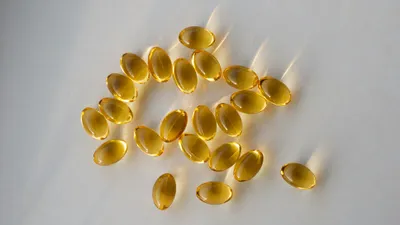
Krill Oil for Bladder Health: Strong Theory, Thin Evidence
Krill oil has three components linked to bladder health — omega-3s, phospholipids, and astaxanthin. Here's what the research actually supports.
Evidence-based information about dietary supplements, vitamins, and natural remedies for bladder health and overall wellness.
184 items in Supplements · Page 1 of 8
Krill oil has three components linked to bladder health — omega-3s, phospholipids, and astaxanthin. Here's what the research actually supports.
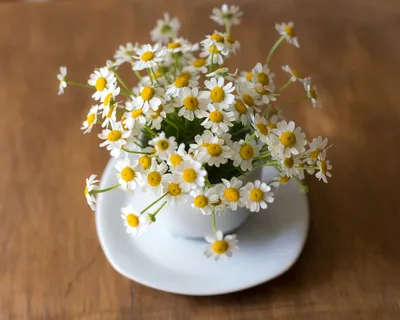
Can chamomile tea help overactive bladder symptoms? We review the research on apigenin, bladder relaxation, and practical tips for using chamomile tea for OAB.
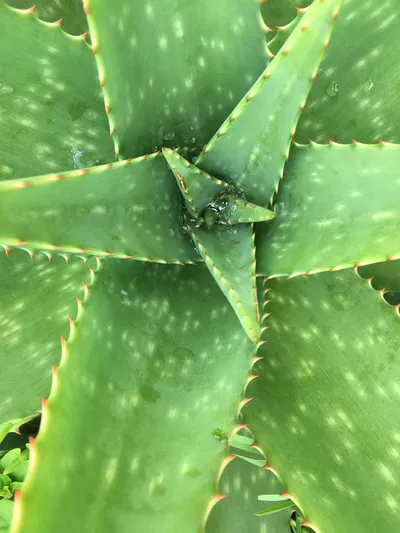
Can aloe vera help interstitial cystitis symptoms? We review the clinical evidence on aloe vera for IC, including dosing, GAG layer repair, and safety.
Does beta-sitosterol help with prostate enlargement and urinary symptoms? We review the clinical trials, dosage, side effects, and how it compares to drugs.
Can D-mannose help interstitial cystitis? We review the evidence, explain why IC differs from UTI, and assess who may benefit.
Can dandelion help your bladder? We review clinical evidence on dandelion for UTI prevention, BPH, and its diuretic effects on urinary health.
What does green tea do to your bladder? We review the research on EGCG, catechins, caffeine, and whether green tea helps or hurts bladder conditions.
Does horsetail help your bladder? We review clinical trials on Equisetum arvense for UTI prevention, overactive bladder, and kidney stones.
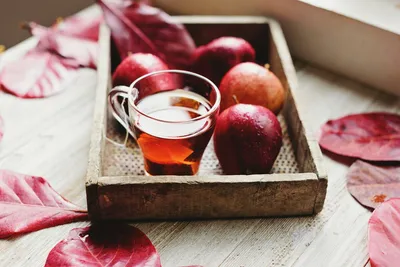
What does marshmallow root do for your bladder? We review the research on marshmallow root for bladder health, including IC, UTIs, and how to use it.
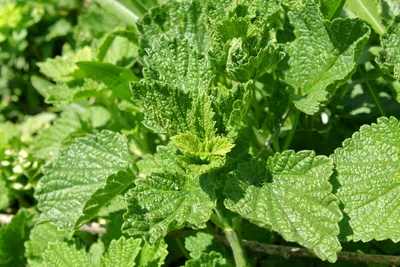
Does nettle root help with bladder symptoms? We review clinical trials, dosage, and what nettle root can realistically do for prostate health.

Evidence-based guide to probiotics for interstitial cystitis, covering gut-bladder research, best strains, and what IC patients should know.
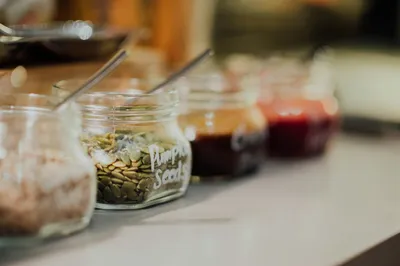
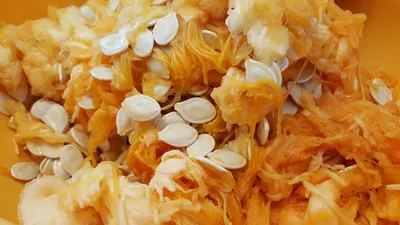
An evidence-based comparison of pumpkin seed oil vs saw palmetto for prostate and bladder health, covering clinical trials, dosage, and safety.
Does pygeum for prostate symptoms actually work? We review 18 clinical trials, mechanisms, dosage, side effects, and how it compares to other BPH supplements.

Review of quercetin for interstitial cystitis, including the CystaQ trial results, how it stabilizes mast cells, dosing tips, and what to expect.

Can turmeric help interstitial cystitis? We review the science on curcumin for IC, including dosage, bioavailability tips, and what studies actually found.
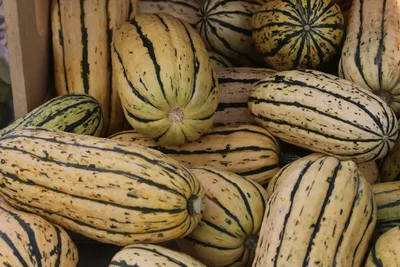
What does zinc do for the prostate? We review the evidence on zinc for prostate health, including the dose that helps and the dose that may cause harm.
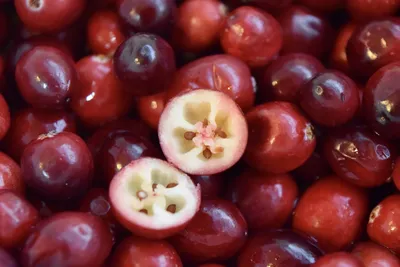
Comparing cranberry vs D-mannose for UTI prevention based on the latest clinical trials, including the 2024 JAMA study on D-mannose.

Evidence-based guide to the 10 best supplements for bladder health, from cranberry and D-mannose to magnesium and vitamin D. What research actually shows.
Evidence-based guide to the best supplements for interstitial cystitis and bladder pain, with dosages, timelines, and what the research actually shows.
Evidence-based guide to saw palmetto benefits and side effects for prostate health, urinary symptoms, and hair loss. Includes dosage and safety info.
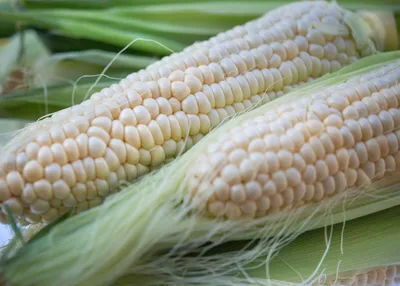
Can corn silk help your bladder? We review the research on corn silk for bladder health, including UTI prevention, overactive bladder, and dosage guidance.
Can magnesium help an overactive bladder? We review 2025 research, compare types like glycinate vs citrate, and explain dosage, food sources, and safety.
Can myrtle oil help with overactive bladder, nocturia, or UTIs? We look at the science behind Myrtus communis and bladder health.
Comparing pumpkin seed oil and saw palmetto for nocturia. See what clinical trials say about which supplement reduces nighttime bathroom trips.