Corn Silk for Bladder Health: What Research Shows
Can corn silk help your bladder? We review the research on corn silk for bladder health, including UTI prevention, overactive bladder, and dosage guidance.
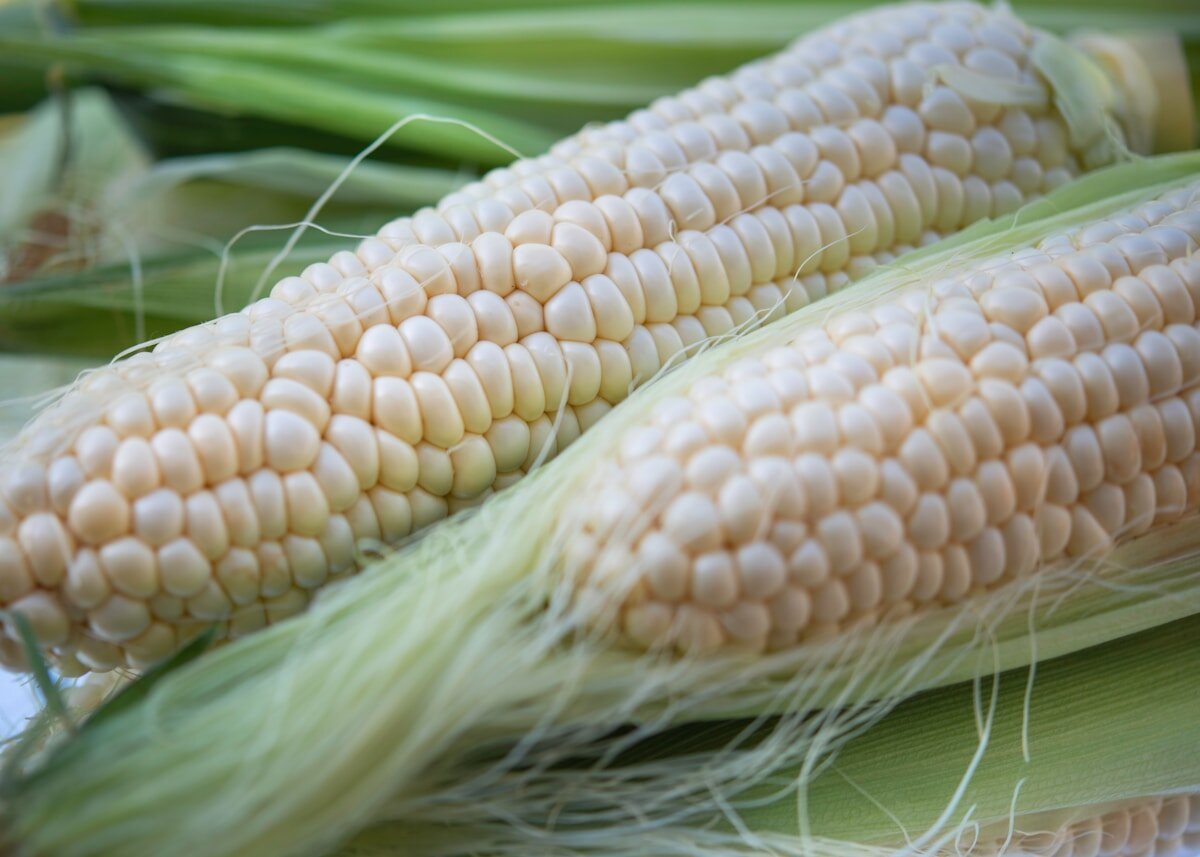
Corn silk, the fine threads you usually throw away when shucking corn, has a surprisingly long history as a bladder remedy. Across Chinese, Native American, Turkish, and European folk medicine, people have brewed corn silk tea for urinary tract infections, bladder irritation, and fluid retention. But does the science support using corn silk for bladder health, or is this purely a folk remedy?
I spent time going through the published research, and the answer lands somewhere in the middle. There is real pharmacological evidence showing corn silk has properties relevant to bladder health. There are also significant gaps, particularly the near-complete absence of human clinical trials for urinary conditions. Here’s what we actually know.
What Makes Corn Silk Potentially Useful for the Bladder
Corn silk (Stigma maydis or Zea mays L.) is the silky threads found inside the husk of an ear of corn. A 2024 review in Molecules identified 284 distinct chemical compounds in corn silk, including 80 flavonoids, 55 organic acids, 50 terpenoids, and various polysaccharides 1.
Several of these compounds are directly relevant to bladder function:
Flavonoids (particularly maysin, luteolin, and apigenin glycosides). These are the main bioactive group, accounting for about 40% of total flavonoid content. They have documented anti-inflammatory and antioxidant effects. A 2017 study found corn silk extract suppressed the NF-kappaB inflammatory pathway, reducing the inflammatory cytokine IL-1beta by 58% in mice 2. NF-kappaB is a central driver of inflammation in conditions like interstitial cystitis.
Mucilage. This gel-forming fiber coats and soothes mucous membranes, including the bladder lining. Herbalists classify corn silk as a “demulcent,” meaning it calms irritated tissue. This is the same property that makes slippery elm popular for digestive complaints.
Allantoin. Corn silk contains 215 to 289 mg of allantoin per 100 g of dry material 3. Allantoin promotes tissue repair and has anti-irritant properties. It’s the same compound used in skin-healing creams and wound care products.
Saponins and potassium salts. These contribute to the mild diuretic effect, helping increase urine production and flush the urinary tract.
Corn Silk as a Natural Diuretic
The diuretic effect is probably the best-studied property of corn silk, and it’s the one most directly tied to bladder health.
A 2004 study in rats found that corn silk decoction produced significant, acute diuresis, with peak urine output within the first 24 hours. The mechanism appeared to work through increased kidney filtration rather than salt loading 4. A follow-up study confirmed the diuretic effect at 500 mg/kg body weight and also found corn silk increases potassium excretion, which is worth noting if you take potassium-sparing medications 5.
My take: the diuretic activity is consistent and has been confirmed in multiple animal studies. But here’s the catch: one human trial of 38 volunteers found no significant difference in urine output over one week. The researchers suggested the dose may have been too low. Until better human data exists, the diuretic effect remains “likely but unconfirmed” in people.
For bladder health, a mild diuretic could help flush bacteria during a UTI or reduce concentration of irritants in urine. But if you’re dealing with overactive bladder or frequent urination, more urine production isn’t always desirable. Context matters.
Corn Silk for UTI Prevention
This is where the research gets interesting. In 2015, German researchers tested corn silk extract against uropathogenic E. coli (the bacterium behind most UTIs) and found something specific: the extract didn’t kill the bacteria. Instead, it prevented E. coli from sticking to human bladder cells 6.
This anti-adhesion mechanism is the same principle behind D-mannose and cranberry for UTI prevention. The bacteria can’t establish infection if they can’t latch onto the bladder wall.
The researchers identified specific flavones in corn silk, including derhamnosylmaysin and apiferol, as the active compounds. The anti-adhesion IC50 was 1,040 microg/mL when using corn silk alone. But when they combined corn silk with birch leaf and Java tea extracts, the IC50 dropped to 131 microg/mL, an 8-fold improvement 7. This suggests corn silk may work best as part of a combination approach, not as a standalone UTI remedy.
An important warning from this same research team: they found benzethonium chloride contamination in some commercial corn silk batches, which can fake antibacterial results in lab tests. Quality sourcing matters.
If you’re looking for natural ways to prevent recurrent UTIs, corn silk is a reasonable addition to consider alongside better-studied options like D-mannose and cranberry. The anti-adhesion evidence is promising, but it comes from lab studies, not from clinical trials in actual UTI patients.
Corn Silk for Overactive Bladder
I want to be straightforward here. A review of herbal supplements for OAB published in Reviews in Urology states plainly: “There are no clinical studies that have been done using cornsilk for OAB” 8.
That said, the traditional use of corn silk for urinary urgency and frequency goes back centuries across multiple cultures. And the pharmacological profile supports why it might help:
- The anti-inflammatory activity (NF-kappaB suppression) could reduce bladder wall irritation that triggers urgency
- The mucilage coats and soothes inflamed bladder tissue
- The allantoin may help repair damaged urothelium
If you’re managing OAB symptoms, corn silk is sometimes recommended alongside other supplements like pumpkin seed oil and magnesium. Our guide to supplements for overactive bladder covers the options with stronger clinical evidence.
Corn Silk for Bladder Inflammation and IC
For people with interstitial cystitis or chronic bladder inflammation, corn silk’s anti-inflammatory properties are the most relevant angle.
The 2017 mouse study found that corn silk extract reduced NF-kappaB-driven inflammatory signals in organs by 5 to 11-fold 2. An earlier in-vitro study showed corn silk effectively blocked TNF-alpha-induced cell adhesion and ICAM-1 expression, both markers of the inflammatory cascade that drives IC/BPS pain 9.
The demulcent (soothing) action is also relevant for IC. The mucilage in corn silk forms a protective coating over irritated tissue, similar to how it soothes the digestive tract in traditional medicine.
However, IC patients should be cautious. There is no clinical data on corn silk for IC specifically, and individual tolerances vary widely. If you’re following an IC elimination diet, introduce corn silk tea slowly and monitor your symptoms.
Corn Silk for Kidney Stones
While kidney stones aren’t a bladder condition, they pass through the urinary tract and the research is worth mentioning.
A 2023 animal study found corn silk extract worked as an antiurolithiatic agent by increasing urinary pH, boosting diuresis, and protecting kidney tissue from stone-related damage 10. A separate 2024 lab study showed corn silk polysaccharides inhibited calcium oxalate crystal adhesion and aggregation on kidney cells while reducing oxidative stress 11.
The increased urine flow from corn silk’s diuretic effect could also help prevent crystal formation by keeping the urinary tract flushed. Again, the evidence is preclinical, but the mechanisms align with established stone prevention strategies.
Corn Silk for Men’s Urinary Health
Corn silk has an unexpected application for men dealing with benign prostatic hyperplasia (BPH), which causes lower urinary tract symptoms like urgency, weak stream, and nighttime urination.
A 2017 Korean study tested high-maysin corn silk extract in rats with testosterone-induced BPH. The extract significantly lowered prostate weight, reduced 5-alpha-reductase type 2 activity, and decreased DHT and PSA levels. The results were comparable to finasteride, a standard pharmaceutical treatment for BPH 12.
This is a single animal study, and comparisons to prescription drugs should be taken cautiously. But it suggests corn silk may benefit men whose bladder symptoms stem from prostate enlargement, not just direct bladder issues.
How to Use Corn Silk: Tea vs. Supplements
Corn silk tea. The traditional preparation. Use 1 tablespoon of dried corn silk (or a generous handful of fresh silk from 2 to 3 ears of corn) steeped in boiling water for 10 to 15 minutes. One to two cups per day is typical in traditional practice. The tea has a mild, slightly sweet flavor. The added hydration from drinking tea is itself beneficial for urinary health.
Dried extract capsules. Most commercial supplements provide 400 to 450 mg per capsule, taken two to three times daily. Capsules offer more consistent dosing than tea, but quality varies between brands.
Tincture. Alcohol-based extracts are available from herbalist suppliers. Typical doses are 3 to 6 mL per day. Tinctures may extract different compound profiles than water-based preparations.
No clinical trial has compared these forms for bladder conditions. The tea form provides the mucilage (soothing coating) directly, which may be an advantage for bladder irritation. Capsules are more convenient and provide standardized doses. Both are considered safe for most people.
What to look for when buying: Choose products that specify the plant part (Stigma maydis / corn silk), ideally from organic sources. The 2015 German study flagged contamination issues in some commercial batches 6, so stick with reputable supplement brands that provide third-party testing.
How Corn Silk Compares to Other Bladder Supplements
Corn silk occupies a different niche than the most popular bladder supplements:
D-mannose has stronger clinical evidence for UTI prevention, with human trials showing reduced recurrence in women with recurrent UTIs. If UTI prevention is your main goal, D-mannose has more data behind it.
Cranberry has the most clinical research overall for urinary health, with a 2023 Cochrane review covering 50+ trials. Cranberry and corn silk both work through anti-adhesion mechanisms, but the evidence base for cranberry is much larger.
Pumpkin seed oil has actual human clinical trial data for OAB and nocturia, making it a better first choice for those specific symptoms.
Chamomile tea has lab data showing bladder smooth muscle relaxation and anti-inflammatory effects. It’s better suited for OAB specifically, while corn silk is broader in scope.
Corn silk’s advantage is its multi-targeted approach: it combines diuretic, anti-inflammatory, anti-adhesive, and soothing (demulcent) properties in one natural product. For someone dealing with general bladder irritation or mild urinary symptoms across several categories, this breadth could be useful. But for any single, specific condition, other supplements have stronger evidence.
Safety and Side Effects
Corn silk has an excellent safety profile. Acute toxicity studies found no deaths or abnormal symptoms at 2,000 mg/kg body weight in rats 13. A 90-day subchronic study found no adverse effects at doses up to 9.35 g/kg/day 14.
Known precautions:
- Corn allergy. People allergic to corn or corn pollen should avoid corn silk products.
- Blood sugar medications. Corn silk may lower blood sugar, so monitor levels if you take diabetes medication.
- Blood thinners. Some corn silk compounds may have mild anticoagulant effects. Discuss with your doctor if you take warfarin or similar medications.
- Diuretics. Combining corn silk with prescription diuretics could increase potassium loss. The potassium-excreting effect documented by Velazquez et al. 5 means caution is warranted.
- Pregnancy and breastfeeding. Reproductive toxicity data is lacking. Most sources advise avoiding corn silk supplements during pregnancy until more safety data is available.
When to See a Doctor
Corn silk is a mild herbal remedy. It is not a substitute for medical treatment when you need it. See a doctor if you experience:
- Blood in your urine
- Fever with urinary symptoms (possible kidney infection)
- Persistent pain during urination or chronic pelvic pain
- Urinary retention or inability to empty your bladder
- Three or more UTIs in 12 months (qualifies as recurrent UTI)
- OAB symptoms that significantly affect your daily life
- New onset of urinary incontinence
If you’re considering corn silk alongside prescribed bladder medications like oxybutynin, mirabegron, or antibiotics, discuss it with your pharmacist or doctor first.
Frequently Asked Questions
Does corn silk really help bladder problems?
Animal and lab studies show corn silk has diuretic, anti-inflammatory, and anti-adhesion properties relevant to bladder health. However, there are no published human clinical trials specifically for bladder conditions like OAB or UTIs. The traditional use spans centuries across multiple cultures, but clinical proof is still lacking.
How much corn silk should I take for bladder issues?
Common doses in traditional use and supplements range from 400 to 450 mg of dried extract two to three times daily. For corn silk tea, 1 to 2 cups per day using about 1 tablespoon of dried silk per cup is typical. No clinical trial has established an optimal dose specifically for bladder conditions.
Is corn silk safe to take every day?
Animal toxicity studies found no adverse effects at high doses over 90 days 14. Corn silk may interact with blood sugar medications, blood thinners, and diuretics. People with corn allergies should avoid it. Reproductive safety data is limited, so pregnant or breastfeeding women should consult a healthcare provider first.
Is corn silk tea or capsules better for bladder health?
No clinical research compares the two forms for bladder conditions. Tea provides hydration alongside the active compounds and delivers mucilage directly, which may soothe irritated bladder tissue. Capsules offer standardized dosing and convenience. Both are considered safe for most people.
Can corn silk help with overactive bladder?
Corn silk is traditionally used for urinary urgency and frequency, and its anti-inflammatory and muscle-soothing properties could theoretically help OAB symptoms. However, a urology review explicitly states no clinical studies exist for corn silk and OAB 8. It may be worth trying alongside conventional treatment, but set realistic expectations.
Summary
Corn silk for bladder health sits in an interesting space: centuries of traditional use backed by real pharmacological mechanisms, but almost no human clinical trial data for urinary conditions. The lab and animal evidence shows genuine anti-inflammatory activity (58% IL-1beta reduction), anti-adhesion against UTI-causing bacteria (IC50 of 1,040 microg/mL), confirmed diuretic effects, and tissue-soothing properties from mucilage and allantoin.
The honest assessment is that corn silk is a reasonable, low-risk supplement to consider as part of a broader bladder health strategy. It’s not going to replace proven treatments, and you shouldn’t expect dramatic results. But its multi-targeted action, excellent safety profile, and centuries of real-world use make it worth exploring, particularly for general bladder irritation and as a complementary approach alongside better-studied supplements like D-mannose, cranberry, or pumpkin seed oil.
If the ongoing research catches up to the traditional use, corn silk could become a more prominent player in natural bladder support. For now, it’s a promising traditional remedy waiting for the clinical trials it deserves.
References
-
Wang Y, Mao J, Zhang M, et al. An Umbrella Insight into the Phytochemistry Features and Biological Activities of Corn Silk: A Narrative Review. Molecules. 2024;29(4):891. PMC
-
Ho TY, Li CC, Lo HY, Chen FY, Hsiang CY. Corn Silk Extract and Its Bioactive Peptide Ameliorated Lipopolysaccharide-Induced Inflammation in Mice via the Nuclear Factor-kappaB Signaling Pathway. J Agric Food Chem. 2017;65(4):759-768. PubMed
-
Maksimovic Z, Malencovic A, Jancic B, Kovacevic N. Quantification of allantoin in various Zea mays L. hybrids by RP-HPLC with UV detection. Pharmazie. 2004;59(7):524-527. PubMed
-
Maksimovic Z, Dobric S, Kovacevic N, Milovanovic Z. Diuretic activity of Maydis stigma extract in rats. Pharmazie. 2004;59(12):967-971. PubMed
-
Velazquez DVO, Xavier HS, Batista JEM, de Castro-Chaves C. Zea mays L. extracts modify glomerular function and potassium urinary excretion in conscious rats. Phytomedicine. 2005;12(5):363-369. PubMed
-
Rafsanjany N, Sendker J, Lechtenberg M, et al. Traditionally used medicinal plants against uncomplicated urinary tract infections: antiadhesive activity of Zea mays L. against uropathogenic E. coli. Fitoterapia. 2015;105:246-253. PubMed
-
Rafsanjany N, Lechtenberg M, Petereit F, Hensel A. Antiadhesion as a functional concept for protection against uropathogenic Escherichia coli: in vitro studies with traditionally used plants. J Ethnopharmacol. 2013;145(2):591-597. PubMed
-
Chughtai B, Kavaler E, Lee R, Te A, Kaplan SA, Lowe F. Use of Herbal Supplements for Overactive Bladder. Rev Urol. 2013;15(3):93-96. PMC
-
Habtemariam S. Extract of corn silk (stigma of Zea mays) inhibits the tumour necrosis factor-alpha- and bacterial lipopolysaccharide-induced cell adhesion and ICAM-1 expression. Planta Med. 1998;64(4):314-318. PubMed
-
Gumaih HS, Alasbahy A, Alharethi SH, et al. Antiurolithiasis activities of Zea mays extract and its mechanism as antiurolithiasis remedy. Am J Clin Exp Urol. 2023;11(5):443-451. PubMed
-
Heng BL, Wu FY, Tong XY, et al. Corn Silk Polysaccharide Reduces the Risk of Kidney Stone Formation by Reducing Oxidative Stress and Inhibiting COM Crystal Adhesion and Aggregation. ACS Omega. 2024;9(17):19236-19249. PubMed
-
Kim SR, Ha AW, Choi HJ, et al. Corn silk extract improves benign prostatic hyperplasia in experimental rat model. Nutr Res Pract. 2017;11(5):373-380. PubMed
-
Ha AW, Kang HJ, Kim SL, Kim MH, Kim WK. Acute and Subacute Toxicity Evaluation of Corn Silk Extract. Prev Nutr Food Sci. 2018;23(1):70-76. PubMed
-
Wang C, Zhang T, Liu J, et al. Subchronic toxicity study of corn silk with rats. J Ethnopharmacol. 2011;137(1):36-43. PubMed
Frequently Asked Questions
- Does corn silk really help bladder problems?
- Animal and lab studies show corn silk has diuretic, anti-inflammatory, and anti-adhesion properties relevant to bladder health. However, there are no published human clinical trials specifically for bladder conditions. The traditional use is well-established, but clinical proof is still lacking.
- How much corn silk should I take for bladder issues?
- Common doses in traditional use and supplements range from 400 to 450 mg of dried extract two to three times daily. For corn silk tea, 1 to 2 cups per day using 1 tablespoon of dried silk per cup is typical. No clinical trials have established an optimal dose for bladder conditions.
- Is corn silk safe to take every day?
- Animal toxicity studies found no adverse effects at doses up to 2,000 mg per kg body weight, and 90-day studies showed a very high safety margin. Corn silk may interact with blood sugar medications, blood thinners, and diuretics. People with corn allergies should avoid it.
- Is corn silk tea or capsules better for bladder health?
- There is no clinical research comparing the two forms for bladder conditions. Tea provides hydration alongside the active compounds, which supports urinary health. Capsules offer standardized dosing and convenience. Both are considered safe for most people.
- Can corn silk help with overactive bladder?
- Corn silk is traditionally used for urinary urgency and frequency, and its anti-inflammatory and muscle-relaxing properties could theoretically help overactive bladder symptoms. However, a urology review explicitly states that no clinical studies have been done using corn silk for OAB. It may be worth trying alongside conventional treatment, but set realistic expectations.
Medical Disclaimer: The information provided is for educational purposes only and should not be considered as medical advice. Always consult with a qualified healthcare professional before making any changes to your diet, supplement regimen, or treatment plan.
Was this article helpful?