Foods That Irritate the Bladder: Common Triggers and How to Find Yours
Learn which foods irritate the bladder and worsen urinary symptoms, plus a step-by-step elimination diet to identify your personal triggers.
If you deal with overactive bladder, interstitial cystitis, or just unexplained urinary urgency, there is a good chance someone has handed you a list of foods to avoid. These lists are everywhere online, and they can be overwhelming. Some tell you to cut out dozens of foods at once.
Here is what I think is worth knowing upfront: the research on foods that irritate the bladder is more complicated than most articles let on. A 2025 systematic review of 51 studies found inconsistent evidence linking the usual suspects to overactive bladder symptoms 1. That does not mean dietary triggers are imaginary. Around 90-96% of people with interstitial cystitis say certain foods make their symptoms worse 5. What that gap between patient experience and population-level data really means is that triggers are highly individual.
So rather than giving you a rigid “never eat this” list, I want to walk through what we know about each commonly cited trigger food and then show you how to actually figure out which ones affect you.
Why Certain Foods Affect the Bladder
Before getting into specific foods that irritate the bladder, it helps to understand the basic mechanism. Your kidneys filter what you eat and drink, and the byproducts sit in your bladder until you urinate. Acidic or irritating compounds in food can reach the bladder lining and, in sensitive individuals, trigger inflammation or muscle spasms.
One study found that 61% of overactive bladder patients had acidic urine, and a 4-week dietary alkalization program reduced symptom scores from 17.87 to 10.43 4. That suggests the cumulative acid load of your whole diet may matter more than any single food.
People with interstitial cystitis or painful bladder syndrome tend to have a damaged bladder lining (the glycosaminoglycan layer), which makes their bladder more permeable to irritants that would not bother a healthy bladder. This partly explains why dietary sensitivity varies so much from person to person.
1. Citrus Fruits and Juices
Citrus tops most lists of foods that irritate the bladder. Oranges, grapefruits, lemons, and limes are highly acidic, and their juices concentrate that acidity further. In IC/BPS patient surveys, citrus fruits and juices consistently rank among the worst offenders 5 6.
What the research says: A large population study following 65,000 women from the Nurses’ Health Study found no association between citrus fruit intake and developing urinary incontinence 3. However, a separate NHANES analysis of over 9,500 women showed that caffeinated, carbonated, and citrus beverages were modestly associated with urgency incontinence (OR 1.37) 2.
My take: The evidence splits along an important line. If you already have bladder sensitivity, citrus can clearly make things worse. But citrus does not appear to cause bladder problems in people without existing conditions. If you react to citrus, try lower-acid alternatives like pears, blueberries, or bananas.
2. Tomatoes and Tomato-Based Products
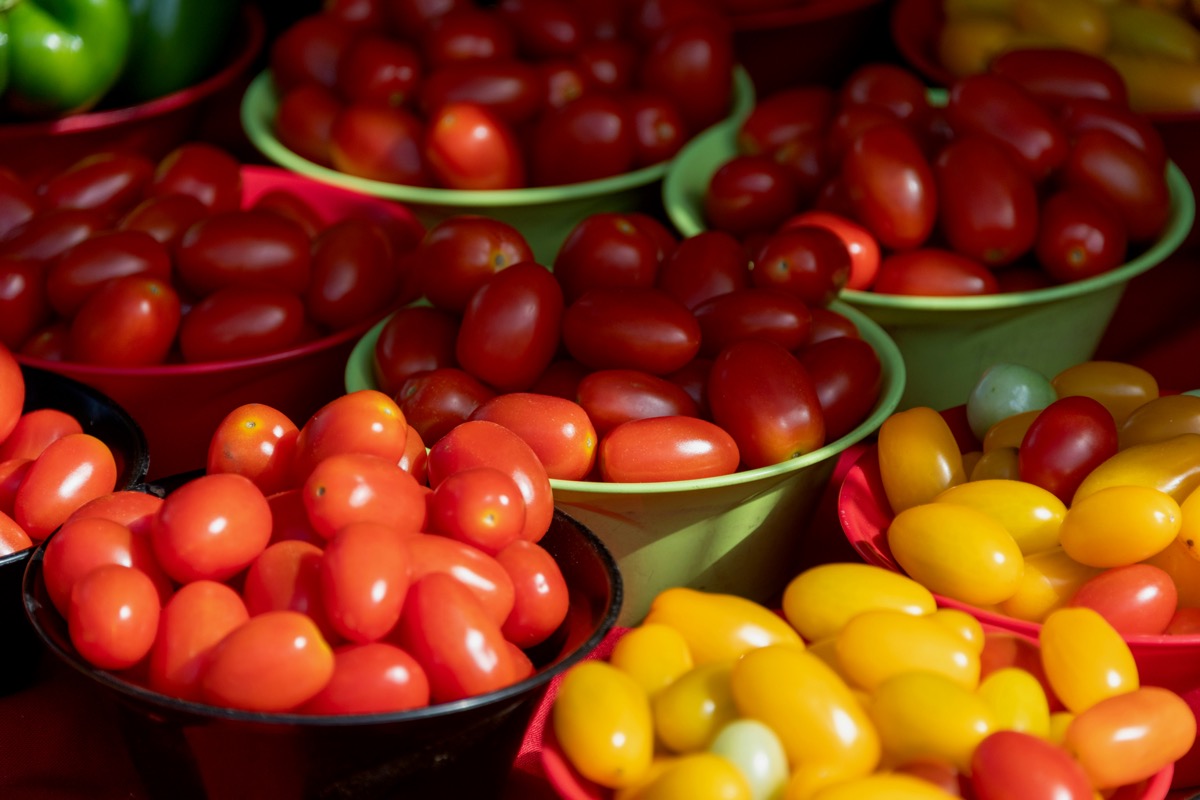
Tomatoes are acidic (pH 4.3-4.9), and tomato-based sauces, ketchup, and salsa concentrate that acidity. They also contain citric acid, malic acid, and ascorbic acid, so the acid load per serving adds up fast.
Survey data from IC/BPS patients lists tomatoes among foods that irritate the bladder 6. In clinical practice, tomato sauce tends to be reported more often than raw tomatoes, likely because cooking and concentration increases the acid load per serving.
Worth noting: The Nurses’ Health Study, which tracked tomato consumption specifically, found no link to incontinence risk 3. Again, the pattern holds: problematic for those already sensitized, not a concern for the general population.
If tomatoes bother you, roasted red peppers or carrot-based sauces work as pasta sauce alternatives. Some people tolerate low-acid tomato varieties better than standard ones.
3. Spicy Foods
Hot peppers, chili powder, wasabi, and other spicy foods contain capsaicin and similar compounds that stimulate nerve receptors. The bladder has the same type of receptors (TRPV1) that your mouth does, which is why spicy foods can trigger bladder spasms or urgency in some people.
IC/BPS patients rank hot peppers among the worst offenders 5. Yet the 2025 systematic review found no consistent evidence connecting spicy foods to overactive bladder symptoms in people without existing bladder conditions 1.
My take: If you notice a pattern between spicy meals and frequent urination or urgency, your observation matters regardless of what population studies say. But if you eat spicy food without problems, there is no reason to stop based on current evidence.
4. Artificial Sweeteners
Aspartame, saccharin, and sucralose appear on nearly every bladder irritant list. Survey studies report that IC/BPS patients identify artificial sweeteners among their worst triggers 5 6.
What the research says: Despite strong patient reports, the NHANES population analysis found no significant association between artificial sweetener consumption and urgency incontinence 2. The systematic review reached the same conclusion for OAB symptoms overall 1.
This is one of the bigger gaps between clinical recommendations and research evidence. The mechanism is not well understood. One theory is that artificial sweeteners change urine composition in ways that irritate a damaged bladder lining, but no controlled study has confirmed this.
If you are trying to cut artificial sweeteners, stevia and monk fruit are sometimes tolerated better, though individual reactions vary.
5. Chocolate
Chocolate has caffeine, theobromine, and mild acidity working against it. About half of IC/BPS patients report it worsens their symptoms 5.
The honest truth: Only three studies in the 2025 systematic review examined chocolate specifically, and the results were inconsistent 1. The population-based NHANES analysis found no significant association between chocolate and urgency incontinence 2.
Dark chocolate has more caffeine and theobromine than milk chocolate. If chocolate seems to bother you, white chocolate (which contains cocoa butter but no cocoa solids) is sometimes tolerated, though it lacks the antioxidant benefits.
6. Other Commonly Reported Trigger Foods
Beyond the big five, several other foods that irritate the bladder come up repeatedly in patient surveys and clinical guidance:
- Caffeine (coffee, tea, energy drinks): The most consistently supported dietary trigger across studies. Caffeine stimulates bladder muscle contractions and increases urine production. For beverages specifically, see our guide on the best drinks for bladder health. If you’re looking for a caffeine-free swap, chamomile tea may help soothe overactive bladder symptoms.
- Alcohol: Acts as a diuretic and bladder irritant. Beer and wine tend to be reported more often than spirits.
- Carbonated beverages: The carbonation itself (carbon dioxide) may irritate the bladder lining.
- Vinegar and pickled foods: High acidity can contribute to overall urinary acid load.
- Processed foods: The preservatives, sodium, and artificial additives in processed foods bother some people.
A review of clinical guidelines from 17 organizations across 4 continents found that only 8 of 22 nutritional recommendations for bladder conditions were supported by strong evidence 10. Caffeine reduction and weight management had the strongest backing.
7. The Elimination Diet: Finding Your Personal Triggers
Since bladder food sensitivities are so individual, an elimination diet is the most practical tool you have. A 2024 systematic review found that people who stuck with structured dietary changes saw lasting symptom relief 8. The AID-IC pilot study took it further: patients on an anti-inflammatory diet saw their symptoms improve, and when they went back to their old eating habits, they could pinpoint exactly which foods were causing problems 9.
Here is a straightforward approach:
Week 1-2: The Baseline Phase. Remove the most commonly reported foods that irritate the bladder from your diet all at once. This means cutting citrus, tomatoes, spicy foods, artificial sweeteners, chocolate, caffeine, alcohol, and carbonated drinks. Eat bland, bladder-friendly foods: rice, potatoes, chicken, fish, pears, blueberries, green vegetables, bread, and water.
Keep a symptom diary every day. Rate your urgency, frequency, and pain on a 0-10 scale. Note your fluid intake. You need a solid baseline to compare against.
Week 3-6: Reintroduction Phase. Add back one food category every 3-4 days. For example, start with tomatoes in week 3. Eat a normal serving for two consecutive days, then wait two more days and track your symptoms.
If your symptoms stay the same, that food is probably fine for you. If symptoms flare within 12-48 hours, remove it and wait until symptoms settle before testing the next food.
Suggested reintroduction order (least to most likely to trigger):
- Chocolate
- Tomatoes
- Spicy foods (mild, then medium)
- Artificial sweeteners
- Citrus (start with less acidic oranges before grapefruit/lemon)
- Caffeine (start with tea before coffee)
After reintroduction: You will have a personalized list of foods that irritate your bladder specifically. Most people find that only 2-3 categories actually bother them, not all six. That is a much more manageable restriction than avoiding everything indefinitely.
One important randomized controlled trial found that replacing irritating beverages with water did not significantly reduce void frequency when total fluid volume stayed the same 7. This suggests that how much you drink matters alongside what you drink. Keep your total fluid intake moderate, around 6-8 glasses per day unless your doctor advises otherwise.
When to See a Doctor
Dietary changes are a reasonable first step for mild bladder irritation, but you should see a healthcare provider if:
- Your symptoms do not improve after 4-6 weeks of dietary modification
- You notice blood in your urine (hematuria)
- You have pain that is getting progressively worse
- Frequent urination or urgency is disrupting your sleep or daily activities
- You have unexplained weight loss alongside urinary symptoms
- You develop fever or chills with urinary symptoms
Persistent bladder irritation can point to interstitial cystitis, urinary tract infections, or other conditions that need proper diagnosis beyond dietary changes.
Frequently Asked Questions
What foods irritate the bladder the most?
The most commonly reported foods that irritate the bladder include citrus fruits, tomatoes, spicy foods, chocolate, and artificial sweeteners. Caffeine is probably the best-supported trigger across studies. However, triggers vary significantly between individuals, so an elimination diet is the most reliable way to identify your specific problem foods.
Can spicy food cause bladder problems?
Some people with interstitial cystitis or overactive bladder report that spicy foods worsen their symptoms, though population-level studies have not found a consistent link 1. Capsaicin in hot peppers stimulates TRPV1 nerve receptors in the bladder lining, which may explain why certain individuals react while others do not.
How long does it take for bladder irritation from food to go away?
Most food-related bladder irritation resolves within 12 to 48 hours after the offending food passes through your system. If symptoms persist beyond a few days, the cause may not be dietary, and you should consult a healthcare provider.
Are bananas bad for your bladder?
Bananas are generally considered bladder-friendly. They are low in acid and unlikely to trigger symptoms. Bananas appear on most IC-safe food lists as a well-tolerated fruit alternative to citrus and other acidic fruits.
Does chocolate irritate the bladder?
Chocolate contains caffeine and theobromine, which can act as mild diuretics and bladder stimulants. About half of interstitial cystitis patients report chocolate worsens their symptoms 5, though large population studies have not found a significant association with overactive bladder 2.
Summary
The list of foods that irritate the bladder is long, but the evidence behind blanket food restrictions is weaker than you might expect. The 2025 systematic review of 51 studies found no consistent link between any of the six commonly cited bladder irritants and overactive bladder symptoms 1. At the same time, 90-96% of IC/BPS patients report real dietary triggers 5 8.
Diet clearly matters for many people. But the right approach is personal rather than universal. Use an elimination diet to identify your specific triggers, and only restrict what actually bothers you. Most people end up needing to avoid far fewer foods than those intimidating lists suggest.
References
- Ha B, Seo Y, et al. Potential Bladder Irritants and Overactive Bladder Symptoms: A Systematic Review. Urogynecology. 2025;31(4):454-464. PubMed
- Ha B, Yanek LR, et al. Purported Bladder Irritant Intake in Women With Urgency Urinary Incontinence. Urogynecology. 2025;31(4):352-360. PubMed
- Townsend MK, Devore EE, et al. Acidic Fruit Intake in Relation to Incidence and Progression of Urinary Incontinence. Int Urogynecol J. 2013;24(4):605-612. PubMed
- Demirbas A, Sarici H, et al. The Relationship between Acidic Urinary pH and Overactive Bladder. Urol Int. 2015;95(2):223-226. PubMed
- Shorter B, Lesser M, et al. Effect of Comestibles on Symptoms of Interstitial Cystitis. J Urol. 2007;178(1):145-152. PubMed
- Bassaly R, Downes K, Hart S. Dietary Consumption Triggers in Interstitial Cystitis/Bladder Pain Syndrome Patients. Female Pelvic Med Reconstr Surg. 2011;17(1):36-39. PubMed
- Miller JM, Schimpf MO, et al. Fluids Affecting Bladder Urgency and Lower Urinary Symptoms: Results from a Randomized Controlled Trial. Int Urogynecol J. 2022;33(5):1329-1345. PubMed
- Almutairi S. Dietary Influence on Bladder Pain Syndrome: A Systematic Review. Cureus. 2024;16(9):e69437. PubMed
- Gordon B, Blanton C, et al. Anti-Inflammatory Diet for Women with Interstitial Cystitis/Bladder Pain Syndrome: The AID-IC Pilot Study. Methods Protoc. 2022;5(3):40. PubMed
- Gordon B. Nutritional Considerations for Bladder Storage Conditions in Adult Females. Int J Environ Res Public Health. 2023;20(19):6879. PubMed
Frequently Asked Questions
- What foods irritate the bladder the most?
- The most commonly reported foods that irritate the bladder include citrus fruits, tomatoes, spicy foods, chocolate, and artificial sweeteners. However, triggers vary significantly between individuals, so an elimination diet is the most reliable way to identify your specific problem foods.
- Can spicy food cause bladder problems?
- Some people with interstitial cystitis or overactive bladder report that spicy foods worsen their symptoms, though population-level studies have not found a consistent link. Capsaicin in hot peppers can stimulate nerve receptors in the bladder lining, which may explain why certain individuals react while others do not.
- How long does it take for bladder irritation from food to go away?
- Most food-related bladder irritation resolves within 12 to 48 hours after the offending food passes through your system. If symptoms persist beyond a few days, the cause may not be dietary, and you should consult a healthcare provider.
- Are bananas bad for your bladder?
- Bananas are generally considered bladder-friendly. They are low in acid and unlikely to trigger symptoms for most people. In fact, bananas appear on most IC-safe food lists as a well-tolerated fruit alternative to citrus.
- Does chocolate irritate the bladder?
- Chocolate contains both caffeine and theobromine, which can act as mild diuretics and bladder stimulants. About 50% of interstitial cystitis patients report chocolate worsens their symptoms, though large population studies have not found a significant association with overactive bladder.
Medical Disclaimer: The information provided is for educational purposes only and should not be considered as medical advice. Always consult with a qualified healthcare professional before making any changes to your diet, supplement regimen, or treatment plan.
Was this article helpful?