Is Sparkling Water Bad for Your Bladder?
Is sparkling water bad for your bladder? We reviewed 10 studies on carbonation and bladder irritation. The answer depends on the type you drink.
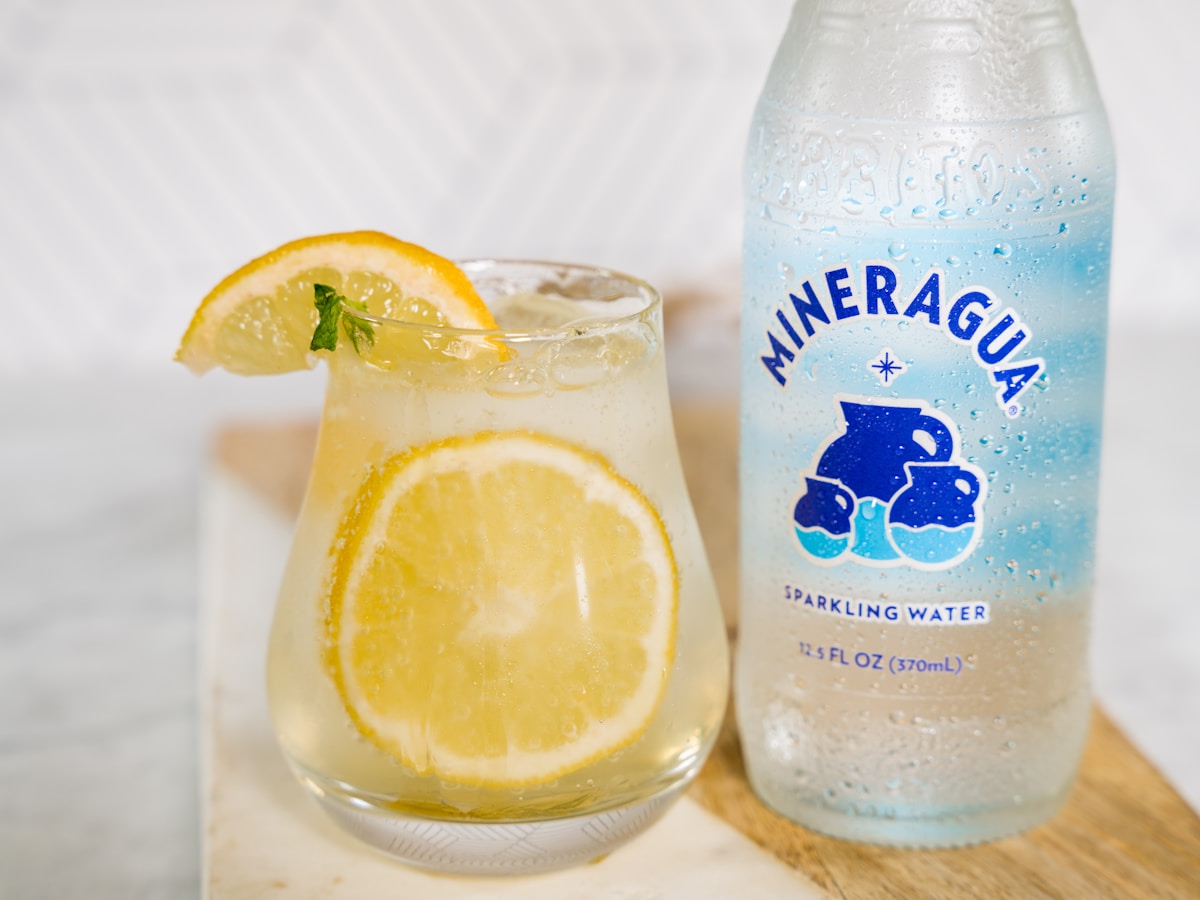
Sparkling water sales have grown over 15% in recent years, and so have questions about whether all that fizz is doing your bladder any harm. If you’ve noticed more bathroom trips after switching from still water to seltzer, you’re not imagining things. But is sparkling water actually bad for your bladder, or is something else going on?
I dug into 10 published studies on carbonation and bladder health. The short answer: plain sparkling water is probably fine for most people. The longer answer involves some important distinctions between types of sparkling water that most articles overlook.
What Happens When You Drink Sparkling Water
When CO2 dissolves in water, it forms carbonic acid. That’s what gives sparkling water its slight tang and a pH of roughly 3.5 to 4.5, which is more acidic than still water (pH 7) but far less acidic than orange juice (pH 3.3) or cola (pH 2.5).
Your kidneys filter everything you drink, and the resulting urine sits in your bladder until you void. A 2015 clinical study found that 61% of patients with overactive bladder had acidic urine, and when those patients alkalized their urine through dietary changes over four weeks, their symptom scores dropped from 17.87 to 10.43 1. So urine acidity does appear to matter for people with existing bladder conditions.
The question is whether the mild acidity of sparkling water actually shifts your urinary pH enough to cause problems. That remains unclear, as no study has directly measured the effect of plain sparkling water on urine pH.
What the Research Actually Shows
Here’s where things get interesting. The evidence is much more mixed than most health articles suggest.
Studies that found a link: A large prospective study following 6,424 women for one year found that carbonated drink consumption was associated with increased risk of overactive bladder 2. The BACH cohort study, tracking 4,144 adults for five years, found that women who increased their soda intake had higher rates of urinary urgency 3.
Studies that didn’t: A 2023 study from the LURN research network measured carbonated beverage intake in 491 adults with urinary symptoms and found no significant difference between those with urgency and those without 4. A randomized controlled trial published in the International Urogynecology Journal found that eliminating carbonated and other potentially irritating beverages did not significantly reduce void frequency 5.
The most recent systematic review, published in 2025, analyzed 51 studies on proposed bladder irritants including carbonated beverages. The conclusion: the evidence for an association between carbonated drinks and overactive bladder symptoms is inconsistent 6.
An expert review from the International Consultation on Incontinence Research Society summed it up well: there is “some evidence” for a role of carbonated beverages in overactive bladder, but findings are sometimes contradictory, and more research is needed 7.
The Real Problem Might Not Be the Bubbles
One study changes the conversation entirely. A crossover trial had 20 volunteers drink carbonated water, Diet Coke, caffeine-free Diet Coke, and Classic Coke as their main soft drink across four separate weeks. The result: Diet Coke and caffeine-free Diet Coke caused significantly more urgency and frequency than plain carbonated water 8.
This suggests that artificial sweeteners, not carbonation, are driving most of the bladder symptoms people associate with fizzy drinks.
Laboratory research supports this. A study in Toxicology and Applied Pharmacology found that artificial sweeteners (acesulfame K, aspartame, sodium saccharin) directly enhanced bladder muscle contractions by modulating calcium channels 9. A follow-up study showed that citric acid, commonly added to flavored sparkling water, also increased bladder muscle contractions, and the effect was amplified when combined with sweeteners 10.
This distinction between plain and flavored sparkling water is something you won’t find in most articles on this topic. It matters.
Not All Sparkling Water Is the Same
There are real differences between types:
- Plain seltzer/sparkling water contains only water and CO2. Based on the crossover trial, this is the least likely to irritate your bladder.
- Mineral water (Perrier, San Pellegrino) is naturally carbonated and contains minerals like calcium and magnesium bicarbonate, which may actually buffer some of the acidity.
- Flavored sparkling water (LaCroix, Bubly, AHA) often contains citric acid and natural flavors. The citric acid is the concern here, as it can increase bladder muscle activity based on the laboratory studies above.
- Club soda contains added sodium bicarbonate and potassium sulfate. The sodium content is worth considering if you have frequent urination or fluid retention.
- Tonic water contains quinine and sugar (or artificial sweeteners in diet versions). Both quinine and sweeteners are potential bladder irritants. Tonic water is the worst option for bladder health.
Who Should Be Careful
Most people can drink plain sparkling water without problems. But some groups should pay closer attention:
If you have overactive bladder: The epidemiological studies do show some association between carbonated drinks and OAB symptoms, even if the clinical trials haven’t confirmed a clear cause. It’s worth testing your own sensitivity by tracking symptoms with a bladder diary.
If you have interstitial cystitis or painful bladder syndrome: People with IC/BPS tend to have a damaged bladder lining (glycosaminoglycan layer), which makes the bladder more vulnerable to any irritant. The acidity of flavored sparkling water is a particular concern. Try plain mineral water first if you want carbonation.
If you notice nocturia: Drinking any large volume of fluid in the evening increases nighttime bathroom trips. If you drink sparkling water after dinner, the carbonation itself isn’t the problem. The timing and volume are.
How Much Sparkling Water Is Safe
Several urologists recommend the 25% rule: keep sparkling water to no more than 25% of your total daily fluid intake, with still water making up the rest. This is a reasonable guideline, though it’s based on clinical experience rather than randomized trial data.
Practical tips that go beyond the generic “drink less” advice:
- Stick to plain. Unflavored sparkling water avoids the citric acid and sweetener problems identified in the research.
- Room temperature may help. Cold beverages can trigger bladder spasms in some people, though this hasn’t been studied specifically with sparkling water.
- Avoid it close to bedtime. The carbonation expands your stomach slightly, which can increase the sensation of urgency.
- Keep a bladder diary. Track your sparkling water intake alongside bathroom visits for one week. This is far more useful than following generic advice, because individual sensitivity varies widely.
For more on bladder-friendly drink options, see our guide to the best drinks for bladder health. And if you’re trying to identify all your triggers, our article on foods that irritate the bladder covers the full picture.
When to See a Doctor
Adjusting your sparkling water intake is a reasonable first step if you notice increased urgency or frequency. But see a doctor if you experience:
- Blood in your urine
- Pain or burning during urination (dysuria)
- Urgency or frequency that persists after eliminating carbonated drinks for two weeks
- Leaking urine before you reach the bathroom
- Waking more than twice per night to urinate
These symptoms could indicate overactive bladder, interstitial cystitis, a urinary tract infection, or another condition that requires proper diagnosis. For tips on managing irritation while you wait for an appointment, see how to calm an irritated bladder.
Frequently Asked Questions
Is sparkling water bad for your bladder?
Plain sparkling water is probably fine for most people. Research has not found consistent evidence that carbonation alone irritates the bladder. Flavored sparkling water with citric acid or artificial sweeteners may be more problematic, especially if you have overactive bladder or interstitial cystitis.
Can carbonated water cause frequent urination?
Carbonation by itself has not been shown to increase urination frequency in clinical studies. A 2023 LURN study found no significant difference in carbonated beverage intake between people with urgency symptoms and those without 4. Individual sensitivity varies, so it’s worth tracking your own response with a bladder diary.
Is flavored sparkling water worse for your bladder than plain?
Possibly. Flavored sparkling water often contains citric acid, which laboratory studies have shown can increase bladder muscle contractions 10. The combination of citric acid with other additives appears to have a stronger effect than carbonation alone. Plain sparkling water is a safer choice for sensitive bladders.
Should I stop drinking sparkling water if I have overactive bladder?
Not necessarily. Try switching to plain, unflavored sparkling water first and see if symptoms improve. Keep a bladder diary for a week to track any connection. If symptoms persist, limit sparkling water to 25% of your total fluid intake. Talk to your doctor before making major changes to your fluid routine.
Does sparkling water cause interstitial cystitis flares?
Some people with IC report that carbonated drinks trigger flares, though the research is limited. The acidity of flavored sparkling water is a more likely culprit than the bubbles themselves. If you have IC, try eliminating all carbonated drinks for two weeks, then reintroduce plain sparkling water slowly to test your tolerance.
Summary
Is sparkling water bad for your bladder? For most people, plain sparkling water is not a significant concern. The research is genuinely mixed. Large epidemiological studies found associations between carbonated drinks and bladder symptoms, but clinical trials and the most recent systematic review have not confirmed a consistent link.
The bigger issue is what’s in your sparkling water besides CO2. Artificial sweeteners directly increase bladder muscle contractions in laboratory studies. Citric acid, found in most flavored varieties, adds to this effect. The one crossover trial that isolated plain carbonated water from soft drinks found that the bubbles themselves weren’t the problem.
If you enjoy sparkling water and your bladder feels fine, there’s no strong reason to stop. If you have overactive bladder or interstitial cystitis, stick to plain, unflavored sparkling water, limit it to about 25% of your daily fluids, and keep a bladder diary to understand your own triggers. Check our bladder-friendly meal plan for more dietary guidance.
References
- Demirbas A, et al. The relationship between acidic urinary pH and overactive bladder; alkalization of urine improves the symptoms of overactive bladder. Urol Int. 2015;95(2):223-226. PubMed
- Dallosso HM, et al. The association of diet and other lifestyle factors with overactive bladder and stress incontinence: a longitudinal study in women. BJU Int. 2003;92(1):69-77. PubMed
- Maserejian NN, et al. Intake of caffeinated, carbonated, or citrus beverage types and development of lower urinary tract symptoms in men and women. Am J Epidemiol. 2013;177(12):1399-1410. PubMed
- Cameron AP, et al. Total fluid intake, caffeine, and other bladder irritant avoidance among adults having urinary urgency with and without urgency incontinence. Neurourol Urodyn. 2023;42:213-220. PMC
- Miller JM, et al. Fluids affecting bladder urgency and lower urinary symptoms: results from a randomized controlled trial. Int Urogynecol J. 2022;33(5):1329-1345. PubMed
- Ha B, et al. Potential bladder irritants and overactive bladder symptoms: a systematic review. Urogynecology. 2025;31(4):454-464. PubMed
- Robinson D, et al. Are we justified in suggesting change to caffeine, alcohol, and carbonated drink intake in lower urinary tract disease? Report from the ICI-RS 2015. Neurourol Urodyn. 2017;36(4):876-881. PubMed
- Cartwright R, et al. Does Diet Coke cause overactive bladder? A 4-way crossover trial investigating the effect of carbonated soft drinks on overactive bladder symptoms in normal volunteers. ICS 2007; Abstract #19. ICS
- Dasgupta J, et al. Enhancement of rat bladder contraction by artificial sweeteners via increased extracellular Ca2+ influx. Toxicol Appl Pharmacol. 2006;217(2):216-224. PubMed
- Dasgupta J, et al. Modification of rat detrusor muscle contraction by ascorbic acid and citric acid involving enhanced neurotransmitter release and Ca2+ influx. Neurourol Urodyn. 2009;28(6):542-548. PubMed
Frequently Asked Questions
- Is sparkling water bad for your bladder?
- Plain sparkling water is probably fine for most people. Research has not found consistent evidence that carbonation alone irritates the bladder. Flavored sparkling water with citric acid or artificial sweeteners may be more problematic, especially if you have overactive bladder or interstitial cystitis.
- Can carbonated water cause frequent urination?
- Carbonation by itself has not been shown to increase urination frequency in clinical studies. A 2023 LURN study found no significant difference in carbonated beverage intake between people with urgency symptoms and those without. However, individual sensitivity varies, so it is worth tracking your own response.
- Is flavored sparkling water worse for your bladder than plain?
- Possibly. Flavored sparkling water often contains citric acid, which laboratory studies have shown can increase bladder muscle contractions. The combination of citric acid with other additives appears to have a stronger effect than carbonation alone. Plain sparkling water is a safer choice for sensitive bladders.
- Should I stop drinking sparkling water if I have overactive bladder?
- Not necessarily. Try switching to plain, unflavored sparkling water first and see if symptoms improve. Keep a bladder diary for a week to track any connection. If symptoms persist, limit sparkling water to 25% of your total fluid intake. Talk to your doctor before making major changes.
- Does sparkling water cause interstitial cystitis flares?
- Some people with interstitial cystitis report that carbonated drinks trigger flares, though the research is limited. The acidity of flavored sparkling water is a more likely culprit than the bubbles themselves. If you have IC, try eliminating all carbonated drinks for two weeks, then reintroduce plain sparkling water slowly to test your tolerance.
Medical Disclaimer: The information provided is for educational purposes only and should not be considered as medical advice. Always consult with a qualified healthcare professional before making any changes to your diet, supplement regimen, or treatment plan.
Was this article helpful?