Mediterranean Diet and Bladder Health: What 58 Studies Found
58 studies link the Mediterranean diet to lower rates of OAB, UTIs, bladder cancer, and kidney stones. Practical foods and meal ideas for bladder health.
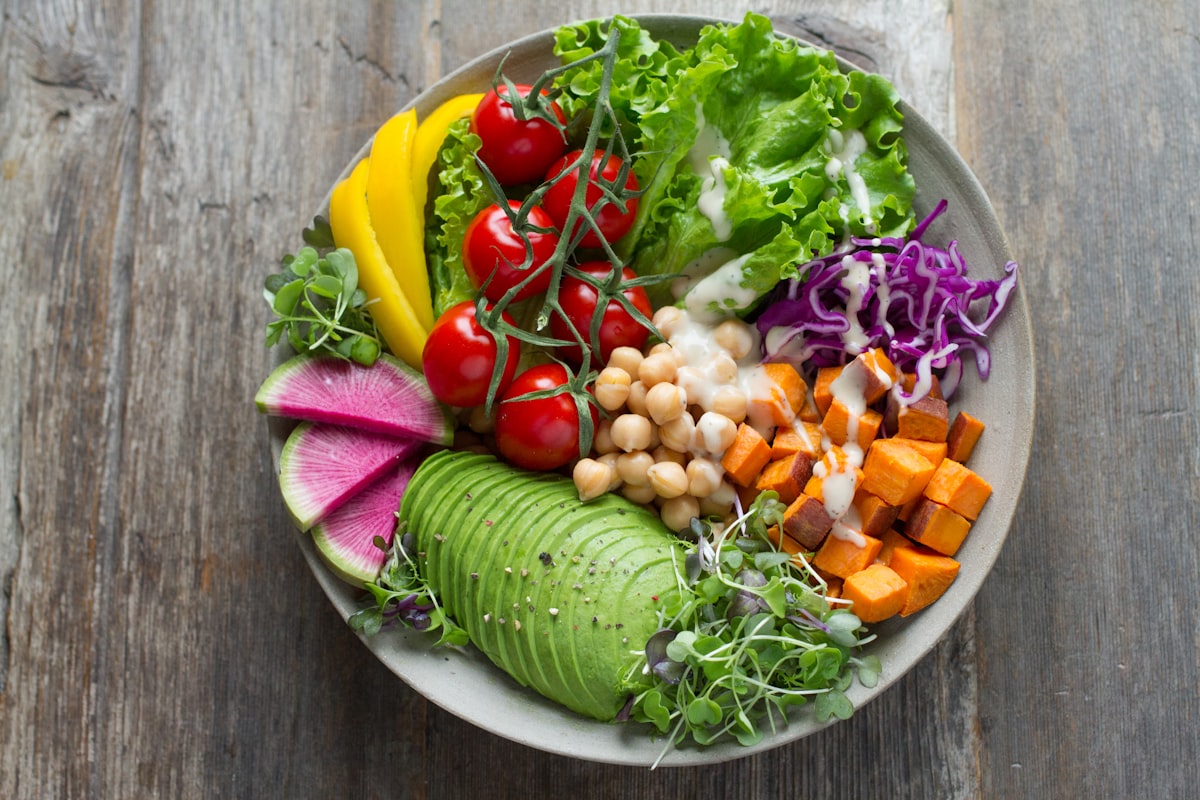
The Mediterranean diet reduces the risk of at least five separate urological conditions. That’s the conclusion from a 2024 systematic review that screened 955 papers and analysed 58 studies spanning overactive bladder, urinary tract infections, bladder cancer, kidney stones, and incontinence [1]. No other dietary pattern has this breadth of evidence for bladder health.
This is a nutrition article, not a treatment guide. The Mediterranean diet won’t cure an active UTI or shrink a tumour. But if you’re looking for a single dietary shift that covers the most ground for your urinary tract, the evidence points here.
Key Takeaways
- A 2024 systematic review of 58 studies found the Mediterranean diet benefits at least five urological conditions
- People who closely follow the diet have 15% lower bladder cancer risk, based on a pooled analysis of 646,222 people across 13 cohorts
- A study of 326 patients found significant negative correlation between Mediterranean diet adherence and overactive bladder symptoms
- Vegetarians, who share many dietary patterns with Mediterranean eaters, had 16% fewer UTIs in a 9,724-person prospective study
- The diet works through multiple pathways: dampening inflammation, feeding protective gut bacteria, and alkalising urine
- Mediterranean eating is already recommended as a first-line lifestyle intervention for OAB by multiple research groups
Five Conditions, One Dietary Pattern
Most diet-and-bladder research zooms in on individual foods. Cranberry for UTIs. Pumpkin seeds for prostate. The Mediterranean diet is different because researchers have studied it as a complete eating pattern. The evidence spans more urological conditions than any single food can claim.
Overactive Bladder
Direct evidence comes from a cross-sectional study of 326 outpatients in Turkey [2]. Researchers measured Mediterranean diet adherence using the 14-item MeDAS screener and OAB severity using the OAB-V8 questionnaire. Higher diet scores meant lower OAB symptoms (r = -0.359, P<0.001). In people with severe OAB, the correlation was even stronger (r = -0.635, P=0.003).
A larger 2025 analysis using NHANES data from over 23,000 American adults aged 20 to 65 confirmed the pattern [6]. Greater Mediterranean diet adherence correlated with reduced overactive bladder prevalence. The authors concluded the diet should be recommended alongside bladder training and pelvic floor exercises.
Both are observational studies. They can’t prove the diet caused the improvement. But the consistency across two different populations, countries, and measurement tools is hard to dismiss.
UTI Prevention
Nobody has directly tested the Mediterranean diet against recurrent UTIs. A closely related dietary pattern has been tested, though.
Researchers tracked 9,724 Buddhists in Taiwan from 2005 to 2014 [3]. Vegetarians had 16% fewer UTIs than non-vegetarians (HR: 0.84, 95% CI: 0.71-0.99). The effect was strongest for uncomplicated UTIs in women who didn’t smoke.
Why would eating less meat prevent bladder infections? The answer is uncomfortable. E. coli strains isolated from UTI patients are often genetically indistinguishable from the strains researchers pull out of supermarket chicken and pork — same resistance genes, same virulence factors, same bacteria. Meat is a reservoir for the organisms that cause most urinary tract infections. Eat less of it, encounter fewer pathogenic E. coli in your gut, and potentially reduce the pool of bacteria available to migrate to your bladder.
The Mediterranean diet doesn’t eliminate meat. But it dramatically cuts red and processed meat while loading up on plants. That shift alone may matter for anyone dealing with recurring infections.
Bladder Cancer
This is where the dataset gets large. The BLEND consortium pooled 13 prospective cohort studies covering 646,222 participants and 3,639 bladder cancer cases [4]. High Mediterranean diet adherence was associated with 15% lower bladder cancer risk (HR: 0.85, 95% CI: 0.77-0.93). The protection held across both non-muscle-invasive and muscle-invasive disease, and across both sexes.
Olive oil likely explains the connection. After you eat extra-virgin olive oil, your body metabolises its polyphenols and excretes them through urine. Lab research from a team working with human bladder cancer cell lines found that these urinary polyphenols reach concentrations high enough to inhibit cancer cell proliferation and migration [7]. You’re essentially bathing your bladder lining in anti-cancer compounds every time you urinate after an olive-oil-rich meal.
Side note: this is the same excretion pathway that makes cranberry useful for UTI prevention. Compounds that end up in urine can directly affect bladder tissue, which is why what you eat matters more for bladder health than for most other organs.
Kidney Stones
Two large studies in the BMC Urology review tell a consistent story [1]. A multi-cohort analysis of 6,077 patients found that high Mediterranean diet adherence cut kidney stone formation risk by 28% (HR: 0.72, P<0.001). A separate prospective cohort tracking 16,094 patients over roughly ten years found an even stronger 36% reduction (HR: 0.64, P=0.01).
Fruits and vegetables alkalise urine, increase urinary citrate, and raise magnesium. All three changes inhibit stone formation. The DASH diet, which overlaps heavily with the Mediterranean pattern, showed a 55-60% relative risk reduction in another analysis.
Urinary Incontinence
When researchers analysed data from 13,291 women across NHANES 2005-2018, higher Mediterranean diet scores were linked to lower rates of urgency incontinence (OR: 0.86, 95% CI: 0.75-0.98) and mixed incontinence (OR: 0.84, 95% CI: 0.70-0.99) [5]. The effect was most pronounced in women aged 45-60.
Stress incontinence showed no diet association. That makes sense physiologically — stress incontinence is a structural problem, not an inflammatory one. No diet fixes anatomy.
Evidence at a Glance
| Condition | Study Type | Sample Size | Key Finding | Strength |
|---|---|---|---|---|
| Overactive bladder | Cross-sectional | 326 + 23,000 | Negative correlation with diet adherence | Moderate (two independent studies) |
| UTI prevention | Prospective cohort | 9,724 | 16% lower UTI risk in vegetarians | Moderate (related diet, not identical) |
| Bladder cancer | Pooled cohort analysis | 646,222 | 15% lower risk (HR: 0.85) | Strong (13 cohorts, large sample) |
| Kidney stones | Multi-cohort | 6,077 + 16,094 | 28-36% lower stone risk | Moderate-strong |
| Urinary incontinence | Cross-sectional (NHANES) | 13,291 women | 14-16% lower urgency/mixed incontinence | Moderate |
Three Reasons It Works (Not Just “Anti-Inflammatory”)
Calling the Mediterranean diet “anti-inflammatory” is accurate but sells it short. The urinary tract benefits come through at least three distinct pathways.
Reducing Systemic Inflammation
Chronic low-grade inflammation drives or worsens OAB, interstitial cystitis, and bladder cancer. The Mediterranean diet measurably reduces C-reactive protein, IL-6, and TNF-alpha. One clinical trial found the diet dropped CRP by 0.9 mg/L over two years (P<0.01) [1]. For anyone with an inflammatory bladder condition, that’s a meaningful shift.
Our anti-inflammatory diet for IC guide covers how this applies specifically to painful bladder syndrome.
Feeding the Gut-Bladder Axis
Your gut-bladder axis is real and measurable. Short-chain fatty acids produced by gut bacteria, particularly butyrate, suppress inflammatory signalling in bladder tissue. A 2024 Mendelian randomisation study established causal links between specific gut bacteria and both UTI risk and inflammatory markers relevant to the urinary tract [9].
What feeds butyrate-producing bacteria? Fibre. Legumes, whole grains, vegetables, nuts. All Mediterranean staples. A plate of lentils and roasted vegetables isn’t just feeding you. It’s feeding the gut bacteria that protect your bladder.
Alkalising Urine and Delivering Polyphenols Directly
High fruit and vegetable intake raises urinary pH, reducing the irritant load on your bladder lining. For people prone to kidney stones or bladder irritation, less acidic urine means less damage to the protective GAG layer.
And olive oil polyphenols like hydroxytyrosol and tyrosol don’t just reduce inflammation systemically. They get excreted in urine at bioactive concentrations [7]. That’s unusual. Most dietary compounds don’t survive digestion, absorption, and renal filtration in their active form. Olive oil polyphenols do. It’s one of the few cases where “eat this for bladder health” has a clear, verified delivery mechanism.
Building a Mediterranean Plate for Your Bladder
Adapting the Mediterranean diet for bladder health means watching a few things that standard guides skip.
Load up on these:
- Extra-virgin olive oil as your primary cooking fat. Three to four tablespoons daily. This is the most distinctive element of the diet and the one most directly linked to bladder cancer protection [4].
- Fatty fish like salmon, sardines, and mackerel, two to three times per week. Omega-3s reduce urologic inflammation [8], and replacing red meat with fish cuts your exposure to foodborne E. coli.
- Legumes including lentils, chickpeas, and white beans, three to four times per week. These are the fibre source that feeds butyrate-producing gut bacteria.
- Vegetables at every meal. Leafy greens, cruciferous vegetables, root vegetables. Variety matters more than volume.
- Whole grains like brown rice, oats, and quinoa as your carbohydrate base.
- Nuts and seeds, especially walnuts and pumpkin seeds, which have their own bladder health evidence.
Pull back on:
- Red meat: once per week or less. This is the single biggest change for most people and the one most relevant to UTI prevention.
- Processed meat like bacon, ham, and salami. The evidence consistently links these to worse urological outcomes. Cut them entirely if you can.
- Added sugar and refined grains.
If you have OAB or IC: The standard Mediterranean diet includes known bladder irritants. Tomatoes, citrus, red wine, spicy peppers. All Mediterranean staples, all potential triggers. Swap tomato sauces for roasted capsicum or pesto. Choose pears and blueberries over oranges. Skip the wine. Our bladder-friendly recipes and 7-day meal plan already use many Mediterranean principles with these substitutions built in.
You’ll see “Mediterranean diet supplements” marketed online. Capsules of olive leaf extract or concentrated fish oil. These don’t replicate the combined dietary pattern that the studies actually tested. Skip them.
A Sample Day
Breakfast: Porridge with blueberries, walnuts, and a drizzle of olive oil. Chamomile or peppermint tea.
Lunch: White bean and vegetable soup with whole grain bread. Mixed greens dressed with olive oil.
Dinner: Baked salmon with roasted sweet potato, broccoli, and tahini dressing. Brown rice.
Snack: Almonds with a pear.
For a full week of meals along these lines, see our bladder-friendly meal plan.
What This Diet Won’t Fix
No diet cures an active UTI. That still needs antibiotics. The Mediterranean diet won’t resolve severe OAB requiring medication, and the bladder cancer data shows risk reduction, not elimination.
The evidence is also mostly observational. Nobody has randomised thousands of people to a Mediterranean diet versus a Western diet and then tracked their bladder outcomes for a decade while controlling for every confounding variable. Such a trial would cost a fortune and be nearly impossible to control. What we have instead is a remarkably consistent pattern across large, independent populations. Consistency isn’t proof, but it’s the next best thing.
And if your symptoms are structural, such as pelvic floor weakness, neurological conditions, or anatomical issues, food alone won’t address the root cause. Diet works best as one layer of a multi-layered approach.
If you have OAB, the strongest evidence supports combining this diet with pelvic floor training and fluid management. If you’re battling recurrent UTIs, pair dietary changes with the strategies in our natural UTI prevention guide. If kidney stones are your concern, the Mediterranean pattern plus adequate hydration is one of the best-evidenced preventive strategies available. And if you’re interested in what to drink, that matters too, but start with the plate.
Red Flags Worth Acting On
Dietary changes take weeks to months. If any of these show up, don’t wait for food to fix it:
- Three or more UTIs in a year despite lifestyle changes
- Urgency or frequency disrupting your sleep, work, or social life
- Blood in your urine, even once
- Bladder pain lasting more than a few days
- New urinary symptoms after age 50, especially in men
These warrant a GP visit or urology referral, not a diet adjustment.
Common Questions
Does the Mediterranean diet reduce UTI risk?
No direct trial exists yet, but a 9,724-person prospective study found that vegetarians, who eat a similarly plant-heavy, low-meat diet, had 16% fewer UTIs over nine years [3]. The mechanism likely involves reduced exposure to foodborne pathogenic E. coli, combined with fibre’s positive effect on gut bacteria. If you’re prone to recurrent UTIs, cutting red meat and increasing plant foods is a reasonable step supported by the evidence.
Can the Mediterranean diet help overactive bladder?
Two studies say yes. A Turkish study of 326 patients found significant negative correlation between diet adherence and OAB symptoms [2], and a larger NHANES analysis of over 23,000 adults confirmed the association [6]. Multiple research groups now recommend the diet as a first-line lifestyle intervention alongside bladder training and pelvic floor exercises.
What Mediterranean foods are bad for sensitive bladders?
Tomatoes, citrus fruits, red wine, coffee, and spicy peppers. All classic Mediterranean ingredients, all known bladder irritants. If you have IC or OAB, swap these for bladder-safe alternatives: roasted capsicum sauce instead of tomato, pears instead of oranges, herbal tea instead of coffee. The core of the diet, olive oil, fish, legumes, vegetables, and whole grains, is bladder-friendly.
Is the Mediterranean diet better than cranberry for preventing UTIs?
They work through completely different mechanisms and aren’t directly comparable. Cranberry proanthocyanidins prevent bacterial adhesion to bladder walls. The Mediterranean diet reduces exposure to foodborne pathogens, feeds protective gut bacteria, and lowers systemic inflammation. You can do both.
How long before the Mediterranean diet improves bladder symptoms?
Intervention trials in the BMC review saw improvements in urological markers within two to three months [1]. For OAB, some patients notice changes within weeks of cutting processed foods and increasing plant intake. Kidney stone prevention benefits accumulate over years. No overnight fix, but the trajectory starts early.
References
- Sultan A, Ibrahim HM, Youssef A. Impact of a Mediterranean diet on prevention and management of urologic diseases. BMC Urology. 2024;24(1):38. PubMed
- Kınacı MC, et al. Mediterranean Diet and Overactive Bladder. Int Neurourol J. 2022;26(2):130-136. PubMed
- Chen YC, et al. The risk of urinary tract infection in vegetarians and non-vegetarians: a prospective study. Sci Rep. 2020;10(1):906. PubMed
- Witlox WJA, et al. An inverse association between the Mediterranean diet and bladder cancer risk: a pooled analysis of 13 cohort studies. Eur J Nutr. 2020;59(1):287-296. PubMed
- Zheng L, et al. Adherence to Mediterranean diet and female urinary incontinence: Evidence from the NHANES database. PLoS One. 2024;19(10):e0311771. PubMed
- Zhang Y, et al. A cross-sectional study on the link between Mediterranean diet adherence and overactive bladder in American adults. J Health Popul Nutr. 2025;44:48. Springer
- Ferrara F, et al. Phenolic Extract from Extra Virgin Olive Oil Induces Different Anti-Proliferative Pathways in Human Bladder Cancer Cell Lines. Nutrients. 2023;15(1):226. PubMed
- Rossi M, et al. Influence of polyunsaturated fatty acids on urologic inflammation. Int Urol Nephrol. 2015;47(11):1753-1761. PubMed
- Wang C, et al. Dietary influences on urinary tract infections: unraveling the gut microbiota connection. Food Funct. 2024;15(20):10261-10275. PubMed
Frequently Asked Questions
- Does the Mediterranean diet reduce UTI risk?
- No direct trial exists yet, but a 9,724-person prospective study found that vegetarians who eat a similarly plant-heavy, low-meat diet had 16% fewer UTIs over nine years. The mechanism likely involves reduced exposure to foodborne pathogenic E. coli from meat, combined with fibre's positive effect on gut bacteria. Reducing red meat and increasing plant foods is a reasonable evidence-based step for recurrent UTI prevention.
- Can the Mediterranean diet help overactive bladder?
- Two studies say yes. A Turkish study of 326 patients found a significant negative correlation between diet adherence and OAB symptoms, and a larger NHANES analysis of over 23,000 American adults confirmed the association. Multiple research groups now recommend the diet as a first-line lifestyle intervention for OAB alongside bladder training and pelvic floor exercises.
- What Mediterranean foods are bad for sensitive bladders?
- Tomatoes, citrus fruits, red wine, coffee, and spicy peppers are all classic Mediterranean ingredients and all are known bladder irritants. If you have IC or OAB, swap these for bladder-safe alternatives: roasted capsicum sauce instead of tomato, pears instead of oranges, herbal tea instead of coffee. The core of the diet including olive oil, fish, legumes, vegetables, and whole grains is bladder-friendly.
- Is the Mediterranean diet better than cranberry for preventing UTIs?
- They work through completely different mechanisms and are not directly comparable. Cranberry proanthocyanidins prevent bacterial adhesion to bladder walls. The Mediterranean diet reduces exposure to foodborne pathogens, feeds protective gut bacteria, and lowers systemic inflammation. You can easily do both.
- How long before the Mediterranean diet improves bladder symptoms?
- Intervention trials saw improvements in urological markers within 2 to 3 months. For OAB, some patients notice changes within weeks of reducing processed foods and increasing plant intake. Kidney stone prevention data shows benefits over years of adherence. There is no overnight fix, but the trajectory starts early.
Medical Disclaimer: The information provided is for educational purposes only and should not be considered as medical advice. Always consult with a qualified healthcare professional before making any changes to your diet, supplement regimen, or treatment plan.
Was this article helpful?