8 Natural Ways to Prevent Recurrent UTIs (Evidence-Based)
Science-backed natural remedies for UTI prevention including cranberry, D-mannose, probiotics, and hydration strategies.
If you’ve had more than two urinary tract infections in six months, or three or more in a year, you’re dealing with recurrent UTIs. It’s frustrating, painful, and can feel like a revolving door of antibiotics and doctor visits.
The good news: research over the past few years has strengthened the case for several non-antibiotic prevention strategies. Some work quite well. Others are less impressive than their marketing suggests. I’ll walk through what the science actually shows, starting with the approaches that have the strongest evidence.
Why UTIs Keep Coming Back
It helps to understand why some people get recurrent infections in the first place. The bacteria causing most UTIs, primarily E. coli, come from the gut and colonise the area around the urethra. From there, they can travel up into the bladder.
Several factors increase risk:
- Female anatomy - the shorter urethra makes bacterial entry easier
- Sexual activity - can introduce bacteria to the urethral area
- Menopause - declining oestrogen changes the vaginal environment
- Incomplete bladder emptying - residual urine allows bacteria to multiply
- Previous UTIs - bacteria can persist in bladder tissue between infections
Prevention strategies target one or more of these factors. Let’s look at what actually works.
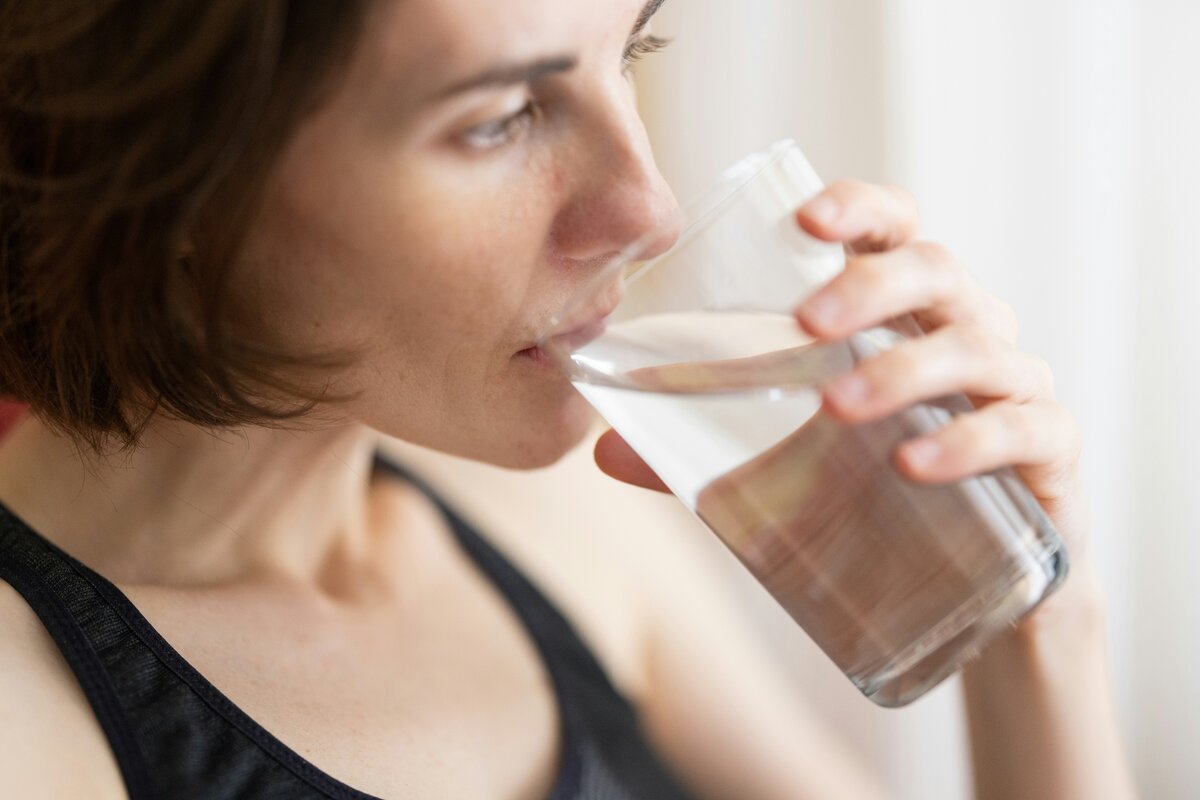
1. Increase Your Water Intake
This might sound too simple, but increased hydration is one of the most evidence-backed prevention strategies available. A well-designed 2018 trial published in JAMA Internal Medicine studied 140 women with recurrent UTIs who typically drank less than 1.5 litres daily 1.
Women who added 1.5 litres of water daily had an average of 1.7 UTI episodes over 12 months, compared to 3.2 episodes in the control group. That’s nearly half the infection rate, achieved with nothing more than drinking more water.
A 2020 systematic review confirmed these findings, showing that increased fluid intake reduced UTI recurrence rates by about 54% 2.
How it works: More fluid means more frequent urination, which flushes bacteria from the urinary tract before they can establish infection. It’s boring advice, but it works.
Practical tip: Aim for pale yellow urine. If your urine is dark, you’re not drinking enough. If it’s completely clear, you might be overdoing it. For most people, 2 to 2.5 litres of total fluid daily is a reasonable target.
2. Cranberry Products (But Get the Dose Right)
Cranberries contain compounds called proanthocyanidins (PACs) that prevent E. coli from adhering to the bladder wall. If bacteria can’t stick, they get flushed out with urination.
A major 2023 Cochrane review analysed 50 trials with over 8,800 participants 3. The conclusion: cranberry products reduced UTI risk by about 30% overall, with stronger effects in women with recurrent infections and in children.
A 2024 network meta-analysis of 20 trials found cranberry juice specifically was associated with a 54% lower rate of UTIs compared to no treatment 4.
The catch: Dose matters significantly. A meta-analysis found that cranberry only reduced UTI risk when daily proanthocyanidin (PAC) intake reached at least 36mg 5. Many commercial cranberry juices don’t contain anywhere near this amount, especially the sweetened “cranberry cocktails” that are mostly sugar water.
What to look for: Choose unsweetened cranberry juice, cranberry extract capsules standardised to contain 36mg or more PACs, or whole cranberry supplements. The sweetened juice drinks in supermarkets are unlikely to provide therapeutic doses.
For more details on cranberry’s benefits and limitations, see our comprehensive cranberry guide.
3. D-Mannose
D-mannose is a natural sugar that works similarly to cranberry: it binds to E. coli bacteria and prevents them from attaching to the urinary tract lining. The bacteria then get flushed out when you urinate.
The evidence here is mixed but promising. An earlier trial of 308 women found that 2g of D-mannose daily was as effective as the antibiotic nitrofurantoin for preventing recurrent UTIs, with only 14.6% of the D-mannose group experiencing recurrence versus 60.8% in the no-treatment group 6.
However, a larger 2024 UK trial across 99 primary care centres found less impressive results when compared to placebo 7. A recent meta-analysis noted significant variation between studies, making firm conclusions difficult 8.
But a 2024 network meta-analysis comparing multiple interventions found D-mannose showed the largest effect size among non-antibiotic options, with a 66% reduction in UTI risk compared to placebo 9.
My take: The mechanism makes biological sense, and some trials show strong benefits. It’s safe and well-tolerated. Given the potential upside and minimal downside, D-mannose is worth trying if you’re looking for non-antibiotic prevention.
Typical dosing: 2g daily for prevention, often taken dissolved in water.
4. Probiotics (Specific Strains Matter)
The idea behind probiotics is that beneficial bacteria can outcompete harmful bacteria in the vaginal and gut microbiome, reducing colonisation by UTI-causing organisms.
A 2018 meta-analysis found that Lactobacillus probiotics reduced recurrent UTI risk by about 32% 10. The 2024 network meta-analysis mentioned earlier also found probiotics significantly reduced UTI incidence compared to placebo 9.
Important caveat: Not all probiotics are equal. The strains with the most research behind them are:
- Lactobacillus rhamnosus GR-1
- Lactobacillus reuteri RC-14
- Lactobacillus crispatus
A 2024 randomised trial found that oral and vaginal probiotic supplementation with L. crispatus reduced UTI recurrence in women 11.
Generic yoghurt or random probiotic supplements may not contain these specific strains. If you’re trying probiotics for UTI prevention, look for products containing the researched strains, or consider vaginal probiotic suppositories.
For more on probiotics generally, see our detailed guide.
5. Vaginal Oestrogen (For Postmenopausal Women)
This one’s specifically for women past menopause. After menopause, declining oestrogen levels change the vaginal environment: pH rises, protective Lactobacillus bacteria decline, and the tissue becomes more vulnerable to bacterial colonisation.
Vaginal oestrogen cream or suppositories can reverse these changes. A landmark trial in the New England Journal of Medicine found that intravaginal estriol significantly reduced UTI recurrence in postmenopausal women, with Lactobacilli reappearing in 61% of treated women 12.
A large 2023 study of over 5,600 women found vaginal oestrogen reduced mean UTI frequency from 3.9 to 1.8 per year, a 52% reduction 13.
Vaginal oestrogen is actually the only non-antibiotic therapy with a Grade A recommendation in clinical guidelines for UTI prevention in postmenopausal women 14.
Note: This requires a prescription. The oestrogen stays mostly local and doesn’t carry the same risks as systemic hormone therapy, but discuss with your doctor.
6. Urinate After Sexual Activity
You’ll see this advice everywhere. The logic makes sense: urinating after sex should flush out any bacteria that entered the urethra during intercourse.
Here’s the uncomfortable truth: the evidence doesn’t strongly support this. A review of case-control studies found that post-coital urination didn’t significantly reduce UTI risk 15. The AUA/CUA/SUFU guidelines state that pre- and post-coital voiding “do not play a role in rUTI prevention” based on available evidence 16.
My view: It’s harmless, free, and intuitively reasonable. The lack of strong evidence doesn’t mean it’s useless; it might be that studies haven’t captured the benefit adequately. I wouldn’t discourage anyone from doing it, but I also wouldn’t rely on it as your primary prevention strategy.
What does have evidence for sexually-active women with recurrent UTIs is post-coital antibiotic prophylaxis, but that’s a prescription option to discuss with your doctor.
7. Vitamin C (Weak Evidence)
Vitamin C is often recommended because it can acidify urine, theoretically creating a less hospitable environment for bacteria. One study in pregnant women found that 100mg daily reduced UTI rates 17.
However, reviews have concluded that evidence for vitamin C in UTI prevention is limited and inconsistent 18. It’s not harmful in reasonable doses, but I wouldn’t count on it as a primary strategy.
For more on vitamin C, see our detailed article.
8. Avoid Bladder Irritants
While this won’t prevent bacterial infection directly, reducing bladder irritation may help your urinary tract stay healthier overall. Common irritants include:
- Caffeine
- Alcohol
- Artificial sweeteners
- Very spicy foods
- Carbonated drinks
If you notice your symptoms worsen with certain foods or drinks, reducing them makes sense. This is particularly relevant if you also have overactive bladder or interstitial cystitis.
Combining Approaches
The 2024 network meta-analysis found that “triple therapy” combining cranberry, probiotics, and vitamin A showed the strongest effect of any intervention studied, with a 73% reduction in UTI risk 9. So stacking several approaches might work better than picking just one.
A reasonable prevention regimen might include:
- Drinking 2+ litres of water daily
- Taking cranberry extract (36mg+ PACs)
- Taking D-mannose (2g daily)
- Using strain-specific probiotics
When to See a Doctor
Natural prevention strategies work best for reducing frequency of uncomplicated UTIs. See a doctor if you experience:
- Blood in your urine (haematuria)
- Fever, chills, or back pain (possible kidney infection)
- Symptoms that don’t improve with increased fluids
- More than 3 UTIs in a year despite prevention efforts
- UTI symptoms during pregnancy
- Any unusual symptoms or severe pain
Bacterial cystitis that’s already established typically needs antibiotic treatment. These prevention strategies are for reducing future infections, not treating active ones.
Also consider evaluation if you have risk factors for complicated UTI, including diabetes, kidney problems, anatomical abnormalities, or use of urinary catheters.
Summary
So what actually works? Based on current research, these have the best evidence:
- Increased water intake - cheap, simple, and surprisingly effective
- Cranberry products - but only at adequate PAC doses (36mg+)
- D-mannose - promising mechanism and safety profile
- Strain-specific probiotics - particularly L. rhamnosus GR-1 and L. reuteri RC-14
- Vaginal oestrogen - highly effective for postmenopausal women
Other commonly recommended practices like post-coital urination and vitamin C supplementation have weaker evidence but aren’t harmful.
For many women, combining several of these approaches can meaningfully reduce UTI frequency without relying solely on repeated antibiotic courses. That said, if you’re having frequent infections despite prevention efforts, medical evaluation is important to rule out underlying causes.
References
- Hooton TM, et al. Effect of Increased Daily Water Intake in Premenopausal Women With Recurrent Urinary Tract Infections: A Randomized Clinical Trial. JAMA Intern Med. 2018;178(11):1509-1515.
- Scott AM, et al. Increased fluid intake to prevent urinary tract infections: systematic review and meta-analysis. Br J Gen Pract. 2020;70(692):e200-e207.
- Williams G, et al. Cranberries for preventing urinary tract infections. Cochrane Database Syst Rev. 2023;4:CD001321.
- Cranberry Juice, Cranberry Tablets, or Liquid Therapies for Urinary Tract Infection: A Systematic Review and Network Meta-analysis. Urology. 2024.
- Li Y, et al. Preventive effect of cranberries with high dose of proanthocyanidins on urinary tract infections: a meta-analysis and systematic review. Front Nutr. 2024.
- Kranjčec B, et al. D-mannose powder for prophylaxis of recurrent urinary tract infections in women: a randomized clinical trial. World J Urol. 2014;32(1):79-84.
- Hayward G, et al. d-Mannose for Prevention of Recurrent Urinary Tract Infection Among Women: A Randomized Clinical Trial. JAMA Intern Med. 2024.
- D-Mannose for prevention of recurrent urinary tract infection in adult women: An updated systematic review and meta-analysis. 2025.
- Nonantibiotic prophylaxis for urinary tract infections: a network meta-analysis of randomized controlled trials. Antimicrob Agents Chemother. 2024.
- Ng QX, et al. Use of Lactobacillus spp. to prevent recurrent urinary tract infections in females. Med Hypotheses. 2018;114:49-54.
- Effectiveness of Prophylactic Oral and/or Vaginal Probiotic Supplementation in the Prevention of Recurrent Urinary Tract Infections. Clin Infect Dis. 2024.
- Raz R, Stamm WE. A controlled trial of intravaginal estriol in postmenopausal women with recurrent urinary tract infections. N Engl J Med. 1993;329(11):753-756.
- Efficacy of vaginal estrogen for recurrent urinary tract infection prevention in hypoestrogenic women. Am J Obstet Gynecol. 2023.
- Effective Prevention of Recurrent UTIs With Vaginal Estrogen. Urology. 2020.
- Strom BL, et al. Health behavior and urinary tract infection in college-aged women. J Clin Epidemiol. 1987;40(3):289-292.
- Anger J, et al. Recurrent Uncomplicated Urinary Tract Infections in Women: AUA/CUA/SUFU Guideline. J Urol. 2019;202(2):282-289.
- Ochoa-Brust GJ, et al. Daily intake of 100 mg ascorbic acid as urinary tract infection prophylactic agent during pregnancy. Acta Obstet Gynecol Scand. 2007;86(7):783-787.
- Literature Review of Ascorbic Acid, Cranberry, and D-mannose for Urinary Tract Infection Prophylaxis. Drugs Aging. 2023.
Medical Disclaimer: The information provided is for educational purposes only and should not be considered as medical advice. Always consult with a qualified healthcare professional before making any changes to your diet, supplement regimen, or treatment plan.
Was this article helpful?