Saw Palmetto: Benefits, Side Effects & What Research Shows
Evidence-based guide to saw palmetto benefits and side effects for prostate health, urinary symptoms, and hair loss. Includes dosage and safety info.
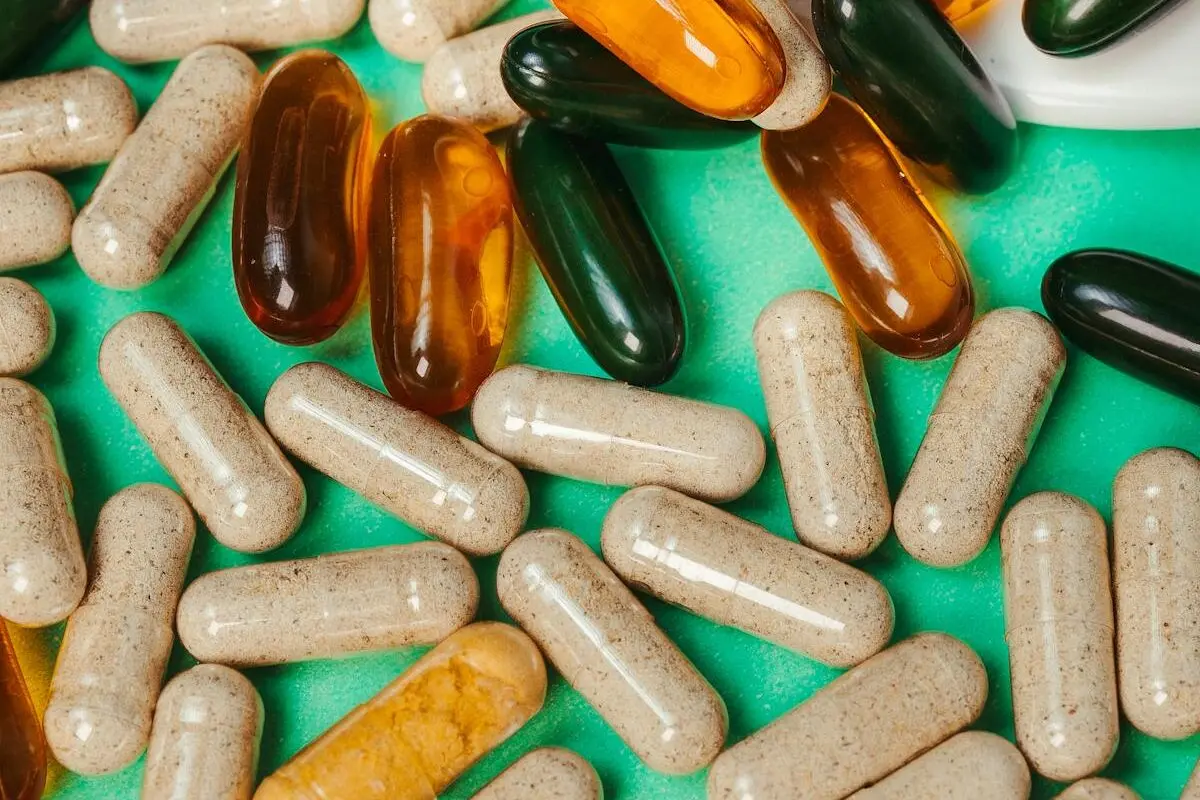
Saw palmetto is one of the most popular herbal supplements for prostate health. Walk into any supplement aisle and you’ll find dozens of products promising relief from frequent urination, weak urine flow, and nighttime bathroom trips. About 2.5 million men in the United States use saw palmetto annually, making it the third most commonly consumed herbal supplement among men.
But the research tells a different story than the marketing. What started as a promising natural remedy for benign prostatic hyperplasia (BPH) has faced serious setbacks in rigorous clinical trials. At the same time, newer research on saw palmetto for hair loss is actually more encouraging than most people realize.
I want to walk through what the evidence actually says, not what the supplement labels claim. We’ll cover the good, the bad, and the genuinely uncertain.
What Is Saw Palmetto?
Saw palmetto (Serenoa repens) is a small palm tree native to the southeastern United States. It grows wild across Florida, Georgia, and the coastal Carolinas. The tree produces dark purple berries that have been used medicinally for centuries. Native Americans ate the berries for food and used them to treat urinary and reproductive problems.
European settlers adopted these traditional uses, and by the early 1900s, saw palmetto berry extract appeared in the US Pharmacopeia as a treatment for urogenital conditions. In Germany and several other European countries, standardized saw palmetto extract became an approved treatment for BPH symptoms, prescribed alongside or instead of pharmaceutical options.
Today, saw palmetto is available as dried berries, liquid extracts, tablets, capsules, and teas. The most-studied form is a liposterolic extract standardized to contain 85-95% fatty acids and sterols, typically extracted using hexane. The brand most frequently studied in clinical trials is Permixon, though dozens of formulations exist.
How Saw Palmetto Works in the Body
The primary mechanism researchers have focused on is 5-alpha-reductase inhibition. This enzyme converts testosterone into dihydrotestosterone (DHT), a more potent androgen that drives prostate growth and is also involved in male pattern hair loss.
Pharmaceutical drugs like finasteride and dutasteride work through the same pathway, blocking 5-alpha-reductase to lower DHT levels. Saw palmetto appears to weakly inhibit this enzyme, though the degree of inhibition varies dramatically between products 1.
Beyond DHT reduction, saw palmetto may work through several other routes:
Anti-inflammatory effects. Saw palmetto extract has shown anti-inflammatory activity in laboratory studies, potentially reducing swelling in prostate tissue 2.
Smooth muscle relaxation. Some evidence suggests saw palmetto may relax smooth muscle in the bladder neck and prostate, which could improve urine flow.
Anti-estrogenic activity. The extract may block certain estrogen receptors in prostate tissue.
The challenge is that most of these mechanisms have been demonstrated in test tubes and animal studies, not consistently in humans. And the potency of different saw palmetto products varies enormously, which complicates interpretation of clinical trials.
Saw Palmetto for Prostate Health: What the Research Actually Shows
This is the big one. Most men take saw palmetto hoping it will help with BPH symptoms like frequent urination, difficulty starting urination, weak stream, or nocturia (waking at night to urinate). The condition affects roughly half of men over 50 and up to 90% of men over 80.
The Early Promise
Early studies looked encouraging. A 1998 meta-analysis published in JAMA combined results from 18 randomized trials and found that saw palmetto improved urinary symptom scores and peak urine flow compared to placebo 1. Men reported fewer nighttime trips to the bathroom and better urine flow. These findings generated huge enthusiasm and drove millions in supplement sales.
But there was a catch. Many of these early trials were small (under 100 participants), short (4-12 weeks), and had methodological limitations. Publication bias was also a concern, meaning studies showing positive results were more likely to get published than those showing no effect.
The STEP Trial: First Major Blow (2006)
The Saw Palmetto Treatment for Enlarged Prostates (STEP) trial was published in the New England Journal of Medicine. This was a well-designed, double-blind study of 225 men over one year.
The result: saw palmetto produced no improvement in urinary symptoms, peak urine flow rate, prostate size, residual volume after urination, or quality of life compared to placebo 3. It was a clean negative result from a rigorous trial.
The CAMUS Trial: Higher Doses, Same Outcome (2011)
Supporters of saw palmetto argued that the dose in STEP was too low. So the CAMUS (Complementary and Alternative Medicine for Urological Symptoms) trial tested escalating doses. Researchers gave men 320 mg, then 640 mg, then 960 mg per day over 72 weeks. The study enrolled 369 men across 11 North American clinical sites 4.
The results were published in JAMA. Even at triple the standard dose, saw palmetto did not improve lower urinary tract symptoms more than placebo.
The one silver lining from CAMUS was the safety data. Even at these higher doses, saw palmetto showed no evidence of toxicity 5.
A secondary analysis from CAMUS also confirmed that saw palmetto does not affect prostate-specific antigen (PSA) levels 6. This is actually reassuring because it means the supplement won’t mask prostate cancer screening results.
The 2023 Cochrane Review: The Final Word (For Now)
The most thorough assessment came in 2023, when Cochrane researchers updated their systematic review. They included 27 trials with 4,656 men and concluded that saw palmetto, whether taken alone or with other herbal supplements, provides “little to no benefit” for urinary symptoms or quality of life 7.
The certainty of evidence was rated high for saw palmetto alone and moderate to low for combinations with other herbs.
My Assessment
I’ll be straightforward: the evidence for saw palmetto treating BPH symptoms is weak. The largest, most well-designed studies consistently show no meaningful benefit over placebo. The earlier positive results likely reflected smaller sample sizes, shorter durations, and publication bias.
This doesn’t mean no individual man has ever felt better taking saw palmetto. Placebo effects for urinary symptoms can be substantial, running 30-40% improvement rates in many BPH trials. And some men genuinely prefer taking a well-tolerated supplement over prescription medications like tamsulosin or finasteride, even if the benefit is mostly placebo.
But if you’re expecting saw palmetto to measurably shrink your prostate or significantly improve your urine flow based on a pharmacological effect, the evidence says otherwise.
For men looking for natural approaches to nighttime urination or prostate-related urinary symptoms, pumpkin seed oil actually has slightly more encouraging evidence, though it too needs more large-scale trials. We’ve compared these two supplements in detail in our saw palmetto vs pumpkin seed oil article.
Saw Palmetto for Hair Loss: A Genuinely Brighter Picture
Here’s where things get more interesting. While the prostate evidence has been disappointing, saw palmetto’s potential for hair loss is gaining real credibility.
The logic makes sense: if saw palmetto inhibits 5-alpha-reductase (even weakly), it should reduce scalp DHT, which is the primary driver of androgenetic alopecia (male and female pattern hair loss). Finasteride works through the same mechanism and is FDA-approved for this purpose.
What the Studies Show
A 2020 systematic review analyzed five randomized clinical trials and two prospective cohort studies on saw palmetto for hair loss 8. The results were positive across the board:
- 60% improvement in overall hair quality
- 27% increase in total hair count
- Hair density increased in 83% of participants
- Disease progression stabilized in 52% of cases
Dosages in these studies ranged from 100-320 mg of saw palmetto extract daily, using both oral and topical formulations.
A 2023 randomized, placebo-controlled study found that oral saw palmetto oil (320 mg/day for 16 weeks) reduced hair fall and improved hair growth in men with androgenetic alopecia 9.
More recent 2025 research using a proprietary saw palmetto fatty acid extract reported significant improvements in terminal hair count and hair density. The 90-day results 10 strengthened at 180 days 11, and no participants experienced adverse events related to the treatment.
Saw Palmetto vs Finasteride for Hair Loss
The honest comparison: finasteride is more effective. A 2-year head-to-head study found that 38% of men taking saw palmetto saw increased hair growth versus 68% taking finasteride 12.
So finasteride is roughly twice as effective. But finasteride also carries a risk of sexual side effects (decreased libido, erectile dysfunction) that some men want to avoid. Saw palmetto appears to have a much milder side effect profile.
A 2025 review framed saw palmetto as “the over-the-counter finasteride alternative,” noting that while it’s less potent, its safety profile and accessibility make it attractive for men seeking non-prescription options 13.
My Take on the Hair Evidence
The hair loss research is legitimately promising, though the studies are still relatively small and short-term. If you’re a man (or woman) noticing early thinning and want to try something before committing to a prescription, saw palmetto at 320 mg/day is a reasonable experiment. Give it at least 3-6 months before judging results. Hair growth is slow, and you won’t see changes in a few weeks.
Just don’t expect miracles. Finasteride is more effective if you’re willing to accept its side effect profile. And for significant hair loss, see a dermatologist rather than self-treating with supplements.
Other Potential Benefits of Saw Palmetto
Anti-Inflammatory Effects
Laboratory studies have identified anti-inflammatory properties in saw palmetto extract, particularly the ability to inhibit cyclooxygenase-2 (COX-2) and 5-lipoxygenase enzymes 2. These are the same pathways targeted by anti-inflammatory drugs like ibuprofen.
In theory, this could explain some of the subjective improvements men report even when objective measures don’t change. Reduced prostate inflammation could ease discomfort without necessarily improving urine flow rates.
Chronic Prostatitis
Some researchers have explored saw palmetto for chronic prostatitis (chronic pelvic pain syndrome). A 2022 review of five studies found no significant benefit of saw palmetto for this condition. The evidence here is thin, and I wouldn’t recommend saw palmetto specifically for prostatitis based on current data.
Preoperative Benefits
One area where saw palmetto has shown some promise is as a preoperative supplement. Some studies suggest that patients who took saw palmetto before prostate surgery (transurethral resection) had fewer intra- and postoperative complications. This is an interesting finding, though more research is needed before it becomes a standard recommendation.
Testosterone and Hormonal Balance
Saw palmetto is sometimes marketed as a testosterone booster, but this is misleading. By blocking the conversion of testosterone to DHT, saw palmetto may slightly increase free testosterone levels. But this isn’t the same as boosting testosterone production. The hormonal effects are modest and haven’t been shown to produce noticeable changes in energy, muscle mass, or other testosterone-related outcomes.
Side Effects of Saw Palmetto
This is actually the strongest part of saw palmetto’s profile. The supplement is well tolerated across clinical trials involving thousands of participants, with serious side effects being rare.
Common side effects (mild and infrequent):
- Stomach discomfort, nausea, or diarrhea
- Headache
- Dizziness
- Fatigue
- Occasional dry mouth
The CAMUS trial, which tested doses up to three times the standard amount (960 mg/day) for 72 weeks, found no evidence of toxicity 5. That’s a strong safety signal.
Rare case reports:
A handful of individual case reports have linked saw palmetto to more serious events including liver damage (hepatotoxicity), bleeding problems (coagulopathy), pancreatitis, and intraoperative floppy iris syndrome 14. These are isolated reports and it’s difficult to confirm saw palmetto was the cause, but they’re worth knowing about.
Bottom line on safety: For most healthy adults, saw palmetto at standard doses (320 mg/day) appears safe for at least 2-3 years. It’s one of the better-tolerated supplements on the market.
Drug Interactions and Who Should Avoid Saw Palmetto
While serious drug interactions appear uncommon, several warrant caution:
Blood thinners (warfarin, aspirin, clopidogrel). Saw palmetto may have mild antiplatelet effects. If you take blood thinners, talk to your doctor before adding saw palmetto.
Finasteride and dutasteride. Since saw palmetto and these drugs work through similar mechanisms (5-alpha-reductase inhibition), combining them could theoretically amplify effects. There’s limited data on this combination.
Hormonal medications. Saw palmetto’s effects on hormone pathways mean it could interact with oral contraceptives, hormone replacement therapy, or testosterone treatments.
Iron supplements. Some sources suggest saw palmetto may reduce iron absorption, though this interaction is not well documented.
Who should avoid saw palmetto:
- Pregnant or breastfeeding women (saw palmetto affects hormone levels)
- People scheduled for surgery (stop at least 2 weeks before due to potential bleeding effects)
- Anyone with liver disease (given rare case reports of hepatotoxicity)
- Children (safety not established)
How to Take Saw Palmetto: Dosage and Choosing a Product
Recommended Dosage
The standard dose used in most clinical research is 320 mg per day of a standardized liposterolic extract. This can be taken as:
- One 320 mg capsule daily, or
- Two 160 mg capsules (morning and evening)
The CAMUS trial showed that increasing the dose to 640 mg or 960 mg did not provide additional benefit 4, so there’s no reason to take more than the standard amount.
For hair loss specifically, both oral (320 mg/day) and topical formulations have shown results in clinical trials.
Choosing a Quality Product
Not all saw palmetto supplements are equal. The quality and composition vary enormously between brands. Look for:
- Standardized extract containing 85-95% fatty acids and sterols. This is the form used in clinical trials.
- Hexane or CO2 extraction. These methods best preserve the active compounds. The most-studied brand (Permixon) uses hexane extraction.
- Third-party testing. Look for USP, NSF, or ConsumerLab verification to ensure the product contains what the label claims.
- Soft gel capsules. The fat-soluble active compounds are better delivered in oil-based soft gels than dry powders.
Avoid dried berry powders or teas, which contain much lower concentrations of active compounds and have not been well-studied.
How Long to Try It
For prostate symptoms, clinical trials have lasted up to 72 weeks without safety concerns. For hair loss, most studies ran 16-24 weeks, with some extending to 6 months or longer. Give any saw palmetto trial at least 8-12 weeks before assessing effects. If you see no change after 6 months, it’s probably not working for you.
Saw Palmetto Compared to Other Options
If you’re dealing with urinary symptoms from BPH or hair loss, saw palmetto is just one of several options. Here’s how it stacks up.
For BPH / Urinary Symptoms
Prescription medications like tamsulosin (Flomax) and finasteride (Proscar) have much stronger evidence than saw palmetto. Alpha-blockers like tamsulosin can improve symptoms within days to weeks, while finasteride can actually shrink the prostate over months.
Pumpkin seed oil has some positive trial data for BPH symptoms and may be worth trying alongside or instead of saw palmetto. Read our head-to-head comparison.
Magnesium may help with overactive bladder symptoms, though the mechanism is different from BPH management.
Lifestyle changes like reducing fluid intake before bed, limiting caffeine and alcohol, and doing pelvic floor exercises can also help. See our guide on how to stop waking up to pee at night.
For Hair Loss
Finasteride (prescription) is about twice as effective as saw palmetto but carries a risk of sexual side effects.
Minoxidil (over-the-counter) works through a completely different mechanism and can be combined with saw palmetto.
Saw palmetto offers a middle ground: less effective than finasteride but better tolerated, and available without a prescription.
When to See a Doctor
Saw palmetto is not a substitute for medical evaluation. See a doctor if you experience:
- Blood in your urine (hematuria)
- Complete inability to urinate (urinary retention)
- Significant pain during urination (dysuria)
- Worsening symptoms despite supplement use
- Fever with urinary symptoms (could indicate infection)
- Unexplained weight loss with urinary changes
- PSA levels that are rising or abnormal
Men over 50 should have regular prostate screenings regardless of supplement use. Saw palmetto should never replace medical care for significant urinary or prostate symptoms.
If you’re experiencing overactive bladder symptoms, the cause may not be prostate-related. Conditions like overactive bladder in men or bladder neck obstruction require different treatment approaches. A proper diagnosis matters.
Frequently Asked Questions
Does saw palmetto really work for an enlarged prostate?
The evidence is disappointing. A 2023 Cochrane review of 27 studies found that saw palmetto provides little to no benefit for prostate-related urinary symptoms compared to placebo 7. Earlier smaller studies were more positive, but the largest and most rigorous trials show no significant improvement over sugar pills.
Can saw palmetto help with hair loss?
There is some promising evidence. A systematic review of 7 studies found that saw palmetto improved hair quality by 60% and increased hair density in 83% of participants 8. It appears to be roughly half as effective as finasteride, the standard prescription treatment for male pattern baldness.
What is the recommended dosage for saw palmetto?
Most clinical trials have used 320 mg per day of a standardized liposterolic extract containing 85-95% fatty acids. This can be taken as a single dose or split into two 160 mg doses. Higher doses up to 960 mg per day showed no additional benefit in the CAMUS trial 4.
Is saw palmetto safe to take long term?
Saw palmetto appears to be well tolerated for up to 3 years based on clinical trial data. Side effects are generally mild and include digestive discomfort, headache, and dizziness. You should not take saw palmetto if you are pregnant or breastfeeding, and consult a doctor if you take blood thinners or hormonal medications.
Does saw palmetto lower PSA levels?
No. Analysis from the CAMUS randomized trial found that saw palmetto does not affect prostate-specific antigen (PSA) levels, even at doses up to three times the standard amount 6. This means saw palmetto should not interfere with PSA-based prostate cancer screening.
Can women take saw palmetto?
Women should exercise caution. Saw palmetto affects hormone levels, particularly DHT, which could theoretically interfere with hormonal contraceptives or hormone replacement therapy. Pregnant and breastfeeding women should avoid it entirely. Some women use it for hair thinning, but the research is limited and mostly focused on men.
Is saw palmetto better than pumpkin seed oil for prostate health?
Both supplements have been studied for urinary symptoms related to BPH, and neither has overwhelming evidence. Pumpkin seed oil may have a slight edge based on some positive trial results, but head-to-head comparisons are scarce. We have a detailed comparison of both supplements if you want to dig deeper.
Should I take saw palmetto with food?
Taking saw palmetto with a meal that contains some fat may improve absorption, since the active compounds are fat-soluble. Most clinical trials did not specify timing, but taking it with breakfast or dinner is a reasonable approach.
Summary
Saw palmetto remains one of the most commonly used herbal supplements for prostate and urinary health, but the evidence doesn’t match its popularity. For BPH symptoms like frequent urination and nocturia, multiple rigorous clinical trials and a thorough 2023 Cochrane review show that saw palmetto provides little to no benefit over placebo. The early positive studies that launched the saw palmetto industry have not held up under scrutiny.
The hair loss story is different. Saw palmetto shows genuine promise for slowing hair loss and improving hair density, though it’s roughly half as effective as finasteride. For men who want to avoid prescription medications, it’s a reasonable option to try.
On the positive side, saw palmetto is safe. Even at triple the standard dose over 72 weeks, the CAMUS trial found no toxicity. Side effects are mild and uncommon. And it doesn’t affect PSA levels, so it won’t interfere with cancer screening.
If you decide to try saw palmetto, use a standardized extract (320 mg/day) from a reputable manufacturer. Give it at least 3 months, and keep expectations realistic. For significant urinary or prostate symptoms, medical evaluation isn’t optional. Conditions like urinary retention or prostate cancer require proper diagnosis and treatment, not supplements.
For a broader look at evidence-based approaches to managing urinary symptoms, check our guide to supplements for overactive bladder or our list of top health foods for urinary health.
References
- Wilt TJ, et al. Saw palmetto extracts for treatment of benign prostatic hyperplasia: a systematic review. JAMA. 1998;280(18):1604-9. PubMed
- Suzuki M, et al. Pharmacological effects of saw palmetto extract in the lower urinary tract. Acta Pharmacologica Sinica. 2009;30(3):227-81. PMC
- Bent S, et al. Saw palmetto for benign prostatic hyperplasia. N Engl J Med. 2006;354(6):557-66. PubMed
- Barry MJ, et al. Effect of increasing doses of saw palmetto extract on lower urinary tract symptoms: a randomized trial. JAMA. 2011;306(12):1344-51. PubMed
- Avins AL, et al. Safety and toxicity of saw palmetto in the CAMUS trial. J Urol. 2013;189(4):1415-20. PubMed
- Andriole GL, et al. The effect of increasing doses of saw palmetto fruit extract on serum prostate specific antigen: analysis of the CAMUS randomized trial. J Urol. 2013;189(2):486-92. PubMed
- MacDonald R, et al. Serenoa repens for the treatment of lower urinary tract symptoms due to benign prostatic enlargement. Cochrane Database Syst Rev. 2023;6:CD001423. PubMed
- Evron E, et al. Natural hair supplement: friend or foe? Saw palmetto, a systematic review in alopecia. Skin Appendage Disord. 2020;6(6):329-337. PubMed
- Narda M, et al. Oral and topical administration of a standardized saw palmetto oil reduces hair fall and improves the hair growth in androgenetic alopecia subjects. Clin Cosmet Investig Dermatol. 2023;16:3471-3483. PubMed
- Ablon G, et al. The safety and efficacy of a proprietary bioactive fatty acids extract from saw palmetto for promoting hair growth: 90-day results. J Cosmet Dermatol. 2025. PubMed
- Ablon G, et al. The safety and efficacy of a novel saw palmetto extract for promoting hair growth: 180-day results. J Cosmet Dermatol. 2025. PubMed
- Rossi A, et al. Comparative effectiveness of finasteride vs Serenoa repens in male androgenetic alopecia: a two-year study. Int J Immunopathol Pharmacol. 2012;25(4):1167-73. PubMed
- The over-the-counter finasteride alternative: a critical review of saw palmetto’s efficacy, safety, and regulatory concerns. 2025. PubMed
- LiverTox: Clinical and Research Information on Drug-Induced Liver Injury - Saw Palmetto. NCBI
Frequently Asked Questions
- Does saw palmetto really work for an enlarged prostate?
- The evidence is disappointing. A 2023 Cochrane review of 27 studies found that saw palmetto provides little to no benefit for prostate-related urinary symptoms compared to placebo. Earlier smaller studies were more positive, but the largest and most rigorous trials show no significant improvement over sugar pills.
- Can saw palmetto help with hair loss?
- There is some promising evidence. A systematic review of 7 studies found that saw palmetto improved hair quality by 60% and increased hair density in 83% of participants. However, it appears to be roughly half as effective as finasteride, the standard prescription treatment for male pattern baldness.
- What is the recommended dosage for saw palmetto?
- Most clinical trials have used 320 mg per day of a standardized liposterolic extract containing 85-95% fatty acids. This can be taken as a single dose or split into two 160 mg doses. Higher doses up to 960 mg per day showed no additional benefit in the CAMUS trial.
- Is saw palmetto safe to take long term?
- Saw palmetto appears to be well tolerated for up to 3 years based on clinical trial data. Side effects are generally mild and include digestive discomfort, headache, and dizziness. However, you should not take saw palmetto if you are pregnant or breastfeeding, and you should consult a doctor if you take blood thinners or hormonal medications.
- Does saw palmetto lower PSA levels?
- No. Analysis from the CAMUS randomized trial found that saw palmetto does not affect prostate-specific antigen levels, even at doses up to three times the standard amount. This means saw palmetto should not interfere with PSA-based prostate cancer screening.
- Can women take saw palmetto?
- Women should exercise caution. Saw palmetto affects hormone levels, particularly DHT, which could theoretically interfere with hormonal contraceptives or hormone replacement therapy. Pregnant and breastfeeding women should avoid saw palmetto entirely. Some women use it for hair thinning, but research is limited.
- Is saw palmetto better than pumpkin seed oil for prostate health?
- Both supplements have been studied for urinary symptoms related to BPH, and neither has overwhelming evidence. Pumpkin seed oil may have a slight edge based on some positive trial results, but head-to-head comparisons are scarce.
- Should I take saw palmetto with food?
- Taking saw palmetto with a meal that contains some fat may improve absorption, since the active compounds are fat-soluble. Most clinical trials did not specify timing, but taking it with breakfast or dinner is a reasonable approach.
Medical Disclaimer: The information provided is for educational purposes only and should not be considered as medical advice. Always consult with a qualified healthcare professional before making any changes to your diet, supplement regimen, or treatment plan.
Was this article helpful?