Swimming and Bladder Health: What Helps and What Hurts
Swimming strengthens your pelvic floor but pool bacteria and wet swimsuits carry real risks. Practical advice for swimmers managing OAB, incontinence, or UTIs.
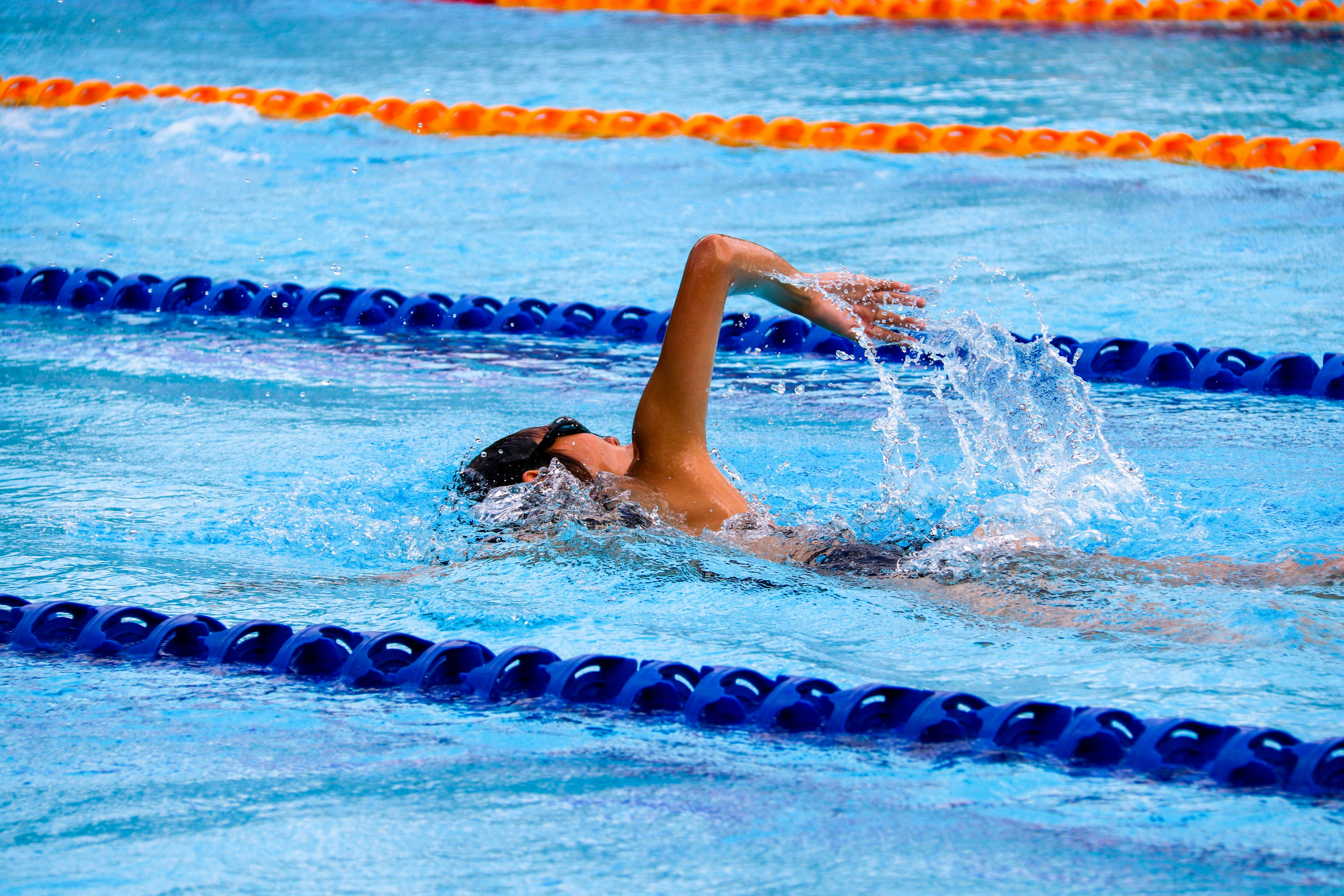
Twenty laps into your morning swim, the urgency hits. You went right before getting in. Fifteen minutes later, your bladder feels full again.
If you have overactive bladder or stress incontinence, that moment carries real anxiety. The fear of leaking in a public pool stops a lot of people from swimming entirely. That’s a shame, because swimming is one of the best exercises you can do for your pelvic floor and bladder health.
What’s actually happening in the water is straightforward: hydrostatic pressure compresses your body and triggers a hormonal cascade that genuinely increases urine production. It’s called immersion diuresis, and it happens to everyone. For people with bladder conditions, it just stacks on top of an already sensitive system.
This guide covers the research on swimming and bladder health: the real UTI risks from pools, what chlorine actually does to your urinary tract, and practical strategies for swimmers dealing with incontinence or OAB.
Key Takeaways
- Immersion diuresis makes everyone pee more in the pool — it’s a normal hormonal response to water pressure, not a sign your bladder is failing
- Swimming is one of the safest exercises for strengthening the pelvic floor without high-impact stress
- Chlorine doesn’t directly irritate the bladder lining, but pool chemicals can disrupt vaginal flora and increase infection risk indirectly
- Properly maintained pools carry low UTI risk; the real dangers are wet swimsuits, poor pool hygiene, and open-water swimming
- Aquatic pelvic floor exercises combine water resistance with buoyancy support, making them useful for postpartum or post-surgical recovery
Why the Pool Makes You Need to Pee
This catches people off guard, but it’s pure physiology.
When you’re submerged to chest level, water pressure pushes blood from your legs and abdomen toward your heart. Your body reads this central volume shift as “too much fluid” and responds by suppressing antidiuretic hormone (ADH). Your kidneys get the signal to dump the excess. The result: you produce more urine in the pool than you would doing the same exercise on land.
Cold water accelerates the effect. Cooler temperatures cause peripheral blood vessels to constrict, pushing even more blood centrally and amplifying the hormonal response. A heated therapy pool at 33-34°C triggers noticeably less diuresis than a standard lap pool at 27-28°C.
The same mechanism explains why astronauts urinate more during their first hours in orbit. Without gravity, blood pools centrally the same way water pressure forces it to. But back to your morning laps.
For swimmers with OAB, this matters. The urgency you feel isn’t your condition getting worse. It’s your body doing what it’s supposed to do under hydrostatic pressure. Knowing that takes some of the panic out of it. Empty your bladder before entering the water, and plan a bathroom break every 30-40 minutes for longer sessions.
What Swimming Does to Your Pelvic Floor
The pelvic floor gets a workout in the water whether you plan for it or not.
Buoyancy reduces the downward gravitational load on your pelvic organs by roughly 80% at chest depth. The muscles supporting your bladder, uterus, and rectum don’t have to work as hard just to hold everything in place. For anyone recovering from pelvic organ prolapse surgery or childbirth, this is significant. You can exercise without the pounding that running or jumping delivers.
But the water also provides resistance. Every kick activates your pelvic floor muscles to stabilise your core against the drag. Dornowski and colleagues at Gdansk measured this directly in 12 female swimmers using surface electromyography and found that high-intensity swimming raised pelvic floor muscle resting values significantly (7.71 vs 6.25 microvolts, p ≤ 0.05) [1].
The flip side of that finding is less encouraging. Those same muscles showed signs of fatigue after high-intensity sessions. They struggled to fully relax post-exercise. For women already dealing with pelvic floor dysfunction, moderate swimming builds strength, but overdoing it could temporarily worsen symptoms like urgency or incomplete emptying.
Supporting evidence comes from a Korean animal study where rats with surgically-induced stress urinary incontinence were put through a 4-week swimming programme at 30 minutes per day. Their leak point pressure improved dramatically compared to untreated animals: 34.07 cmH₂O versus 15.75 [2]. It’s a rat study. The direct translation to humans isn’t guaranteed. But the mechanism it identified — nerve growth factor suppression in the urethra — is relevant to human physiology and aligns with what we see clinically.
Moderate laps beat sprint intervals if you’re swimming specifically for bladder health. You want to build pelvic floor endurance, not fatigue it.
Chlorine and Your Bladder: Irritant or Overblown?
People with interstitial cystitis and bladder sensitivity often worry that chlorine will irritate their bladder directly. The concern makes intuitive sense. Chlorine is a chemical irritant. But the pathway isn’t as direct as it sounds.
Pool chlorine doesn’t reach your bladder in meaningful concentrations through skin absorption. The primary exposure routes are inhalation of pool air and incidental swallowing, which happens to everyone who swims. The real concern with ingested pool water isn’t the chlorine itself but the disinfection by-products — specifically trihalomethanes (THMs), which form when chlorine reacts with organic matter like sweat and skin cells.
Villanueva’s research group in Spain studied this in 1,219 bladder cancer patients and 1,271 controls. Long-term swimming in chlorinated pools carried an odds ratio of 1.57 for bladder cancer (95% CI 1.18-2.09) [3]. Before you stop going to the pool: this was long-term exposure measured across decades, and the absolute risk increase is small. The finding matters more for competitive swimmers who train 10-15 hours a week over 20 years than for someone doing 3 sessions weekly.
The 2024 randomised trial from Momeniha and colleagues measured THM exposure directly, testing 58 adults in chlorine-only versus ozone-chlorine hybrid pools. Exhaled THM concentrations jumped from 1.5 to 16.9 micrograms per cubic metre after a single chlorine-pool session, with metabolomic changes suggesting activated oxidative stress pathways [4]. The hybrid system produced significantly less exposure.
So what does this mean practically? For recreational swimmers, the THM exposure from a few sessions per week is low. For anyone with IC or a hypersensitive bladder, the irritation you feel after swimming is more likely from pool chemicals affecting vulvar and vaginal tissue externally than from chlorine reaching the bladder wall. Rinsing off thoroughly after swimming helps more than you’d expect.
Some swimming guides recommend alkalising supplements before pool sessions to “protect” the bladder. There’s no evidence for this. Your urine pH has nothing to do with swimming-related bladder symptoms. Skip it.
The Real UTI Risk From Swimming
Can you get a UTI from the pool? Rarely from a properly chlorinated one. More plausibly from everything that happens around the swimming.
Chlorinated water kills most uropathogenic bacteria. Rice and colleagues’ systematic review confirmed that Pseudomonas aeruginosa can persist in some treated pools despite standard disinfection [5], but Pseudomonas UTIs are uncommon in healthy adults. The E. coli strains that cause the majority of bladder infections don’t survive well in properly chlorinated water.
The riskier scenarios have less to do with the pool itself:
Wet swimsuit time. Sitting in a damp swimsuit for hours creates a warm, moist environment pressed directly against the urethra. This is probably the single biggest modifiable risk factor for swimmers who get recurrent UTIs. Change immediately after swimming. Not “soon.” Immediately.
Freshwater and open water. A Norwegian population-based study of 100 cases and 190 controls found that recreational freshwater swimming roughly doubled the risk of antibiotic-resistant UTIs (OR 2.1, 95% CI 1.0-4.0) [6]. Rivers, lakes, and ocean water aren’t disinfected. Graham’s 2021 literature review confirmed that uropathogenic E. coli strains have been detected in surface waters across multiple countries, with prevalence ranging from 5-58% depending on location [7]. Freshwater swimming carries genuinely higher UTI risk than pool swimming.
Poor pool maintenance. A pool with inadequate chlorine levels, high bather load, or infrequent testing is a different situation from a well-maintained facility. Strong “chlorine smell” at a pool is actually chloramines — the irritating by-product of chlorine reacting with organic matter — and signals that water chemistry may be off.
Disrupted vaginal flora. Repeated exposure to pool chemicals can alter the pH and bacterial balance of vaginal tissue, reducing the protective Lactobacillus barrier that helps prevent uropathogen colonisation. This indirect pathway may matter more for UTI prevention than bacterial exposure from the water itself.
| Swimming Environment | UTI Risk | Chemical Exposure | Best For |
|---|---|---|---|
| Chlorinated pool (well-maintained) | Low | Moderate THMs | Lap swimming, classes |
| Saltwater pool | Low | Lower chloramines | Sensitive skin/mucous membranes |
| Ozone-chlorine hybrid | Low | Lowest THMs | IC or chemical-sensitive swimmers |
| Lake or river | Moderate-High | None | Higher infection risk — take precautions |
| Ocean | Moderate | None | Varies by location and water quality |
| Hot tub/spa | Moderate | High (warm + concentrated) | Avoid with active UTI or IC flare |
A Game Plan for Swimmers with OAB or Incontinence
If bladder concerns are keeping you out of the pool, most of them respond to straightforward preparation.
Before you swim:
- Empty your bladder completely right before entering the water. Try the double-void technique: urinate, wait 30 seconds, try again
- Limit caffeine for 2-3 hours before your session. Caffeine is a bladder stimulant and it stacks poorly with immersion diuresis
- Consider waterproof incontinence pads or specialised swimwear if leakage is a concern. Modern options are thin, discreet, and designed for lap swimming — they’ve improved a lot
During your swim:
- Choose a lane near the pool exit so bathroom trips don’t require crossing the entire facility
- Plan a break every 30-40 minutes
- Stick to moderate intensity. High-intensity swimming fatigues pelvic floor muscles faster [1]
- Warmer therapy pools (33-34°C) cause less diuresis than standard lap pools (27-28°C)
After your swim:
- Change out of your swimsuit immediately
- Shower to rinse pool chemicals off, paying attention to the vulvar area
- Stay hydrated, but sip rather than chug. Replace fluids gradually
- If you tend to get UTIs after swimming, urinate within 30 minutes of getting out of the pool
Choosing a pool:
- Ozone-chlorine hybrid or UV-treated pools produce fewer irritating by-products than chlorine-only systems [4]
- Saltwater pools are gentler on mucous membranes, though they still use chlorine generated from salt
- Therapy pools offer warmer water and are usually less crowded
Water Exercises That Build Pelvic Floor Strength
You don’t have to swim laps to benefit from the pool. Aquatic exercise classes and water-based pelvic floor training offer the same buoyancy advantages with more targeted muscle work.
The Cochrane review on pelvic floor muscle training is definitive on this: women who did PFMT were eight times more likely to report cure of stress incontinence compared to controls (56% vs 6%, based on 31 trials and 1,817 women) [8]. That review covered land-based programmes, but the principles transfer. And the buoyancy makes exercises accessible for people who struggle with standing pelvic floor work on land.
Aquatic Kegels. Stand in chest-deep water, feet shoulder-width apart. Contract your pelvic floor muscles and hold for 5 seconds, release for 5. The water provides gentle resistance while buoyancy supports your body weight. Start with 10 repetitions, build to 3 sets.
Water walking. Walk forward and backward across the pool in waist-to-chest-deep water. Water resistance engages your core and pelvic floor with every step, without the jarring impact of pavement. Adding high-knee marching increases pelvic floor activation.
Aqua jogging. Jogging in deep water using a flotation belt activates the same muscle groups as running with zero ground impact. For women with mixed incontinence who’ve been told to avoid running, this is one of the few ways to get a comparable cardiovascular workout without triggering leaks.
Pool wall squats. Stand with your back against the pool wall, feet out in front. Slide into a squat, contracting your pelvic floor as you lower. Water supports roughly 80% of your body weight, making this achievable for people who can’t do bodyweight squats on land.
Ko and colleagues tracked 21 older women through 52 weeks of regular exercise (aerobic plus resistance, five times weekly) and found significant reductions across all OAB symptom scores — frequency, nocturia, urgency, and incontinence episodes [9]. Their programme was land-based, but adapted to water it would preserve the benefits while reducing fall risk and joint stress. For older adults with balance concerns, the pool may actually be the safer option.
Know Your Limits
Swimming is safe for most people with bladder conditions. A few situations call for medical input.
If UTIs keep happening specifically after swimming despite the precautions above, bring up the pattern with your GP. You may need a short-course antibiotic protocol timed to swim days, similar to post-sex UTI prevention strategies.
Blood in your urine after swimming shouldn’t be dismissed as exercise-related without investigation. Hematuria has many causes, and while “swimmer’s hematuria” from bladder wall microtrauma during vigorous exercise is real, it needs to be confirmed rather than assumed.
If incontinence is severe enough that waterproof pads aren’t managing it, see a pelvic floor physiotherapist before pushing through pool sessions. Sometimes the muscles need targeted rehabilitation before exercise can build on them effectively.
And if you’ve had recent bladder or pelvic surgery, get clearance from your surgeon before returning to the pool. Healing incisions and pool water don’t mix, and the timeline varies by procedure — typically 4-6 weeks minimum.
Common Questions
Why do I need to pee more when I’m in the pool?
Immersion diuresis. Water pressure compresses your blood vessels and shifts fluid toward your heart, triggering a hormonal response that tells your kidneys to produce more urine. Cold water intensifies it. This happens to everyone, not just people with bladder conditions. Empty your bladder before swimming and plan breaks every 30-40 minutes.
Can you get a UTI from a chlorinated swimming pool?
Properly maintained chlorinated pools carry low UTI risk because chlorine kills most uropathogenic bacteria effectively. The bigger risks are sitting in a wet swimsuit afterward, swimming in poorly maintained pools with inadequate chlorine, and open-water swimming where bacteria levels aren’t controlled. A Norwegian case-control study found freshwater swimmers had roughly double the risk of antibiotic-resistant UTIs [6].
Is swimming safe if you have overactive bladder?
Swimming is among the safest exercises for OAB. Buoyancy reduces pressure on the bladder and pelvic floor by up to 80%, and moderate-intensity swimming strengthens pelvic floor muscles over time. The main challenge is immersion diuresis increasing urgency. Manage it by emptying your bladder beforehand, choosing warmer pools when possible, and taking regular bathroom breaks.
Are saltwater pools better than chlorine pools for bladder health?
Saltwater pools generate chlorine from dissolved salt, so they aren’t chlorine-free. The practical difference is lower chloramine levels — the irritating compounds formed when chlorine reacts with organic matter. Swimmers with sensitive skin or vulvar tissue often find saltwater pools more comfortable, but the bladder health difference is small since active chlorine concentrations stay similar between the two systems.
What’s the best water exercise for pelvic floor strengthening?
Water walking in chest-deep water and aquatic Kegels are the most accessible starting points. Pelvic floor contractions performed while standing in water combine hydrostatic resistance with buoyancy support. For more intensity, aqua jogging with a flotation belt provides cardiovascular benefits and core engagement without the impact that triggers leakage in many women with stress incontinence.
Where the Research Falls Short
The biggest gap in the evidence: nobody has run a randomised trial comparing aquatic pelvic floor training directly against land-based programmes. The Cochrane review proving PFMT works is strong [8], and the biomechanical case for doing it in water is sound. But the head-to-head data doesn’t exist yet. Continence physiotherapists in Australia are actively promoting aquatic pelvic floor classes based on clinical experience [10], and the early feedback is positive. The controlled trial should follow.
We also lack solid data on how pool chemical exposure affects bladder symptoms specifically, as opposed to long-term cancer risk, which has been studied more thoroughly. For the millions of people who swim regularly and have IC, OAB, or recurrent UTIs, the question “does the pool make my symptoms worse?” still relies mostly on anecdotal reports. That should change.
Until it does, the fundamentals hold. Swimming is low-impact, pelvic floor-friendly, and carries manageable risks if you handle the basics: good pool hygiene, prompt swimsuit changes, and knowing when to check in with your doctor.
References
-
Dornowski M, Makar P, Sawicki P, et al. Effects of low- vs high-volume swimming training on pelvic floor muscle activity in women. Biology of Sport. 2018;35(3):309-314. PubMed
-
Ko IG, Kim SE, Kim BK, et al. Swimming: effects on stress urinary incontinence and the expression of nerve growth factor in rats following transabdominal urethrolysis. International Neurourology Journal. 2011;15(2):74-81. INJ
-
Villanueva CM, Cantor KP, Grimalt JO, et al. Bladder cancer and exposure to water disinfection by-products through ingestion, bathing, showering, and swimming in pools. American Journal of Epidemiology. 2007;166(2):148-156. PubMed
-
Momeniha F, Jonidi Jafari A, Faridi S, et al. Effects of exposure to trihalomethanes in swimming pool waters on metabolomics profile: a randomized parallel design trial. Journal of Environmental Health Science and Engineering. 2024. PubMed
-
Rice SA, van den Akker B, Pomati F, Roser D. A risk assessment of Pseudomonas aeruginosa in swimming pools: a review. Journal of Water Health. 2012;10(2):181-196. PubMed
-
Soraas A, Sundsfjord A, Sandven I, et al. Risk factors for community-acquired urinary tract infections caused by ESBL-producing Enterobacteriaceae. PLoS ONE. 2013;8(7):e69581. PubMed
-
Graham JP, Amato HK, Mendizabal-Cabrera R, et al. Waterborne urinary tract infections: have we overlooked an important source of exposure? American Journal of Tropical Medicine and Hygiene. 2021;105(1):12-17. PubMed
-
Dumoulin C, Cacciari LP, Hay-Smith EJC. Pelvic floor muscle training versus no treatment, or inactive control treatments, for urinary incontinence in women. Cochrane Database of Systematic Reviews. 2018;(10):CD005654. PubMed
-
Ko IG, Lim MH, Choi PB, et al. Effect of long-term exercise on voiding functions in obese elderly women. International Neurourology Journal. 2013;17(3):130-138. PubMed
-
Continence Foundation of Australia. Aquacise your pelvic floor. Continence Health Australia. 2024.
Frequently Asked Questions
- Why do I need to pee more when I'm in the pool?
- Water pressure on your body compresses blood vessels and shifts fluid toward your core, triggering a hormonal response that increases urine production. This is called immersion diuresis and it affects everyone, not just people with bladder conditions.
- Can you get a UTI from a chlorinated swimming pool?
- Properly chlorinated pools carry low UTI risk because chlorine kills most uropathogenic bacteria. The bigger risks are poorly maintained pools, prolonged wet swimsuit wear afterward, and disruption of vaginal flora from pool chemicals. Shower and change promptly after swimming.
- Is swimming safe if you have overactive bladder?
- Swimming is one of the safest exercises for OAB. Water buoyancy reduces pressure on the bladder and pelvic floor, and the exercise itself can strengthen pelvic floor muscles over time. Empty your bladder before getting in and take bathroom breaks as needed.
- Are saltwater pools better than chlorine pools for bladder health?
- Saltwater pools still use chlorine generated from salt, so the chemical exposure difference is minimal. However, saltwater pools typically have lower chloramine levels, which may cause less skin and mucous membrane irritation for sensitive individuals.
- What's the best water exercise for pelvic floor strengthening?
- Water walking, aqua jogging, and performing Kegel contractions while standing in chest-deep water combine hydrostatic resistance with buoyancy support. These are particularly effective for postpartum or post-surgical pelvic floor recovery.
Medical Disclaimer: The information provided is for educational purposes only and should not be considered as medical advice. Always consult with a qualified healthcare professional before making any changes to your diet, supplement regimen, or treatment plan.
Was this article helpful?