Obesity and Bladder Health: The Pressure You Can Reverse
Every 5-unit BMI increase raises incontinence risk by up to 70%. Losing 8% of body weight cuts leaks nearly in half. Evidence on weight and bladder function.
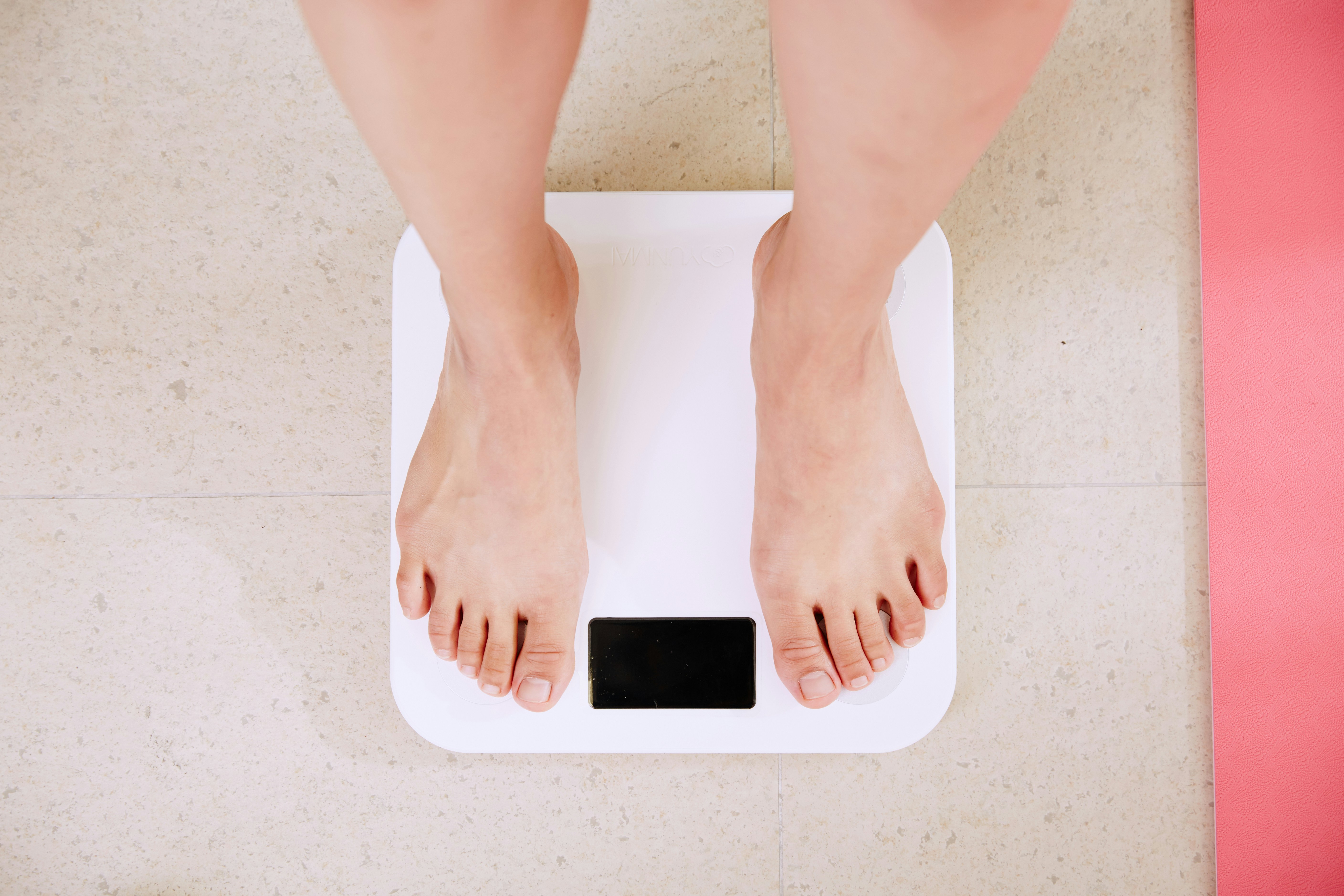
Every 5-unit increase in BMI raises your risk of daily urinary incontinence by 20 to 70 percent. That range comes from two of the largest epidemiological studies ever conducted on obesity and bladder health, tracking over 60,000 women combined [1][2]. And the relationship runs in both directions: lose 8% of your body weight, and incontinence episodes drop by nearly half [3].
That second number is what makes this unusual in urology. Most bladder conditions don’t come with a modifiable risk factor this powerful. Weight loss matches medication and behavioural therapy for incontinence, and unlike those approaches, it improves cardiovascular health, diabetes risk, and joint pain at the same time.
Key Takeaways
- Each 5-unit increase in BMI raises urinary incontinence risk by 20-70%, with the steepest increase for stress and mixed incontinence
- Excess abdominal weight increases bladder pressure during coughing by 36% in obese women compared to normal-weight women with the same condition
- Losing 5-10% of body weight reduces incontinence episodes by up to 63% at 18 months, comparable to medication
- Bariatric surgery cuts stress incontinence prevalence from 61% to 12% in severely obese patients
- Women with BMI over 35 are 5.5 times more likely to experience severe incontinence than lean women
What 35,754 Women Revealed About Weight and Leaking
The Nurses’ Health Study II followed 35,754 women for over a decade and produced the clearest dose-response curve linking obesity and bladder health [1]. Compared to lean women (BMI 21-23), those with a BMI of 35 or above were:
- 2.1 times more likely to have monthly incontinence
- 3.9 times more likely to have weekly incontinence
- 5.5 times more likely to have severe incontinence
A 5.5-fold increase puts obesity in the same risk category as vaginal childbirth for pelvic floor damage, except obesity is reversible.
The Norwegian EPINCONT study, tracking 28,000 women, confirmed the gradient: each 5-unit BMI increase bumped the risk of incident incontinence by 30 to 60% over 5 to 10 years [2]. The largest meta-analysis to date (2023, pooling 16 studies and 29,618 participants) found that even being overweight (BMI 25-30) carried a 27% increased risk, rising to 60% for obesity and 85% for severe obesity [4].
One detail that surprises people: the association is strongest for stress incontinence and mixed incontinence, not urge incontinence. But that 2023 meta-analysis also found a strong link between obesity and urgency UI (OR 2.11), so the effect isn’t limited to leaking during coughs and sneezes [4]. Overactive bladder symptoms get worse too.
How Extra Weight Crushes the Pelvic Floor
The explanation goes deeper than “extra weight pushes down on the bladder.” The specificity matters for understanding why weight loss helps as much as it does.
Nygaard and colleagues at the University of Iowa tested two competing hypotheses in 211 women: does obesity cause stress incontinence by damaging the urethral closure mechanism, or by simply generating more pressure than the closure mechanism can handle? [5]
Clear answer. Obese women with stress incontinence generated cough pressures of 186 cm H₂O, versus 137 cm H₂O for normal-weight women with the same condition. But their urethral closure pressures were similar across BMI groups. The problem wasn’t a weaker urethra. Every cough, sneeze, or laugh transmitted more force through a heavier abdomen.
This matters because structural damage is hard to reverse. Excess pressure is not. Lose the weight, and the existing urethral closure mechanism, which was adequate all along, can do its job again.
An analysis of 1,252 women from the SISTEr and TOMUS trials uncovered something counterintuitive [6]. Obese women actually had higher urethral closure pressures at rest than non-obese women, yet reported more incontinence episodes and worse quality of life. The researchers proposed that obese women may be recruiting maximum pelvic floor muscle capacity just to maintain continence at rest, leaving no reserve when a cough hits. Their pelvic floor is working near redline around the clock.
Side note: this same mechanism explains why chronic constipation and chronic cough also worsen incontinence. Anything that keeps intra-abdominal pressure chronically elevated fatigues the same muscles. But obesity is the most common and most modifiable culprit by a wide margin.
You’ll see some articles discuss hormonal effects of obesity on the bladder through adipokines and inflammatory markers. The lab data exists, but it’s all observational and the effect sizes are dwarfed by the mechanical pressure story. Moving on.
8% Weight Loss, 47% Fewer Episodes
The PRIDE trial is the landmark study here, and it deserves a close look [3].
Subak and colleagues randomised 338 overweight and obese women to either an intensive behavioural weight loss program or a control group. The intervention: 1,200-1,800 calories per day, less than 30% from fat, gradual increases to 200 minutes of weekly exercise, and weekly coaching sessions. Nothing exotic. Standard behavioural weight management.
Six months in, the intervention group had lost an average of 7.8 kg (8% of body weight). Weekly incontinence episodes dropped by 47%, compared to 28% in the control group. Stress incontinence specifically: 58% reduction versus 33%. Urge incontinence improved too (42% vs 26%), though that difference didn’t reach statistical significance.
But the real story emerged in the dose-response analysis published a year later [7]. Wing and colleagues found that women who lost 5-10% of their starting weight saw a 63% reduction in total incontinence and a 70% reduction in stress incontinence at 18 months. Those who lost less than 5% saw much smaller improvements. The threshold matters.
For context: anticholinergic medications for overactive bladder typically reduce urgency episodes by 60-70%. Pelvic floor exercises achieve about 50-70% reduction for stress incontinence. Weight loss of 5-10% sits right alongside both, with no side effects and a list of additional health benefits that neither pills nor exercises can match.
When Diet Falls Short: Bariatric Surgery and the Bladder
For people with BMI above 40, or above 35 with obesity-related health conditions, behavioural weight loss often fails to produce sustained results. The bladder data from bariatric surgery is remarkably consistent.
When Alouini’s team pooled 33 studies on weight loss and urinary incontinence in 2021, they found that weight loss interventions overall reduced incontinence prevalence with an odds ratio of 0.22 [8]. Bariatric surgery produced the sharpest improvements. Burgio and colleagues tracked 101 women through Roux-en-Y gastric bypass and reported that after 45-50 kg of weight loss, stress incontinence prevalence fell from 61% to 12%, and overall incontinence dropped from 67% to 37% at 12 months [9].
A 2024 prospective study of 77 Asian women reported 44% achieved complete symptom resolution after losing an average of 29 kg [10]. Stress incontinence improved in 75% of cases. Urge incontinence in 71%. Mixed incontinence was harder to resolve at 30%, possibly because mixed incontinence involves neural pathway changes that don’t reverse with weight loss alone.
The honest limitation: most bariatric-bladder studies are observational, and the sample sizes are small. No large RCT has randomised severely obese patients to surgery versus control with bladder outcomes as the primary endpoint. The evidence is consistent and biologically plausible. It isn’t gold-standard proof.
Practical Steps That Match the Evidence
If you’re carrying extra weight and dealing with incontinence or overactive bladder symptoms, the research points to a clear starting target: 5-10% of your current body weight. For someone at 95 kg, that’s 5-10 kg.
Use what the PRIDE trial actually prescribed. Their protocol worked: 1,200-1,800 calories per day, less than 30% from fat, with a gradual ramp to 200 minutes of moderate exercise per week. Walking counts. Swimming counts. Weekly group sessions for six months, then biweekly maintenance.
Combine weight loss with pelvic floor training. These are complementary, not redundant. Weight loss reduces the load on the pelvic floor. Pelvic floor exercises strengthen the muscles bearing that load. Researchers at the University of Newcastle registered a 2025 RCT protocol specifically testing this combination in women with stress incontinence, which signals that the additive effect is considered plausible enough to study formally.
Focus on your midsection. Central adiposity generates more intra-abdominal pressure than subcutaneous fat on your hips or thighs. Activities that preferentially reduce visceral fat, like aerobic exercise and reduced refined carbohydrate intake, may yield bladder benefits faster than the number on the scale suggests.
Don’t crash diet. Rapid weight loss can trigger temporary pelvic floor weakness as supporting tissues adjust. Aim for 0.5-1 kg per week. The PRIDE trial averaged about 0.3 kg per week over six months, and that pace produced strong incontinence improvements.
Track both problems together. Keep a bladder diary alongside a food log. Seeing incontinence episodes drop as weight comes down keeps motivation alive when the scale moves slowly, because bladder improvements often appear before the weight loss feels significant.
When Weight Loss Isn’t the Whole Answer
Weight management helps prevent and improve incontinence, but some bladder symptoms need medical attention regardless of what you weigh.
If you’re losing weight and your incontinence is getting worse, something else may be driving it. Conditions like interstitial cystitis, neurogenic bladder, or pelvic organ prolapse don’t respond to weight loss the way mechanical stress incontinence does. New blood in your urine, pain during urination, or sudden inability to empty your bladder all warrant a doctor visit, regardless of weight loss progress.
For women experiencing frequent nighttime urination alongside weight-related incontinence, investigate the overlap with sleep apnea. Obesity is a major risk factor for both, and treating sleep apnea often improves nocturia independently of weight loss.
And if you’ve had three or more incontinence episodes per day despite losing 5-10% of body weight, ask for a referral to a urogynecologist or urologist. Not everyone’s incontinence is purely weight-driven.
Common Questions
How much weight do I need to lose to see bladder improvement?
The PRIDE trial identified 5-10% of body weight as the clinically meaningful threshold [7]. For a 100 kg person, that’s 5-10 kg. Women who hit this target saw a 63% reduction in incontinence episodes at 18 months, with stress incontinence responding at a 70% reduction. Some improvement can appear with even smaller losses, but the data gets consistent above the 5% mark.
Does belly fat matter more than overall weight for bladder problems?
Central adiposity generates more intra-abdominal pressure than fat distributed on your hips or thighs. Research comparing central versus general obesity found waist circumference was a stronger predictor of overactive bladder symptoms than BMI alone. If your weight sits mainly around your midsection, losing even modest amounts of visceral fat may improve bladder symptoms faster than overall scale weight would predict.
Can losing weight cure incontinence completely?
For some people, yes. After bariatric surgery, 44% of women in one study achieved complete symptom resolution [10]. With behavioural weight loss of 5-10%, roughly 75% reported moderate to high satisfaction with their improvement [7]. Complete resolution is more likely for stress incontinence than urge incontinence, and more likely in younger women with shorter symptom duration.
Is bariatric surgery worth it for bladder symptoms alone?
Most surgeons wouldn’t recommend surgery solely for incontinence. But if you already qualify based on BMI and comorbidities, the bladder benefits are a genuine bonus: stress incontinence drops from 61% to 12% prevalence after major weight loss [9]. If conservative weight loss has plateaued and your BMI exceeds 40, or exceeds 35 with related conditions, surgery addresses the bladder alongside everything else.
Does obesity affect men’s bladders differently?
Different mechanism, similar bottom line. In women, excess weight primarily increases intra-abdominal pressure on the pelvic floor. In men, obesity worsens lower urinary tract symptoms partly through hormonal pathways, including increased oestrogen conversion in fat tissue that can drive prostate growth. Both sexes benefit from weight loss, but women see greater improvement in incontinence specifically.
Where This Leaves You
If your BMI is above 25 and you’re dealing with incontinence, weight loss belongs at the top of your treatment list. Not because other treatments don’t work, but because this one works and fixes a dozen other problems simultaneously.
5-10 kg over a healthy weight? Start with dietary changes and 200 minutes of weekly exercise. That’s the protocol with the strongest RCT data behind it. Severely obese with a BMI above 40 and conventional approaches haven’t stuck? Talk to your doctor about bariatric surgery. The bladder outcomes alone are striking, and they’re just one part of the picture.
The pelvic floor is resilient. Remove the chronic excess pressure, and for many people, it recovers.
References
- Townsend MK, et al. BMI, waist circumference, and incident urinary incontinence in older women. Obstet Gynecol. 2007;110(2 Pt 1):346-353. PubMed
- Hannestad YS, et al. A community-based epidemiological survey of female urinary incontinence: the Norwegian EPINCONT study. J Clin Epidemiol. 2000;53(11):1150-1157. PubMed
- Subak LL, et al. Weight loss to treat urinary incontinence in overweight and obese women. N Engl J Med. 2009;360(5):481-490. PubMed
- Li X, et al. Association of overweight, obesity and risk of urinary incontinence in middle-aged and older women: a meta epidemiology study. BMC Public Health. 2023;23:2044. PubMed
- Nygaard IE, et al. Obesity and stress urinary incontinence in women: compromised continence mechanism or excess bladder pressure during cough? Obstet Gynecol. 2017;130(2):434-439. PubMed
- Richter HE, et al. The impact of obesity on urinary incontinence symptoms, severity, urodynamic characteristics and quality of life. J Urol. 2010;183(2):622-628. PubMed
- Wing RR, et al. Improving urinary incontinence in overweight and obese women through modest weight loss. Obstet Gynecol. 2010;116(2 Pt 1):284-292. PubMed
- Alouini S, et al. Weight loss with bariatric surgery or behaviour modification and the impact on female obesity-related urine incontinence: a comprehensive systematic review and meta-analysis. Clin Obes. 2021;11(4):e12450. PubMed
- Burgio KL, et al. Changes in urinary and fecal incontinence symptoms with weight loss surgery in morbidly obese women. Obstet Gynecol. 2007;110(5):1034-1040. PubMed
- Lim R, et al. Impacts of bariatric surgery on improvement of incontinence among obese Asian women: a prospective study and literature review. Int Urogynecol J. 2024;35(5):1107-1115. PubMed
Frequently Asked Questions
- How much weight do I need to lose to see bladder improvement?
- The PRIDE trial identified 5-10% of body weight as the threshold where meaningful improvement begins. For a 100 kg person, that's 5-10 kg. Women who hit this target saw a 63% reduction in incontinence episodes at 18 months, with stress incontinence responding even more strongly at 70% reduction.
- Does belly fat matter more than overall weight for bladder problems?
- Central adiposity, the fat concentrated around your midsection, generates more intra-abdominal pressure than fat distributed elsewhere. Research on central versus general obesity found waist circumference was a stronger predictor of overactive bladder symptoms than BMI alone. Losing visceral fat specifically targets the mechanical pressure driving bladder symptoms.
- Can losing weight cure incontinence completely?
- For some people, yes. After bariatric surgery, 44% of women in one study achieved complete symptom resolution. With behavioural weight loss of 5-10%, about 75% reported moderate to high satisfaction with their improvement. Complete resolution is more likely for stress incontinence than urge incontinence, and more likely in younger women with shorter symptom duration.
- Is bariatric surgery worth it just for bladder symptoms?
- Most surgeons would not recommend bariatric surgery solely for incontinence. But if you qualify for surgery based on BMI and comorbidities, the bladder benefits are substantial. Stress incontinence drops from 61% to 12% prevalence after major weight loss. Consider surgery when BMI exceeds 40 or exceeds 35 with related health conditions, and conservative weight loss has failed.
- Does obesity affect men's bladder health differently than women's?
- The mechanism differs. In women, excess weight primarily increases intra-abdominal pressure on the pelvic floor. In men, obesity worsens lower urinary tract symptoms through hormonal pathways, including increased oestrogen conversion in fat tissue affecting prostate growth. Both sexes benefit from weight loss, but women see greater improvement in incontinence specifically.
Medical Disclaimer: The information provided is for educational purposes only and should not be considered as medical advice. Always consult with a qualified healthcare professional before making any changes to your diet, supplement regimen, or treatment plan.
Was this article helpful?