Aloe Vera for Interstitial Cystitis: What the Research Says
Can aloe vera help interstitial cystitis symptoms? We review the clinical evidence on aloe vera for IC, including dosing, GAG layer repair, and safety.
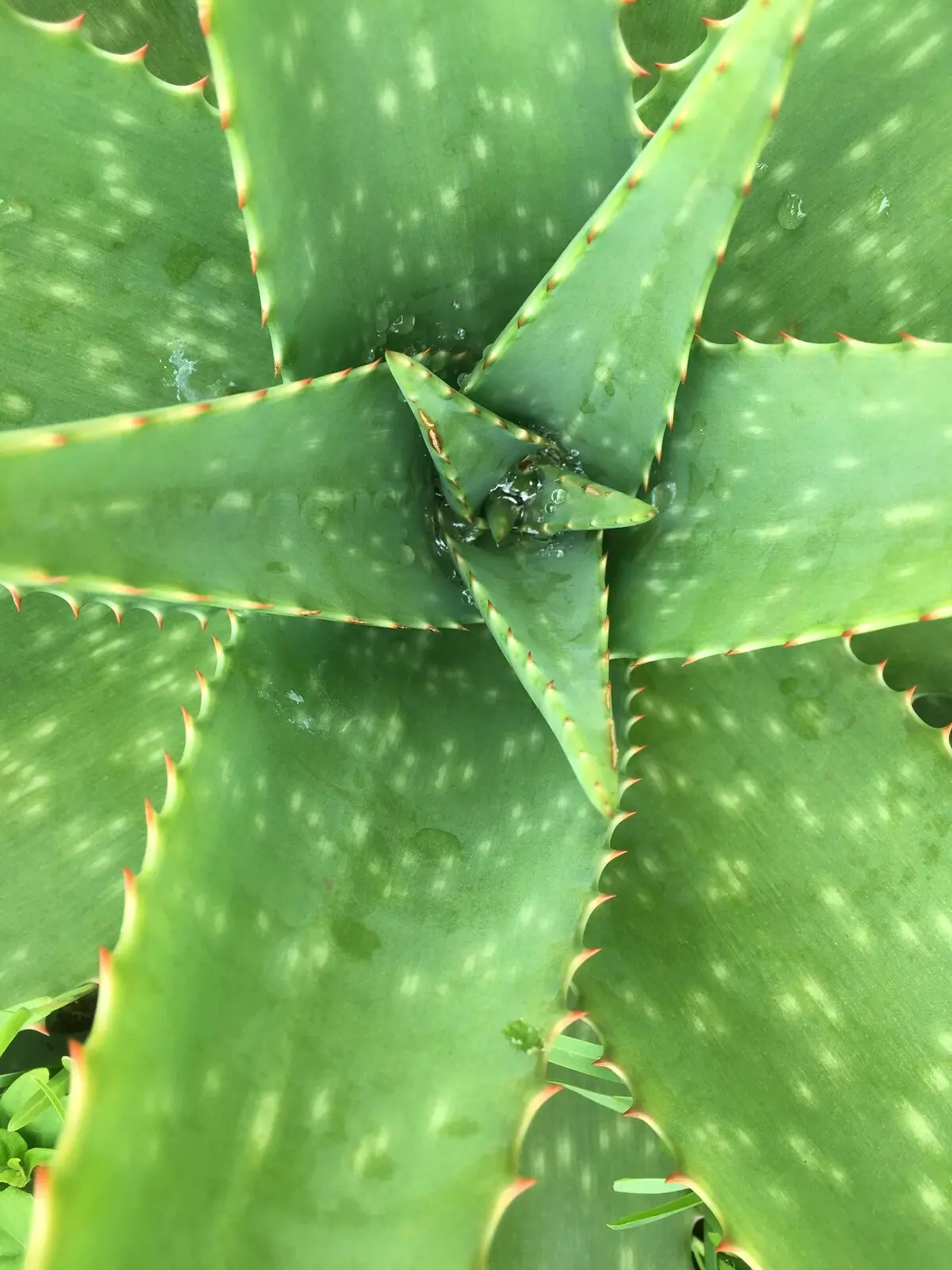
Aloe vera is one of the most talked-about supplements in the interstitial cystitis community. Walk into any IC support group and you’ll hear people mention it within the first few minutes. Some patients describe it as the single supplement that made the biggest difference in their symptoms.
But how much of this is wishful thinking, and how much is backed by actual research? I went through the published studies, clinical trial data, and patient surveys to figure out where aloe vera for interstitial cystitis actually stands. The short answer: there’s more clinical evidence here than most people realize, though it still falls short of the gold standard.
Why Aloe Vera Interests IC Researchers
The connection between aloe vera and bladder health isn’t random. It comes down to a compound class called glycosaminoglycans (GAGs).
Your bladder is lined with a protective GAG layer that acts as a barrier between concentrated urine and the sensitive tissue underneath. In people with IC, this layer is often damaged or thinner than normal. When the GAG layer breaks down, urine components like potassium and acids reach the bladder wall, triggering pain, urgency, and frequent urination.
Aloe vera naturally contains glycosaminoglycans, including acemannan, a long-chain polysaccharide that has been studied for wound healing and tissue repair. Preclinical research has shown that orally administered aloe vera can increase GAG synthesis by roughly 43% in wound-healing models 1. The hypothesis is straightforward: if aloe vera boosts GAG production systemically, it might help rebuild the damaged bladder lining in IC patients.
Aloe vera also has documented anti-inflammatory and immunomodulatory properties. Given that IC involves chronic bladder inflammation and mast cell activation, these effects are relevant beyond just the GAG layer angle.
The Clinical Evidence So Far
The 1995 Pilot Trial
The first clinical study on aloe vera for IC was a small Phase I trial conducted in the mid-1990s. Twelve IC patients received freeze-dried whole-leaf aloe vera concentrate (three 600 mg capsules twice daily) for 3 months in a double-blind crossover design.
Of the 8 patients who completed the study, 7 reported significant symptom relief, giving an 87.5% response rate 1. That’s a striking number, but the sample size is tiny. With only 8 completers, a single patient switching outcomes would dramatically change the percentage. This study raised interest but couldn’t prove anything on its own.
The Italian Clinical Study
A later Italian study expanded on the pilot data. The response rate was 78.78%, with patients reporting improvements in pelvic pain, urinary urgency, and frequency 2. Still a small trial, but the consistency with the earlier pilot was encouraging.
The 2016 Patient Survey
The largest dataset comes from a survey of approximately 600 IC patients who had used freeze-dried aloe vera capsules. Among respondents, 92% reported experiencing some symptom relief. Breaking that down by specific symptoms: 63% to 68% reported moderate or significant improvement in urgency, frequency, pelvic pain, and urethral burning 3.
The timeline data from this survey is useful. About 30% of patients noticed improvement within 2 weeks. By one month, 56% had seen benefit. Roughly 25% needed between 1 and 3 months before they felt a difference.
There’s an obvious limitation here: this is self-reported survey data, not a controlled trial. There’s no placebo group, no blinding, and the respondents were self-selected (people who stuck with the supplement long enough to complete a survey). That said, the consistency of results across multiple data points is hard to dismiss entirely.
The FDA-Approved Wake Forest Trial
The most rigorous study is currently underway. The FDA approved a randomized, double-blind, placebo-controlled trial at Wake Forest University (NCT04734106) testing aloe vera capsules in IC patients over 16 weeks 4. This is the first study that meets the methodological standards needed to draw firm conclusions.
The trial uses a 4:1 randomization favoring active treatment, with doses increasing every 4 weeks for the first 3 months, followed by a dose decrease in the fourth month. When this study publishes results, it will either validate or challenge the promising signals from earlier, smaller studies.
How Aloe Vera Might Work for IC
The proposed mechanism has multiple layers.
GAG layer restoration. The primary hypothesis is that aloe vera’s acemannan and other polysaccharides help rebuild the damaged GAG layer. This is similar in concept to how marshmallow root provides mucilage that coats the bladder wall, though the mechanisms differ. Marshmallow root provides temporary physical coating, while aloe vera may stimulate the body’s own GAG production.
Anti-inflammatory action. Aloe vera contains compounds like aloin, aloe-emodin, and acemannan that have demonstrated anti-inflammatory effects in laboratory studies. For IC patients dealing with chronic bladder wall inflammation, this is relevant. The anti-inflammatory effect may help reduce the cycle of irritation and nerve sensitization that drives IC symptoms.
Mast cell stabilization. Some researchers have proposed that aloe vera may help stabilize mast cells, which are overactive in many IC patients. Mast cells release histamine and other inflammatory mediators that contribute to bladder pain and urgency. This hasn’t been proven specifically in IC patients, but it’s a plausible mechanism based on aloe’s known pharmacology.
The Anthraquinone Question
Not all aloe vera products are the same, and this matters a lot for IC patients.
Raw aloe vera contains anthraquinones, particularly aloin, which is a potent laxative. For someone with a sensitive bladder, anthraquinone-containing aloe products could actually make symptoms worse. Diarrhea, cramping, and electrolyte imbalances are common side effects of anthraquinone exposure.
The aloe vera products studied for IC have their anthraquinones removed through processing. Freeze-dried whole-leaf aloe vera concentrates designed for bladder use specifically filter out these compounds while preserving the polysaccharides and other active ingredients.
If you’re considering aloe vera for IC, this is the single most important thing to check on the label. Standard aloe vera juice from the grocery store is not the same product used in clinical studies. Look for freeze-dried, purified formulations that explicitly state the anthraquinone content has been reduced or eliminated.
Dosing: What the Studies Used
The clinical studies and surveys have generally used freeze-dried whole-leaf aloe vera capsules at the following doses:
- Pilot trial: 1,800 mg twice daily (3,600 mg total per day)
- Survey patients: Most took between 1,200 mg and 3,600 mg per day
- Wake Forest trial: Graduated dosing over 16 weeks, starting lower and increasing
A common approach is starting with 1,200 mg per day (two 600 mg capsules) and gradually increasing if tolerated. Some patients find benefit at lower doses while others need the higher range.
Timing also matters. Most patients take the capsules with food to improve absorption and reduce any stomach sensitivity. Splitting the dose between morning and evening is more common than taking it all at once.
How Aloe Vera Compares to Other IC Supplements
Aloe vera isn’t the only supplement IC patients try. Here’s how it stacks up.
Quercetin has one published clinical trial showing 81% symptom improvement in IC patients at 500 mg twice daily. Like aloe vera, the evidence is promising but based on small studies. Some patients combine both supplements. Our guide to supplements for interstitial cystitis covers quercetin in more detail.
D-mannose is better studied for UTI prevention than for IC specifically. It works by preventing bacterial adhesion rather than repairing the bladder lining, so it targets a different problem.
Marshmallow root provides a temporary mucilage coating for the bladder wall, offering symptomatic relief through a different mechanism than aloe vera’s proposed GAG synthesis stimulation. Some IC patients use both, with marshmallow root for immediate soothing and aloe vera for longer-term bladder lining support.
Probiotics address the gut-bladder connection and may help modulate the immune response in IC. Our article on probiotics for interstitial cystitis covers the specific strains that have been studied.
The honest assessment: none of these supplements have the level of evidence that would satisfy a strict evidence-based medicine standard. Aloe vera probably has the largest body of patient-reported data, while quercetin has the most structured (though still small) clinical trial.
Safety and Side Effects
Freeze-dried, purified aloe vera capsules are generally well-tolerated. The main concerns are:
- Drug interactions. Aloe vera may lower blood sugar and can interact with diabetes medications. It may also interact with blood thinners and diuretics. Talk to your doctor if you take any of these.
- Pregnancy and breastfeeding. Avoid aloe vera supplements during pregnancy or breastfeeding due to insufficient safety data.
- Kidney concerns. Long-term, high-dose aloe vera use has been associated with kidney issues in rare case reports. Patients with existing kidney problems should use caution.
- GI symptoms. Even purified products can occasionally cause mild stomach upset or loose stools, especially at higher doses.
The most common mistake is buying the wrong product. Unpurified aloe vera juice or gel products meant for skin use are not suitable for IC management. Stick with supplements specifically formulated for internal use with anthraquinones removed.
When to See a Doctor
Aloe vera is not a substitute for medical care. See your doctor if you experience:
- Blood in your urine
- Severe or worsening pelvic pain
- New symptoms like fever or chills alongside bladder symptoms
- Symptoms that don’t improve after 3 months of any supplement regimen
- Painful urination that is getting worse rather than better
IC is a complex condition that often requires a combination of dietary changes, pelvic floor therapy, medications, and sometimes procedures. Supplements like aloe vera work best as part of a broader treatment plan, not as a standalone solution. For more on managing bladder irritation, see our guide on how to calm an irritated bladder.
Frequently Asked Questions
Does aloe vera help interstitial cystitis?
Aloe vera shows promise for interstitial cystitis based on small clinical studies and patient surveys. In a pilot trial, 87.5% of IC patients reported symptom relief after taking freeze-dried aloe vera capsules for 3 months. A larger survey found 92% of patients experienced some improvement. However, no large randomized controlled trial has been completed yet, so the evidence is still preliminary.
How much aloe vera should I take for IC?
Most IC studies have used freeze-dried, whole-leaf aloe vera capsules at doses of 1,200 to 3,600 mg per day (typically two to six 600 mg capsules). Patients usually start at a lower dose and increase gradually over several weeks. Always follow the specific product label and talk to your doctor before starting any supplement.
How long does aloe vera take to work for bladder pain?
Based on survey data from IC patients, about 30% noticed improvement within the first two weeks and 56% saw benefit within the first month. Some patients needed one to three months before experiencing relief. Consistency appears to matter more than high dosing.
Is aloe vera safe for IC patients?
Freeze-dried, purified aloe vera capsules are generally well-tolerated. The main safety concern is anthraquinone content, a natural laxative compound found in the outer leaf. Products made for IC should have the anthraquinones removed. Aloe vera can interact with diabetes medications and blood thinners. Pregnant or breastfeeding women should avoid it.
What is the difference between aloe vera juice and aloe vera capsules for IC?
Aloe vera capsules used in IC studies contain concentrated, freeze-dried whole-leaf aloe with anthraquinones removed. Standard aloe vera juice drinks are much more diluted and may contain additives, sugars, or anthraquinones that can irritate the bladder. For IC, capsules with purified aloe vera are preferred over juice products.
Summary
Aloe vera for interstitial cystitis has more clinical backing than many alternative supplements, though the evidence isn’t yet definitive. Small trials show response rates between 78% and 87.5%, patient surveys report 92% experiencing some benefit, and a properly designed FDA-approved trial at Wake Forest is underway.
The proposed mechanism of GAG layer restoration through increased glycosaminoglycan synthesis is biologically plausible and supported by preclinical data. The key practical points: use freeze-dried capsules with anthraquinones removed, start at a lower dose, give it at least 1 to 3 months, and treat it as one part of a broader IC management plan rather than a cure.
If you’re exploring supplement options for IC, aloe vera is a reasonable candidate to discuss with your doctor, especially if you’ve already tried standard treatments and are looking for additional support.
References
- O’Hare PG III, et al. Complementary and alternative therapies as treatment approaches for interstitial cystitis. Rev Urol. 2006;8(Suppl 1):S23-S28. PubMed
- Urology Times. Trial to investigate efficacy of aloe vera in patients with interstitial cystitis. Urology Times
- Desert Harvest / ICA. Concentrated oral aloe vera for alleviating IC symptoms: a white paper. 2023. ICA
- ClinicalTrials.gov. Safety and efficacy of aloe vera in the management of symptoms of interstitial cystitis. NCT04734106. ClinicalTrials.gov
- Nutraceuticals World. FDA approves study on aloe vera as potential interstitial cystitis treatment. Nutraceuticals World
- Drug Discovery News. Aloe vera may soothe bladder pain. Drug Discovery News
Frequently Asked Questions
- Does aloe vera help interstitial cystitis?
- Aloe vera shows promise for interstitial cystitis based on small clinical studies and patient surveys. In a pilot trial, 87.5% of IC patients reported symptom relief after taking freeze-dried aloe vera capsules for 3 months. A larger survey found 92% of patients experienced some improvement. However, no large randomized controlled trial has been completed yet, so the evidence is still preliminary.
- How much aloe vera should I take for IC?
- Most IC studies have used freeze-dried, whole-leaf aloe vera capsules at doses of 1,200 to 3,600 mg per day (typically two to six 600 mg capsules). Patients usually start at a lower dose and increase gradually over several weeks. Always follow the specific product label and talk to your doctor before starting any supplement.
- How long does aloe vera take to work for bladder pain?
- Based on survey data from IC patients, about 30% noticed improvement within the first two weeks and 56% saw benefit within the first month. Some patients needed one to three months before experiencing relief. Consistency appears to matter more than high dosing.
- Is aloe vera safe for IC patients?
- Freeze-dried, purified aloe vera capsules are generally well-tolerated. The main safety concern is anthraquinone content, a natural laxative compound found in the outer leaf. Products made for IC should have the anthraquinones removed. Aloe vera can interact with diabetes medications and blood thinners. Pregnant or breastfeeding women should avoid it.
- What is the difference between aloe vera juice and aloe vera capsules for IC?
- Aloe vera capsules used in IC studies contain concentrated, freeze-dried whole-leaf aloe with anthraquinones removed. Standard aloe vera juice drinks are much more diluted and may contain additives, sugars, or anthraquinones that can irritate the bladder. For IC, capsules with purified aloe vera are preferred over juice products.
Medical Disclaimer: The information provided is for educational purposes only and should not be considered as medical advice. Always consult with a qualified healthcare professional before making any changes to your diet, supplement regimen, or treatment plan.
Was this article helpful?