Krill Oil for Bladder Health: Strong Theory, Thin Evidence
Krill oil has three components linked to bladder health — omega-3s, phospholipids, and astaxanthin. Here's what the research actually supports.
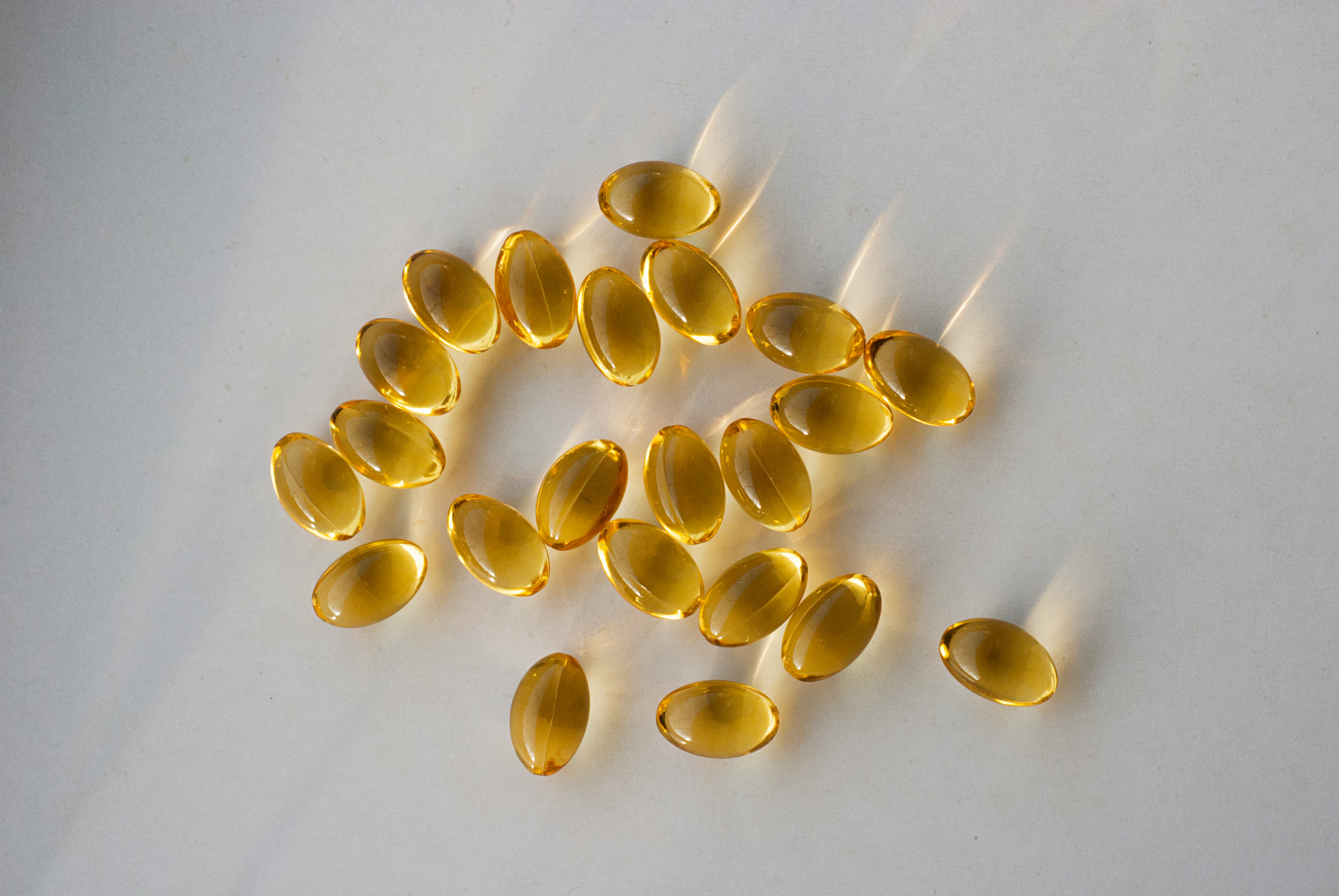
Krill oil contains three bioactive components that, on paper, should benefit your bladder: omega-3 fatty acids that suppress inflammation, phospholipids that mirror the compounds protecting your bladder wall, and astaxanthin with antioxidant potency thousands of times greater than vitamin C.
Nobody has tested whether krill oil actually helps bladder conditions. Not once.
That sounds like a reason to close this tab. But the component-level research is more interesting than the typical supplement pitch, and understanding what each ingredient does and doesn’t do matters if you’re weighing krill oil for bladder health against fish oil or other bladder health supplements.
Key Takeaways
- Krill oil’s omega-3s, phospholipids, and astaxanthin each have separate, plausible links to bladder health
- One RCT found omega-3 fatty acids combined with alpha-lipoic acid reduced painful bladder symptoms in 84 women
- A large population study (15,121 people) found omega-3 intake did NOT reduce urinary incontinence
- No clinical trial has tested krill oil specifically for any bladder condition
- The phospholipid delivery advantage over fish oil remains unproven for bladder tissue
- Switching from fish oil to krill oil for bladder benefits alone isn’t supported by current data
Three Mechanisms That Look Good on Paper
Omega-3s and bladder inflammation
The most studied connection. Omega-3 fatty acids (EPA and DHA) compete with omega-6 fatty acids for the COX-2 enzyme, the same pathway targeted by ibuprofen and other anti-inflammatory drugs. When omega-3s win that competition, your body produces fewer pro-inflammatory prostaglandins like PGE2 and shifts toward the less inflammatory PGE3 [1].
A 2015 review in International Urology and Nephrology examined this mechanism specifically in urological tissues and concluded that omega-3 fatty acids suppress inflammation across the bladder, kidney, and prostate [1]. The omega-6 to omega-3 ratio matters. Most Western diets sit around 15:1 or 20:1. Researchers suggest something closer to 4:1 or 2:1 would be better for reducing urological inflammation.
Krill oil delivers these omega-3s, but so does fish oil. So does eating salmon twice a week. The omega-3 connection is real. It just isn’t unique to krill oil.
Phospholipids and bladder wall protection
This is where krill oil advocates make their strongest case, and it isn’t completely wrong.
Your bladder’s inner lining, the urothelium, relies on a phospholipid-rich membrane to maintain its barrier against urine. When that barrier breaks down, as happens in interstitial cystitis and chronic bladder inflammation, irritants in urine reach the underlying tissue and trigger pain and urgency.
Researchers at the University of Pittsburgh tested whether phospholipid liposomes could calm irritated bladders in rats [2]. Phosphatidylcholine, the primary phospholipid in krill oil, significantly reduced bladder hyperactivity. Longer-chain phosphatidylcholines worked best.
The leap from “phosphatidylcholine applied directly to rat bladders reduced irritation” to “swallowing krill oil capsules will protect your bladder wall” is enormous. Those liposomes were applied intravesically, directly into the bladder via catheter. Side note: intravesical phospholipid therapy is an actual area of urology research, but the delivery mechanism is a catheter, not a gelcap you swallow with breakfast. Whether phospholipids from an oral supplement reach bladder tissue in any meaningful concentration is an open question nobody has answered.
Astaxanthin: impressive molecule, wrong dose
Astaxanthin is the red pigment that gives krill oil its colour. In a 1994 mouse study, astaxanthin administration significantly reduced bladder cancer incidence (P < 0.003) [3]. More recently, researchers in China demonstrated that astaxanthin reduced pelvic pain and inflammatory markers (IL-6, TNF-alpha, COX-2) in 48 rats by inhibiting the NF-kB pathway [4].
The problem is arithmetic. Those studies used 6-20mg of astaxanthin daily. A standard krill oil capsule contains 0.1-0.5mg. That’s roughly 1/50th of a therapeutic dose. The astaxanthin in krill oil exists to stop the oil from going rancid, not to treat your bladder. If you want the bladder benefits seen in astaxanthin research, you’d need a standalone supplement at vastly higher doses.
What the Human Evidence Actually Shows
The best and worst findings sit uncomfortably close together.
The encouraging trial
The strongest piece of evidence comes from a 2017 randomised controlled trial of 84 women with vestibulodynia associated with painful bladder syndrome [5]. Women who received omega-3 fatty acids combined with 600mg alpha-lipoic acid alongside their standard amitriptyline treatment experienced significantly greater pain reduction than those on amitriptyline alone, and they needed lower doses of the drug to achieve it (averaging 21.7 mg/day versus higher doses in the control group), with additional improvements in both dyspareunia and pelvic floor function.
Properly designed study. Meaningful result. But it tested generic omega-3s plus alpha-lipoic acid, not krill oil. And the benefits might come entirely from the alpha-lipoic acid. The study design can’t separate the two.
The discouraging population data
The largest relevant human dataset comes from a 2024 cross-sectional analysis of NHANES data covering 15,121 individuals [6]. The question was simple: does omega-3 intake protect against urinary incontinence?
It didn’t. Omega-3 PUFAs showed no protective effect. Omega-6 fatty acids were actually positively associated with stress incontinence in women. And higher total fat intake increased the odds of developing incontinence by 44%.
Cross-sectional, not interventional, so it has limits. But 15,121 people is hard to argue with.
The missing OAB trial
A clinical trial investigating omega-3 supplementation for overactive bladder was registered on ClinicalTrials.gov in 2014 [7]. Results were never published. That usually means the trial stalled or the findings weren’t worth reporting. Neither is encouraging.
Animal and Lab Evidence
For completeness, because this data shapes the theory even if it can’t guide what you take:
When 35 rats with partial bladder outlet obstruction received oral omega-3, their bladder weight, inflammation, and fibrosis all decreased significantly compared to untreated controls [8]. Separately, mice with chemotherapy-induced hemorrhagic cystitis given DHA (one of krill oil’s omega-3s) experienced significantly less visceral pain, though the underlying inflammation didn’t change [9]. The pain relief worked through spinal cord pathways rather than by reducing bladder damage itself.
And in 2022, researchers tested krill oil directly against bladder cancer cells [10]. At concentrations of 100-300 μg/mL, krill oil inhibited cancer cell proliferation and, in mice, decreased tumour growth by suppressing blood vessel formation. Lab and animal data only. Interesting for researchers designing future trials, not for your supplement decisions today.
Krill Oil vs Fish Oil: Does the Format Matter?
| Factor | Krill Oil | Fish Oil |
|---|---|---|
| Omega-3 form | Phospholipid-bound (30-65%) | Triglyceride-bound |
| Absorption | Possibly better (inconclusive) | Well-established |
| Astaxanthin | 0.1-0.5 mg (sub-therapeutic) | None |
| Bladder-specific trials | Zero | One combination RCT |
| Typical EPA+DHA per serving | 200-350 mg | 500-1,000 mg |
| Cost per gram of omega-3 | 3-5x higher | Lower |
| Contaminant risk | Lower (shorter food chain) | Low with quality brands |
A 2015 review in Vascular Health and Risk Management compared krill oil and fish oil bioavailability across multiple studies [11]. Some trials showed superior omega-3 absorption from krill oil. Others showed no difference. The reviewers couldn’t declare either form superior.
For bladder health specifically, there is zero evidence that krill oil’s phospholipid delivery provides any advantage over fish oil. The phospholipid bladder studies [2] used direct instillation, not oral supplements. Paying 3-5x more per gram of omega-3 for a theoretical delivery advantage that nobody has tested in bladder tissue isn’t a decision I’d recommend.
How Much and When
No study has established a krill oil dose for bladder health. What we have are general ranges:
- General health: 1-2 grams daily [12]
- Anti-inflammatory effect: 2-3 grams daily
- To match standard fish oil EPA/DHA: typically 4-5 krill oil capsules
If you’re taking krill oil for potential bladder benefits, 1-2 grams daily is a reasonable starting point based on general anti-inflammatory dosing. Take it with a meal that includes some fat.
Who Should Skip It
People with shellfish allergies should avoid krill oil entirely. Full stop.
Blood thinners deserve serious caution. Omega-3 fatty acids have mild anticoagulant properties, and combining them with warfarin or similar medications increases bleeding risk. If you’re on blood thinners and considering krill oil, talk to your prescribing doctor first. Stop krill oil at least two weeks before any scheduled surgery.
When to Get Medical Help
Krill oil is not a treatment for active bladder conditions. If you’re experiencing blood in your urine, persistent pelvic pain, or urinary frequency that wakes you more than twice nightly, you need a proper evaluation.
If you’ve been supplementing with krill oil or fish oil for bladder symptoms and nothing has improved after 8-12 weeks, that’s your cue to change approach. Supplements for overactive bladder or interstitial cystitis work best alongside proven treatments like pelvic floor exercises and dietary modification, not in place of them.
Quick Answers
Is krill oil better than fish oil for bladder health?
No evidence supports this. Krill oil delivers omega-3s in phospholipid form, which may improve general absorption, but nobody has tested this for bladder tissue specifically. Fish oil actually has slightly more bladder-adjacent research (the 2017 RCT [5] used generic omega-3s). If you already take fish oil, switching to krill oil for bladder benefits doesn’t make sense based on current data.
What dose of krill oil was used in bladder-related studies?
None, because no study has tested krill oil for bladder health directly. The closest human trial used generic omega-3 fatty acids combined with 600mg alpha-lipoic acid in 84 women with painful bladder syndrome [5]. General krill oil research uses 1-3 grams daily.
Can omega-3 fatty acids reduce overactive bladder symptoms?
A clinical trial was registered in 2014 to investigate exactly this [7], but results were never published. Animal studies show omega-3s reduce bladder inflammation and fibrosis [8]. The mechanism is plausible. Human evidence for overactive bladder specifically doesn’t exist yet.
Who should avoid krill oil supplements?
Anyone with shellfish allergies. People on blood thinners (warfarin, heparin, therapeutic-dose aspirin) need medical clearance. Stop krill oil two weeks before surgery.
Does the astaxanthin in krill oil help bladder health?
Astaxanthin has shown bladder-protective effects in animal research, including reduced bladder cancer incidence [3] and decreased pelvic inflammation [4]. But krill oil delivers roughly 0.1-0.5mg per serving. Research used 6-20mg. The astaxanthin in your krill oil capsule is keeping the oil fresh, not treating your bladder.
If krill oil for bladder health interests you because you already take it for joints or heart health, the bladder angle is a reasonable bonus to hope for. The anti-inflammatory properties of omega-3s are genuine, and some of those effects likely reach urological tissues.
But if you’re choosing a supplement specifically for bladder symptoms, the evidence points elsewhere. D-mannose has stronger data for UTI prevention. Pumpkin seed oil has more relevant clinical trials for overactive bladder. And if the phospholipid bladder barrier is your concern, intravesical treatments deliver those compounds where they’re actually needed.
References
- Zanello SB, et al. Influence of polyunsaturated fatty acids on urologic inflammation. Int Urol Nephrol. 2015;47(11):1753-1761. PubMed
- Jansen R, et al. Activity of different phospholipids in attenuating hyperactivity in bladder irritation. BJU Int. 2008;101(9):1140-1144. PubMed
- Tanaka T, et al. Chemoprevention of mouse urinary bladder carcinogenesis by the naturally occurring carotenoid astaxanthin. Carcinogenesis. 1994;15(1):15-19. PubMed
- Zhou Y, et al. Protective effect of astaxanthin on chronic prostatitis/chronic pelvic pain syndrome in rat through modulating NF-kB signaling pathway. Transl Androl Urol. 2024;13(7):1318-1330. PMC
- Murina F, et al. Alpha Lipoic Acid Plus Omega-3 Fatty Acids for Vestibulodynia Associated With Painful Bladder Syndrome. J Obstet Gynaecol Can. 2017;39(3):131-137. PubMed
- Han Y, et al. Association between dietary fatty acids and urinary incontinence. Heliyon. 2024;10(6):e27622. PMC
- Oxybutynin and Omega-3 for OAB (Overactive Bladder). ClinicalTrials.gov Identifier: NCT02070042. ClinicalTrials.gov
- Bayrak O, et al. Evaluation of the effects of omega-3 and interferon alpha-2b administration on partial bladder outlet obstruction in a rat model. Indian J Med Res. 2016;144(4):572-579. PMC
- Oliveira FF, et al. Omega-3 fatty acids are able to modulate the painful symptoms associated to cyclophosphamide-induced hemorrhagic cystitis in mice. J Nutr Biochem. 2016;27:219-232. PubMed
- Hsieh SL, et al. In vitro and in vivo anti-tumor efficacy of krill oil against bladder cancer. Food Res Int. 2022;156:111147. PubMed
- Ulven SM, Holven KB. Comparison of bioavailability of krill oil versus fish oil and health effect. Vasc Health Risk Manag. 2015;11:511-524. PMC
- Xie D, et al. Health promoting benefits of krill oil: mechanisms, bioactive combinations, and advanced encapsulation technologies. Food Frontiers. 2025;6(1):131-158. PMC
Frequently Asked Questions
- Is krill oil better than fish oil for bladder health?
- No direct evidence supports this. Krill oil delivers omega-3s bound to phospholipids, which may improve general absorption, but this has not been tested for bladder tissue. Fish oil actually has more bladder-adjacent research. If you already take fish oil, switching to krill oil for bladder benefits alone is not justified by current data.
- What dose of krill oil was used in bladder-related studies?
- No study has tested krill oil directly for bladder health. The closest human trial used generic omega-3 fatty acids combined with 600mg alpha-lipoic acid in 84 women with painful bladder syndrome. General krill oil research uses 1 to 3 grams daily.
- Can omega-3 fatty acids reduce overactive bladder symptoms?
- A clinical trial was registered in 2014 to investigate exactly this, but results were never published. Animal studies show omega-3s reduce bladder inflammation and fibrosis. The theory is sound, but human evidence for overactive bladder specifically does not exist yet.
- Who should avoid krill oil supplements?
- People with shellfish allergies must avoid krill oil entirely. Those on blood thinners like warfarin need medical supervision because omega-3s may increase bleeding risk. Krill oil should also be stopped at least two weeks before scheduled surgery.
- Does the astaxanthin in krill oil help bladder health?
- Astaxanthin has shown bladder-protective effects in animal studies, including reduced bladder cancer incidence and decreased pelvic inflammation. However, krill oil contains only 0.1 to 0.5mg per serving, far below the 6 to 20mg doses used in research. The astaxanthin in krill oil primarily prevents the oil from going rancid.
Medical Disclaimer: The information provided is for educational purposes only and should not be considered as medical advice. Always consult with a qualified healthcare professional before making any changes to your diet, supplement regimen, or treatment plan.
Was this article helpful?