Green Tea and Bladder Health: Help or Hindrance?
What does green tea do to your bladder? We review the research on EGCG, catechins, caffeine, and whether green tea helps or hurts bladder conditions.
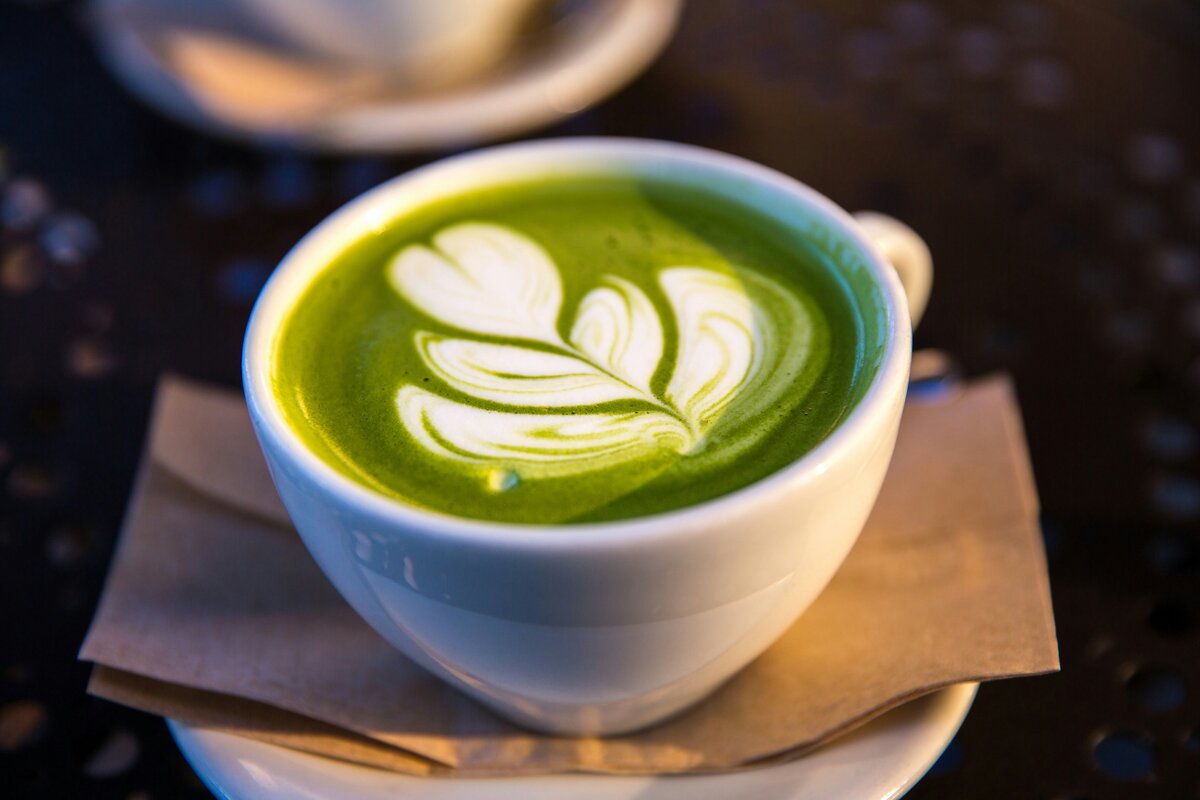
Green tea sits in a strange spot for people with bladder problems. On one hand, its catechins protect bladder cells from inflammation and oxidative damage. On the other, its caffeine can trigger urgency and send you running to the bathroom. So which is it — friend or foe?
The answer, as with most things in medicine, is “it depends.” The relationship between green tea and bladder health is more interesting than most websites let on. There’s real clinical data here, including a study where EGCG was used directly on the bladders of interstitial cystitis patients and actually reduced their symptoms. Let’s look at what the research says.
What Makes Green Tea Different From Other Teas
All tea comes from the same plant, Camellia sinensis. What sets green tea apart is minimal oxidation during processing, which preserves a group of compounds called catechins. The most studied catechin is epigallocatechin-3-gallate (EGCG), which makes up about 50-80% of green tea’s total catechin content.
A typical cup of brewed green tea contains 50-100 mg of EGCG and 25-50 mg of caffeine. For comparison, a cup of coffee has 95-200 mg of caffeine but virtually no catechins. This ratio matters for bladder health because the catechins and caffeine have opposing effects.
How Green Tea Protects Bladder Cells
A 2008 study by Coyle and colleagues tested green tea polyphenols directly on human bladder cells 1. They exposed both normal and cancerous bladder cells to hydrogen peroxide (a form of oxidative stress) and then treated them with EGCG and ECG.
The results were clear: both compounds significantly improved the survival of bladder cells exposed to oxidative damage. The researchers noted that the protective concentrations were “at levels that may be achieved through dietary intake,” meaning regular green tea drinking could theoretically deliver enough catechins to matter.
This isn’t just an abstract lab finding. Oxidative stress plays a role in several bladder conditions, including cystitis, radiation cystitis, and the chronic inflammation seen in interstitial cystitis.
Green Tea and Overactive Bladder: The Paradox
Here’s where it gets complicated. Caffeine is a known bladder irritant that increases detrusor muscle contractions, worsening overactive bladder symptoms like urgency and frequent urination. So you’d expect green tea to make things worse.
But a 2011 study by Hirayama and Lee found the opposite 2. They surveyed 298 Japanese women aged 40-75 and found that those drinking four or more cups of green tea daily had 66% lower odds of urinary incontinence compared to non-drinkers (adjusted odds ratio: 0.34, p=0.01). Black tea, oolong tea, and coffee showed no protective effect.
Why would this happen? Animal studies offer clues. Two rat studies from 2011-2012 tested EGCG on surgical menopause-induced overactive bladder 3 4. EGCG prevented bladder dysfunction through three mechanisms:
- Neuroprotection of bladder nerves (dose-dependent)
- Anti-fibrosis effects, preventing bladder wall stiffening
- Antioxidant activity, reducing oxidative damage to bladder tissue
The animals treated with EGCG had significantly better bladder compliance and fewer involuntary contractions. These benefits apparently outweighed the caffeine’s irritant effects, at least in the doses studied.
A larger 2024 NHANES analysis of 13,063 U.S. adults also found that dietary flavonoids (the class of compounds that includes green tea catechins) were associated with reduced overactive bladder risk, though the strongest association was with anthocyanidins and flavones specifically 5.
EGCG and Interstitial Cystitis: A Small But Promising Study
The most striking clinical finding involves interstitial cystitis. Lee and colleagues (2013) performed a small trial where they applied EGCG directly to the bladders of eight IC patients through intravesical irrigation 6.
All eight patients showed some degree of symptom improvement. The researchers found that EGCG:
- Reduced expression of purinergic receptors (P2X1, P2X2, P2X3, P2Y1, P2Y2, P2Y11) in bladder urothelial cells
- Lowered ATP release from stretched bladder cells
- Showed antioxidative and anti-inflammatory effects through inhibition of iNOS and phosphorylated NF-kB
This is worth paying attention to because purinergic signaling is thought to be a key driver of IC pain and urgency. The EGCG essentially calmed the overactive pain signaling in the bladder lining.
The catch: this was intravesical (directly in the bladder), not oral. Drinking green tea delivers EGCG through your bloodstream, and we don’t know how much reaches the bladder wall at sufficient concentrations. Still, it’s the first clinical evidence connecting EGCG to IC symptom relief.
If you’re exploring IC supplements, you might also want to read about quercetin for interstitial cystitis and aloe vera for interstitial cystitis, which have their own clinical data.
Green Tea as an Antimicrobial for UTIs
A 2013 study by Reygaert and Jusufi tested green tea extract against 80 strains of E. coli isolated from urinary tract infection cultures 7. The results were impressive: 99% of strains were susceptible at concentrations of 4.0 mg/mL or less, and 94% at 3.5 mg/mL or less.
What makes this study unique is a detail about excretion. The active compound here was epigallocatechin (EGC, slightly different from EGCG), which is one of the few catechins actually excreted in urine at potentially therapeutic levels. The researchers suggested that “even one cup of green tea could have an effect on a urinary tract pathogen.”
That’s a stronger claim than most herbal UTI remedies can make. Unlike apple cider vinegar or garlic, where the active compounds are destroyed or diluted before reaching the urinary tract, green tea’s EGC may actually show up where it’s needed.
That said, no human clinical trial has tested green tea for UTI prevention or treatment. The lab data is promising but not yet confirmed in people. If you’re dealing with recurring infections, proven strategies like adequate hydration and cranberry or D-mannose have stronger clinical evidence.
The Caffeine Problem: Who Should Be Careful
Despite the protective research, green tea isn’t right for everyone. Caffeine is a bladder stimulant, and some people are more sensitive than others. You should limit or avoid green tea if you:
- Have severe overactive bladder symptoms not controlled by other measures
- Experience bladder spasms triggered by caffeine
- Find that caffeinated drinks worsen nocturia (nighttime urination)
- Have been advised by your doctor to eliminate caffeine
For these groups, the caffeine’s irritant effect may outweigh the catechins’ protective effect, especially at higher intakes. If caffeine is a problem for you, chamomile tea is a bladder-friendly alternative worth considering.
Practical Tips: Getting the Benefits Without the Irritation
If you want green tea’s bladder-protective compounds but worry about caffeine, here are some practical options:
Switch to decaffeinated green tea. Decaf green tea retains most catechins (typically 60-80% of EGCG) while cutting caffeine to under 5 mg per cup. This removes the main bladder irritant while preserving the protective compounds.
Consider EGCG supplements. Decaffeinated green tea extract capsules (typically 200-400 mg EGCG) deliver a concentrated dose without caffeine or the diuretic effect of drinking extra fluid. This may be the most practical option for people with sensitive bladders.
Limit timing. If you do drink regular green tea, stick to 1-2 cups before mid-afternoon. This gives your body time to process the caffeine before bed, reducing nocturia risk.
Start low. If you’re reintroducing green tea after eliminating it, try one cup every other day and track symptoms for a week using a bladder diary.
For broader dietary guidance, our bladder-friendly meal plan and foods that irritate the bladder guides cover other dietary triggers.
When to See a Doctor
Green tea is generally safe for most people, but see a doctor if you notice:
- Blood in your urine after increasing green tea intake
- Worsening urgency or incontinence despite reducing caffeine
- Pain during urination or pelvic discomfort
- UTI symptoms (burning, frequency, cloudy urine) that last more than 48 hours
- Any bladder symptoms that interfere with daily life
Green tea supplements can interact with certain medications, including blood thinners, beta-blockers, and some chemotherapy drugs. Check with your doctor before starting high-dose EGCG supplements.
Frequently Asked Questions
Is green tea good or bad for your bladder?
It depends on the amount and your condition. Green tea contains EGCG and catechins that protect bladder cells from inflammation and oxidative damage. But caffeine in green tea can irritate the bladder and worsen urgency. One to two cups daily is generally safe for most people.
Can green tea help with overactive bladder?
Research is mixed. A Japanese study found women drinking four or more cups of green tea daily had 66% lower odds of urinary incontinence 2. Animal studies show EGCG reduces overactive bladder symptoms by protecting bladder nerves. However, the caffeine in green tea can trigger urgency in some people.
Does green tea cause frequent urination?
It can. Green tea contains caffeine, a mild diuretic and known bladder stimulant. Drinking large amounts may increase how often you need to urinate. Switching to decaffeinated green tea or limiting intake to 1-2 cups per day can reduce this effect.
Should I drink green tea if I have interstitial cystitis?
Proceed with caution. A small clinical study found EGCG reduced IC symptoms when applied directly to the bladder 6. But drinking green tea introduces caffeine, which many IC patients find irritating. Decaffeinated green tea extract capsules may be a better option, though more research is needed.
Is decaf green tea better for bladder health?
For people with bladder sensitivity, yes. Decaffeinated green tea retains most of the beneficial catechins and EGCG while removing the caffeine that irritates the bladder. EGCG supplements are another option to get the protective compounds without caffeine.
Summary
The relationship between green tea and bladder health comes down to a tug-of-war between protective catechins and irritating caffeine. The research shows real benefits: EGCG protects bladder cells from oxidative damage, may reduce overactive bladder risk in regular drinkers, has early clinical evidence for interstitial cystitis relief, and shows antimicrobial activity against UTI-causing bacteria in the lab.
For most people, 1-2 cups of green tea daily offers a reasonable balance. If caffeine bothers your bladder, decaffeinated green tea or EGCG supplements let you capture the protective effects without the irritation. As with any supplement, talk to your doctor before making significant changes, especially if you’re managing an existing bladder condition.
References
- Coyle CH, et al. Antioxidant effects of green tea and its polyphenols on bladder cells. Life Sciences. 2008. PubMed
- Hirayama F, Lee AH. Green tea drinking is inversely associated with urinary incontinence in middle-aged and older women. Neurourol Urodyn. 2011. PubMed
- Liu HT, et al. Neuroprotection of green tea catechins on surgical menopause-induced overactive bladder in a rat model. J Urol. 2012. PubMed
- Liu HT, et al. Green tea catechins decrease oxidative stress in surgical menopause-induced overactive bladder in a rat model. BJU Int. 2012. PubMed
- Lin C, et al. Intake of dietary flavonoids in relation to overactive bladder among U.S. adults. Front Nutr. 2024. Frontiers
- Lee CL, et al. Epigallocatechin gallate attenuates interstitial cystitis in human bladder urothelium cells by modulating purinergic receptors. J Surg Res. 2013. PubMed
- Reygaert W, Jusufi I. Green tea as an effective antimicrobial for urinary tract infections caused by Escherichia coli. Front Microbiol. 2013. PubMed
Frequently Asked Questions
- Is green tea good or bad for your bladder?
- It depends on the amount and your condition. Green tea contains EGCG and catechins that protect bladder cells from inflammation and oxidative damage. But caffeine in green tea can irritate the bladder and worsen urgency. One to two cups daily is generally safe for most people.
- Can green tea help with overactive bladder?
- Research is mixed. A Japanese study found women drinking 4 or more cups of green tea daily had 66% lower odds of urinary incontinence. Animal studies show EGCG reduces overactive bladder symptoms by protecting bladder nerves. However, the caffeine in green tea can trigger urgency in some people.
- Does green tea cause frequent urination?
- It can. Green tea contains caffeine, a mild diuretic and known bladder stimulant. Drinking large amounts may increase how often you need to urinate. Switching to decaffeinated green tea or limiting intake to 1-2 cups per day can reduce this effect.
- Should I drink green tea if I have interstitial cystitis?
- Proceed with caution. A small clinical study found EGCG reduced IC symptoms when applied directly to the bladder. But drinking green tea introduces caffeine, which many IC patients find irritating. Decaffeinated green tea extract capsules may be a better option, though more research is needed.
- Is decaf green tea better for bladder health?
- For people with bladder sensitivity, yes. Decaffeinated green tea retains most of the beneficial catechins and EGCG while removing the caffeine that irritates the bladder. EGCG supplements are another option to get the protective compounds without caffeine.
Medical Disclaimer: The information provided is for educational purposes only and should not be considered as medical advice. Always consult with a qualified healthcare professional before making any changes to your diet, supplement regimen, or treatment plan.
Was this article helpful?