Dandelion for Bladder Health: What Research Shows
Can dandelion help your bladder? We review clinical evidence on dandelion for UTI prevention, BPH, and its diuretic effects on urinary health.
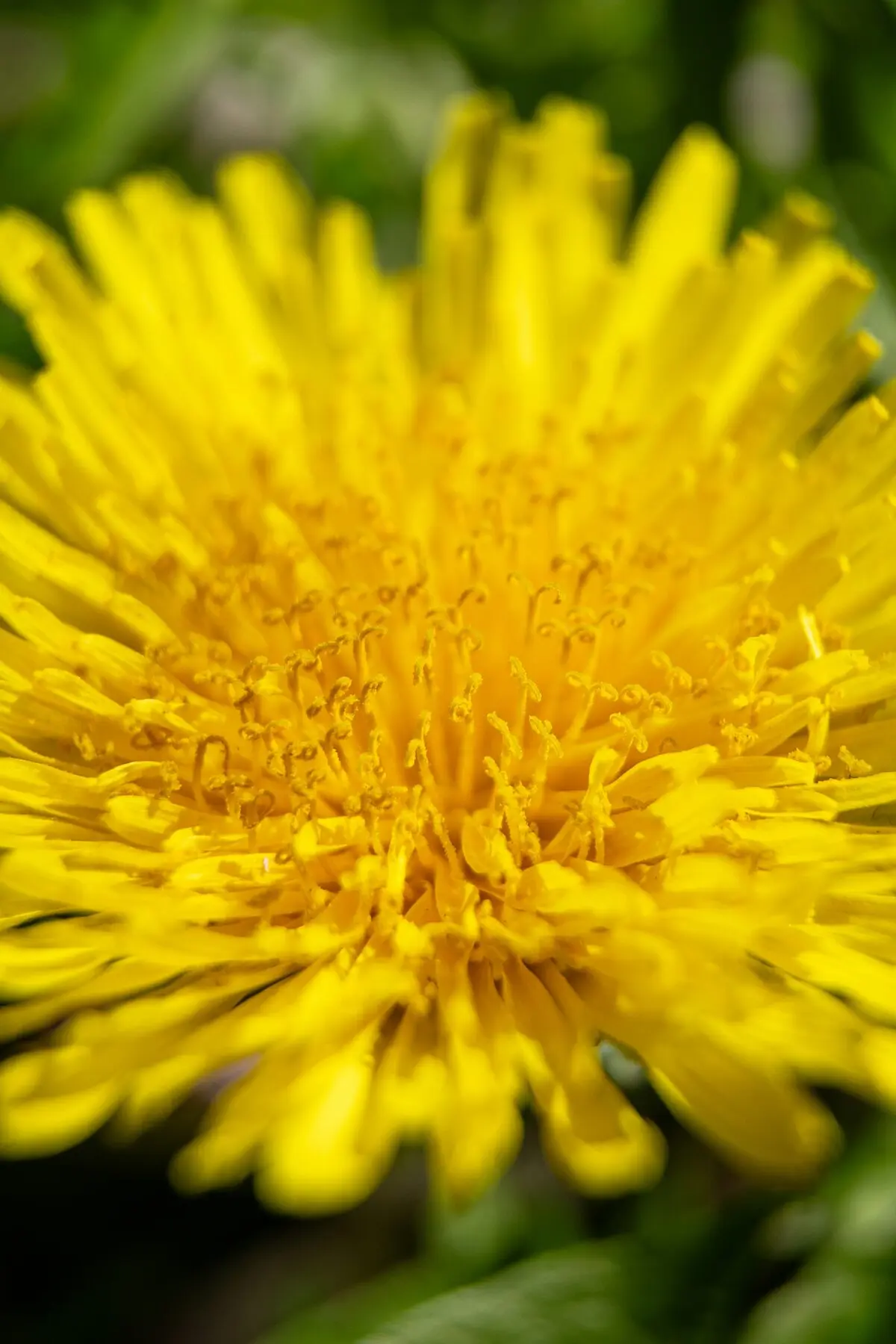
Dandelion (Taraxacum officinale) is one of those plants most people dismiss as a garden weed. But herbalists across Europe, Asia, and the Americas have used it for urinary problems for centuries. The French common name, pissenlit (“wet the bed”), hints at how well-known its bladder effects are.
The plant earned a spot in the European Medicines Agency’s monographs for “increasing the amount of urine to achieve flushing of the urinary tract.” The US FDA classifies it as “generally recognized as safe.” But what does the actual clinical evidence look like for dandelion and bladder health?
The Diuretic Effect: One Human Trial
The single published human trial on dandelion’s diuretic effect comes from Clare et al. in 2009. Seventeen volunteers took 8 mL of a fresh dandelion leaf extract (Taraxacum officinale folium) three times in one day, and researchers tracked their urinary frequency and volume 1.
The results showed a significant increase in urinary frequency during the five-hour window after the first dose (p < 0.05). Urinary volume also trended upward, though the study was small and only measured a single day of dosing.
This matters for bladder health because increased urine flow helps flush bacteria from the urinary tract. It’s the same principle behind the standard medical advice to “drink more water” when you have a bladder infection. Dandelion leaf appears to amplify this flushing effect beyond what extra fluid intake alone would provide.
One detail sets dandelion apart from prescription diuretics like furosemide or hydrochlorothiazide: dandelion leaves are naturally rich in potassium (up to 4.8% dry weight). Most synthetic diuretics cause potassium loss, which can trigger muscle cramps and heart rhythm problems. Dandelion’s potassium content may offset this loss, making it what herbalists call a “potassium-sparing” diuretic. However, this advantage hasn’t been confirmed in a controlled trial comparing electrolyte levels.
Antibacterial Activity Against Bladder Pathogens
Kenny et al. (2018) isolated and identified specific compounds from dandelion extracts and tested them against bacteria that cause urinary tract infections 2.
The hexane extract of dandelion leaves showed the strongest activity. It was highly active against Staphylococcus aureus (MIC of 200 mcg/mL) and moderately active against Escherichia coli and Klebsiella pneumoniae, two of the most common causes of bladder infections. Chemical analysis revealed the extract was 72.5% triterpenes, including lupeol, betulin, and beta-sitosterol.
The catch is the same one we’ve seen with garlic, oregano oil, and berberine: killing bacteria in a lab dish doesn’t mean the same thing will happen inside your body. When you drink dandelion tea, the active compounds get digested, metabolised by the liver, and diluted before reaching the bladder. Nobody has measured whether triterpene concentrations in urine reach antibacterial levels after oral consumption.
The Uva Ursi Combination Trial
The strongest clinical evidence for dandelion in bladder health comes from a trial where it played a supporting role. Larsson et al. (1993) tested a combination product called UVA-E, containing uva ursi leaf extract and dandelion root extract, in 57 women with recurrent UTIs 3.
The women took the combination for one month and were followed for a year. The results were striking: 0% recurrence in the treatment group versus 23% recurrence in the placebo group.
The study’s limitation is obvious. Because UVA-E combined two herbs, we can’t know how much dandelion contributed. Uva ursi contains arbutin, which converts to hydroquinone (a known antibacterial) in the urinary tract. Dandelion’s role was likely as a diuretic booster, increasing urine flow to help flush bacteria while uva ursi handled the antimicrobial work.
Still, this is the only randomised, double-blind, placebo-controlled trial showing a dandelion-containing product prevents UTIs. It hasn’t been replicated in 30+ years.
Dandelion and Prostate Health
A 2024 study by Kim et al. brought a new angle to dandelion and bladder health: its potential effects on benign prostatic hyperplasia (BPH), the enlarged prostate condition that causes lower urinary tract symptoms in older men 4.
In a testosterone-induced BPH rat model, dandelion extract significantly reduced both prostate weight and the levels of testosterone and dihydrotestosterone (DHT) in the blood. It also lowered androgen receptor expression in prostate tissue and shifted the balance of cell survival proteins (Bcl-2 down, Bax up), promoting apoptosis of excess prostate cells.
These results echo what prescription 5-alpha reductase inhibitors like finasteride do, though at a much earlier stage of research. The study is consistent with dandelion’s centuries-long use in traditional Chinese medicine formulas for BPH, including Qianliexin capsules and Qianliekang tablets.
A separate 2025 study confirmed that dandelion triterpenoids (taraxasterol) ameliorate BPH through the TGFbeta1/Smad signalling pathway, reducing both prostate weight and inflammatory markers 5.
Important context: both studies are in rats, not humans. No clinical trial has tested dandelion for BPH symptoms in men. But the mechanism of action (androgen reduction, anti-inflammatory) aligns with what we know about how saw palmetto, nettle root, and pygeum work, and those herbs have human data.
The Overactive Bladder Trade-Off
If you have overactive bladder or frequent urination, dandelion creates an obvious problem. Its diuretic effect means more urine production, which means more trips to the bathroom. For someone already dealing with urgency and nocturia, this could make things worse.
This is the same paradox we noted with horsetail. Both herbs are traditional bladder remedies, and both increase urine output. That’s helpful if you’re trying to flush out an infection, but counterproductive if your bladder is already overactive.
There’s no research specifically testing dandelion in OAB patients. Until that evidence exists, people with overactive bladder symptoms should be cautious and discuss use with their healthcare provider.
Root vs Leaf: Which Part Matters?
Different parts of the dandelion plant have different active compounds, and this distinction matters for bladder health.
Dandelion leaf contains higher levels of flavonoids and phenolic acids. The diuretic effect documented in the Clare 2009 trial used a leaf extract. The European Medicines Agency’s diuretic monograph specifically references the leaf. If increased urine flow is the goal, leaf preparations appear to be the better choice.
Dandelion root is richer in inulin (a prebiotic fibre), sesquiterpene lactones, and triterpenes like taraxasterol. The Larsson UTI prevention trial used root extract alongside uva ursi. The BPH rat studies also used root-derived extracts. Root preparations may be more relevant for antimicrobial and anti-inflammatory applications.
Most dandelion tea products use the root, while dandelion leaf is more commonly found in tinctures and fresh preparations. Check the label if you’re looking for a specific effect.
Safety and Drug Interactions
The FDA classifies dandelion as “generally recognized as safe,” and serious adverse effects are rare. But several interactions deserve attention.
Medications to watch:
- Lithium: dandelion’s diuretic effect can increase lithium levels, raising toxicity risk
- Potassium-sparing diuretics (spironolactone, amiloride): combining with potassium-rich dandelion could cause dangerously high potassium levels
- Blood thinners (warfarin): dandelion contains vitamin K, which can reduce warfarin effectiveness
- Diabetes medications: dandelion may lower blood sugar, risking hypoglycaemia when combined with insulin or metformin
- Antibiotics (ciprofloxacin, enoxacin): dandelion may reduce absorption of certain fluoroquinolone antibiotics
People with kidney stones should also know that dandelion contains oxalates, which can contribute to calcium oxalate stone formation in susceptible individuals.
Allergic reactions are possible if you’re sensitive to plants in the Asteraceae family (ragweed, chamomile, chrysanthemums). Contact dermatitis from handling the plant has been reported.
When to See a Doctor
Dandelion tea is not a substitute for medical treatment. See a doctor if you experience blood in your urine, pain when urinating, fever with urinary symptoms, inability to urinate, or symptoms that don’t improve within 48 hours.
If you’re considering dandelion for prostate-related urinary symptoms like weak stream, difficulty starting, or frequent nighttime urination, get a proper evaluation first. These symptoms can also indicate prostate cancer, which requires a different approach.
Frequently Asked Questions
Is dandelion good for bladder health?
Dandelion has a long history of traditional use for urinary problems, and limited clinical evidence supports some benefits. A small human trial showed it increases urinary frequency, and one study found that combining dandelion root with uva ursi prevented UTI recurrence. Large-scale clinical trials are still lacking.
Can dandelion tea help with a UTI?
Dandelion tea may support UTI recovery by increasing urine flow and helping flush bacteria from the bladder. No clinical trial has tested dandelion tea alone for treating or preventing UTIs. The one positive trial combined dandelion root with uva ursi, so dandelion’s individual contribution is unclear. Always see a doctor for UTI symptoms.
How much dandelion should I take for urinary health?
The only human diuretic trial used 8 mL of fresh leaf extract three times daily. Traditional herbalists recommend 4 to 10 grams of dried leaf as tea, or 2 to 5 grams of dried root steeped for 15 minutes. No standardised dose exists for bladder conditions specifically.
Is dandelion safe for people with overactive bladder?
People with overactive bladder should use dandelion cautiously. Its diuretic effect increases urine volume and urinary frequency, which could worsen urgency and frequency symptoms. If you have OAB, discuss dandelion use with your doctor before trying it.
Does dandelion interact with medications?
Yes. Dandelion can interact with lithium, potassium-sparing diuretics, blood thinners, diabetes medications, and certain antibiotics like ciprofloxacin and enoxacin. Its diuretic effect may also alter how quickly your body processes other drugs. Talk to your doctor before combining dandelion with any prescription medication.
Summary
Dandelion for bladder health has a longer traditional history than clinical evidence. The plant’s diuretic effect is real but documented in only one small human trial. Its antibacterial activity against bladder pathogens is confined to lab studies. The strongest clinical data comes from a combination product with uva ursi that prevented UTI recurrence, but dandelion’s individual contribution to that result is uncertain.
The emerging BPH research is interesting, particularly the 2024 finding that dandelion reduces DHT and prostate weight in rats through androgen and apoptosis pathways. But this remains animal data. People with overactive bladder should be cautious, since dandelion’s diuretic action could worsen urgency and frequency.
If you’re considering dandelion for bladder health, the evidence best supports using it as part of a broader UTI prevention strategy rather than as a standalone treatment. Pair it with proven approaches like adequate hydration and probiotics.
References
- Clare BA, Conroy RS, Spelman K. The diuretic effect in human subjects of an extract of Taraxacum officinale folium over a single day. J Altern Complement Med. 2009;15(8):929-34. PubMed
- Kenny O, Brunton NP, Walsh D, et al. Isolation and identification of compounds from bioactive extracts of Taraxacum officinale as a potential source of antibacterial agents. Evid Based Complement Alternat Med. 2018. PMC
- Larsson B, Jonasson A, Fianu S. Prophylactic effect of UVA-E in women with recurrent cystitis: a preliminary report. Curr Ther Res. 1993;53(4):441-3. ScienceDirect
- Kim DH, Park JH, Park SW, et al. Effects of Taraxaci Herba (dandelion) on testosterone propionate-induced benign prostatic hyperplasia in rats. Nutrients. 2024;16(8):1189. PMC
- Li Y, et al. Taraxacum mongolicum total triterpenoids and taraxasterol ameliorate benign prostatic hyperplasia by inhibiting androgen levels, inflammatory responses, and epithelial-mesenchymal transition via the TGFbeta1/Smad signalling pathway. J Ethnopharmacol. 2025. ScienceDirect
Frequently Asked Questions
- Is dandelion good for bladder health?
- Dandelion has a long history of traditional use for urinary problems, and limited clinical evidence supports some benefits. A small human trial showed it increases urinary frequency, and one study found that combining dandelion root with uva ursi prevented UTI recurrence. However, large-scale clinical trials are still lacking.
- Can dandelion tea help with a UTI?
- Dandelion tea may support UTI recovery by increasing urine flow and helping flush bacteria from the bladder. However, no clinical trial has tested dandelion tea alone for treating or preventing UTIs. The one positive trial combined dandelion root with uva ursi, so dandelion's individual contribution is unclear.
- How much dandelion should I take for urinary health?
- The only human diuretic trial used 8 mL of fresh leaf extract three times daily. Traditional herbalists recommend 4 to 10 grams of dried leaf as tea, or 2 to 5 grams of dried root steeped for 15 minutes. No standardised dose exists for bladder conditions specifically.
- Is dandelion safe for people with overactive bladder?
- People with overactive bladder should use dandelion cautiously. Its diuretic effect increases urine volume and urinary frequency, which could worsen urgency and frequency symptoms. If you have OAB, discuss dandelion use with your doctor before trying it.
- Does dandelion interact with medications?
- Yes. Dandelion can interact with lithium, potassium-sparing diuretics, blood thinners, diabetes medications, and certain antibiotics like ciprofloxacin and enoxacin. Its diuretic effect may also alter how quickly your body processes other drugs. Talk to your doctor before combining dandelion with any prescription medication.
Medical Disclaimer: The information provided is for educational purposes only and should not be considered as medical advice. Always consult with a qualified healthcare professional before making any changes to your diet, supplement regimen, or treatment plan.
Was this article helpful?