Berberine for UTI: What the Research Shows
Can berberine help with UTIs? We review the lab evidence, clinical trials, bioavailability problem, and what berberine can and can't do for bladder infections.
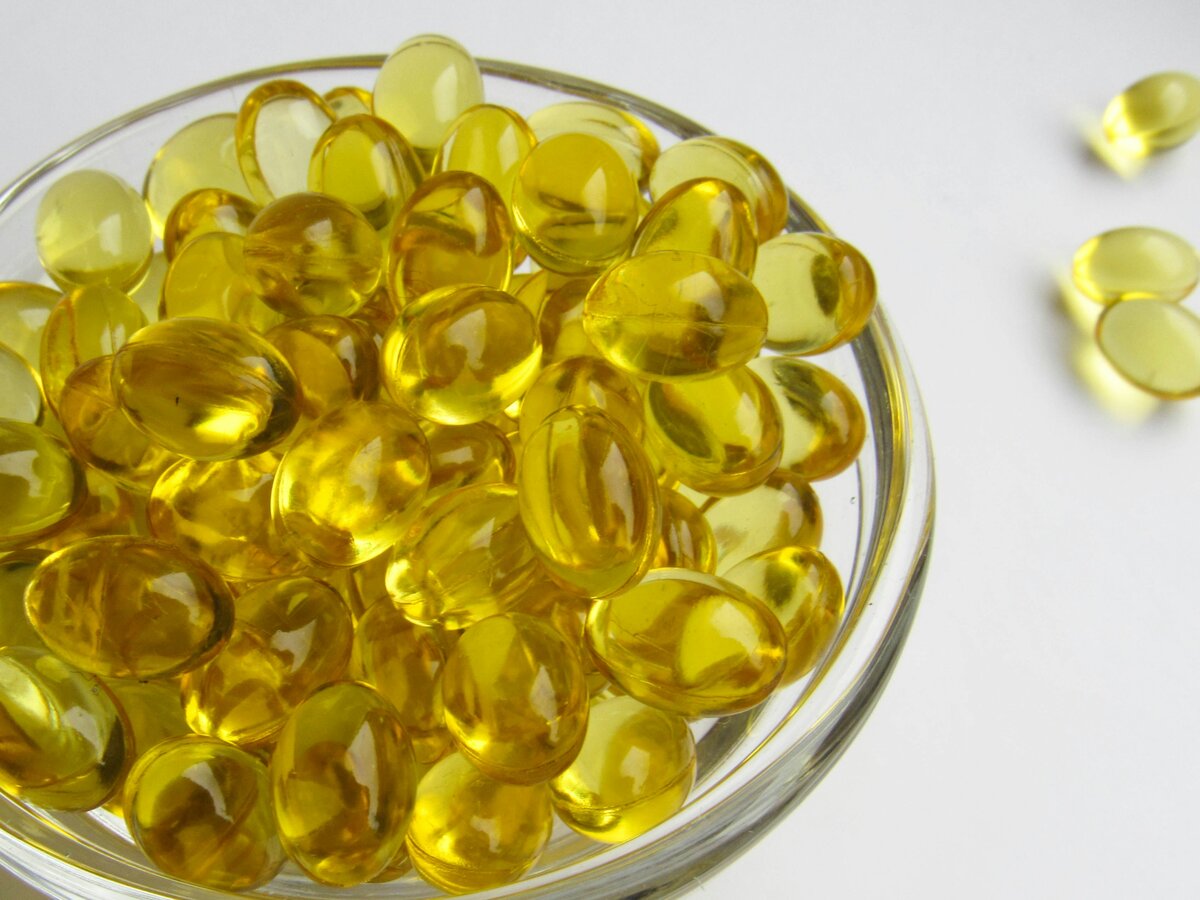
Berberine turns up in a lot of natural UTI remedy lists, usually alongside goldenseal, Oregon grape, or barberry. The pitch sounds convincing: berberine kills bacteria, bacteria cause UTIs, so berberine should fight UTIs. And the lab research does look promising at first glance.
But the story gets more complicated once you look at what actually happens when you swallow a berberine supplement. The gap between what berberine does in a petri dish and what it can do inside your urinary tract is wide, and it’s a gap that most articles on this topic skip over.
Here’s what the research actually says.
What Is Berberine?
Berberine is a bright yellow alkaloid found in several plants, including goldenseal, Oregon grape, barberry, and Chinese goldthread (Coptis chinensis). It has been used in traditional Chinese and Ayurvedic medicine for centuries, mainly for gastrointestinal infections and diarrhoea.
In recent years, berberine has gained attention for blood sugar regulation and cholesterol management. Its antibacterial properties have also drawn interest from UTI researchers, though the evidence here is still in early stages. For a broader look at berberine’s effects, see our berberine overview.
How Berberine Works Against UTI Bacteria
Berberine attacks UTI-causing bacteria through a different mechanism than most antibiotics. Instead of killing bacteria outright, berberine appears to disarm them.
It Strips Away Bacterial Grip
The most interesting finding comes from a 1988 study by Sun, Abraham, and Beachey. They discovered that berberine sulfate suppresses the production of Pap fimbriae, the tiny hair-like structures that E. coli uses to latch onto bladder cells 1. Without these fimbriae, the bacteria can’t attach to your bladder wall and are flushed out during urination.
What made this finding unusual is that berberine didn’t kill the bacteria or affect their growth rate. It selectively blocked the machinery bacteria need to cause infection. This “disarming” approach could theoretically reduce the selective pressure that drives antibiotic resistance.
It Blocks Invasion of Bladder Cells
A 2020 study by Petronio and colleagues tested berberine chloride against four strains of uropathogenic E. coli, including two from catheter-associated infections. Pre-treating the bacteria with berberine at half the MIC significantly reduced their ability to adhere to and invade human bladder cells 2.
The same study used a Galleria mellonella (wax moth larvae) model as an in vivo test. Larvae infected with berberine-treated bacteria survived significantly longer, and bacterial counts in their system dropped substantially. It’s not a human trial, but it’s a step beyond test-tube-only evidence.
It Disrupts Biofilms
Bacteria in biofilms are 100 to 1,000 times more resistant to antibiotics than free-floating bacteria. Berberine has shown it can disrupt these protective structures by interfering with quorum sensing, the chemical signalling system bacteria use to coordinate biofilm formation 3.
This is relevant for recurrent UTIs, where bacteria sometimes persist in biofilm communities inside the bladder wall, surviving antibiotic treatment and causing repeat infections.
The Clinical Evidence
Lab evidence is one thing. What about actual people with UTIs?
The Only Relevant Clinical Trial
The closest thing to clinical evidence for berberine and UTIs is a 2018 trial by Genovese and colleagues. They tested three different plant extract combinations with D-mannose in women with recurrent cystitis 4.
Two of the three groups received berberine as part of their treatment:
- Group A: Berberine + arbutin + birch extract
- Group B: Berberine + arbutin + birch + forskolin
- Group C: Proanthocyanidins (as a comparison)
Groups A and B had fewer recurrent cystitis episodes and lower bacterial loads in urine samples compared to Group C. That’s encouraging, but there’s a catch: berberine was never tested alone. There’s no way to separate berberine’s contribution from that of arbutin (the active compound in uva ursi), D-mannose, or the other ingredients.
No Standalone Human Trials
No clinical trial has ever tested berberine by itself for UTI treatment or prevention. The PeaceHealth database rates goldenseal (a berberine source) as 1 star out of 5 for UTI evidence, noting that “these herbs have not been studied for the treatment of UTIs in humans.”
This puts berberine behind cranberry, D-mannose, and even hibiscus in terms of clinical support for UTI prevention.
The Bioavailability Problem
This is where the berberine-for-UTI story runs into its biggest obstacle. Berberine has notoriously poor oral bioavailability.
When you swallow a berberine supplement, your body absorbs only about 0.37% of the dose into your bloodstream 5. The rest is broken down in your intestines or filtered out by your liver before it ever reaches systemic circulation.
But it gets worse for UTI purposes. Of the tiny amount that does reach your blood, only 0.01-0.02% of the original dose is excreted through urine 6. So from a 500 mg berberine supplement, roughly 0.05-0.1 mg might actually reach your bladder.
Compare that to the lab studies: Petronio et al. found the minimum inhibitory concentration (MIC) for uropathogenic E. coli was 1,024-2,048 micrograms per millilitre. The concentration reaching your bladder from an oral supplement is orders of magnitude below what’s needed to inhibit bacteria directly.
This same bioavailability gap is the reason why many herbal UTI remedies that look impressive in the lab (garlic, oregano oil, apple cider vinegar) fail to deliver in practice. The active compounds simply can’t reach the bladder in sufficient concentrations through oral consumption.
The Antibiotic Synergy Angle
One area where berberine shows genuine promise is as an antibiotic companion rather than a replacement. A 2023 review by Zhou and colleagues found that berberine enhances the effectiveness of several antibiotic classes including beta-lactams, quinolones, and aminoglycosides 3.
The proposed mechanisms include:
- Efflux pump inhibition: Berberine blocks the pumps bacteria use to eject antibiotics from their cells
- Biofilm disruption: Breaking down protective biofilms exposes bacteria to antibiotics
- Immune modulation: Berberine may support the body’s own immune response to infection
In some cases, combining berberine with antibiotics reversed bacterial resistance entirely. This is potentially significant for drug-resistant UTIs, which are becoming an increasing problem. But this synergy research is still mostly at the laboratory stage, not yet tested in UTI patients.
A Caution: Sub-Threshold Doses May Backfire
A striking 2025 study found that exposing E. coli to sub-inhibitory concentrations of berberine for 20 consecutive generations actually increased the bacteria’s MIC by more than 32-fold 7. The bacteria responded by upregulating csgD gene expression, which promotes biofilm formation.
This is concerning because the low concentrations reaching the bladder through oral supplementation are exactly the kind of sub-MIC exposure that could trigger this response. Rather than fighting UTIs, low-dose berberine might theoretically make bacteria harder to treat. More research is needed to know whether this lab finding translates to clinical reality, but it’s a consideration worth flagging.
Berberine vs Other Natural UTI Remedies
How does berberine compare to alternatives with stronger evidence?
D-mannose has multiple randomised controlled trials showing it reduces UTI recurrence by preventing E. coli from adhering to the bladder wall. A 2022 meta-analysis found it was as effective as antibiotic prophylaxis for preventing recurrent UTIs. For more on this comparison, see our cranberry vs D-mannose guide.
Cranberry products have the largest evidence base, with a 2023 Cochrane review of 50 trials supporting their use for UTI prevention. The risk reduction is about 27%.
Vitamin C has mixed evidence but at least has two randomised controlled trials examining its effects on UTI prevention.
Berberine, by contrast, has zero standalone clinical trials for UTI treatment or prevention.
Safety and Side Effects
Berberine is generally well tolerated at standard supplement doses (500-1,500 mg daily), but there are important considerations:
- Gastrointestinal effects: Diarrhoea, constipation, and stomach cramps are common, especially at higher doses
- Drug interactions: Berberine inhibits CYP2D6, CYP3A4, and CYP2C9 enzymes, which can increase blood levels of many prescription medications including metformin, statins, and blood thinners
- Pregnancy: Berberine can stimulate uterine contractions and should be avoided during pregnancy
- Blood sugar: Berberine lowers blood sugar, which could cause hypoglycaemia when combined with diabetes medications
- Long-term use: Some experts recommend cycling berberine (8 weeks on, 2-4 weeks off) rather than continuous use
When to See a Doctor
Berberine should never replace proper medical treatment for UTIs. See a doctor if you experience:
- Burning or pain during urination (dysuria)
- Frequent or urgent need to urinate (frequent urination)
- Cloudy, dark, or strong-smelling urine
- Blood in your urine (hematuria)
- Fever, chills, or lower back pain (which may indicate the infection has reached your kidneys)
UTIs require antibiotics. Delaying treatment while trying natural remedies increases the risk of the infection spreading to the kidneys, which can become a serious medical emergency.
Frequently Asked Questions
Can berberine cure a UTI?
No. Berberine shows strong antibacterial activity against UTI-causing bacteria in laboratory studies, but no clinical trial has tested berberine alone as a UTI treatment in humans. If you have UTI symptoms, see a doctor for proper antibiotic treatment.
How much berberine should I take for a UTI?
There is no established dosage of berberine for treating or preventing UTIs. Clinical trials that included berberine used it in combination with other ingredients like D-mannose and arbutin, not as a standalone supplement. Typical berberine supplement doses range from 500-1,500 mg daily, but this has not been validated for UTI use.
Is berberine safe to take with UTI antibiotics?
Berberine may enhance the effects of some antibiotics including ciprofloxacin and beta-lactams, which could be beneficial. However, berberine can also interact with many medications by inhibiting CYP enzymes that process drugs in the liver. Always check with your doctor before combining berberine with any prescription medication.
Is berberine better than cranberry for UTI prevention?
Cranberry has much stronger clinical evidence. A 2023 Cochrane review of 50 trials found cranberry products reduce UTI risk by about 27%. Berberine has no comparable clinical trial data for UTI prevention when used alone. D-mannose and cranberry remain better-supported options for UTI prevention.
Does goldenseal work for UTIs?
Goldenseal contains berberine, which has antibacterial properties in laboratory settings. However, goldenseal has never been tested in a clinical trial for UTI treatment or prevention. Its berberine content also has very low oral bioavailability, meaning little reaches the urinary tract after you swallow it.
Summary
Berberine for UTI is a story of strong lab potential and weak clinical delivery. The anti-adhesion mechanism is genuinely interesting, and the antibiotic synergy data opens up future research directions. But the bioavailability numbers are hard to get around: with less than 0.02% of an oral dose reaching your urine, berberine supplements are unlikely to deliver effective antibacterial concentrations to your bladder.
If you’re looking for evidence-based natural UTI prevention, cranberry products and D-mannose have far stronger clinical support. Berberine may eventually prove useful as part of a combination approach or as an antibiotic companion, but that evidence isn’t here yet.
For now, treat berberine for UTI as “promising in the lab, unproven in practice.”
References
- Sun D, Abraham SN, Beachey EH. Influence of berberine sulfate on synthesis and expression of Pap fimbrial adhesin in uropathogenic Escherichia coli. Antimicrob Agents Chemother. 1988;32(8):1274-1277. PubMed
- Petronio GP, et al. In vitro and in vivo biological activity of berberine chloride against uropathogenic E. coli strains using Galleria mellonella as a host model. Molecules. 2020;25(21):5010. PubMed
- Zhou H, Wang W, Cai L, Yang T. Potentiation and mechanism of berberine as an antibiotic adjuvant against multidrug-resistant bacteria. Infect Dis Res. 2023. PubMed
- Genovese C, et al. Effects of a new combination of plant extracts plus D-mannose for the management of uncomplicated recurrent urinary tract infections. J Chemother. 2018;30(2):107-114. PubMed
- Rauf A, et al. Berberine: a review of its pharmacokinetics properties and therapeutic potentials in diverse vascular diseases. Prog Mol Biol Transl Sci. 2022. PMC
- Chen W, et al. Pharmacokinetics and excretion of berberine and its nine metabolites in rats. Front Pharmacol. 2020;11:594852. PubMed
- Biofilm-mediated resistance to berberine in Escherichia coli. Front Cell Infect Microbiol. 2025. PubMed
Frequently Asked Questions
- Can berberine cure a UTI?
- No. Berberine shows strong antibacterial activity against UTI-causing bacteria in laboratory studies, but no clinical trial has tested berberine alone as a UTI treatment in humans. If you have UTI symptoms, see a doctor for proper antibiotic treatment.
- How much berberine should I take for a UTI?
- There is no established dosage of berberine for treating or preventing UTIs. Clinical trials that included berberine used it in combination with other ingredients like D-mannose and arbutin, not as a standalone supplement. Typical berberine supplement doses range from 500-1500 mg daily, but this has not been validated for UTI use.
- Is berberine safe to take with UTI antibiotics?
- Berberine may enhance the effects of some antibiotics including ciprofloxacin and beta-lactams, which could be beneficial. However, berberine can also interact with many medications by inhibiting CYP enzymes that process drugs in the liver. Always check with your doctor before combining berberine with any prescription medication.
- Is berberine better than cranberry for UTI prevention?
- Cranberry has much stronger clinical evidence. A 2023 Cochrane review of 50 trials found cranberry products reduce UTI risk by about 27%. Berberine has no comparable clinical trial data for UTI prevention when used alone. D-mannose and cranberry remain better-supported options for UTI prevention.
- Does goldenseal work for UTIs?
- Goldenseal contains berberine, which has antibacterial properties in laboratory settings. However, goldenseal has never been tested in a clinical trial for UTI treatment or prevention. Its berberine content also has very low oral bioavailability, meaning little reaches the urinary tract after you swallow it.
Medical Disclaimer: The information provided is for educational purposes only and should not be considered as medical advice. Always consult with a qualified healthcare professional before making any changes to your diet, supplement regimen, or treatment plan.
Was this article helpful?