Uva Ursi for UTI: Does Bearberry Actually Work?
Can uva ursi treat or prevent UTIs? We review clinical trials on bearberry for UTI, explain how arbutin works, and cover safety risks you should know.
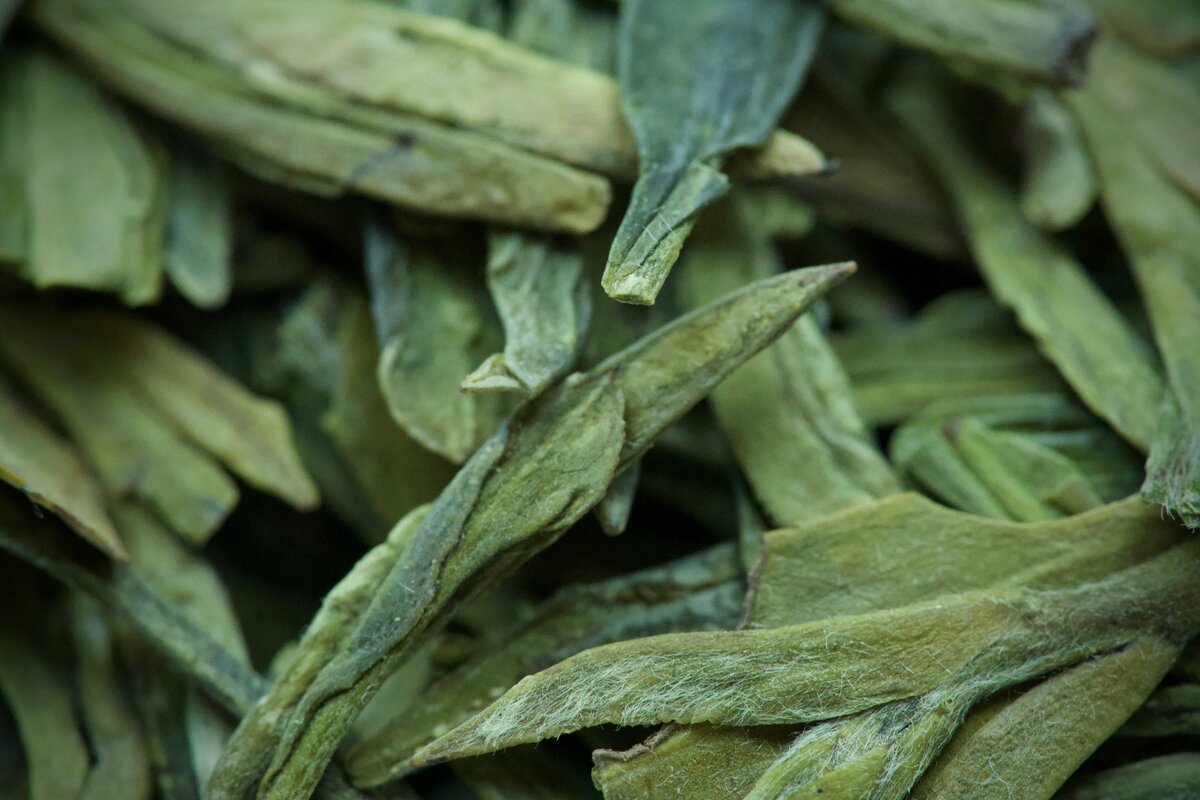
If you’ve searched for natural UTI remedies, uva ursi has probably come up. Also called bearberry, this evergreen shrub has been used for urinary complaints for centuries. Traditional healers across Europe and North America relied on its leaves long before antibiotics existed.
But does uva ursi for UTI actually hold up under modern scientific testing? The answer is more complicated than most herbal remedy websites will tell you. Lab studies look promising. Clinical trials tell a different story. And the safety profile raises real concerns that deserve attention.
Here’s what the research actually shows.
What Is Uva Ursi?
Uva ursi (Arctostaphylos uva-ursi) is a low-growing evergreen shrub found across northern Europe, Asia, and North America. The name translates to “bear’s grape” in Latin because bears eat the small red berries.
The medicinal part is the leaves, not the berries. These leathery leaves contain several active compounds:
- Arbutin (5-15% of dry weight): the main compound linked to antibacterial effects
- Tannins (15-20%): provide astringent and anti-inflammatory properties
- Flavonoids: contribute antioxidant activity
- Ursolic acid: has anti-inflammatory effects
Germany’s Commission E (their equivalent of the FDA for herbal medicines) approved uva ursi specifically for “inflammatory disorders of the lower urinary tract.” That official recognition, combined with centuries of traditional use, is why so many people reach for it when they feel a UTI coming on.
How Uva Ursi Is Supposed to Work
The proposed mechanism is straightforward: you swallow uva ursi, and your body converts its arbutin into a urinary antiseptic.
Here’s the pathway step by step:
- You take uva ursi leaves (as tea, capsule, or tincture)
- Gut bacteria hydrolyse arbutin into hydroquinone and glucose
- Your liver conjugates the hydroquinone with glucuronic acid and sulfate
- Your kidneys filter these conjugates into the bladder
- In the bladder, bacterial enzymes (beta-glucuronidase) release free hydroquinone
- The free hydroquinone acts as an antiseptic against UTI-causing bacteria
Peak antibacterial activity in the urine occurs about 3 to 4 hours after ingestion 1.
There’s a catch, though. Several researchers argue that hydroquinone needs alkaline urine (pH above 7) to be released from its conjugated form effectively. This creates a problem: normal urine pH ranges from 4.5 to 8.0, and most people’s urine sits on the acidic side. Some traditional herbalists recommend taking sodium bicarbonate alongside uva ursi to alkalinise the urine, but this introduces its own complications (see our article on baking soda for UTI for why that’s not straightforward).
Other researchers dispute the pH requirement entirely. A 2019 study on hydroquinone’s antimicrobial mechanism found it works by disrupting bacterial cell walls and membranes regardless of pH 2. The debate remains unresolved.
What Lab Studies Show
In the lab, uva ursi extracts kill an impressive range of UTI-causing bacteria. Test-tube studies have demonstrated activity against E. coli, Staphylococcus aureus, Pseudomonas aeruginosa, Proteus vulgaris, Enterobacter aerogenes, and several other pathogens 3.
A 2017 review found that uva ursi combined with green tea reduced Staphylococcus saprophyticus proliferation by about 75%. S. saprophyticus is the second most common cause of bacterial cystitis in young women.
These are real findings. The problem is that lab results don’t always translate to the human body. The concentrations used in test tubes are often much higher than what ends up in your bladder after oral ingestion. Your digestive system, liver, and kidneys all modify the compounds before they ever reach the urinary tract.
What Clinical Trials Actually Found
This is where the story gets less encouraging.
ATAFUTI Trial (2019): No Benefit for Treatment
The largest and most rigorous study of uva ursi for UTI is the ATAFUTI trial, published in Clinical Microbiology and Infection. Researchers randomised 382 women with dysuria, urgency, or frequent urination to receive either uva ursi extract (3,600 mg daily, containing 20% arbutin) or placebo for several days 4.
The results were clear:
- Symptom improvement: No significant difference between uva ursi and placebo (p=0.661)
- Antibiotic use: 39.9% in the uva ursi group vs 47.4% in the placebo group (p=0.293, not statistically significant)
- Safety: No serious adverse events in either group
In plain terms: uva ursi did not reduce UTI symptoms and did not reduce the need for antibiotics compared to a sugar pill.
Larsson Study (1993): Promising for Prevention
One older study tells a more hopeful story, but with important caveats. Larsson and colleagues gave 57 women with recurrent UTIs either a combination extract of uva ursi and dandelion root or placebo for one month, then followed them for a year 5.
The results were striking: zero recurrences in the 30 women who received the herbal combination, compared to 5 recurrences (about 20%) in the 27 women on placebo.
Before getting too excited, consider the limitations:
- Small sample: Only 57 women total
- Combination product: Uva ursi was paired with dandelion (a diuretic), so we can’t know which herb did the work, or if the combination mattered
- No replication: Despite being published over 30 years ago, no one has replicated this finding
- Prevention, not treatment: This studied prevention in women without active infection, a very different question than treating an existing UTI
REGATTA and BRUMI Trials: Still Waiting
Two newer European trials were designed to settle the question. The REGATTA trial compared uva ursi extract to fosfomycin (a single-dose antibiotic) in German general practices. The BRUMI trial planned to enrol 504 women for a similar comparison. Results from these studies could shift the evidence either way, but published outcomes are still pending 6 7.
The Gap Between Lab and Clinic
Why does uva ursi kill bacteria in a test tube but fail to help in clinical trials?
Several factors likely explain the disconnect:
Concentration problem. Lab studies expose bacteria directly to high concentrations of hydroquinone. In your body, the arbutin gets diluted, metabolised, conjugated, and filtered before a fraction reaches your bladder.
Timing issue. Peak urinary hydroquinone levels last a few hours at most. UTI bacteria embedded in biofilms on the bladder wall may need sustained exposure that oral dosing can’t maintain.
pH uncertainty. If the alkaline pH requirement is real, most people’s urine is too acidic for hydroquinone to work effectively. If it’s not real, something else is limiting its clinical effectiveness.
Biofilm protection. E. coli and other uropathogens form biofilms on the bladder lining that protect them from antimicrobial compounds. Lab studies typically test against free-floating bacteria, which are much easier to kill.
Safety and Side Effects
Uva ursi’s safety profile is the part that concerns me most, and that most herbal remedy websites gloss over.
Hydroquinone toxicity. The same compound that provides antibacterial activity is classified as a potential carcinogen and liver toxin. The European Medicines Agency recommends limiting use to no more than 14 days at a time and no more than five courses per year.
Stomach problems. The high tannin content (15-20%) commonly causes nausea, vomiting, and stomach cramps. These side effects can mimic UTI symptoms, making it harder to tell if you’re getting better or worse.
Drug interactions. Uva ursi may interact with:
- Diuretics (additive effect)
- Lithium (altered excretion)
- NSAIDs like ibuprofen
- Corticosteroids
- Medications that acidify or alkalinise urine
Who should avoid uva ursi entirely:
- Pregnant or breastfeeding women
- Children under 12
- People with kidney disease
- People with liver disease
- Anyone taking prescription medications without consulting their doctor first
If You Still Want to Try It
Given the limited evidence, I’d say uva ursi is unlikely to help treat an active UTI. But if you want to try it for prevention after discussing with your doctor, here are the standard dosing guidelines from the European Medicines Agency:
- Standardised extract: 400-840 mg arbutin daily, divided into 2-3 doses
- Dried leaf tea: 3 g of dried leaves in 150 mL of water, steeped for 15 minutes, taken 3-4 times daily
- Maximum duration: 14 days per course, no more than 5 courses per year
- Timing: Take on an empty stomach for better absorption
Some herbalists recommend eating alkaline foods (vegetables, fruits) while taking uva ursi to raise urinary pH, though the evidence for this strategy is thin.
Better-Studied Alternatives
If you’re looking for evidence-based natural approaches to UTI prevention, several options have stronger clinical backing than uva ursi:
- Cranberry products have been studied in dozens of randomised trials and may reduce recurrence by 25-30% in women with frequent UTIs. See our cranberry vs D-mannose comparison.
- D-mannose showed results comparable to the antibiotic nitrofurantoin for preventing recurrent UTIs in a 2014 trial of 308 women.
- Hibiscus extract in combination products showed strong results in a 2022 meta-analysis (OR: 0.13). Read more about hibiscus tea for UTI.
- Probiotics containing Lactobacillus strains may help restore vaginal flora and reduce UTI recurrence. Learn about their role in bladder health.
For a full overview of prevention strategies, see our guide on natural ways to prevent recurrent UTIs.
When to See a Doctor
UTIs require proper medical treatment. See a doctor if you have:
- Burning or pain during urination (dysuria)
- Blood in your urine (hematuria)
- Fever, chills, or back pain (possible kidney infection)
- Symptoms that don’t improve within 48 hours
- Recurrent infections (three or more per year)
Do not rely on uva ursi or any herbal remedy as a substitute for antibiotics when you have an active urinary tract infection. Untreated UTIs can progress to pyelonephritis (kidney infection), which is a serious medical emergency.
Frequently Asked Questions
Does uva ursi actually work for UTI?
Lab studies show uva ursi kills UTI-causing bacteria, but the largest clinical trial (382 women) found no benefit for treating active UTI symptoms. One small study suggests it may help prevent recurrent UTIs when combined with dandelion, though more research is needed.
How long can you safely take uva ursi?
Most guidelines recommend no more than 14 days at a time and no more than five courses per year. The active compound hydroquinone can damage the liver with prolonged use. Children, pregnant women, and people with kidney or liver disease should avoid it entirely.
Is uva ursi better than cranberry for UTI prevention?
Cranberry has far more clinical evidence supporting its use for UTI prevention, including multiple large randomised trials. Uva ursi has only one small prevention study (57 women). For evidence-based UTI prevention, cranberry and D-mannose have stronger research backing.
Can you take uva ursi with antibiotics?
Talk to your doctor before combining uva ursi with antibiotics. Some antibiotics like nitrofurantoin require acidic urine to work properly, while uva ursi may work better in alkaline urine. Taking both could theoretically reduce the effectiveness of either one.
What does uva ursi do in the body?
After you swallow uva ursi, gut bacteria convert its active compound arbutin into hydroquinone. Your liver processes the hydroquinone, and your kidneys excrete it into the bladder, where it acts as an antiseptic against bacteria like E. coli. This process takes about 3 to 4 hours.
Summary
Uva ursi for UTI is a case where traditional use runs ahead of clinical evidence. The herb has genuine antibacterial properties in the lab and centuries of traditional use backing it up. But when tested in rigorous clinical trials, it hasn’t proven effective for treating active urinary tract infections.
The one bright spot is a small 1993 study showing potential for UTI prevention, but that study used a combination product, involved only 57 women, and hasn’t been replicated. Newer trials (REGATTA and BRUMI) may provide clearer answers.
Meanwhile, the safety concerns around hydroquinone toxicity mean uva ursi shouldn’t be used long-term or by people with liver or kidney problems. If you’re dealing with recurrent UTIs, better-studied options like cranberry, D-mannose, and probiotics have more evidence behind them.
The bottom line: uva ursi probably won’t hurt you in short courses, but it probably won’t help your UTI either. Talk to your doctor about proven prevention strategies instead.
References
- Schindler G, et al. Urinary excretion and metabolism of arbutin after oral administration of Arctostaphylos uvae ursi extract. J Clin Pharmacol. 2002;42(8):920-927. PubMed
- Choi O, et al. Antimicrobial mechanism of hydroquinone. Curr Microbiol. 2019;76(7):834-840. PubMed
- Uva Ursi uses, benefits and dosage. Drugs.com. Drugs.com
- Moore M, et al. Uva-ursi extract and ibuprofen as alternative treatments for uncomplicated urinary tract infection in women (ATAFUTI): a factorial randomized trial. Clin Microbiol Infect. 2019;25(5):643-647. PubMed
- Larsson B, et al. Prophylaxis against infection in catheterized patients: a comparative study. Curr Ther Res. 1993;53:441-443.
- Wagenlehner FM, et al. Reducing antibiotic use for uncomplicated urinary tract infection in general practice by treatment with uva-ursi (REGATTA). BMC Complement Altern Med. 2018;18(1):203. PMC
- Lenger SM, et al. Bearberry in the treatment of acute uncomplicated cystitis (BRUMI): protocol of a multicentre, randomised double-blind clinical trial. BMJ Open. 2022;12(6):e060528. PMC
Frequently Asked Questions
- Does uva ursi actually work for UTI?
- Lab studies show uva ursi kills UTI-causing bacteria, but the largest clinical trial (382 women) found no benefit for treating active UTI symptoms. One small study suggests it may help prevent recurrent UTIs when combined with dandelion, though more research is needed.
- How long can you safely take uva ursi?
- Most guidelines recommend no more than 14 days at a time and no more than five courses per year. The active compound hydroquinone can damage the liver with prolonged use. Children, pregnant women, and people with kidney or liver disease should avoid it entirely.
- Is uva ursi better than cranberry for UTI prevention?
- Cranberry has far more clinical evidence supporting its use for UTI prevention, including multiple large randomised trials. Uva ursi has only one small prevention study (57 women). For evidence-based UTI prevention, cranberry and D-mannose have stronger research backing.
- Can you take uva ursi with antibiotics?
- Talk to your doctor before combining uva ursi with antibiotics. Some antibiotics like nitrofurantoin require acidic urine to work properly, while uva ursi may work better in alkaline urine. Taking both could theoretically reduce the effectiveness of either one.
- What does uva ursi do in the body?
- After you swallow uva ursi, gut bacteria convert its active compound arbutin into hydroquinone. Your liver processes the hydroquinone, and your kidneys excrete it into the bladder, where it acts as an antiseptic against bacteria like E. coli. This process takes about 3 to 4 hours.
Medical Disclaimer: The information provided is for educational purposes only and should not be considered as medical advice. Always consult with a qualified healthcare professional before making any changes to your diet, supplement regimen, or treatment plan.
Was this article helpful?