Hibiscus Tea for UTI: Can It Help?
Does hibiscus tea help prevent UTIs? We review the clinical trials, antibacterial mechanisms, and practical dosing advice for this traditional remedy.
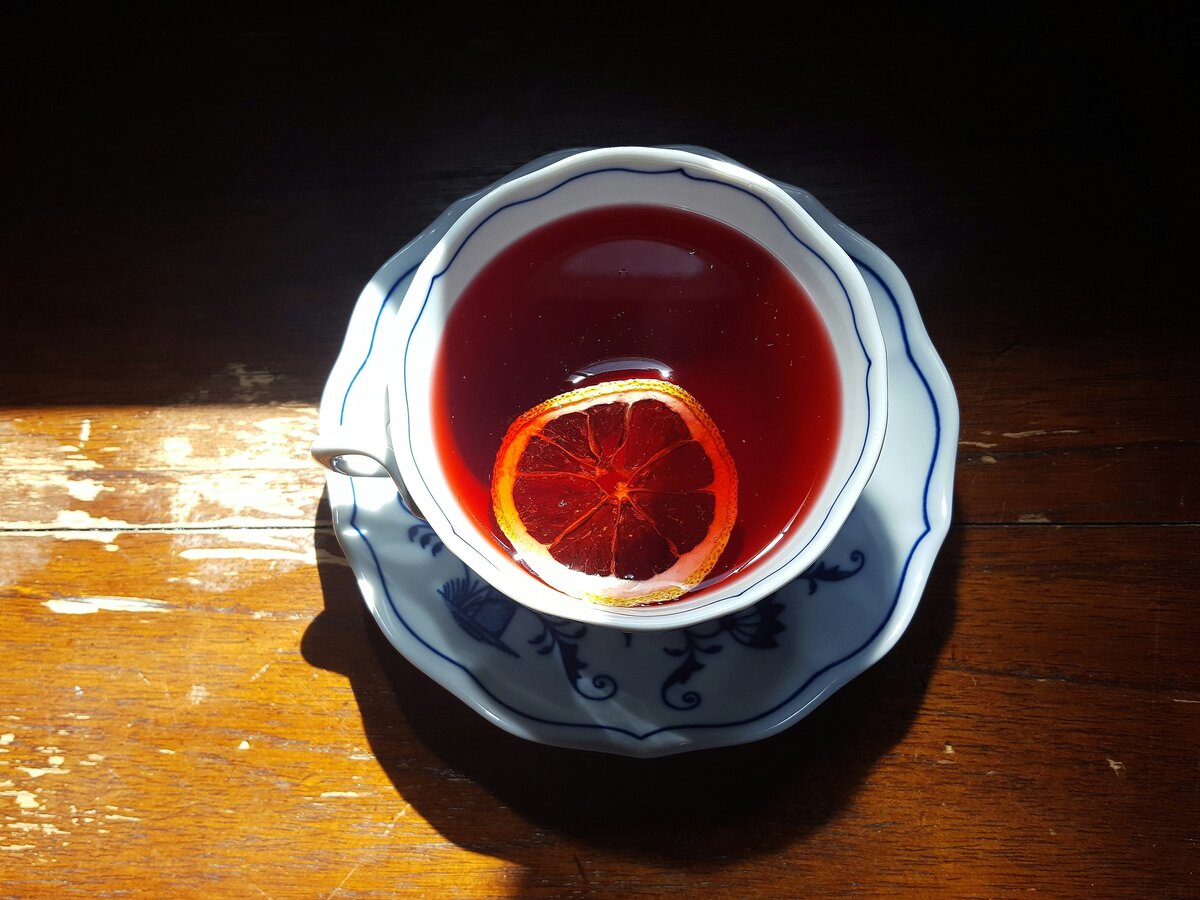
Hibiscus tea for UTI prevention is gaining attention as antibiotic resistance makes recurrent infections harder to treat. The deep red tea brewed from Hibiscus sabdariffa (also called roselle) has been used in traditional medicine across Africa, Southeast Asia, and Central America for urinary problems for centuries. But does modern research support this?
The short answer: there’s more evidence than you might expect, though some important gaps remain. Several clinical trials, a meta-analysis, and lab studies point to real antibacterial activity against the exact bacteria that cause most urinary tract infections. Here’s what we know and what’s still uncertain.
How Hibiscus Works Against UTI-Causing Bacteria
The antibacterial effects of hibiscus aren’t based on a single compound. The calyces (the fleshy part used for tea) contain anthocyanins like delphinidin and cyanidin, flavonoids including gossypetin and quercetin, and organic acids. These work through at least three known pathways.
First, hibiscus disrupts bacterial cell membranes. A 2024 review in Pharmaceuticals found that hibiscus extracts had minimum inhibitory concentrations (MIC) as low as 0-4 mg/ml against uropathogenic E. coli and Klebsiella pneumoniae, the two bacteria responsible for over 85% of bladder infections 1.
Second, it blocks biofilm formation. Biofilms are the slimy shields bacteria build on bladder walls to protect themselves from antibiotics and your immune system. They’re a major reason recurrent UTIs keep coming back. That same review found hibiscus extract reduced biofilm density by 8-60% depending on the bacterial strain 1.
Third, and this one surprised researchers, hibiscus forces bacteria into a dysfunctional elongated shape called filamentation. A 2019 study in PLOS ONE exposed E. coli to hibiscus extract and observed the bacteria stretching into long filaments, similar to what the antibiotic ceftazidime does. The extract also blocked 99.6% of bacterial pedestal formation (the structures E. coli uses to anchor to cells) after just three hours of exposure 2.
What Clinical Trials Show
Unlike many herbal UTI remedies that rely entirely on test-tube evidence, hibiscus has been tested in actual patients across several trials.
The Long-Term Care Study
A Taiwanese study gave roselle drinks to residents in long-term care facilities who had urinary catheters, a population with extremely high UTI rates. Clinical observation showed reduced UTI incidence among those drinking roselle regularly. The researchers also demonstrated the mechanism in mice: hibiscus suppressed the NF-kB inflammatory pathway and reduced kidney inflammation markers in a dose-dependent manner 3.
Hibiscus Combination for Recurrent UTI
A phase II trial enrolled 55 women (average age 49) with recurrent UTIs and gave them a tablet containing hibiscus extract, vegetable proteases, and Commiphora myrrha extract. They took two tablets daily for one week, then one tablet daily for ten days each month, for six months total.
The results: 49% of participants had zero UTI episodes during the six-month follow-up. The median number of infections dropped from five per six months to two. Quality of life improved significantly in 84.3% of participants (p < 0.001), and 58.8% achieved sterile urine cultures 4.
D-Mannose Plus Hibiscus After Urodynamic Testing
A study of 100 women given D-mannose, hibiscus, and Lactobacillus plantarum for 14 days after an invasive urodynamic procedure found a 13% UTI rate with no adverse effects. While the lack of a control group limits conclusions, the infection rate was lower than typical post-procedure rates 5.
The XHP Meta-Analysis
The strongest evidence comes from a 2022 systematic review and meta-analysis in Antibiotics that pooled data from three randomised controlled trials (178 patients total) testing a combination of xyloglucan, hibiscus, and propolis against placebo for uncomplicated cystitis.
The combined treatment was significantly more effective than placebo (OR: 0.13, 95% CI: 0.05-0.33, p < 0.0001). Adverse events were also lower in the treatment group, mostly limited to mild gastrointestinal symptoms. The researchers described it as an “antibiotic-sparing approach” for managing uncomplicated lower urinary tract infections 6.
An Honest Look at the Limitations
Reading the section above, you might think hibiscus is a proven UTI remedy. It’s not quite that simple.
Every clinical trial tested hibiscus as part of a combination product, not as a standalone ingredient. The long-term care study was observational, not randomised. We can’t separate how much of the benefit came from hibiscus versus the D-mannose, propolis, proteases, or probiotics it was paired with.
The meta-analysis pooled just 178 patients across three trials. That’s enough to suggest a signal worth pursuing but not enough to change clinical guidelines. For comparison, the Cochrane review on cranberry for UTI prevention included over 7,000 participants.
There’s also the tea versus extract question. Most studies used standardised hibiscus extracts at specific doses (typically 200 mg of extract). Brewing a cup of hibiscus tea gives you an unpredictable concentration of active compounds depending on the amount of calyces, water temperature, and steeping time. Nobody has run a clinical trial comparing cups of brewed hibiscus tea against placebo for UTI prevention.
Anti-Inflammatory Benefits for the Urinary Tract
Beyond direct antibacterial action, hibiscus may help the urinary tract through its anti-inflammatory properties. The Taiwanese study showed that roselle extract suppressed NF-kB activation and reduced pro-inflammatory cytokines (IL-1-beta, TNF-alpha) in kidney tissue 3.
This matters because chronic inflammation in the bladder wall can make it more susceptible to bacterial colonisation. People who experience painful urination with recurrent infections may benefit from both the antibacterial and anti-inflammatory effects working together.
Hibiscus also contains quercetin, one of the flavonoids we’ve covered in the context of bladder health supplements. Quercetin has its own body of evidence for reducing urinary tract inflammation, which may explain some of the broader benefits seen in hibiscus research.
How to Use Hibiscus Tea for Urinary Health
If you want to try hibiscus tea as part of a UTI prevention strategy, here’s what the evidence and traditional use suggest.
Brewing method: Use 1.5-2 grams of dried hibiscus calyces per cup (about one tablespoon). Steep in water just off the boil for 5-10 minutes. The tea should be a vivid deep red. Longer steeping extracts more polyphenols but also more tartness.
Frequency: Traditional use and the limited clinical data point to 2-3 cups daily. The extract-based studies used daily dosing, so consistency seems more important than occasional large doses.
What to look for: Buy whole dried hibiscus calyces or tea bags listing Hibiscus sabdariffa as the only or primary ingredient. Many “hibiscus” blends contain mostly rosehips or other fillers. The colour is a giveaway: pure hibiscus tea is intensely red.
Standardised extract option: If you want dosing closer to what the clinical trials used, look for hibiscus extract supplements standardised to anthocyanin content. Typical study doses were 200 mg daily.
Safety and Drug Interactions
Hibiscus tea is widely consumed worldwide and is generally considered safe, but there are some groups who should be cautious.
Blood pressure effects: Hibiscus can lower blood pressure. A 2015 review of five randomised trials found it reduced systolic blood pressure by an average of 7.58 mmHg. If you already take antihypertensive medication, adding significant hibiscus consumption could cause blood pressure to drop too low 7.
Pregnancy: Animal studies suggest hibiscus may have anti-estrogenic effects at high doses. Most medical sources recommend pregnant women avoid hibiscus tea.
Drug interactions: Hibiscus may interact with chloroquine (reducing its absorption by about 27%), diuretics (additive effect), and acetaminophen (may alter how the liver processes it). Check with your pharmacist if you take regular medications.
Kidney concerns: While hibiscus appears to protect kidney tissue from inflammation, people with existing kidney disease should consult their doctor before regular use.
How Hibiscus Compares to Other UTI Remedies
Hibiscus sits in an interesting middle ground. It has more clinical evidence than many popular home remedies like apple cider vinegar or baking soda, which have essentially no clinical support for UTI treatment. But it has less evidence than cranberry or D-mannose, which have multiple standalone trials.
Where hibiscus may have an edge is its multi-target approach. It fights bacteria directly, disrupts biofilms, reduces inflammation, and may support the urinary tract’s natural defences. Most other single ingredients target just one of these pathways.
The European approach of combining hibiscus with D-mannose and probiotics reflects this thinking. Instead of looking for one magic bullet, these combination products try to address multiple steps in the infection process. The clinical data so far supports this strategy.
When to See a Doctor
Hibiscus tea is a preventive tool, not a treatment for active infection. See a doctor right away if you experience:
- Burning or pain during urination that doesn’t resolve within 24 hours
- Blood in your urine
- Fever, chills, or flank pain (possible kidney infection)
- More than two UTIs in six months or three in a year
- Symptoms that return within two weeks of finishing antibiotics
Urinary tract infections can progress to kidney infections if left untreated. No herbal remedy, including hibiscus, should delay appropriate antibiotic therapy when it’s needed.
Frequently Asked Questions
Can hibiscus tea cure a UTI?
No. Hibiscus tea may help prevent recurrent UTIs, but it cannot replace antibiotics for treating an active infection. If you have UTI symptoms like burning urination, fever, or blood in your urine, see a doctor promptly.
How much hibiscus tea should I drink for UTI prevention?
Clinical studies used standardised hibiscus extracts at 200 mg per day rather than brewed tea. If drinking tea, 2-3 cups daily is a common traditional recommendation, but no clinical trial has tested this specific dose for UTI prevention.
Is hibiscus tea safe for everyone?
Hibiscus can lower blood pressure and may interact with antihypertensive medications, diuretics, and chloroquine. Pregnant women should avoid hibiscus tea due to potential effects on hormone levels. People with low blood pressure or scheduled surgery should also use caution.
Does hibiscus tea work better than cranberry for UTIs?
No head-to-head trial has compared hibiscus tea directly with cranberry for UTI prevention. Both have antibacterial properties against E. coli, but they work through different mechanisms. Some European products combine hibiscus with other ingredients like D-mannose for a multi-target approach.
Can I take hibiscus tea with antibiotics?
Hibiscus tea is generally considered safe alongside most antibiotics, and some researchers have proposed it as a complementary approach. However, hibiscus may affect how your body processes certain drugs, so check with your doctor or pharmacist before combining them.
Summary
Hibiscus tea for UTI prevention has more scientific backing than most people realise. Clinical trials show promising results when hibiscus extract is combined with other natural ingredients, with one meta-analysis finding the combination significantly outperformed placebo. Lab studies reveal multiple mechanisms: direct antibacterial activity against uropathogenic E. coli, biofilm disruption, bacterial filamentation, and anti-inflammatory effects on kidney and bladder tissue.
The main caveat is that no trial has tested hibiscus tea alone for UTI prevention. The evidence supports standardised extracts in combination products rather than casual tea drinking. Still, hibiscus tea is safe for most people, inexpensive, and widely available. As part of a broader prevention strategy that includes adequate hydration, proven supplements like D-mannose, and good urinary habits, it’s a reasonable addition to your routine.
References
- El-Tantawy WH, Soliman ND. A comprehensive review of the antimicrobial effects of Hibiscus species. Pharmaceuticals. 2024. PMC
- Marques CN, et al. Aqueous extract of Hibiscus sabdariffa inhibits pedestal induction by enteropathogenic E. coli and promotes bacterial filamentation in vitro. PLOS ONE. 2019;14(3):e0213580. PMC
- Chen JH, et al. Exploring the effect and mechanism of Hibiscus sabdariffa on urinary tract infection and experimental renal inflammation. J Ethnopharmacol. 2017;195:252-259. PubMed
- Ferrara M, et al. Hibiscus extract, vegetable proteases and Commiphora myrrha are useful to prevent symptomatic UTI episode in patients affected by recurrent uncomplicated urinary tract infections. Arch Ital Urol Androl. 2018;90(3):203-207. PubMed
- Di Pasquale R, et al. Effectiveness of D-mannose, Hibiscus sabdariffa and Lactobacillus plantarum therapy in prevention of infectious events following urodynamic study. Urologia. 2020;87(3):122-126. PubMed
- Salvatore S, et al. Xyloglucan, Hibiscus and Propolis in the management of uncomplicated lower urinary tract infections: a systematic review and meta-analysis. Antibiotics. 2022;11(2):144. PMC
- Serban C, et al. Effect of sour tea (Hibiscus sabdariffa L.) on arterial hypertension: a systematic review and meta-analysis of randomized controlled trials. J Hypertens. 2015;33(6):1119-1127. PubMed
Frequently Asked Questions
- Can hibiscus tea cure a UTI?
- No. Hibiscus tea may help prevent recurrent UTIs, but it cannot replace antibiotics for treating an active infection. If you have UTI symptoms like burning urination, fever, or blood in your urine, see a doctor promptly.
- How much hibiscus tea should I drink for UTI prevention?
- Clinical studies used standardised hibiscus extracts at 200 mg per day rather than brewed tea. If drinking tea, 2-3 cups daily is a common traditional recommendation, but no clinical trial has tested this specific dose for UTI prevention.
- Is hibiscus tea safe for everyone?
- Hibiscus can lower blood pressure and may interact with antihypertensive medications, diuretics, and chloroquine. Pregnant women should avoid hibiscus tea due to potential effects on hormone levels. People with low blood pressure or scheduled surgery should also use caution.
- Does hibiscus tea work better than cranberry for UTIs?
- No head-to-head trial has compared hibiscus tea directly with cranberry for UTI prevention. Both have antibacterial properties against E. coli, but they work through different mechanisms. Some European products combine hibiscus with other ingredients like D-mannose for a multi-target approach.
- Can I take hibiscus tea with antibiotics?
- Hibiscus tea is generally considered safe alongside most antibiotics, and some researchers have proposed it as a complementary approach. However, hibiscus may affect how your body processes certain drugs, so check with your doctor or pharmacist before combining them.
Medical Disclaimer: The information provided is for educational purposes only and should not be considered as medical advice. Always consult with a qualified healthcare professional before making any changes to your diet, supplement regimen, or treatment plan.
Was this article helpful?