Cranberry vs D-Mannose for UTI Prevention: What Works?
Comparing cranberry vs D-mannose for UTI prevention based on the latest clinical trials, including the 2024 JAMA study on D-mannose.
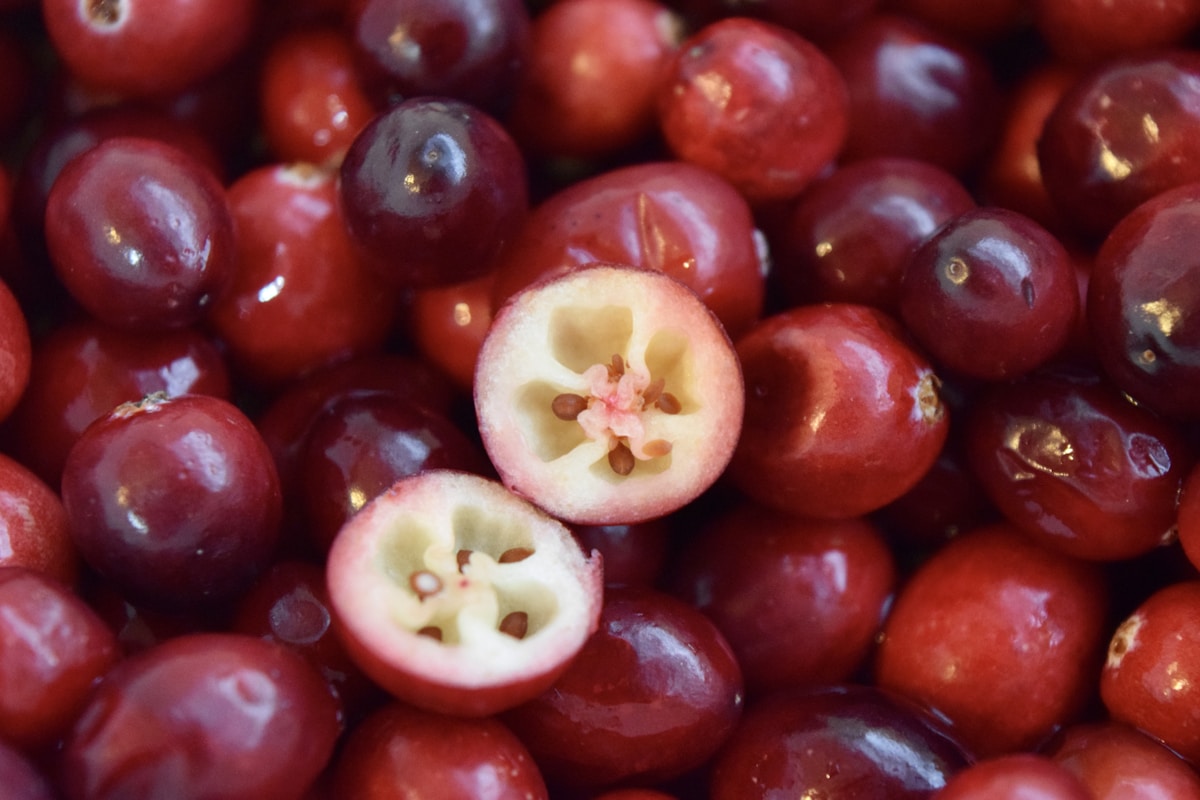
If you’ve been dealing with recurrent UTIs, you’ve probably seen both cranberry and D-mannose recommended everywhere from health blogs to pharmacy shelves. Both are marketed as natural UTI prevention tools, and both have some scientific logic behind them. But a major 2024 clinical trial has shaken up the conversation about D-mannose, and I think it’s worth looking at where the evidence actually stands in the cranberry vs D-mannose debate.
I’ll break down the research on each, including what a trial of nearly 600 women found about D-mannose, and help you figure out which option (if either) makes sense for your situation.
How UTIs Happen and Why These Supplements Might Help
Most urinary tract infections start the same way. Uropathogenic E. coli bacteria, which normally live in the gut, migrate to the urethra and latch onto the cells lining the urinary tract. Once attached, they multiply, form colonies, and trigger the burning, urgency, and frequency that make UTIs so miserable.
Both cranberry and D-mannose aim to prevent that initial attachment step. The idea is simple: if bacteria can’t stick, they get flushed out with normal urination before an infection takes hold. But they work through different mechanisms, which is why comparing cranberry vs D-mannose isn’t as straightforward as it might seem.
How Cranberry Works
Cranberries contain compounds called proanthocyanidins (PACs), specifically A-type PACs. These molecules interfere with the hair-like structures (P-fimbriae) that E. coli bacteria use to grip the urinary tract wall 1.
Think of it like coating a surface with something slippery. The bacteria can still reach the bladder, but they can’t get a good hold on it.
What the research says about cranberry
The evidence for cranberry has gotten stronger in recent years:
-
A 2023 Cochrane review of 50 trials and 8,857 participants found cranberry products reduced UTI risk by about 26% overall, with stronger effects in women with recurrent UTIs and in children 1.
-
A 2024 meta-analysis in Frontiers in Nutrition looked at PAC dosing specifically. When daily PAC intake hit at least 36mg, UTI risk dropped by 18%. Below that threshold, the benefit disappeared 2.
-
The same analysis found cranberry products needed to be taken for 12-24 weeks to show significant results. Short-term use didn’t produce measurable benefits 2.
That 36mg PAC threshold matters. Many cranberry juice cocktails and cheap supplements don’t come close. If you’re going the cranberry route, look for products that list standardized PAC content on the label. For a deeper dive on cranberry, see our full cranberry article.
How D-Mannose Works
D-mannose is a simple sugar (related to glucose) that the body doesn’t metabolize the same way. Most of it passes through unchanged and ends up in your urine. The theory is that E. coli bacteria with type 1 fimbriae prefer to bind to mannose rather than to bladder cells. So flooding the urinary tract with D-mannose gives bacteria a decoy target, and they get washed out during urination 3.
It’s a reasonable mechanism. The problem is what happened when researchers tested it properly.
The 2024 JAMA trial that changed things
The biggest study on D-mannose was published in JAMA Internal Medicine in April 2024, and the results were disappointing 4.
Here’s what the trial looked like:
- 598 women with recurrent UTIs, recruited from 99 primary care centres across the UK
- Randomized to either 2g of D-mannose daily or placebo for 6 months
- Double-blinded (neither patients nor doctors knew who got what)
The results: 51% of women taking D-mannose had a UTI during the 6-month period, compared to 55.7% on placebo. That’s a tiny difference, and it wasn’t statistically significant.
This matters because it’s the largest, best-designed D-mannose trial we have. Earlier studies that showed positive results were small (some had fewer than 100 participants) and often lacked proper blinding or placebo controls 3.
For more on D-mannose specifically, including its other potential benefits, see our D-mannose article.
Cranberry vs D-Mannose: Head-to-Head Comparison
Only one study has directly pitted cranberry against D-mannose in the same trial. A 2023 study published in Frontiers in Microbiology tested both against uropathogenic E. coli using kidney cell cultures. Cranberry with soluble PAC showed significantly greater anti-adhesion activity than D-mannose against two different E. coli strains 5.
This was a lab study, not a clinical trial, so we should be cautious about drawing strong conclusions. But combined with the larger body of clinical evidence, the picture is tilting toward cranberry.
| Factor | Cranberry (with PAC) | D-Mannose |
|---|---|---|
| Mechanism | Blocks P-fimbriae attachment | Blocks type 1 fimbriae attachment |
| Largest trial size | 8,857 participants (Cochrane review) | 598 participants (JAMA 2024) |
| UTI reduction | ~26% in meta-analysis | Not significant vs placebo |
| Minimum effective dose | 36mg PAC daily | Unclear (2g/day failed in JAMA trial) |
| Time to benefit | 12-24 weeks | Unknown |
| Cost per month | $10-25 (standardized supplements) | $15-30 |
What About Taking Both Together?
This is where it gets interesting. Since cranberry and D-mannose target different bacterial attachment mechanisms (P-fimbriae vs type 1 fimbriae), there’s a theoretical case for combining them.
A 2020 pilot study tested the combination. When cranberry extract plus D-mannose was added to antibiotic treatment for active UTIs, cure rates at day 7 were higher (91.6% vs 84.4%). The effect was even more pronounced in antibiotic-resistant strains, where adding the combination boosted cure rates from 37.5% to 88.8% 6.
Another trial combined Lactobacillus paracasei with cranberry and D-mannose and found it effective for preventing recurrent UTIs in premenopausal women 7.
These are small studies, and we shouldn’t overstate the findings. But the combination approach makes biological sense, even if D-mannose alone didn’t perform well in the JAMA trial.
Safety and Side Effects
Both supplements are generally well-tolerated, but there are a few things to watch for.
Cranberry: The main concern is interaction with warfarin and other blood thinners. Cranberry can affect how the liver processes these drugs. People with a history of kidney stones should also be cautious, as cranberry increases urinary oxalate levels. Digestive upset (stomach cramps, diarrhea) can happen at high doses.
D-mannose: Being a sugar, D-mannose may affect blood glucose in people with diabetes, though the amount absorbed is small. Common side effects include bloating, loose stools, and mild nausea. The JAMA trial reported similar side effect rates between D-mannose and placebo groups, suggesting it’s at least safe 4.
So Which Should You Take?
Based on the current evidence, here’s my honest assessment:
If you’re choosing one supplement, cranberry with standardized PAC content (at least 36mg daily) has the stronger evidence base. The Cochrane review across 50 trials is hard to argue with.
If cranberry alone isn’t enough, adding D-mannose might provide additional coverage by blocking a different bacterial attachment pathway. The combination data is preliminary but promising.
If you’ve been taking D-mannose alone, the 2024 JAMA trial suggests it may not be doing much on its own. Consider switching to or adding a PAC-standardized cranberry product.
If you’re prone to kidney stones or take blood thinners, discuss cranberry with your doctor before starting. D-mannose doesn’t carry those same risks.
And regardless of which supplement you choose, the basics still matter: staying hydrated (best drinks for bladder health), proper hygiene, and not holding urine for extended periods. For more on natural UTI prevention strategies, we have a separate guide.
When to See a Doctor
Supplements are for prevention, not treatment. If you’re experiencing symptoms of a UTI (burning with urination, strong urgency, cloudy or bloody urine, pelvic pain), you need antibiotics, not cranberry or D-mannose. Dysuria and other urinary symptoms always warrant medical evaluation.
See your doctor if:
- You get three or more UTIs in a year
- Symptoms don’t improve within 48 hours of starting antibiotics
- You have fever, back pain, or nausea alongside UTI symptoms (possible kidney infection)
- You’re pregnant and suspect a UTI
For a broader look at bladder health supplements, see our guide on the best supplements for bladder health.
Frequently Asked Questions
Is cranberry or D-mannose better for UTI prevention?
Based on current evidence, cranberry with at least 36mg of proanthocyanidins (PAC) daily has stronger clinical support. The 2023 Cochrane review of 50 trials found cranberry reduced UTI risk by about 26%, while the 2024 JAMA trial of 598 women found D-mannose performed no better than placebo for preventing recurrent UTIs.
Can I take cranberry and D-mannose together?
Yes, and there’s a reasonable case for it. They target different bacterial attachment mechanisms (P-fimbriae and type 1 fimbriae respectively). A 2020 pilot study found the combination enhanced antibiotic effectiveness, especially against resistant strains 6. Talk to your doctor before combining supplements.
How much cranberry PAC do I need to prevent UTIs?
At least 36mg of proanthocyanidins per day. The 2024 Frontiers in Nutrition meta-analysis found no significant UTI reduction below this threshold 2. Many cranberry juice products contain far less than this. Check the label for standardized PAC content rather than just “cranberry extract.”
Is D-mannose safe to take long term?
D-mannose was well-tolerated in the 6-month JAMA trial, with side effects similar to placebo 4. The most common issues are mild bloating or loose stools. People with diabetes should use caution since D-mannose is a simple sugar. There’s limited data beyond 6 months of continuous use.
Why did the 2024 JAMA study say D-mannose doesn’t work?
The trial randomized 598 women with recurrent UTIs to either 2g daily D-mannose or placebo for 6 months. The UTI rates were 51% and 55.7% respectively, a difference too small to be statistically meaningful 4. Earlier positive studies were much smaller and less rigorously designed, which likely inflated the apparent benefit.
Summary
The cranberry vs D-mannose question has gotten clearer in recent years. Cranberry products with standardized PAC content (36mg+ daily) have solid evidence from large reviews. D-mannose, despite its logical mechanism, didn’t beat placebo in the largest trial to date. The combination of both may offer broader protection, but that evidence is still early. Whatever you choose, supplements work best alongside good hydration, hygiene, and medical care when symptoms arise.
References
- Williams G, et al. Cranberries for preventing urinary tract infections. Cochrane Database Syst Rev. 2023. PubMed
- Li Y, et al. Preventive effect of cranberries with high dose of proanthocyanidins on urinary tract infections: a meta-analysis and systematic review. Front Nutr. 2024. PubMed
- Lenger SM, et al. D-mannose for preventing and treating urinary tract infections. Cochrane Database Syst Rev. 2022. PubMed
- Harding C, et al. D-Mannose for Prevention of Recurrent Urinary Tract Infection Among Women: A Randomized Clinical Trial. JAMA Intern Med. 2024. PubMed
- Terlizzi ME, et al. Cranberry, but not D-mannose and ibuprofen, prevents against uropathogenic Escherichia coli-induced cell damage. Front Microbiol. 2023. PubMed
- Salinas-Casado J, et al. Combination of cranberry extract and D-mannose - possible enhancer of uropathogen sensitivity to antibiotics in acute therapy of urinary tract infections. Arch Esp Urol. 2020. PubMed
- Montorsi F, et al. Efficacy of an orally administered combination of Lactobacillus paracasei LC11, cranberry and D-mannose for the prevention of recurrent UTIs in women. Eur Rev Med Pharmacol Sci. 2020. PubMed
Frequently Asked Questions
- Is cranberry or D-mannose better for UTI prevention?
- Based on current evidence, cranberry with at least 36mg of proanthocyanidins (PAC) has stronger clinical support. A 2024 JAMA trial found D-mannose performed no better than placebo, while a 2023 Cochrane review found cranberry reduced UTI risk by about 26%.
- Can I take cranberry and D-mannose together?
- Yes, some studies suggest the combination may work better than either alone. They target different bacterial attachment mechanisms, so they could offer broader protection. Talk to your doctor before combining supplements.
- How much cranberry PAC do I need to prevent UTIs?
- Research suggests at least 36mg of proanthocyanidins (PAC) per day. A 2024 meta-analysis found no significant UTI reduction with doses below this threshold. Check supplement labels for standardized PAC content.
- Is D-mannose safe to take long term?
- D-mannose is generally well-tolerated in short to medium term use. The most common side effects are mild digestive symptoms like bloating or loose stools. People with diabetes should use caution as it is a sugar that may affect blood glucose levels.
- Why did the 2024 JAMA study say D-mannose doesn't work?
- The 2024 JAMA trial of 598 women found that 51% taking D-mannose experienced a UTI over 6 months compared to 55.7% on placebo, a difference that was not statistically significant. This was the largest, most rigorous trial on D-mannose to date.
Medical Disclaimer: The information provided is for educational purposes only and should not be considered as medical advice. Always consult with a qualified healthcare professional before making any changes to your diet, supplement regimen, or treatment plan.
Was this article helpful?