Garlic for UTI: Can It Really Help?
Does garlic work for UTIs? We review allicin research, lab evidence, antibiotic synergy studies, and why eating garlic may not reach your bladder.
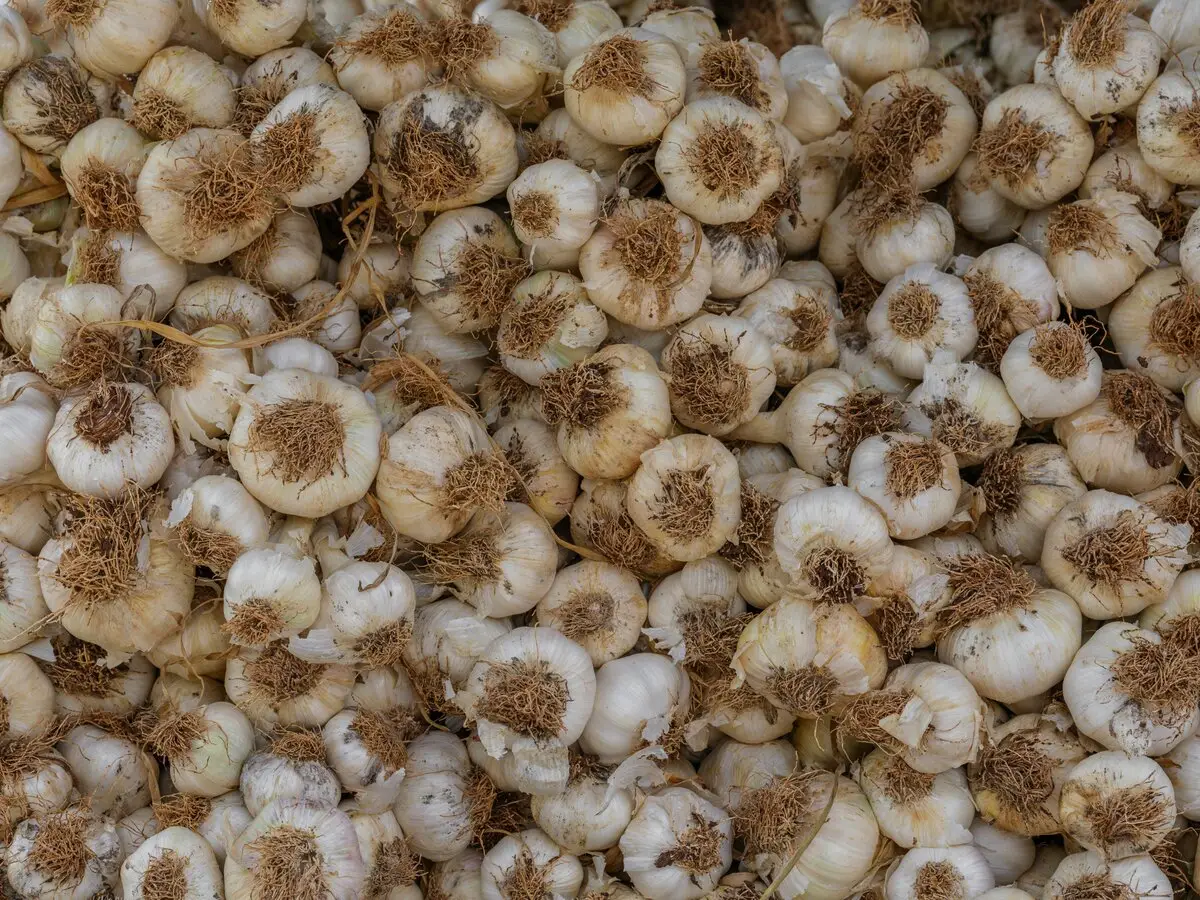
Garlic shows up in almost every list of natural UTI remedies. The logic sounds reasonable: garlic kills bacteria, UTIs are caused by bacteria, so garlic should help with UTIs. But the reality is more complicated than that.
The research on garlic for UTI is a story of two halves. In the laboratory, garlic’s active compound allicin is genuinely impressive against urinary tract infection-causing bacteria. In the real world, we have almost no evidence that eating garlic or swallowing garlic capsules can deliver those same results to your bladder.
Here’s what the science actually shows, and where the gaps are.
What Makes Garlic Antimicrobial?
Garlic’s antibacterial power comes mainly from allicin, a sulfur compound produced when you crush or chop a fresh clove. Allicin disrupts bacterial cell membranes, interferes with enzymes that bacteria need to survive, and generates oxidative stress that damages bacterial DNA 1.
The catch is that allicin is unstable. It starts breaking down within minutes of being produced and degrades further during cooking, digestion, and absorption. By the time garlic compounds reach your bloodstream, allicin itself is largely gone, replaced by breakdown products like diallyl sulfides and ajoene. Whether those metabolites retain enough antibacterial activity in the urinary tract is an open question.
The Lab Evidence Is Impressive
In test-tube studies, garlic performs remarkably well against UTI-causing bacteria. A 2015 study from the Birla Institute of Technology and Sciences tested garlic extract against 166 bacterial strains isolated from patients with UTIs. Of those strains, 56% showed high resistance to standard antibiotics. But 82% of those antibiotic-resistant bacteria were still susceptible to crude garlic extract 2.
That result is striking. In a world where antibiotic-resistant UTIs are a growing problem, a natural compound that can inhibit bacteria where drugs fail would be valuable.
A 2022 study from Guangzhou Medical University went deeper, testing allicin specifically against E. coli (the bacteria behind roughly 80% of UTIs). The researchers found that allicin suppressed the MALT1/NF-kB inflammatory pathway in both cell cultures and in rats with induced UTIs. The rats treated with allicin showed reduced bladder inflammation and lower bacterial counts 3.
There’s also an interesting study on catheter-related infections. Proteus mirabilis, a bacterium that causes urinary crystal formation and catheter blockage, was significantly inhibited by allicin in a synthetic bladder model. Allicin delayed catheter blockage from 48 hours to 61-92 hours depending on the dose 4.
The Problem: From Test Tube to Bladder
Here’s where the garlic for UTI story runs into trouble. Lab studies test concentrated garlic extract directly against bacteria in a dish. When you eat garlic, the journey from your mouth to your bladder involves multiple steps that dilute and transform the active compounds.
After you swallow garlic, it passes through stomach acid, gets absorbed in the small intestine, processed by the liver, enters the bloodstream, filters through the kidneys, and finally reaches the bladder in your urine. At each step, allicin degrades further. The concentration that reaches your urinary tract is dramatically lower than what kills bacteria in a petri dish.
The 2025 review in Antibiotics noted that garlic’s minimum inhibitory concentration (MIC) against E. coli is 375 mg/mL, which is high compared to conventional antibiotics that work at 0.001-0.06 mg/mL 1. In practical terms, you would need an enormous amount of garlic to achieve antibacterial concentrations in your urine, far more than anyone could reasonably eat.
This is the same problem we see with other popular UTI home remedies like apple cider vinegar and baking soda. Strong lab results don’t automatically translate into clinical effectiveness when the compound has to survive the digestive system.
Garlic Plus Antibiotics: A More Promising Angle
One area where garlic research looks more interesting is antibiotic synergy. Rather than replacing antibiotics, garlic might make them work better.
A rat study on bacterial prostatitis (a related urinary tract condition) found that garlic combined with ciprofloxacin produced significantly better results than ciprofloxacin alone, with greater bacterial clearance and reduced inflammation 5.
A 2021 study in Archives of Microbiology tested garlic extract combined with several antibiotics against multidrug-resistant bacteria. The combinations of garlic with gentamicin and ciprofloxacin showed synergistic effects, meaning the two agents together worked better than either alone 6.
This “companion to antibiotics” role might be garlic’s real niche. Instead of trying to replace proven UTI treatments, garlic could potentially help antibiotics work in cases where resistance is developing. But this needs human clinical trials to confirm, which don’t exist yet.
The Only Human Data: A Two-Patient Case Report
The closest thing to clinical evidence for garlic and UTIs is a 2014 case report describing two women with recurrent UTIs who responded to a supplement regimen that included garlic 7.
Case 1 received garlic oil softgels (equivalent to 2,300 mg of fresh garlic daily) as part of a multi-supplement protocol that also included cranberry extract, probiotics, and L-arginine. After adding garlic and parsley to her regimen, her UTI recurrence dropped from every few weeks to once every 6-7 months. When she stopped the garlic, symptoms returned within two months.
Case 2 took garlic and parsley tablets alongside a similar supplement combination. Her symptoms, including overactive bladder, urgency, and pain, decreased by 80% within weeks.
These results are interesting but far from conclusive. With only two patients, multiple supplements used simultaneously, and no control group, it’s impossible to determine whether garlic was the active ingredient or just along for the ride. The cranberry or probiotics could have been doing the heavy lifting.
Anti-Biofilm Effects: Why Garlic Might Help With Recurring UTIs
One mechanism that sets garlic apart from some other home remedies is its effect on bacterial biofilms. UTI-causing E. coli can form protective biofilm communities on the bladder wall, which is one reason UTIs keep coming back despite antibiotic treatment.
Research shows that allicin can impair bacterial adhesion to uroepithelial cells by downregulating fimbrial adhesins, the protein structures bacteria use to attach to tissue 1. Garlic also blocks quorum sensing, the chemical communication system bacteria use to coordinate biofilm formation 8.
If garlic compounds can reach the bladder in sufficient concentrations (a big “if”), this anti-biofilm activity could be more relevant for UTI prevention than direct bacterial killing. Preventing bacteria from establishing a foothold is easier than eliminating an established infection.
How Garlic Compares to Proven UTI Remedies
Several natural remedies have stronger evidence for UTI prevention than garlic:
Cranberry: A 2023 Cochrane review of 50 randomised controlled trials found cranberry products reduce UTI risk by about 27% in women with recurrent infections. That’s real clinical trial data across thousands of patients.
D-mannose: A randomised trial found D-mannose (2g daily) was as effective as the antibiotic nitrofurantoin for preventing recurrent UTIs, with fewer side effects.
Hibiscus: A meta-analysis of 3 RCTs found significant UTI risk reduction, though all trials tested combination products.
Garlic has zero completed randomised controlled trials for UTI prevention or treatment. That doesn’t mean it can’t help, but it means we can’t quantify how much it helps or for whom.
Safety and Interactions
Garlic is generally safe when consumed in food amounts. Supplement doses can cause:
- Digestive upset (heartburn, gas, nausea)
- Garlic breath and body odour
- Increased bleeding risk if you take blood thinners (warfarin, aspirin)
- Possible interaction with HIV protease inhibitors (saquinavir)
If you have painful urination from an active UTI, raw garlic on an empty stomach could worsen gastrointestinal discomfort. Don’t delay antibiotic treatment while trying garlic supplements.
One more thing worth mentioning: inserting garlic cloves vaginally (a folk remedy that circulates online) has no scientific support and can cause tissue irritation, chemical burns, and disruption of healthy vaginal bacteria. UTIs originate in the bladder and urethra, not the vagina.
When to See a Doctor
Garlic is not a substitute for medical treatment. See a doctor if you have:
- Burning or pain during urination
- Frequent urge to urinate with little output
- Cloudy or strong-smelling urine
- Blood in your urine
- Fever, chills, or back pain (possible kidney infection)
- UTI symptoms lasting more than 48 hours
Untreated UTIs can progress to kidney infections (pyelonephritis), which require stronger antibiotics and can become serious. Don’t rely on garlic or any home remedy to treat an active infection.
Frequently Asked Questions
Can garlic cure a UTI?
No. Garlic and its active compound allicin kill UTI-causing bacteria in laboratory settings, but no clinical trial has shown that eating garlic or taking garlic supplements can treat an active urinary tract infection. Antibiotics remain the standard treatment for UTIs.
How much garlic would you need to eat for a UTI?
There is no established dosage for garlic as a UTI treatment. Lab studies used concentrated extracts at levels far higher than what normal dietary intake provides. One case report used garlic oil softgels equivalent to 2,300 mg of fresh garlic daily, but this was part of a multi-supplement regimen and is not a proven dosage.
Is garlic safe to take with UTI antibiotics?
Garlic is generally safe with most antibiotics and may even enhance their effects. A rat study found garlic combined with ciprofloxacin worked better than ciprofloxacin alone 5. However, garlic can interact with blood thinners like warfarin, so check with your doctor if you take other medications.
Does garlic work better than cranberry for UTIs?
Cranberry has much stronger clinical evidence for UTI prevention. A 2023 Cochrane review of 50 trials found cranberry products reduce UTI risk by about 27%. Garlic has no equivalent clinical trial data. For evidence-based prevention, cranberry and D-mannose are better-supported options.
Can you put garlic in your vagina to treat a UTI?
No. This folk remedy has no scientific support and can cause chemical burns, irritation, and disruption of healthy vaginal flora. UTIs originate in the bladder and urethra, not the vagina, so vaginal garlic cannot reach the infection site. See a doctor for proper UTI treatment.
Summary
Garlic for UTI is a case of promising lab results that haven’t yet translated into clinical proof. Allicin genuinely kills UTI bacteria in test tubes, including antibiotic-resistant strains, and shows interesting anti-biofilm and anti-inflammatory properties. The antibiotic synergy data suggests garlic might eventually find a role as a companion to conventional treatment.
But we have zero randomised controlled trials, only one two-patient case report, and a significant bioavailability problem. The allicin concentrations that kill bacteria in a dish are far higher than what eating garlic can deliver to your bladder. Until clinical trials fill this gap, garlic for UTI remains an interesting hypothesis rather than a proven remedy.
If you’re dealing with recurrent UTIs, focus on strategies with clinical trial support: staying hydrated, cranberry products, D-mannose, and working with your doctor on prevention plans. Garlic as part of a healthy diet won’t hurt, but it shouldn’t replace proven approaches.
References
- Ferretti G, et al. Plant extracts and natural compounds for the treatment of urinary tract infections in women: mechanisms, efficacy, and therapeutic potential. Antibiotics. 2025. PMC
- Birla Institute of Technology and Sciences. Using garlic to combat antimicrobial resistant urinary tract infections. ScienceDaily. 2015. Source
- Chang X, et al. Allicin suppressed Escherichia coli-induced urinary tract infections by a novel MALT1/NF-kB pathway. Food & Function. 2022. PubMed
- Imani Rad H, et al. Allicin prevents the formation of Proteus-induced urinary crystals and the blockage of catheter in a bladder model in vitro. Microbial Pathogenesis. 2019. PubMed
- Sohn DW, et al. Anti-inflammatory and antimicrobial effects of garlic and synergistic effect between garlic and ciprofloxacin in a chronic bacterial prostatitis rat model. Int J Antimicrob Agents. 2009. PubMed
- Bhatwalkar SB, et al. Antibacterial properties of Allium sativum L. against the most emerging multidrug-resistant bacteria and its synergy with antibiotics. Arch Microbiol. 2021. PMC
- Mansour A, et al. Efficient and cost-effective alternative treatment for recurrent urinary tract infections and interstitial cystitis in women: a two-case report. Case Rep Med. 2014. PMC
- Bjarnsholt T, et al. Garlic blocks quorum sensing and attenuates the virulence of Pseudomonas aeruginosa. Future Microbiol. 2005. Oxford Academic
Frequently Asked Questions
- Can garlic cure a UTI?
- No. Garlic and its active compound allicin kill UTI-causing bacteria in laboratory settings, but no clinical trial has shown that eating garlic or taking garlic supplements can treat an active urinary tract infection. Antibiotics remain the standard treatment for UTIs.
- How much garlic would you need to eat for a UTI?
- There is no established dosage for garlic as a UTI treatment. Lab studies used concentrated extracts at levels far higher than what normal dietary intake provides. One case report used garlic oil softgels equivalent to 2,300 mg of fresh garlic daily, but this was part of a multi-supplement regimen and is not a proven dosage.
- Is garlic safe to take with UTI antibiotics?
- Garlic is generally safe with most antibiotics and may even enhance their effects. A rat study found garlic combined with ciprofloxacin worked better than ciprofloxacin alone. However, garlic can interact with blood thinners like warfarin, so check with your doctor if you take other medications.
- Does garlic work better than cranberry for UTIs?
- Cranberry has much stronger clinical evidence for UTI prevention. A 2023 Cochrane review of 50 trials found cranberry products reduce UTI risk by about 27%. Garlic has no equivalent clinical trial data for UTI prevention. For evidence-based prevention, cranberry and D-mannose are better-supported options.
- Can you put garlic in your vagina to treat a UTI?
- No. This folk remedy has no scientific support and can cause chemical burns, irritation, and disruption of healthy vaginal flora. UTIs originate in the bladder and urethra, not the vagina, so vaginal garlic cannot reach the infection site. See a doctor for proper UTI treatment.
Medical Disclaimer: The information provided is for educational purposes only and should not be considered as medical advice. Always consult with a qualified healthcare professional before making any changes to your diet, supplement regimen, or treatment plan.
Was this article helpful?