Nettle Root for Bladder Health: What Research Shows
Does nettle root help with bladder symptoms? We review clinical trials, dosage, and what nettle root can realistically do for prostate health.
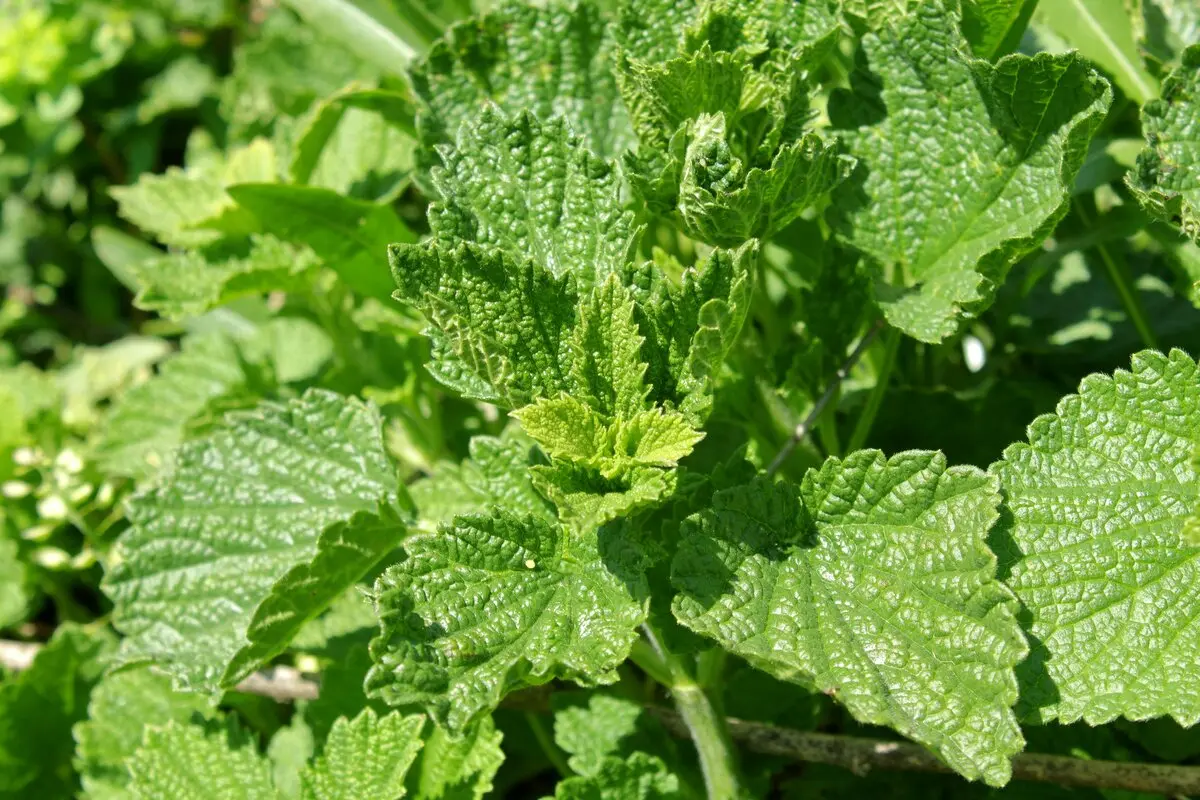
Nettle root shows up in prostate supplement formulas, usually alongside saw palmetto and pumpkin seed oil. The claims sound familiar: reduces bathroom trips, improves urine flow, shrinks the prostate naturally. But unlike many herbal prostate remedies, nettle root has actual clinical trial data behind it.
The catch is that “nettle root for bladder health” isn’t quite accurate. The evidence is specifically for men with benign prostatic hyperplasia (BPH), where an enlarged prostate presses on the bladder and urethra, causing urinary symptoms. Whether nettle root helps bladder function directly is a different question, and one with less evidence behind it.
Here’s what the research says about nettle root, who it might help, and where the gaps in the evidence sit.
Root vs Leaf: They’re Not the Same
Before getting into the evidence, an important distinction. Stinging nettle (Urtica dioica) has two medicinal parts that do very different things.
Nettle leaf is used for allergies, inflammation, and joint pain. It’s what most nettle teas contain, and it’s the form used in traditional folk medicine for urinary tract infections.
Nettle root is the part studied for prostate and urinary symptoms. It contains different active compounds, including lignans, lectins, and phytosterols, that interact with hormonal pathways relevant to prostate growth.
If you buy a nettle supplement for bladder or prostate concerns, check the label. You want nettle root extract, not nettle leaf. This distinction matters and it’s one that many general articles about stinging nettle skip over. For a broader look at nettle’s other uses, see our nettle overview.
How Nettle Root Works on the Prostate and Bladder
Nettle root doesn’t work through a single mechanism. Researchers have identified at least four pathways that may explain its effects on urinary symptoms.
1. SHBG Binding
Sex hormone binding globulin (SHBG) carries testosterone and oestrogen through the bloodstream and interacts with prostate cell membranes to stimulate growth. A lignan in nettle root called 3,4-divanillyltetrahydrofuran binds strongly to SHBG, blocking it from attaching to prostate receptors 1. This may slow the hormonal signals that drive prostate enlargement.
2. Aromatase Inhibition
At least five compounds in nettle root inhibit aromatase, the enzyme that converts testosterone into oestrogen 2. Oestrogen plays a role in prostate tissue growth, particularly as men age and the testosterone-to-oestrogen ratio shifts. By limiting this conversion, nettle root may help slow prostate enlargement at the hormonal level.
3. EGF Receptor Blocking
Urtica dioica agglutinin (UDA), a lectin found in nettle root, blocks epidermal growth factor (EGF) from binding to its receptor on prostate cells 2. EGF normally stimulates cell growth and division. By interfering with this signalling, UDA may suppress the cellular proliferation that makes the prostate enlarge.
4. Anti-inflammatory Effects
Nettle root polysaccharides and caffeic malic acid inhibit both cyclooxygenase (COX) and lipoxygenase, two enzyme systems central to inflammation. The root extract also suppresses NF-kB, a transcription factor that drives inflammatory gene expression 2. Since inflammation contributes to lower urinary tract symptoms, this anti-inflammatory activity may explain some of the symptom relief seen in clinical trials.
Most competitor articles mention one or two of these mechanisms. The combination of all four acting together likely explains why nettle root has shown clinical benefit even though none of the individual mechanisms is particularly strong on its own.
What the Clinical Trials Show
Nettle root has a larger evidence base than many herbal prostate supplements. Between 1950 and the present, over 34 clinical trials involving roughly 40,000 men have tested nettle root preparations 2. The most rigorous are the randomised, placebo-controlled trials.
The 620-Patient Crossover Trial
The largest nettle-only trial enrolled 620 men with BPH, with 558 completing the full six months. Patients were randomised to nettle root extract or placebo. By intention-to-treat analysis, 81% of men taking nettle root reported improved lower urinary tract symptoms compared to just 16% on placebo. Both IPSS scores and maximum urinary flow rate (Qmax) improved more with nettle root than placebo 3.
Those numbers are striking. An 81% vs 16% response difference is hard to attribute to placebo effect alone.
The 246-Patient 12-Month Trial
A German multicentre study gave 246 men either Bazoton-uno (459 mg nettle root dry extract) or placebo for 12 months. IPSS scores dropped from 18.7 to 13.0 in the nettle group versus 18.5 to 13.8 in the placebo group (p=0.0233) 4. The difference was statistically significant, though the actual gap between groups (about 1 point on IPSS) was modest.
This trial is important because it’s one of the few to run for a full year. The benefit held steady over 12 months without fading.
The 100-Patient 8-Week Trial
An Iranian randomised double-blind study gave 50 men 300 mg nettle root capsules twice daily and 50 men a placebo for 8 weeks. The nettle group’s average AUA symptom score dropped from 26.5 to 2.1, while the placebo group showed essentially no change (27.9 to 27.9) 5.
The magnitude of improvement in this trial (a 24-point drop) is unusually large for any BPH intervention. Some researchers have noted this effect size seems disproportionate, and the trial hasn’t been replicated at this scale. Take it as supportive evidence rather than definitive proof.
How Nettle Root Compares to Prescription Drugs
The question most men want answered: is this as good as what my doctor would prescribe?
The Sokeland 2000 trial directly compared a nettle root plus saw palmetto combination against finasteride (Proscar) in 543 men with BPH over 48 weeks. IPSS scores improved similarly in both groups, quality of life improvements were comparable, and maximum urinary flow rate was therapeutically equivalent 6.
The herbal combination had better tolerability, with fewer side effects than finasteride. However, finasteride reduced prostate volume while the herbal combination did not. So for men whose primary concern is symptom relief, the comparison is favourable. For men with very large prostates that may eventually need surgery, the inability to actually shrink the prostate is a limitation.
It’s worth noting that this trial tested nettle root combined with saw palmetto, not nettle root alone. The two herbs likely work through complementary mechanisms, and isolating nettle root’s contribution from this combination isn’t possible.
Who Might Benefit
Based on the clinical evidence, nettle root is most likely to help:
- Men with mild to moderate BPH symptoms (IPSS 8-19) who want to try a supplement before committing to prescription medication
- Men already taking BPH medication who want a complementary approach (discuss with your doctor first)
- Men experiencing nocturia and frequent urination related to prostate enlargement
Nettle root has not been studied for:
- Women with overactive bladder or urge incontinence
- Interstitial cystitis or painful bladder syndrome
- UTI prevention or treatment
- Bladder conditions unrelated to the prostate
This is a prostate supplement that happens to improve bladder symptoms, not a direct bladder treatment. The distinction matters.
Dosage and What to Look For
Clinical trials have used doses ranging from 120 mg to 600 mg daily of nettle root extract:
- 120 mg daily: Used in the 558-patient 6-month trial
- 459 mg daily: Used in the 246-patient 12-month German trial (Bazoton-uno)
- 600 mg daily (300 mg twice): Used in the 100-patient 8-week trial
The most commonly available dose in supplements is 300 mg taken twice daily. Look for products that specify “nettle root extract” (not leaf), preferably standardised to lignans or with the methanolic extraction method used in the European trials.
Nettle root is sometimes combined with saw palmetto, pumpkin seed oil, or pygeum bark. The combination with saw palmetto has the strongest supporting trial (the Sokeland 2000 finasteride comparison). Whether combinations work better than nettle root alone hasn’t been directly compared.
Safety and Side Effects
Nettle root has a strong safety profile across the clinical trials. The most commonly reported side effects are mild gastrointestinal symptoms: occasional stomach upset, nausea, or diarrhoea. Allergic reactions are possible but rare.
Drug interactions to watch:
- Nettle root may lower blood pressure, so use caution with antihypertensive medications
- It may interact with blood thinners (warfarin) due to its vitamin K content, though this is more of a concern with nettle leaf than root
- It could theoretically interact with finasteride, dutasteride, or other BPH medications through overlapping mechanisms. Talk to your doctor before combining them
- Nettle root may lower blood sugar, so people taking diabetes medications should monitor levels
Nettle root has not been studied in pregnant or breastfeeding women and should be avoided in these groups.
When to See a Doctor
Nettle root is a reasonable supplement to consider for mild BPH symptoms, but it’s not a replacement for medical evaluation. See a doctor if you experience:
- Blood in your urine (even once)
- Complete inability to urinate (urinary retention)
- Urinary symptoms that are getting worse despite treatment
- Pain during urination (dysuria)
- Fever with urinary symptoms (possible infection)
- A PSA test that your doctor wants to follow up on
BPH is common and usually manageable, but the same symptoms can occasionally signal something more serious. Getting a proper diagnosis first is important before self-treating with any supplement.
Frequently Asked Questions
Does nettle root help with bladder problems?
Nettle root has shown benefit for urinary symptoms caused by an enlarged prostate (BPH) in several clinical trials. In the largest study, 81% of men taking nettle root reported improved symptoms after six months compared to 16% on placebo. It has not been studied for other bladder conditions like interstitial cystitis or overactive bladder unrelated to prostate enlargement.
How long does nettle root take to work for urinary symptoms?
Clinical trials show improvements beginning within 8 weeks, with continued benefit through 6 to 12 months of use. The 100-patient Iranian trial showed significant IPSS score reduction after 8 weeks. Longer trials suggest the benefit increases over time, so give it at least 2 to 3 months before judging whether it helps.
Is nettle root as effective as prescription BPH medication?
One head-to-head trial compared a nettle root plus saw palmetto combination against finasteride in 543 men. After 48 weeks, symptom improvement was comparable between the two groups, and the herbal combination had fewer side effects. However, finasteride also reduces prostate volume, which the herbal combination did not.
What is the recommended dosage of nettle root for prostate health?
Clinical trials have used 120 to 600 mg of nettle root extract daily. The most commonly studied dose is 300 mg taken twice daily (600 mg total). Look for standardised extracts rather than raw root powder, as the clinical evidence is based on concentrated extracts.
Can women take nettle root for bladder health?
The clinical trials for nettle root and urinary symptoms have only been conducted in men with BPH. There is no evidence that nettle root helps with female bladder conditions like overactive bladder, stress incontinence, or interstitial cystitis. Women looking for bladder support may want to explore other options that have been studied in female populations.
Summary
Nettle root has a solid base of clinical evidence for improving urinary symptoms in men with BPH. Three placebo-controlled trials (620, 246, and 100 patients) all showed statistically significant improvements in IPSS scores and urinary flow compared to placebo. One head-to-head trial found a nettle root plus saw palmetto combination comparable to finasteride with fewer side effects.
The mechanism appears to involve four pathways: SHBG binding, aromatase inhibition, EGF receptor blocking, and anti-inflammatory activity. These target the hormonal and cellular processes that drive prostate enlargement and the resulting bladder symptoms.
The main limitation is scope. This is a prostate supplement, not a bladder treatment. If your urinary symptoms stem from BPH, nettle root is a reasonable option to discuss with your doctor. If your bladder symptoms have a different cause, the evidence doesn’t support using nettle root for bladder health in those contexts.
References
- Hryb DJ, et al. The effect of extracts of the roots of the stinging nettle (Urtica dioica) on the interaction of SHBG with its receptor on human prostatic membranes. Planta Med. 1995;61(1):31-32. PubMed
- Koch E. Extracts from fruits of saw palmetto (Sabal serrulata) and roots of stinging nettle (Urtica dioica): viable alternatives in the medical treatment of benign prostatic hyperplasia and associated lower urinary tract symptoms. Planta Med. 2001;67(6):489-500. PubMed
- Safarinejad MR. Urtica dioica for treatment of benign prostatic hyperplasia: a prospective, randomized, double-blind, placebo-controlled, crossover study. J Herb Pharmacother. 2005;5(4):1-11. PubMed
- Schneider T, Rübben H. Stinging nettle root extract (Bazoton-uno) in long term treatment of benign prostatic syndrome (BPS): results of a randomized, double-blind, placebo-controlled multicenter study after 12 months. Urologe A. 2004;43(3):302-306. PubMed
- Ghorbanibirgani A, et al. The efficacy of stinging nettle (Urtica dioica) in patients with benign prostatic hyperplasia: a randomized double-blind study in 100 patients. Iran Red Crescent Med J. 2013;15(1):9-10. PMC
- Sokeland J. Combined sabal and urtica extract compared with finasteride in men with benign prostatic hyperplasia: analysis of prostate volume and therapeutic outcome. BJU Int. 2000;86(4):439-442. PubMed
Frequently Asked Questions
- Does nettle root help with bladder problems?
- Nettle root has shown benefit for urinary symptoms caused by an enlarged prostate (BPH) in several clinical trials. In the largest study, 81% of men taking nettle root reported improved symptoms after six months compared to 16% on placebo. It has not been studied for other bladder conditions like interstitial cystitis or overactive bladder unrelated to prostate enlargement.
- How long does nettle root take to work for urinary symptoms?
- Clinical trials show improvements beginning within 8 weeks, with continued benefit through 6 to 12 months of use. The 100-patient Iranian trial showed significant IPSS score reduction after 8 weeks. Longer trials suggest the benefit increases over time, so give it at least 2 to 3 months before judging whether it helps.
- Is nettle root as effective as prescription BPH medication?
- One head-to-head trial compared a nettle root plus saw palmetto combination against finasteride in 543 men. After 48 weeks, symptom improvement was comparable between the two groups, and the herbal combination had fewer side effects. However, finasteride also reduces prostate volume, which the herbal combination did not.
- What is the recommended dosage of nettle root for prostate health?
- Clinical trials have used 120 to 600 mg of nettle root extract daily. The most commonly studied dose is 300 mg taken twice daily (600 mg total). Look for standardised extracts rather than raw root powder, as the clinical evidence is based on concentrated extracts.
- Can women take nettle root for bladder health?
- The clinical trials for nettle root and urinary symptoms have only been conducted in men with BPH. There is no evidence that nettle root helps with female bladder conditions like overactive bladder, stress incontinence, or interstitial cystitis. Women looking for bladder support may want to explore other options that have been studied in female populations.
Medical Disclaimer: The information provided is for educational purposes only and should not be considered as medical advice. Always consult with a qualified healthcare professional before making any changes to your diet, supplement regimen, or treatment plan.
Was this article helpful?