Anti-Inflammatory Diet for IC: Foods That Calm Bladder Pain
A 2022 pilot found a plant-based anti-inflammatory diet lessened IC symptoms. Which foods calm bladder inflammation, what to avoid, and how to plan meals.
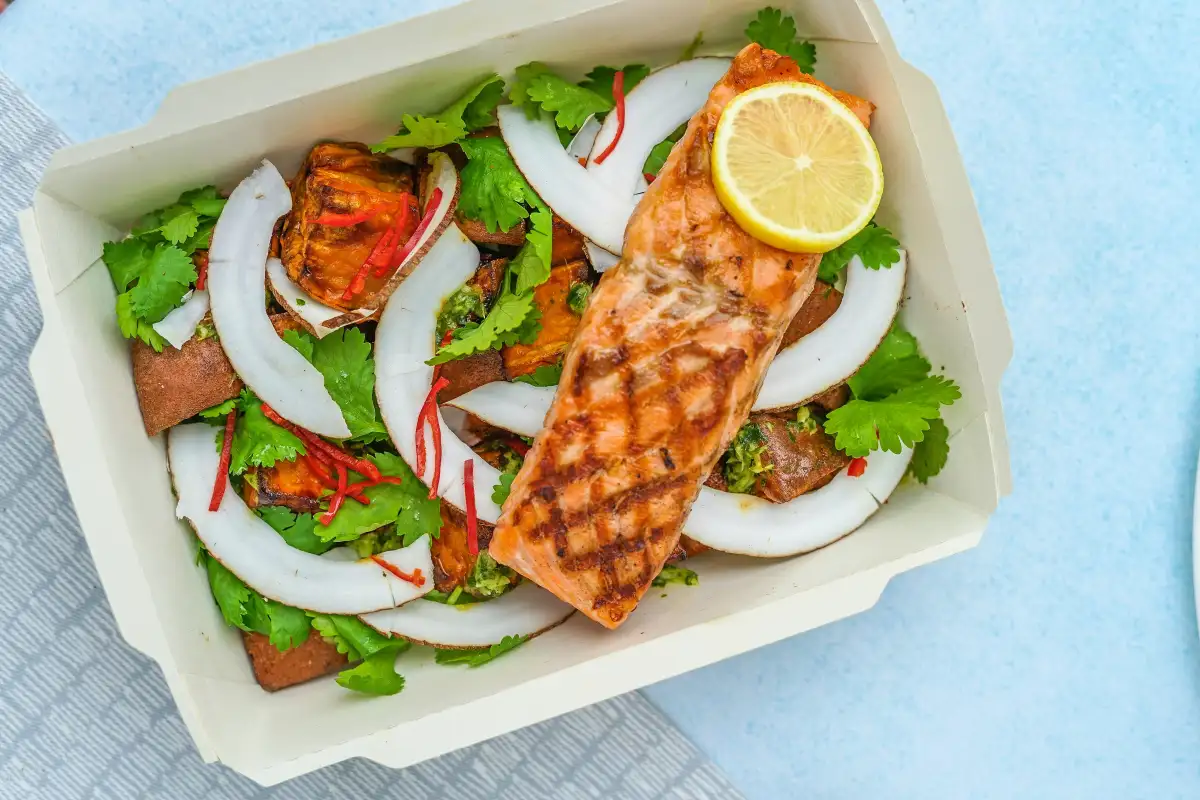
Most IC diet guides tell you what to stop eating. Cut the coffee, the citrus, the spicy food. That advice is necessary. Around 90% of interstitial cystitis patients report that specific foods worsen their symptoms [7]. But removal is only half a dietary strategy. Removing what irritates your bladder doesn’t automatically add what might reduce the inflammation driving your pain.
An anti-inflammatory diet for interstitial cystitis flips the script. Instead of just avoiding triggers, you actively load your plate with foods that dampen inflammatory pathways, the same ones implicated in IC bladder pain. A 2022 randomised crossover pilot tested this idea directly, and the early results are worth paying attention to [1].
Key Takeaways
- 90% of IC patients report food-triggered symptoms, but most dietary advice focuses only on what to avoid
- A 2022 randomised pilot study found a plant-based anti-inflammatory diet lessened IC symptoms and improved quality of life
- Anti-inflammatory foods that are also IC-safe include omega-3 rich fish, leafy greens, blueberries, and pumpkin seeds
- The gut-bladder axis connects your digestive health directly to bladder inflammation, with a 2024 study establishing causal links
- Combining trigger avoidance with anti-inflammatory eating is more effective than either approach alone
The Gap in Standard IC Diet Advice
The conventional IC diet is an elimination protocol. You strip out known irritants (citrus, tomatoes, caffeine, alcohol, artificial sweeteners, spicy foods) and then slowly reintroduce them to identify your personal triggers. A validation study of 124 IC patients confirmed that 90.4% experience food sensitivities, and the researchers developed a reliable 35-item questionnaire to identify individual patterns [7].
This works. When Oh-Oka randomised IC patients into an intensive dietary elimination program, restricting tomatoes, soy, spices, high-potassium foods, citrus, and acidic substances, symptoms improved significantly within three months. The benefits held for over a year [6].
So what’s missing?
The elimination approach tells you what your bladder can’t tolerate. It doesn’t tell you which foods might actually reduce the inflammation behind your symptoms. Think of it as pulling weeds without planting anything. You clear the irritants but leave your body’s inflammatory response running on its own.
What’s Actually Inflamed in IC?
IC isn’t a straightforward inflammatory disease like rheumatoid arthritis. The picture is messier.
The bladder lining (the GAG layer) is damaged or thinned, allowing urinary irritants to penetrate the bladder wall and trigger nerve sensitisation. This activates mast cells, which release histamine and pro-inflammatory cytokines (TNF-α, IL-6, IL-1β), creating a pain-inflammation cycle that feeds itself [5].
The anti-inflammatory angle targets this downstream cascade. You can’t rebuild the GAG layer with broccoli. But you can potentially reduce the mast cell reactivity and cytokine production that amplify your pain signals.
A cross-sectional study of veterans with IC/BPS found that 70% had at least one food sensitivity, compared to 37% of people with other pelvic pain conditions and 32% of healthy controls [4]. That gap between IC patients and even other chronic pain patients suggests the IC bladder responds to dietary inputs in ways that go beyond normal sensitivity.
Your Gut Is Talking to Your Bladder
This is the part most IC diet guides skip entirely. It may be the most important piece.
The gut-bladder axis is a communication network between your intestinal microbiome and your bladder. Not a metaphor. A 2024 Mendelian randomisation study (a method that uses genetic data to establish causation, not just correlation) identified eight bacterial taxa with causal links to IC risk [8]. Three species appeared protective: Desulfovibrio piger, Oscillibacter, and Ruminococcus lactaris. Others increased risk.
Why does this matter for your plate?
Butyrate. That’s the short answer.
Butyrate-producing bacteria in your gut generate short-chain fatty acids that regulate immune cell activity and suppress inflammatory signalling [11]. Researchers tracking 31 women over 12 months found that those with recurrent urinary infections had gut microbiomes “significantly depleted in microbial richness and butyrate-producing bacteria” [10]. Fewer good bugs, more inflammation, worse bladder outcomes.
Then in 2025, a research team uncovered something even more specific: a microbiota-bile acid-TGR5 axis connecting gut bacteria to bladder epithelial cells through bile acid signalling [9]. When they transplanted gut bacteria from treated mice into untreated ones, the bladder benefits transferred too.
The gut isn’t just adjacent to the bladder in your anatomy textbook. It’s actively modulating bladder tissue health. And what feeds butyrate-producing bacteria? Fibre. Specifically, prebiotic fibres from vegetables, whole grains, legumes, and certain fruits. An anti-inflammatory diet for IC isn’t just about omega-3s and antioxidants. It’s about building a gut environment that talks your bladder down from high alert.
Anti-Inflammatory Foods That Are Also IC-Safe
Here’s the core challenge: many classic anti-inflammatory foods are also IC triggers. Tomatoes? Anti-inflammatory but acidic. Citrus? Loaded with vitamin C but a well-documented bladder irritant. Red wine? Anti-inflammatory polyphenols packaged inside alcohol.
So you need the Venn diagram overlap. Foods that reduce inflammation AND don’t irritate the bladder. This list draws from the AID-IC pilot study protocol and aligns with the IC Association’s safer food categories [1].
Omega-3 Rich Proteins
Salmon, mackerel, sardines, and trout are the heavyweights here. Omega-3 fatty acids directly inhibit the COX-2 pathway, the same pathway that ibuprofen targets. Wild-caught fish 2-3 times per week provides meaningful anti-inflammatory benefit. If fish isn’t your thing, ground flaxseed and chia seeds offer plant-based omega-3s, though the conversion rate to the active forms (EPA and DHA) is lower.
Eggs are also well-tolerated by most IC patients and provide choline, which supports cell membrane repair.
Leafy Greens and Low-Acid Vegetables
Kale, spinach, Swiss chard, and rocket contain high concentrations of antioxidants that scavenge free radicals and reduce oxidative stress. Cruciferous vegetables (broccoli, cauliflower, Brussels sprouts) contain sulforaphane, which activates the Nrf2 pathway, your body’s master antioxidant switch.
Root vegetables like sweet potatoes, carrots, and beetroot provide prebiotic fibre and beta-carotene without the acidity that causes bladder irritation. Courgette, cucumber, and green beans are some of the most bladder-neutral vegetables available.
Berries (Pick Carefully)
Blueberries are the standout. An analysis of 13,063 adults found that anthocyanidins, the pigments that make blueberries blue, were associated with reduced overactive bladder risk. Blackberries are similarly well-tolerated. Strawberries sit in a grey zone: mildly acidic, tolerated by some IC patients, problematic for others. Cranberries are too acidic for most people with IC despite their reputation for urinary health.
Whole Grains and Prebiotic Fibres
Oats, quinoa, brown rice, and millet feed your butyrate-producing gut bacteria without bladder irritation. These foods are the workhorses of an anti-inflammatory IC diet. They won’t make headlines, but they quietly improve your gut-bladder axis function over weeks and months.
Nuts and Seeds
Almonds, cashews (unsalted), pumpkin seeds, and sunflower seeds deliver vitamin E, magnesium, and healthy fats. Pumpkin seeds deserve special mention for their specific research supporting bladder function. Walnuts are high in alpha-linolenic acid, a plant-based omega-3.
Herbs and Spices (With Caveats)
Chamomile and peppermint are anti-inflammatory and generally well-tolerated. Both make good bladder-safe teas. Fresh basil, oregano, rosemary, and thyme add anti-inflammatory compounds without the heat that triggers bladder symptoms.
Turmeric is a potent anti-inflammatory, but it can irritate some IC bladders. Try small amounts in cooked food before committing to supplements. Same with ginger: anti-inflammatory but individually variable.
You’ll see people recommending apple cider vinegar for bladder health. There’s no evidence it helps IC, and the acidity makes it a poor choice for most IC patients. Skip it.
What to Keep Off Your Plate
You probably know this list already, but the mechanism matters. These foods aren’t just “irritants.” They actively promote inflammation or bypass the damaged GAG layer to directly stimulate bladder nerves [5].
Acidic foods (citrus, tomatoes, vinegar) lower urinary pH, which penetrates the damaged GAG layer and triggers pain receptors directly.
Caffeine and alcohol both increase bladder detrusor muscle activity and have diuretic effects that concentrate irritants. Alcohol also disrupts gut microbiome diversity, working against the gut-bladder axis benefits you’re trying to build.
Artificial sweeteners (aspartame, saccharin) are flagged in multiple IC patient surveys. The mechanism isn’t fully understood, but they appear to directly irritate the bladder epithelium.
Highly processed foods are high in omega-6 fatty acids, refined sugars, and preservatives, all of which shift your inflammatory balance in the wrong direction. This is where the anti-inflammatory framework adds something the standard elimination diet doesn’t: it gives you a reason to cut processed food beyond “it might bother your bladder.”
Spicy foods (capsaicin) activate TRPV1 pain receptors in the bladder. If your bladder is already irritated, capsaicin adds fuel. The foods that irritate the bladder guide goes deeper into the full trigger list.
Building Your Anti-Inflammatory IC Meal Plan
The AID-IC pilot study used a plant-predominant, low-saturated-fat protocol [1]. Participants found the diet manageable but time-intensive, which is honest feedback that matters if you’re thinking about sustainability.
Here’s a practical framework, not a rigid prescription.
Phase 1: Elimination + Foundation (Weeks 1-3)
Start with the standard IC elimination diet to identify your personal triggers. Simultaneously, begin increasing anti-inflammatory foods: more fish, more leafy greens, more berries, more whole grains. Replace processed snacks with nuts and seeds.
Phase 2: Reintroduction + Optimisation (Weeks 4-8)
Reintroduce eliminated foods one at a time, every 3-4 days, while keeping a food diary. As you identify safe foods, build meals around the anti-inflammatory staples. Add prebiotic fibre gradually. Too much too fast disrupts the gut, which is the opposite of what you want.
Phase 3: Maintenance (Ongoing)
By now you should have a personalised list of safe foods AND a preference for anti-inflammatory options within that list. The goal: 70-80% of your plate should be anti-inflammatory foods that you’ve confirmed don’t trigger your symptoms.
Side note: this phased approach is virtually identical to what functional medicine practitioners use for IBS, because the gut-inflammation mechanism overlaps substantially. If you have both IC and IBS (and many people do), you’re addressing both conditions simultaneously.
For ready-to-use meal ideas, the 7-day bladder-friendly meal plan and bladder-friendly recipes are designed with these principles in mind.
Feed Your Microbiome
Beyond food choices, consider adding probiotics to support butyrate production and gut barrier integrity. The 2024 Mendelian randomisation study identified Ruminococcus lactaris as protective against IC [8]. While you can’t buy that exact species in a capsule, strains like Lactobacillus rhamnosus and Bifidobacterium longum support the same SCFA-producing ecosystem.
Fermented foods (plain yoghurt, kefir, sauerkraut, kimchi) introduce beneficial bacteria and prebiotic substrates. Kimchi and sauerkraut can be acidic, so start small and monitor your response.
| Anti-Inflammatory Strategy | Evidence Strength | IC Bladder Safety | Best For |
|---|---|---|---|
| Omega-3 rich fish (2-3x/week) | Strong (multiple inflammation RCTs) | Generally safe | Reducing systemic inflammation |
| Leafy greens and cruciferous veg | Moderate (observational data) | Safe | Antioxidant protection, fibre |
| Blueberries and blackberries | Moderate (13,063-person analysis) | Safe | Anthocyanidin benefit |
| Whole grains (oats, quinoa, rice) | Moderate (gut microbiome studies) | Safe | Feeding butyrate-producing bacteria |
| Prebiotic fibre (gradual increase) | Emerging (gut-bladder axis research) | Safe if introduced slowly | Gut-bladder axis support |
| Probiotics | Emerging (Mendelian randomisation) | Generally safe | Microbiome diversity |
| Turmeric and ginger | Strong anti-inflammatory data | Variable, test individually | Those who tolerate them |
| Quercetin supplement | One IC-specific RCT (n=22) | Well-tolerated | Mast cell stabilisation |
When Diet Alone Isn’t Enough
Dietary changes work best for mild to moderate IC symptoms and as a complement to medical treatment. They are not a substitute.
If you’ve followed an anti-inflammatory approach for 8-12 weeks without improvement, the inflammation driving your symptoms may need more targeted intervention: bladder instillations, supplements with IC-specific evidence, or prescription medications.
Get medical attention if you notice blood in your urine, develop a fever alongside bladder symptoms, or experience sudden worsening that doesn’t correlate with dietary changes. And if your pain is severe enough to disrupt sleep or daily function, diet alone is unlikely to be sufficient. Talk to a urologist or urogynaecologist about a combined approach.
Common Questions
Is interstitial cystitis actually caused by inflammation?
IC involves inflammatory processes (mast cell activation, elevated TNF-α, IL-6, and IL-1β) but it’s not a classic inflammatory disease. The inflammation appears secondary to a damaged GAG layer and nerve sensitisation rather than an autoimmune attack. Anti-inflammatory dietary strategies target these downstream pathways, which is why they can reduce symptoms even though IC isn’t “caused” by inflammation the way arthritis is.
How long before an anti-inflammatory diet improves IC symptoms?
The AID-IC pilot study saw improvements during the intervention period [1]. Oh-Oka’s RCT found significant symptom improvement within 3 months of systematic dietary changes, with benefits lasting over 1 year [6]. Most patients report noticing changes within 2-6 weeks, though individual responses vary.
Can I eat turmeric and ginger if I have IC?
Both are potent anti-inflammatory compounds, but they can irritate some IC bladders. Try small amounts during a stable symptom period and track your response carefully. Turmeric in food (curries, golden milk) is lower-dose than supplements and may be better tolerated. Ginger tea works well for many IC patients. Not all.
What’s the difference between an IC elimination diet and an anti-inflammatory diet?
An IC elimination diet removes known bladder irritants (citrus, caffeine, alcohol, spicy foods), then reintroduces them to find personal triggers. An anti-inflammatory diet goes further by actively emphasising foods that reduce systemic inflammation: omega-3s, leafy greens, berries, prebiotic fibres. The strongest approach combines both. Remove what hurts, add what helps.
Does fixing gut health actually help bladder symptoms?
The evidence is building fast. The 2024 Mendelian randomisation study established causal links between specific gut bacteria and IC risk [8]. Butyrate-producing gut bacteria appear protective, and the 2025 microbiota-bile acid-TGR5 axis discovery connected gut bacteria directly to bladder tissue signalling [9]. Eating for gut health (fibre, fermented foods, diverse plants) is one of the more promising dietary strategies for interstitial cystitis management.
If you’re already on the elimination diet path but want to go further, an anti-inflammatory framework gives your meals a second job: not just avoiding harm, but actively reducing the inflammatory load on your bladder. The evidence is still early, with one pilot study and emerging gut-bladder axis research, but the foods involved (fish, vegetables, berries, whole grains) carry no downside risk. At worst, you eat better. At best, your bladder notices.
References
- Gordon B, Blanton C, Ramsey R, et al. Anti-Inflammatory Diet for Women with IC/Bladder Pain Syndrome: The AID-IC Pilot Study. Methods and Protocols. 2022;5(3):40. PubMed
- Almutairi S. Dietary Influence on Bladder Pain Syndrome: A Systematic Review. Cureus. 2024. PubMed
- Barker ES, Chiu K, Brown VL, et al. Urologic Chronic Pelvic Pain Syndrome Flares: A Systematic Review and Meta-Analysis. J Urol. 2024. PubMed
- Jarman A, Janes JL, Shorter B, Moldwin R, et al. Food Sensitivities in a Diverse Nationwide Cohort of Veterans With IC/Bladder Pain Syndrome. J Urol. 2023. PubMed
- Friedlander JI, Shorter B, Moldwin RM. Diet and its role in interstitial cystitis/bladder pain syndrome and comorbid conditions. BJU International. 2012;109(11):1584-91. PubMed
- Oh-Oka H. Clinical Efficacy of 1-Year Intensive Systematic Dietary Manipulation. Urology. 2017;106:50-54. PubMed
- Shorter B, Ackerman M, Varvara M, Moldwin RM. Statistical validation of the shorter-moldwin food sensitivity questionnaire. J Urol. 2014;191(6):1793-801. PubMed
- Fu C, Zhao Y, Zhou X, et al. Gut microbiota and interstitial cystitis: exploring the gut-bladder axis. Frontiers in Immunology. 2024. PubMed
- Zhu Y, Zhu Z, Wu P. Pentosan polysulfate alleviates IC/BPS by modulating gut microbiota and bile acid metabolism. Nan Fang Yi Ke Da Xue Xue Bao. 2025. PubMed
- Worby CJ, Schreiber HL 4th, Straub TJ, et al. Longitudinal multi-omics analyses link gut microbiome dysbiosis with recurrent urinary tract infections. Nature Microbiology. 2022;7(5):630-639. PubMed
- Yang HJ, Kim DS, Lee KW, Kim YH. The Urinary Microbiome; Axis Crosstalk and Short-Chain Fatty Acid. Diagnostics. 2022;12(12):3119. PubMed
Frequently Asked Questions
- Is interstitial cystitis actually caused by inflammation?
- IC involves inflammatory processes including mast cell activation and elevated cytokines like TNF-alpha and IL-6, but it is not a classic inflammatory disease like rheumatoid arthritis. The inflammation appears to result from a damaged GAG layer and nerve sensitisation rather than an autoimmune attack. Anti-inflammatory dietary strategies target these downstream inflammatory pathways.
- How long before an anti-inflammatory diet improves IC symptoms?
- The AID-IC pilot study saw improvements during the intervention period. A separate RCT found significant symptom improvement within 3 months of systematic dietary changes, with benefits lasting over 1 year. Most patients report noticing changes within 2 to 6 weeks, though individual responses vary widely.
- Can I eat turmeric and ginger if I have IC?
- Both are anti-inflammatory, but they can irritate the bladder in some IC patients. Try small amounts during a stable symptom period and track your response. Turmeric in food like curries or golden milk is lower-dose than supplements and may be better tolerated. Ginger tea is well-tolerated by many IC patients but not all.
- What is the difference between an IC elimination diet and an anti-inflammatory diet?
- An IC elimination diet removes known bladder irritants like citrus, caffeine, alcohol, and spicy foods, then reintroduces them one at a time to find personal triggers. An anti-inflammatory diet goes further by actively emphasising foods that reduce systemic inflammation such as omega-3 fatty acids, leafy greens, and berries. The most effective approach combines both strategies.
- Does fixing gut health actually help bladder symptoms?
- Emerging evidence strongly suggests yes. A 2024 Mendelian randomisation study established causal links between specific gut bacteria and IC risk. Butyrate-producing gut bacteria appear protective against bladder inflammation, and a 2025 study identified a microbiota-bile acid signalling pathway connecting the gut directly to bladder tissue health.
Medical Disclaimer: The information provided is for educational purposes only and should not be considered as medical advice. Always consult with a qualified healthcare professional before making any changes to your diet, supplement regimen, or treatment plan.
Was this article helpful?