Bladder Friendly Recipes: 10 Easy Meals That Won't Trigger Symptoms
10 bladder friendly recipes with full instructions, prep times, and the science behind each ingredient. Safe for IC, OAB, and sensitive bladders.
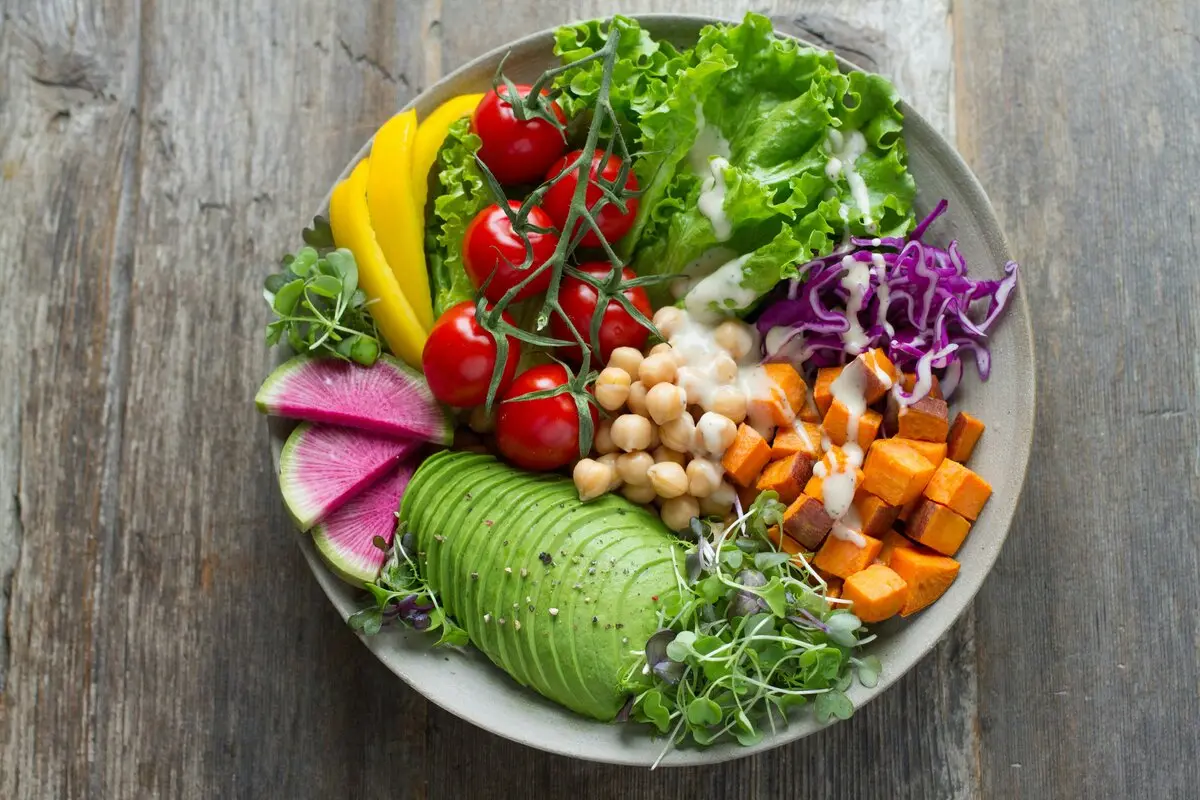
Most “bladder friendly” food advice tells you what to avoid. Don’t eat this, skip that, steer clear of the other thing. After a while it feels like there’s nothing left to cook.
That’s not true. There are plenty of bladder friendly recipes that taste good and won’t send you running to the bathroom. The trick is working with ingredients that your bladder tolerates while still making food you actually want to eat.
I’ve put together 10 tested recipes that avoid the most common bladder irritants: citrus, tomatoes, caffeine, alcohol, spicy foods, and artificial sweeteners. These are based on the dietary patterns that clinical research supports, including a 2022 study that linked Mediterranean-style eating to significantly lower overactive bladder severity scores 1. Each recipe explains why the ingredients were chosen, so you learn the logic behind bladder friendly cooking and can adapt it to your own meals.
If you want a full weekly eating structure, see our 7-day bladder-friendly meal plan. This article focuses on individual recipes you can mix and match.
The Basics of Bladder Friendly Cooking
Before getting into the recipes, a few principles. A survey of 598 people with interstitial cystitis found that 95.8% reported certain foods and drinks affected their symptoms 2. The top triggers were citrus, tomatoes, coffee, carbonated drinks, alcohol, and spicy foods.
That means bladder friendly recipes need to:
- Skip acidic ingredients (citrus juice, vinegar, tomato sauce)
- Avoid heat (no chilli, cayenne, or hot sauce)
- Replace caffeine with herbal alternatives
- Use fresh herbs and mild spices for flavour
The good news is that lean proteins, most vegetables, whole grains, olive oil, and low-acid fruits are all safe. You have a lot to work with. For a full breakdown, see our guide to foods that irritate the bladder.
1. Herb-Crusted Baked Salmon
Prep time: 10 minutes | Cook time: 15 minutes | Serves: 2
Ingredients:
- 2 salmon fillets (about 150g each)
- 2 tablespoons olive oil
- 1 tablespoon fresh dill, chopped
- 1 tablespoon fresh parsley, chopped
- 1 clove garlic, minced
- 1/4 cup breadcrumbs
- Pinch of salt and pepper
Instructions:
- Heat oven to 200°C (390°F).
- Mix olive oil, dill, parsley, garlic, and breadcrumbs in a small bowl.
- Place salmon fillets on a lined baking tray, skin side down.
- Press the herb mixture onto the top of each fillet.
- Bake for 12-15 minutes until the fish flakes easily with a fork.
Why it works: Salmon is rich in omega-3 fatty acids, which have anti-inflammatory properties that may benefit the bladder lining. A systematic review found that anti-inflammatory dietary patterns improved bladder pain and quality of life in IC patients 3. Fresh herbs replace the lemon juice you’d normally squeeze on fish.
2. Carrot and Sweet Potato Soup
Prep time: 15 minutes | Cook time: 30 minutes | Serves: 4
Ingredients:
- 2 large sweet potatoes, peeled and cubed
- 3 carrots, peeled and sliced
- 1 brown onion, diced
- 2 tablespoons olive oil
- 4 cups low-sodium chicken or vegetable stock
- 1 teaspoon ground cumin
- 1/2 teaspoon ground ginger
- Salt to taste
Instructions:
- Heat olive oil in a large pot over medium heat. Add onion and cook for 3-4 minutes until soft.
- Add sweet potato, carrots, cumin, and ginger. Stir for 1 minute.
- Pour in the stock and bring to a boil. Reduce heat, cover, and simmer for 25 minutes until vegetables are tender.
- Blend until smooth using a stick blender. Season with salt.
Why it works: Sweet potatoes are one of the safest foods for bladder conditions. They’re filling, high in beta-carotene, and non-acidic. This soup avoids tomato-based alternatives that trigger symptoms in many people with IC or overactive bladder.
3. Turkey and Zucchini Meatballs With Pesto Pasta
Prep time: 20 minutes | Cook time: 20 minutes | Serves: 4
Ingredients:
- 500g turkey mince
- 1 zucchini, grated and squeezed dry
- 1/3 cup breadcrumbs
- 1 egg
- 2 teaspoons dried oregano
- 1 clove garlic, minced
- 400g penne or spiral pasta
- 4 tablespoons basil pesto (store-bought or homemade)
- Salt and pepper
Instructions:
- Heat oven to 200°C (390°F).
- Combine turkey mince, grated zucchini, breadcrumbs, egg, oregano, garlic, salt, and pepper. Mix with your hands until just combined.
- Roll into balls about the size of a golf ball (makes roughly 16). Place on a lined baking tray.
- Bake for 18-20 minutes until cooked through and lightly golden.
- Cook pasta according to packet directions. Drain, toss with pesto.
- Serve meatballs over pesto pasta.
Why it works: This is the bladder friendly answer to spaghetti and meatballs. Basil pesto replaces tomato sauce, which is one of the most commonly reported triggers. The zucchini keeps the meatballs moist while adding extra vegetables. This recipe works well as leftovers for the next day’s lunch.
4. One-Pan Chicken and Roasted Vegetables
Prep time: 10 minutes | Cook time: 35 minutes | Serves: 2
Ingredients:
- 2 chicken thighs (bone-in, skin-on)
- 1 sweet potato, cubed
- 1 cup broccoli florets
- 1 carrot, sliced into rounds
- 2 tablespoons olive oil
- 1 teaspoon dried rosemary
- 1 teaspoon dried thyme
- Salt and pepper
Instructions:
- Heat oven to 200°C (390°F).
- Toss sweet potato and carrot with 1 tablespoon olive oil, salt, and pepper. Spread on a baking tray.
- Rub chicken thighs with remaining olive oil, rosemary, thyme, salt, and pepper. Nestle among the vegetables.
- Roast for 25 minutes. Add broccoli to the tray. Roast for another 10 minutes until chicken reaches 75°C internal temperature.
Why it works: One-pan meals make bladder friendly cooking practical for busy nights. Rosemary and thyme give the chicken plenty of flavour without any heat or acidity. The Mediterranean diet pattern of lean protein with roasted vegetables has been directly linked to lower bladder symptom scores 1.
5. Pear and Blueberry Oat Crumble
Prep time: 15 minutes | Cook time: 30 minutes | Serves: 4
Ingredients:
- 3 ripe pears, peeled and sliced
- 1 cup blueberries
- 1 tablespoon honey
- 1 cup rolled oats
- 1/3 cup plain flour
- 3 tablespoons butter, cold and cubed
- 2 tablespoons brown sugar
- 1/2 teaspoon cinnamon
Instructions:
- Heat oven to 180°C (355°F).
- Toss pears and blueberries with honey. Spread in a baking dish.
- In a bowl, combine oats, flour, brown sugar, and cinnamon. Rub in cold butter with your fingertips until the mixture resembles coarse crumbs.
- Scatter the crumble topping over the fruit.
- Bake for 28-30 minutes until the topping is golden and fruit is bubbling.
Why it works: Pears are considered one of the safest fruits for bladder conditions by the Interstitial Cystitis Association. Blueberries contain anthocyanidins, compounds that one study linked to reduced overactive bladder risk in over 13,000 adults 4. This dessert avoids citrus, which is a common trigger, while still satisfying a sweet tooth.
6. Egg and Vegetable Frittata
Prep time: 10 minutes | Cook time: 15 minutes | Serves: 2-3
Ingredients:
- 6 eggs
- 1 cup baby spinach
- 1/2 cup mushrooms, sliced
- 1/2 capsicum (bell pepper), diced
- 1/4 cup feta cheese, crumbled
- 1 tablespoon olive oil
- Salt and pepper
Instructions:
- Heat oven grill (broiler) to high.
- Whisk eggs with salt and pepper.
- Heat olive oil in an oven-safe frying pan over medium heat. Cook mushrooms and capsicum for 3-4 minutes.
- Add spinach and stir until wilted (about 1 minute).
- Pour in the eggs. Cook without stirring for 3-4 minutes until the edges set.
- Scatter feta on top. Transfer to the oven grill for 2-3 minutes until the top is set and lightly golden.
Why it works: Eggs are well tolerated by most people with bladder conditions and they’re a cheap protein source. This frittata works for breakfast, lunch, or a light dinner. If capsicum bothers you (it does for some IC patients), swap it for extra mushrooms or diced zucchini.
7. Garlic and Herb Chicken Stir-Fry
Prep time: 15 minutes | Cook time: 10 minutes | Serves: 2
Ingredients:
- 2 chicken breasts, sliced thin
- 1 cup green beans, trimmed and halved
- 1 carrot, julienned
- 1 cup broccoli florets
- 2 cloves garlic, minced
- 2 tablespoons olive oil
- 1 tablespoon fresh basil, chopped
- 1 teaspoon dried oregano
- Cooked brown rice to serve
Instructions:
- Heat 1 tablespoon olive oil in a wok or large frying pan over high heat.
- Cook chicken strips for 3-4 minutes until golden. Remove and set aside.
- Add remaining oil. Stir-fry green beans, carrot, and broccoli for 3-4 minutes until tender-crisp.
- Return chicken to the pan. Add garlic, basil, and oregano. Toss for 1 minute.
- Serve over brown rice.
Why it works: Most stir-fry sauces contain soy sauce (high sodium, fermented) and chilli. This version uses garlic and fresh herbs instead. The whole grain brown rice adds fibre, which matters because constipation can put pressure on the bladder and worsen frequency symptoms 5.
8. Butternut Pumpkin Risotto
Prep time: 15 minutes | Cook time: 35 minutes | Serves: 3-4
Ingredients:
- 2 cups butternut pumpkin, cubed small
- 1.5 cups arborio rice
- 1 brown onion, finely diced
- 4 cups warm low-sodium chicken stock
- 1/2 cup parmesan cheese, grated
- 2 tablespoons olive oil
- 1 tablespoon butter
- Fresh sage leaves (optional)
- Salt and pepper
Instructions:
- Heat olive oil in a large, deep pan over medium heat. Cook onion for 3-4 minutes.
- Add pumpkin cubes. Cook for 5 minutes, stirring occasionally.
- Add rice and stir for 1 minute until coated in oil.
- Add warm stock one ladle at a time, stirring frequently. Wait until each addition is absorbed before adding the next. This takes about 20-25 minutes.
- When rice is creamy and al dente, stir in butter and parmesan. Season with salt and pepper.
- If using sage, fry a few leaves in butter until crisp and place on top.
Why it works: Risotto is comfort food that’s naturally bladder friendly when you skip wine in the cooking (which many recipes call for). Butternut pumpkin is low-acid, filling, and adds natural sweetness without sugar. This is a good recipe for cooler evenings.
9. Baked Cod With Roasted Vegetables
Prep time: 10 minutes | Cook time: 20 minutes | Serves: 2
Ingredients:
- 2 cod fillets (about 150g each)
- 1 cup cauliflower florets
- 1 cup asparagus, trimmed
- 1 tablespoon olive oil
- 1 teaspoon dried dill
- Salt and pepper
Instructions:
- Heat oven to 200°C (390°F).
- Toss cauliflower and asparagus with olive oil, salt, and pepper. Spread on a baking tray.
- Roast vegetables for 10 minutes.
- Season cod with dill, salt, and pepper. Place on the tray among the vegetables.
- Roast for another 10-12 minutes until fish flakes easily.
Why it works: White fish like cod is one of the mildest proteins you can eat. This recipe takes 30 minutes from start to plate, making it realistic for weeknights. Dill replaces the lemon that you’d normally pair with fish.
10. Banana Oat Pancakes
Prep time: 5 minutes | Cook time: 10 minutes | Serves: 2 (makes about 8 small pancakes)
Ingredients:
- 2 ripe bananas, mashed
- 1 cup rolled oats
- 2 eggs
- 1/2 teaspoon cinnamon
- 1 tablespoon honey (for drizzling)
- Butter or coconut oil for cooking
Instructions:
- Blend oats in a blender until they form a rough flour.
- Add mashed bananas, eggs, and cinnamon. Blend briefly until combined (a few lumps are fine).
- Heat a non-stick pan over medium heat. Add a small amount of butter.
- Pour about 2 tablespoons of batter per pancake. Cook for 2 minutes until bubbles form on the surface, then flip. Cook for another 1-2 minutes.
- Serve drizzled with honey and topped with fresh blueberries if desired.
Why it works: These three-ingredient pancakes (banana, oats, eggs) have no flour, no sugar, and no milk if that bothers you. Bananas provide potassium without the acidity of citrus, and oats are a reliable bladder-safe grain. This is a good weekend breakfast when you want something that feels like a treat.
Tips for Adapting Any Recipe
You don’t have to stick to these 10 bladder friendly recipes forever. Once you understand the swaps, you can adapt most recipes yourself.
Common substitutions:
- Instead of lemon juice: Use a pinch of salt, fresh herbs, or a tiny splash of pear juice
- Instead of tomato sauce: Roasted capsicum sauce, basil pesto, or butternut pumpkin puree
- Instead of soy sauce: A small amount of coconut aminos or just salt with garlic
- Instead of chilli: Fresh ginger (mild amounts), cumin, or paprika (test your tolerance)
- Instead of coffee with meals: Chamomile tea or warm water with a slice of cucumber
For more condition-specific dietary advice, see our guides on the OAB diet and IC/PBS diet.
Keeping a Food Diary
Everyone’s triggers are slightly different. What bothers one person with interstitial cystitis may be fine for another. The best approach is an elimination diet: start with safe foods (like these recipes), then reintroduce foods one at a time over several days.
A 2007 study of 104 IC patients found that while 90.2% reported food-related symptom worsening, the specific trigger foods varied between individuals 6. Writing down what you eat and how your bladder responds over 2-3 weeks gives you a personal map of what works and what doesn’t.
When to See a Doctor
Changing your diet can help manage symptoms, but it’s not a substitute for medical care. See a doctor if you experience:
- Blood in your urine
- Pain during urination that doesn’t improve
- Frequent urination (more than 8 times per day) that persists despite dietary changes
- Sudden worsening of symptoms
- Unexplained weight loss alongside urinary symptoms
- Symptoms that interfere with sleep or daily activities
Diet is one tool in a broader management plan. If you suspect you have IC, OAB, or recurrent UTIs, getting a proper diagnosis matters.
Frequently Asked Questions
What foods are safe to cook with on a bladder friendly diet?
Lean proteins like chicken, turkey, fish, and eggs are well tolerated. Safe vegetables include broccoli, carrots, sweet potatoes, spinach, zucchini, and green beans. Low-acid fruits like pears, bananas, and blueberries work well. Use olive oil for cooking and season with fresh herbs instead of spicy ingredients. For a full list, check our top 10 urinary health foods.
Can I eat pasta on a bladder friendly diet?
Yes, plain pasta and whole grain pasta are bladder safe. The problem is usually the sauce. Tomato-based sauces are acidic and can trigger symptoms in people with IC or OAB. Use olive oil with garlic and herbs, a light cream sauce, or basil pesto instead. Recipe #3 above shows exactly how to do this.
Are these bladder friendly recipes safe for interstitial cystitis?
These recipes avoid the most common IC triggers including citrus, tomatoes, caffeine, alcohol, spicy foods, and artificial sweeteners. However, IC triggers vary from person to person. Start with the simplest recipes like the baked cod (#9) or one-pan chicken (#4) and keep a food diary to track how your body responds.
What can I use instead of tomato sauce in bladder friendly recipes?
Roasted red capsicum sauce, basil pesto, olive oil with herbs, or a light cream sauce all work well. Butternut pumpkin puree also makes a good pasta sauce base (see recipe #8 for inspiration). These alternatives add flavour without the acidity that bothers many bladder conditions.
How long does it take for bladder friendly eating to improve symptoms?
Most people notice some improvement within 1 to 2 weeks of removing common irritants. A controlled trial found significant symptom improvement within 3 months of structured dietary changes, with benefits lasting at least 1 year 7. Keeping a food diary helps you connect what you eat to how you feel.
Summary
Bladder friendly recipes don’t have to be boring. The 10 meals in this collection use lean proteins, non-acidic vegetables, whole grains, and fresh herbs to create food that tastes good without triggering bladder symptoms. The key principles are simple: avoid citrus, tomatoes, caffeine, alcohol, and spicy foods, and lean on olive oil, fresh herbs, and mild spices for flavour.
Once you get comfortable with these bladder friendly recipes, you can start adapting your own favourites using the substitution tips above. Pair this with a food diary and elimination approach to find out what your body specifically tolerates.
References
- Mykoniatis I, et al. Mediterranean diet and overactive bladder. BMC Urol. 2022;22:98. PMC
- Bassaly R, et al. Dietary consumption triggers in interstitial cystitis/bladder pain syndrome patients. Female Pelvic Med Reconstr Surg. 2011;17(1):36-39. PubMed
- Gordon B, et al. Anti-inflammatory diet for women with interstitial cystitis/bladder pain syndrome: the AID-IC pilot study. Nutrients. 2022. PMC
- Bauer A, et al. Anthocyanidin intake and overactive bladder in a US population. BMC Urol. 2024. PubMed
- Coyne KS, et al. The impact of OAB on physical activity and other daily functions. Neurourol Urodyn. 2017. PubMed
- Shorter B, et al. Effect of comestibles on symptoms of interstitial cystitis. J Urol. 2007;178(1):145-152. PubMed
- Bassaly R, et al. Dietary elimination for IC/BPS: a randomized controlled trial. Urology. 2017. PubMed
Frequently Asked Questions
- What foods are safe to cook with on a bladder friendly diet?
- Lean proteins like chicken, turkey, fish, and eggs are well tolerated. Safe vegetables include broccoli, carrots, sweet potatoes, spinach, zucchini, and green beans. Low-acid fruits like pears, bananas, and blueberries work well. Use olive oil for cooking and season with fresh herbs instead of spicy ingredients.
- Can I eat pasta on a bladder friendly diet?
- Yes, plain pasta and whole grain pasta are bladder safe. The problem is usually the sauce. Tomato-based sauces are acidic and can trigger symptoms. Use olive oil with garlic and herbs, a light cream sauce, or basil pesto instead.
- Are these recipes safe for interstitial cystitis?
- These recipes avoid the most common IC triggers including citrus, tomatoes, caffeine, alcohol, spicy foods, and artificial sweeteners. However, IC triggers vary from person to person. Start with the simplest recipes and keep a food diary to track how your body responds.
- What can I use instead of tomato sauce in bladder friendly recipes?
- Roasted red capsicum sauce, basil pesto, olive oil with herbs, or a light cream sauce all work well. Butternut pumpkin puree also makes a good pasta sauce base. These alternatives add flavour without the acidity that bothers many bladder conditions.
- How long does it take for bladder friendly eating to improve symptoms?
- Most people notice some improvement within 1 to 2 weeks of removing common irritants. A clinical trial found significant symptom improvement within 3 months of structured dietary changes, with benefits lasting at least 1 year.
Medical Disclaimer: The information provided is for educational purposes only and should not be considered as medical advice. Always consult with a qualified healthcare professional before making any changes to your diet, supplement regimen, or treatment plan.
Was this article helpful?